著名医師による解説が無料で読めます
すると翻訳の精度が向上します
黄色ブドウ球菌は、かなりの数の健康な人の鼻前庭の粘膜に定着します。これらの微生物は日和見病原体であり、好ましい状態では、さまざまな経過、位置、または症状の感染を引き起こす可能性があります。他の危険因子がそのような変化に寄与する場合、二次感染が現れます。S. aureusが腐生特性を病原性皮膚炎(AD)に変化させる疾患の1つは、慢性および再発性の性質のアレルギー皮膚状態です。ADの患者は、角質層の活性S.黄斑コロニー形成、皮膚障壁の損傷、または免疫応答の欠陥による二次性ブドウ球菌感染の素因となります。皮膚病変に存在する微生物は、酵素と毒素を分泌することにより組織を破壊し、さらに二次アレルギー反応を刺激します。S. aureusの株によって分泌される毒素も超抗原として作用し、アトピー性皮膚病変の慢性炎症に寄与する皮膚障壁に浸透します。黄色ブドウ球菌種は、組織の損傷を引き起こす酵素を含む炎症性タンパク質も放出します。治療を開始する場合、二次細菌感染の発症が黄色ブドウ球菌によって引き起こされることを適切に評価することが特に重要です。ブドウ球菌感染の重症度と程度に応じて、局所抗生物質が使用され、通常はムピロシンまたはフシジン酸、または一般的な抗生物質治療が導入されます。抗生物質のない別の治療戦略は、患者にプラスの効果をもたらしました。
黄色ブドウ球菌は、かなりの数の健康な人の鼻前庭の粘膜に定着します。これらの微生物は日和見病原体であり、好ましい状態では、さまざまな経過、位置、または症状の感染を引き起こす可能性があります。他の危険因子がそのような変化に寄与する場合、二次感染が現れます。S. aureusが腐生特性を病原性皮膚炎(AD)に変化させる疾患の1つは、慢性および再発性の性質のアレルギー皮膚状態です。ADの患者は、角質層の活性S.黄斑コロニー形成、皮膚障壁の損傷、または免疫応答の欠陥による二次性ブドウ球菌感染の素因となります。皮膚病変に存在する微生物は、酵素と毒素を分泌することにより組織を破壊し、さらに二次アレルギー反応を刺激します。S. aureusの株によって分泌される毒素も超抗原として作用し、アトピー性皮膚病変の慢性炎症に寄与する皮膚障壁に浸透します。黄色ブドウ球菌種は、組織の損傷を引き起こす酵素を含む炎症性タンパク質も放出します。治療を開始する場合、二次細菌感染の発症が黄色ブドウ球菌によって引き起こされることを適切に評価することが特に重要です。ブドウ球菌感染の重症度と程度に応じて、局所抗生物質が使用され、通常はムピロシンまたはフシジン酸、または一般的な抗生物質治療が導入されます。抗生物質のない別の治療戦略は、患者にプラスの効果をもたらしました。
Staphylococcus aureus colonizes the mucous membrane of the nasal vestibule of a significant number of healthy people. These microorganisms are opportunistic pathogens, that in favorable conditions, may cause infections of various course, location or manifestation. Secondary infections emerge in cases when other risk factors contribute to such a change. One of the diseases during which S. aureus changes its saprophytic character to a pathogenic one is atopic dermatitis (AD), an allergic skin condition of a chronic and recurrent nature. Patients with AD are highly predisposed to secondary staphylococcal infections due to active S. aureus colonization of the stratum corneum, damage of the skin barrier or a defective immune response. Microorganisms present in skin lesions destroy the tissue by secreting enzymes and toxins, and additionally stimulate secondary allergic reactions. The toxins secreted by strains of S. aureus also act as superantigens and penetrate the skin barrier contributing to a chronic inflammation of the atopic skin lesions. The S. aureus species also releases proinflammatory proteins, including enzymes that cause tissue damage. When initiating treatment it is particularly important to properly assess that the onset of the secondary bacterial infection is caused by S. aureus and thus justifying the inclusion of antibiotic therapy. Depending on the severity and extent of the staphylococcal infection, topical antibiotics are used, usually mupirocin or fusidic acid, or general antibiotic treatment is introduced. Another therapeutic strategy without antibiotics has given a positive effect in patients.
医師のための臨床サポートサービス
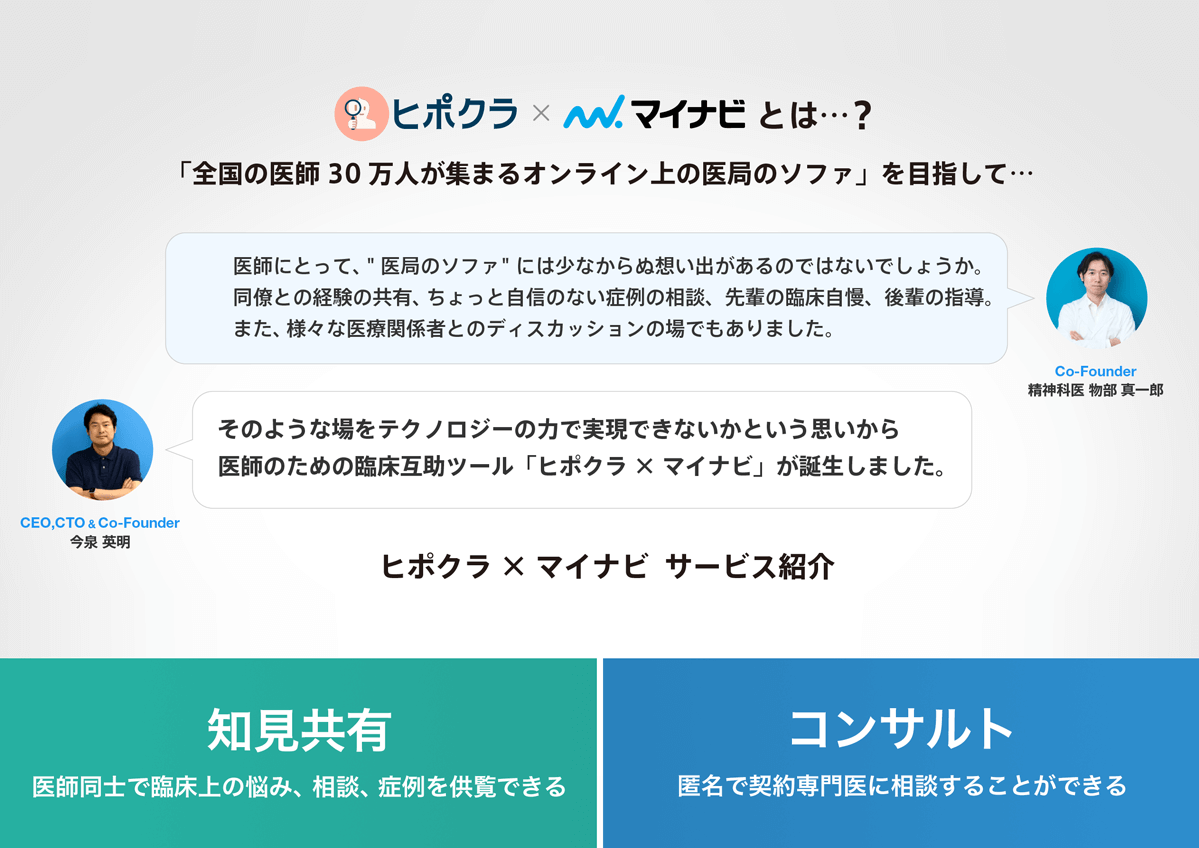
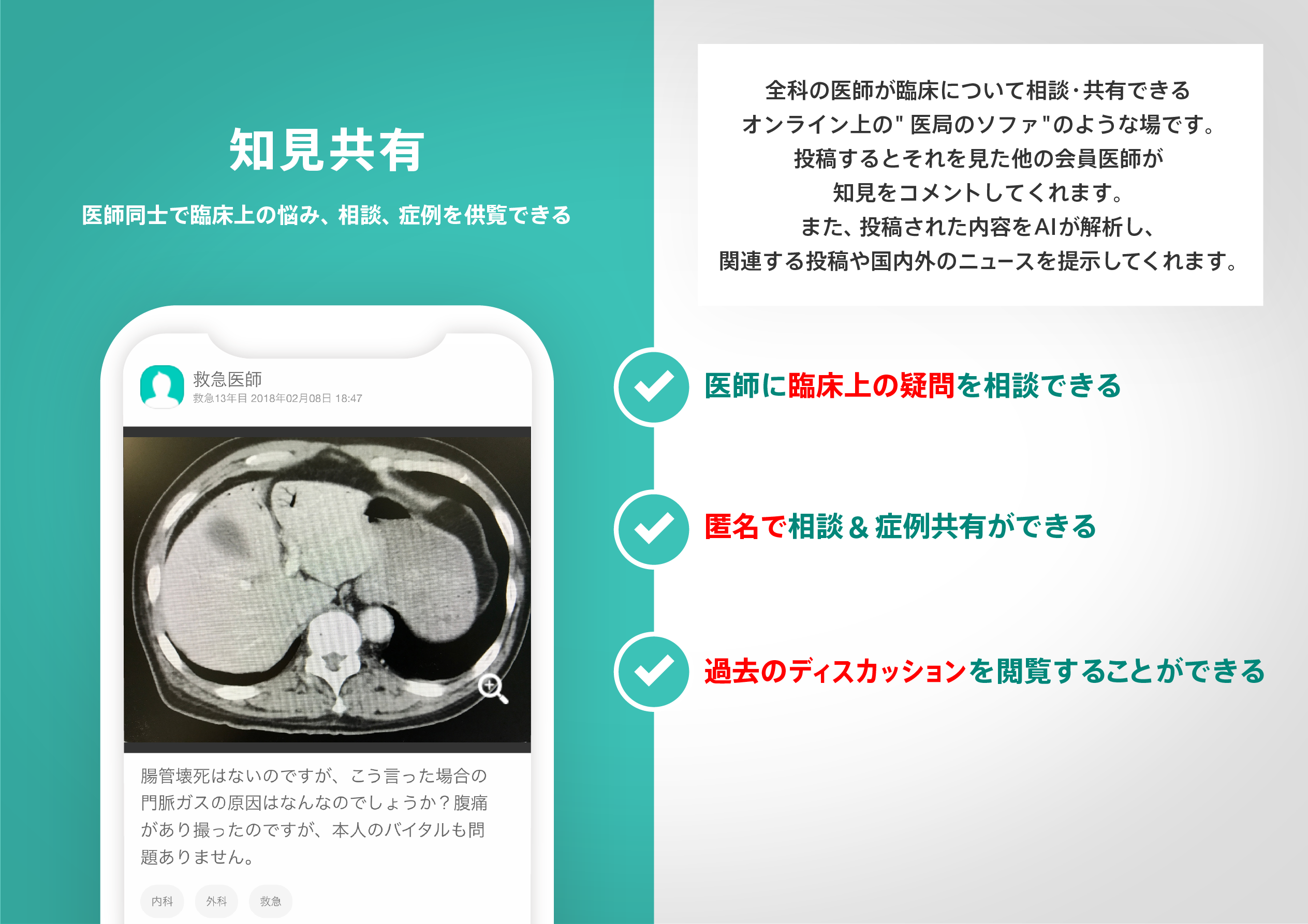
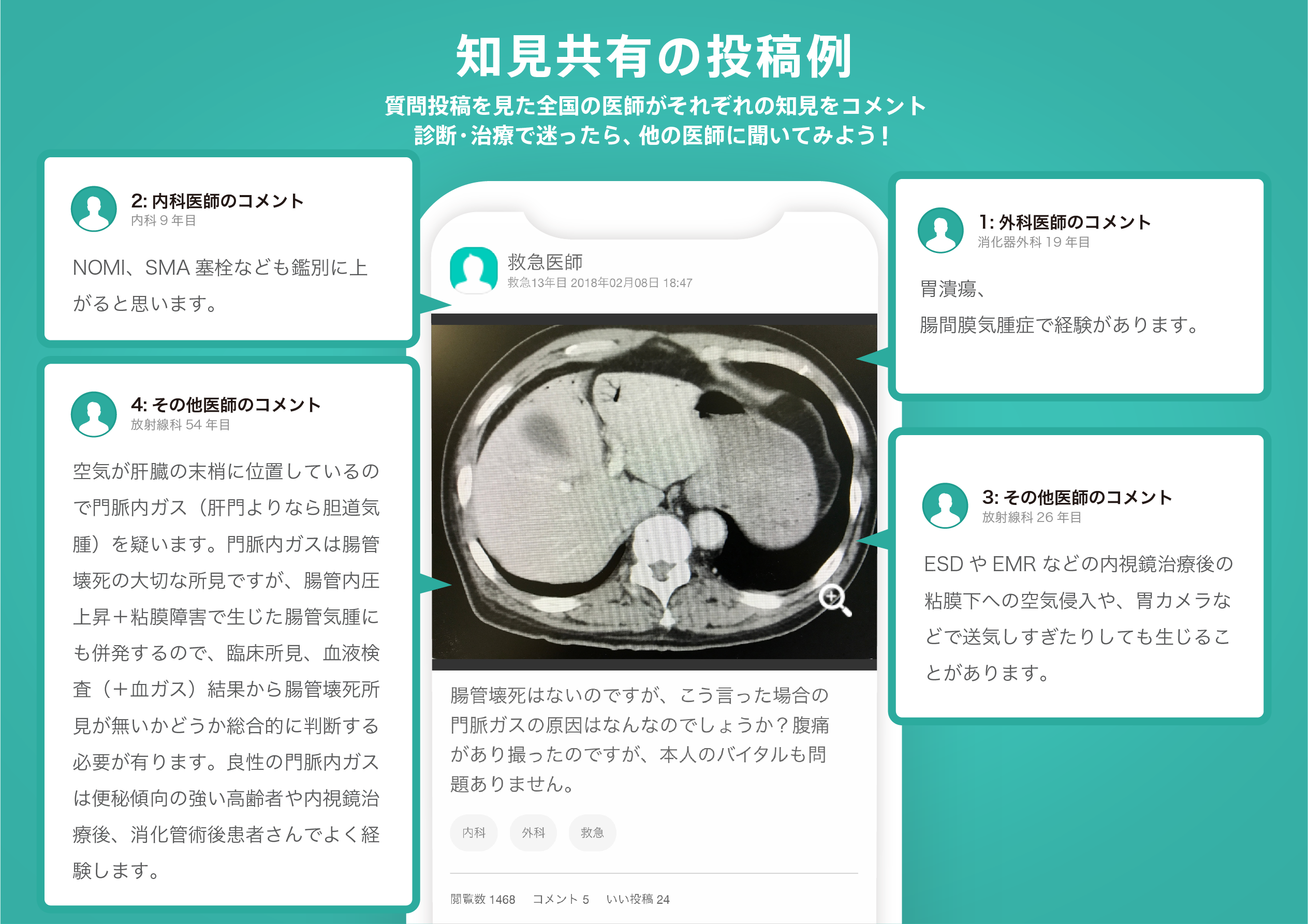
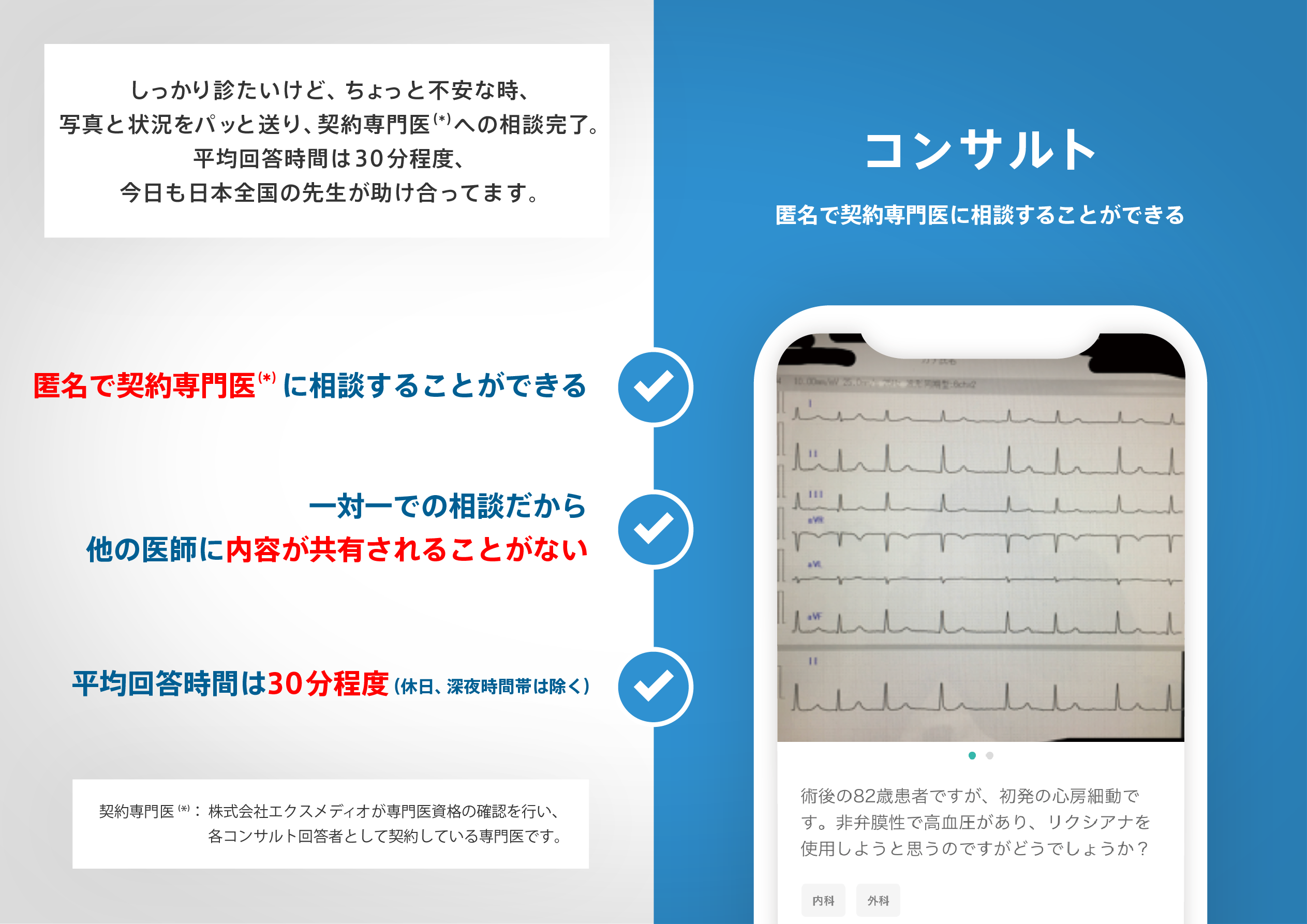
ヒポクラ x マイナビのご紹介

無料会員登録していただくと、さらに便利で効率的な検索が可能になります。