著名医師による解説が無料で読めます
すると翻訳の精度が向上します
はじめに:前方外科チーム(FSTS)は、現代の戦争で「損傷制御」医療サポートを提供する高度に移動する手術施設として使用されています。FST連隊は、武装したサービスや国によって大きく異なります。現代の戦争でFSTSが遭遇した病状とワークロードに重点を置いて、世界中のFSTSの利用を体系的にレビューしました。 材料と方法:PubMed、Embase、Web of Science、Medlineデータベースの「フォワード外科チーム」や「フィールド外科チーム」などのFSTに関連する用語を検索し、組織に数値データを提供する記事を収集しました。犠牲者の構成、怪我の種類と場所、怪我のメカニズム、および行われた外科的処置など、犠牲者の特性と戦闘職員の犠牲者の特性。技術的な記事、特定の種類の怪我や病気の症例報告、および以前の経験と物流理論の文献レビューが破棄されました。 結果:分析に含まれる29のFSTを含む24の記事を特定しました。FSTは通常、8〜20人の医療関係者で構成され、医療能力が限られていました。戦闘関連の負傷は、FSTSによって治療されたすべての損傷タイプの約3分の2を構成しました。四肢、胴体、頭頸部は、最も頻繁に負傷した3つのサイトであり、それぞれすべての傷の約51.1%、16.6%、13.2%を占めていました。最も頻繁な損傷メカニズムは、断片または爆発的な損傷(44.8%)、銃創(28.1%)、自動車事故/道路交通事故(9.1%)でした。軟部組織手術(41.0%)と整形外科手術(31.6%)は、FSTSによって最も頻繁に行われる2つの手順でした。小さなFSTS(1.27/ユニット・デイ)とフルFST(1.28/単位・1日)によって行われる外科的処置の平均数は同等のと思われました。 結論:現代の紛争には、特に戦争の初期段階では、より柔軟な小型FSTが必要になる場合があります。より多くの整形外科医をFSTSに含める必要があり、展開前に整形外科スキルトレーニングを強化する必要があります。FSTSおよびレベルIII施設の利用は、戦場の状況、医療要件、避難効率のコンテキスト内で評価する必要があります。
はじめに:前方外科チーム(FSTS)は、現代の戦争で「損傷制御」医療サポートを提供する高度に移動する手術施設として使用されています。FST連隊は、武装したサービスや国によって大きく異なります。現代の戦争でFSTSが遭遇した病状とワークロードに重点を置いて、世界中のFSTSの利用を体系的にレビューしました。 材料と方法:PubMed、Embase、Web of Science、Medlineデータベースの「フォワード外科チーム」や「フィールド外科チーム」などのFSTに関連する用語を検索し、組織に数値データを提供する記事を収集しました。犠牲者の構成、怪我の種類と場所、怪我のメカニズム、および行われた外科的処置など、犠牲者の特性と戦闘職員の犠牲者の特性。技術的な記事、特定の種類の怪我や病気の症例報告、および以前の経験と物流理論の文献レビューが破棄されました。 結果:分析に含まれる29のFSTを含む24の記事を特定しました。FSTは通常、8〜20人の医療関係者で構成され、医療能力が限られていました。戦闘関連の負傷は、FSTSによって治療されたすべての損傷タイプの約3分の2を構成しました。四肢、胴体、頭頸部は、最も頻繁に負傷した3つのサイトであり、それぞれすべての傷の約51.1%、16.6%、13.2%を占めていました。最も頻繁な損傷メカニズムは、断片または爆発的な損傷(44.8%)、銃創(28.1%)、自動車事故/道路交通事故(9.1%)でした。軟部組織手術(41.0%)と整形外科手術(31.6%)は、FSTSによって最も頻繁に行われる2つの手順でした。小さなFSTS(1.27/ユニット・デイ)とフルFST(1.28/単位・1日)によって行われる外科的処置の平均数は同等のと思われました。 結論:現代の紛争には、特に戦争の初期段階では、より柔軟な小型FSTが必要になる場合があります。より多くの整形外科医をFSTSに含める必要があり、展開前に整形外科スキルトレーニングを強化する必要があります。FSTSおよびレベルIII施設の利用は、戦場の状況、医療要件、避難効率のコンテキスト内で評価する必要があります。
INTRODUCTION: Forward surgical teams (FSTs) have been used as highly mobile surgical facilities that provide "damage control" medical support in modern wars. FST regiments differ greatly in different armed services and nations. We systemically reviewed the utilization of FSTs around the world with an emphasis on the medical conditions and workloads encountered by FSTs in modern wars. MATERIALS AND METHODS: We searched for terms related to FSTs, such as "Forward Surgical Team" and "Field Surgical Team," in the PubMed, EMBASE, Web of Science, and MEDLINE databases and collected any articles that provided numerical data on the organization of medical personnel combat casualty characteristics, including the casualty composition, injury types and locations, and mechanisms of injury, and surgical procedures performed. Technical articles, case reports of specific types of injury or disease, and literature reviews of previous experiences and logistical theories were discarded. RESULTS: We identified 24 articles involving 29 FSTs that were included in the analysis. The FSTs were typically composed of 8-20 medical personnel and had limited medical capacity. Battle-related injuries constituted approximately two-thirds of all injury types treated by the FSTs. The extremities, torso, and head and neck were the three most frequently injured sites and accounted for approximately 51.1%, 16.6%, and 13.2% of all wounds, respectively. The three most frequent injury mechanisms were fragments or explosive injuries (44.8%), gunshot wounds (28.1%), and motor vehicle accidents/road traffic accidents (9.1%). Soft tissue surgeries (41.0%) and orthopedic operations (31.6%) were the two procedures that were most frequently performed by the FSTs. The average numbers of surgical procedures performed by small FSTs (1.27/unit·day) and full FSTs (1.28/unit·day) seemed to be comparable. CONCLUSION: Modern conflict may require more flexible small FSTs, especially during the initial phases of war. More orthopedic surgeons should be included in FSTs, and orthopedic skill training should be intensified before deployment. The utilization of FSTs and level III facilities must be evaluated within the context of the battlefield conditions, medical care requirements, and evacuation efficiency.
医師のための臨床サポートサービス
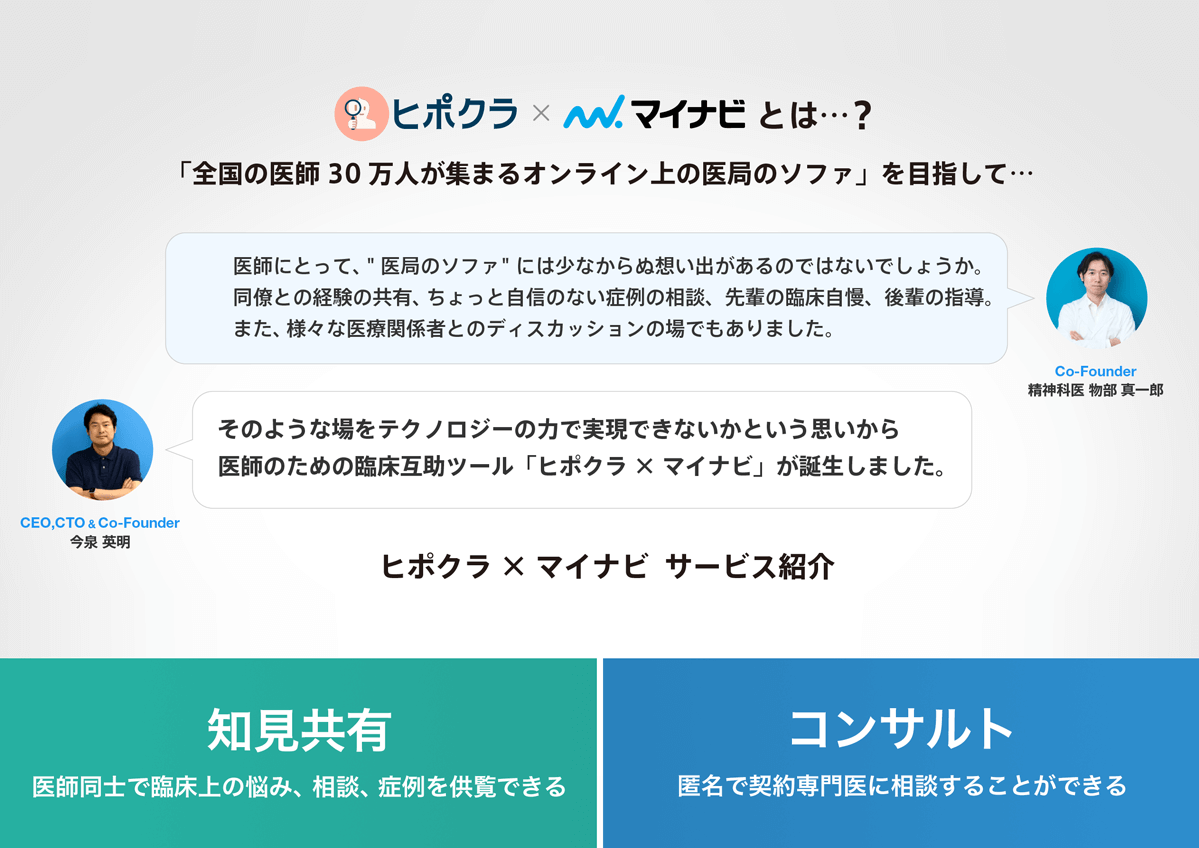
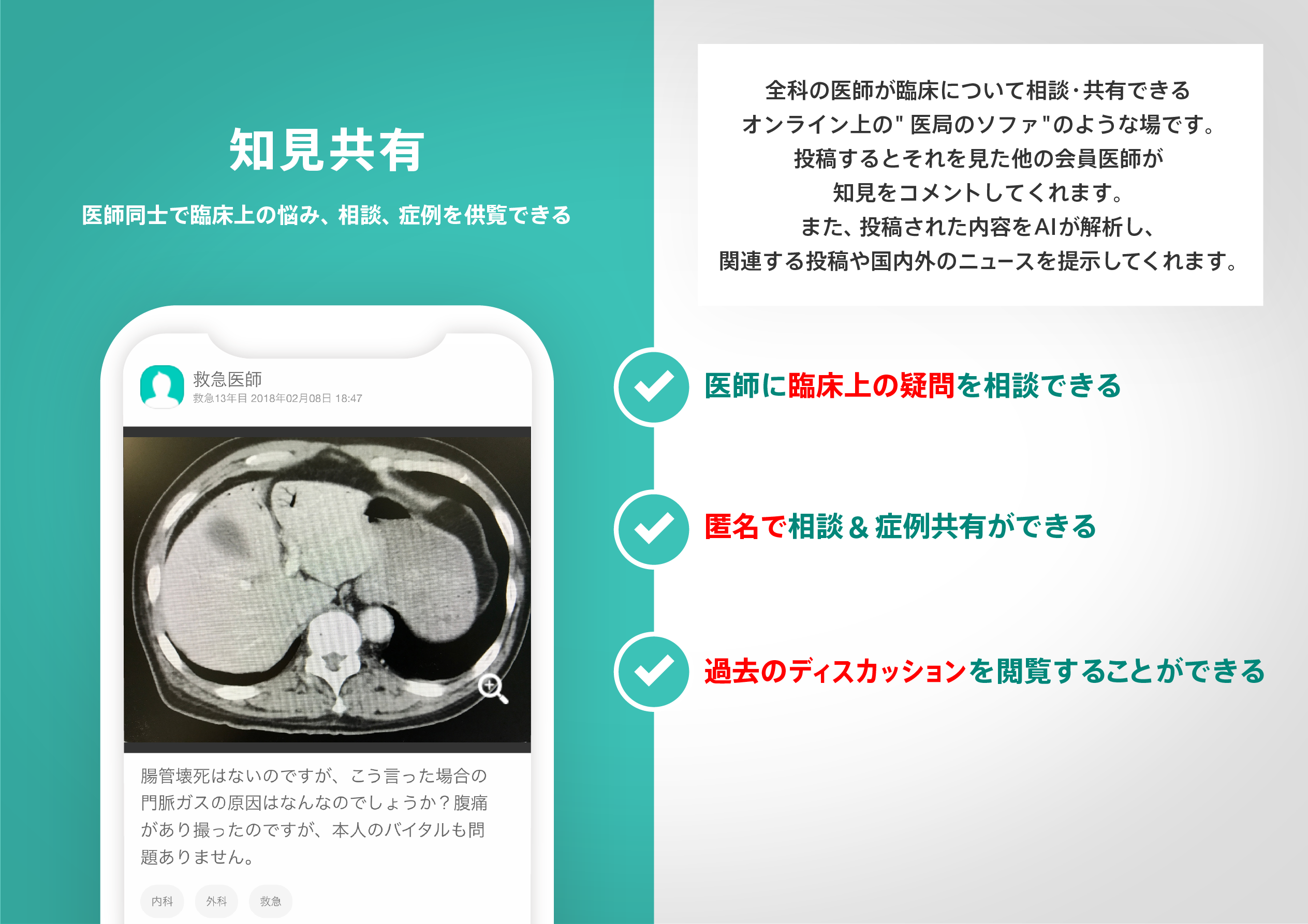
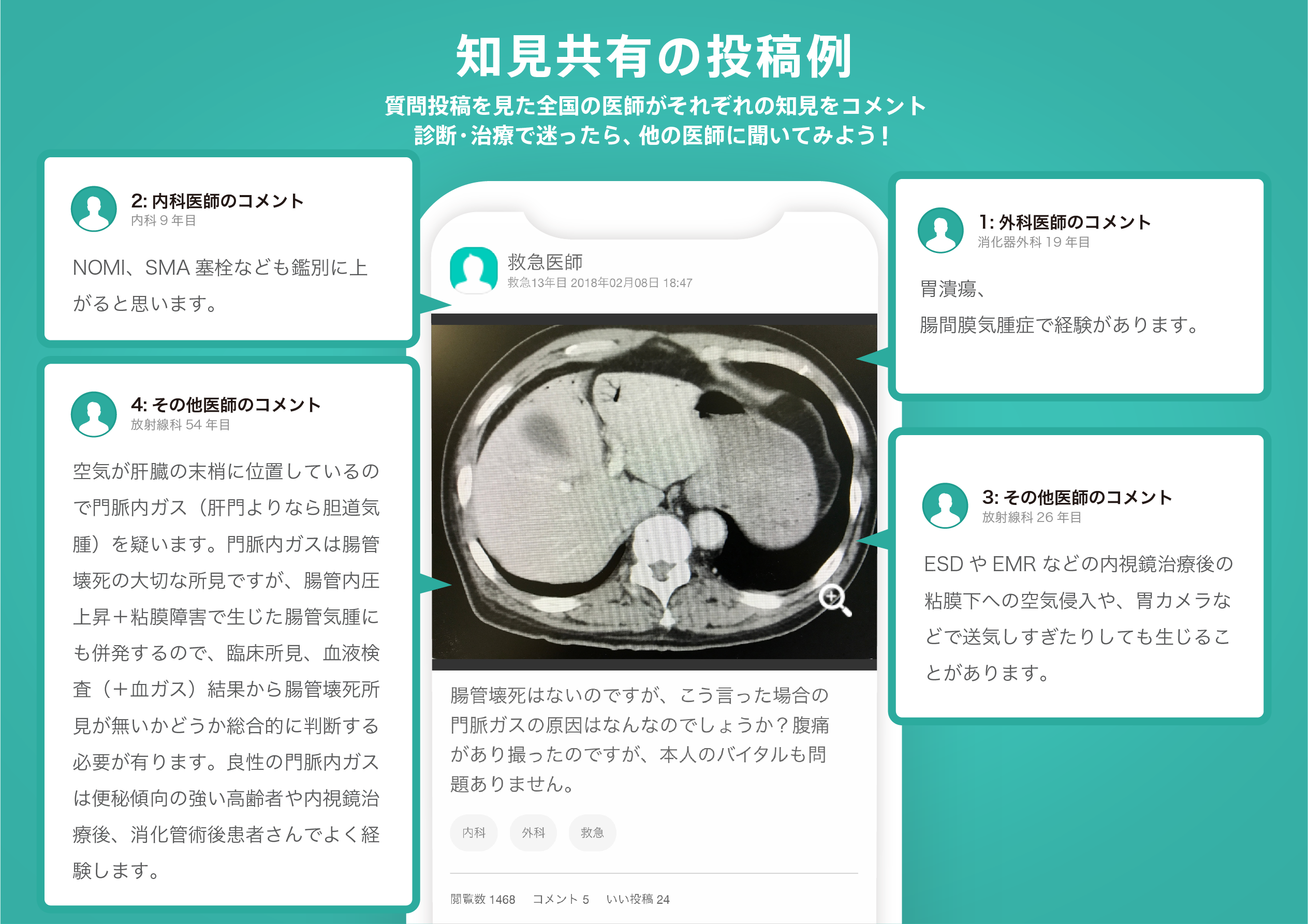
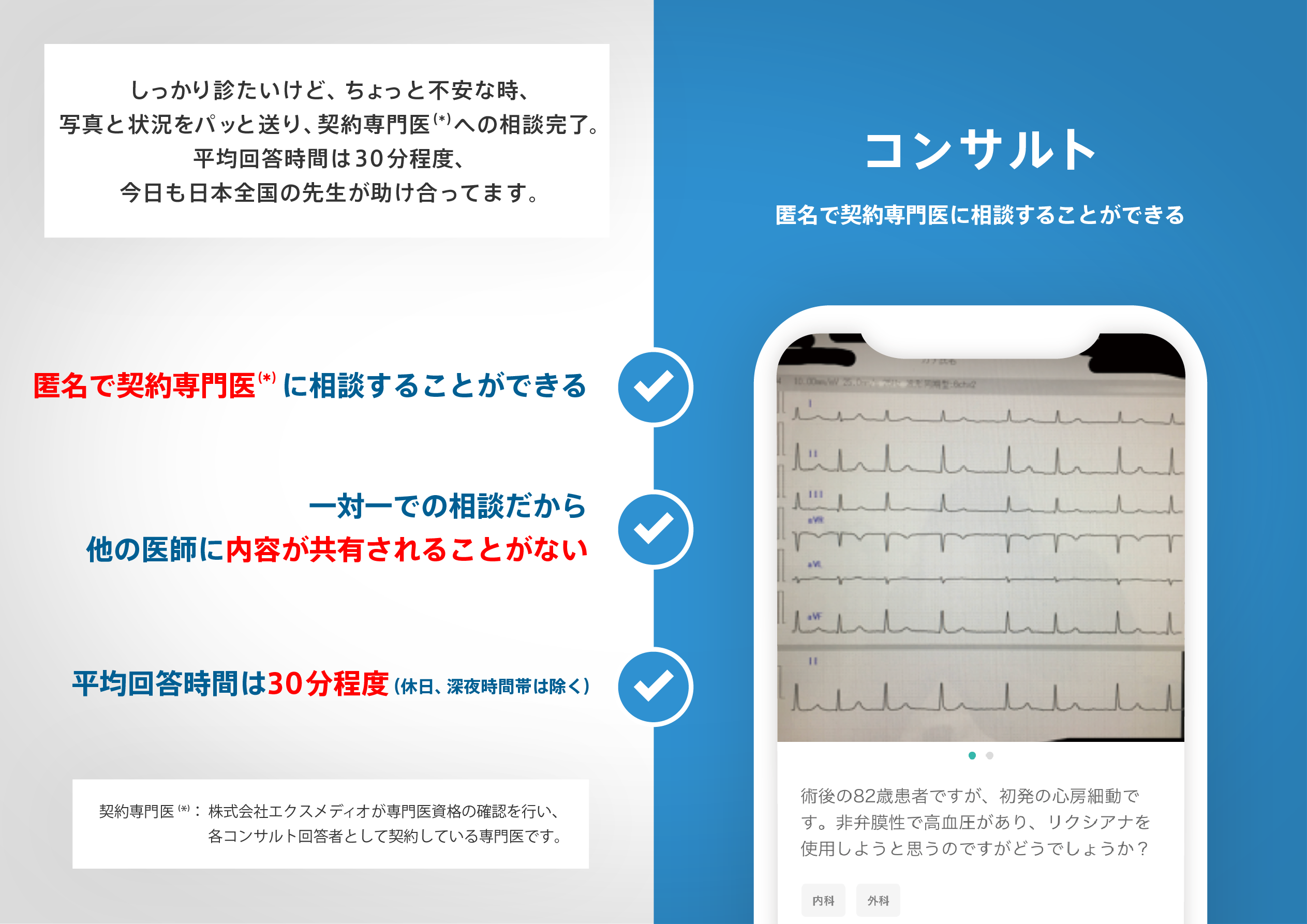
ヒポクラ x マイナビのご紹介

無料会員登録していただくと、さらに便利で効率的な検索が可能になります。