著名医師による解説が無料で読めます
すると翻訳の精度が向上します
背景:歯周炎は、宿主とサブジンジバルプラーク細菌との相互作用の結果として発生します。Porphyromonas gingivalisとTreponema denticolaの両方が、これらの経口バイオフィルムで頻繁に関連付けられています。 方法:in vitroバイオフィルム形成の分子基盤をP. gingivalis 381、T。denticola35405、およびマイクロタイタープレートアッセイを使用して2つの生物の混合物について調査しました。さらに、共焦点レーザー走査顕微鏡検査に続いてバイオフィルムを調べました。 結果:P。gingivalis 381、しかしT. denticola株ではなく、in vitroでバイオフィルムを形成しました。この特性は、部分的には381 Fima、PPK、およびUSP遺伝子株に依存していました。マイクロアレイとノーザンブロット分析により、USPA遺伝子の最大発現にはPPK遺伝子の発現が必要であることが示唆されました。P. gingivalis 381は、T。denticola株とインキュベートすると、相乗的バイオフィルムを形成しました。このプロセスは、T。denticolaflgeおよびCFPA遺伝子だけでなく、381 RGPBおよびFIMA遺伝子株に依存していました。 結論:P。gingivalis 381は、T。denticola35405と相乗的バイオフィルムを形成しました。これらの結果は、2つの生物が口腔バイオフィルムの外側に局在するスピロチェットと一緒に頻繁に観察されるという以前の観察に関連する場合があります。他のそのような相乗効果は、他のプラーク細菌間でも発生する可能性があることが示唆されています。
背景:歯周炎は、宿主とサブジンジバルプラーク細菌との相互作用の結果として発生します。Porphyromonas gingivalisとTreponema denticolaの両方が、これらの経口バイオフィルムで頻繁に関連付けられています。 方法:in vitroバイオフィルム形成の分子基盤をP. gingivalis 381、T。denticola35405、およびマイクロタイタープレートアッセイを使用して2つの生物の混合物について調査しました。さらに、共焦点レーザー走査顕微鏡検査に続いてバイオフィルムを調べました。 結果:P。gingivalis 381、しかしT. denticola株ではなく、in vitroでバイオフィルムを形成しました。この特性は、部分的には381 Fima、PPK、およびUSP遺伝子株に依存していました。マイクロアレイとノーザンブロット分析により、USPA遺伝子の最大発現にはPPK遺伝子の発現が必要であることが示唆されました。P. gingivalis 381は、T。denticola株とインキュベートすると、相乗的バイオフィルムを形成しました。このプロセスは、T。denticolaflgeおよびCFPA遺伝子だけでなく、381 RGPBおよびFIMA遺伝子株に依存していました。 結論:P。gingivalis 381は、T。denticola35405と相乗的バイオフィルムを形成しました。これらの結果は、2つの生物が口腔バイオフィルムの外側に局在するスピロチェットと一緒に頻繁に観察されるという以前の観察に関連する場合があります。他のそのような相乗効果は、他のプラーク細菌間でも発生する可能性があることが示唆されています。
BACKGROUND: Periodontitis develops as a result of the interaction of the host with subgingival plaque bacteria. Both Porphyromonas gingivalis and Treponema denticola are frequently associated together in these oral biofilms. METHODS: The molecular basis for in vitro biofilm formation was investigated for P. gingivalis 381, T. denticola 35405, and mixtures of the two organisms using microtiter plate assays. In addition, the biofilms were examined following confocal laser scanning microscopy. RESULTS: P. gingivalis 381, but not T. denticola strains, formed biofilms in vitro. This property was dependent, in part, on the strain 381 fimA, ppk, and usp genes. Microarray and Northern blot analyses suggested that the expression of the ppk gene was required for maximal expression of the uspA gene. P. gingivalis 381 formed synergistic biofilms when incubated with T. denticola strains. This process was dependent upon the strain 381 rgpB and fimA genes as well as the T. denticola flgE and cfpA genes. CONCLUSIONS: P. gingivalis 381 formed synergistic biofilms with T. denticola 35405. These results may be relevant to the previous observations that the two organisms are frequently observed together in subgingival plaque with the spirochetes localized to the exterior of the oral biofilms. It is suggested that other such synergistic effects may also occur between other plaque bacteria.
医師のための臨床サポートサービス
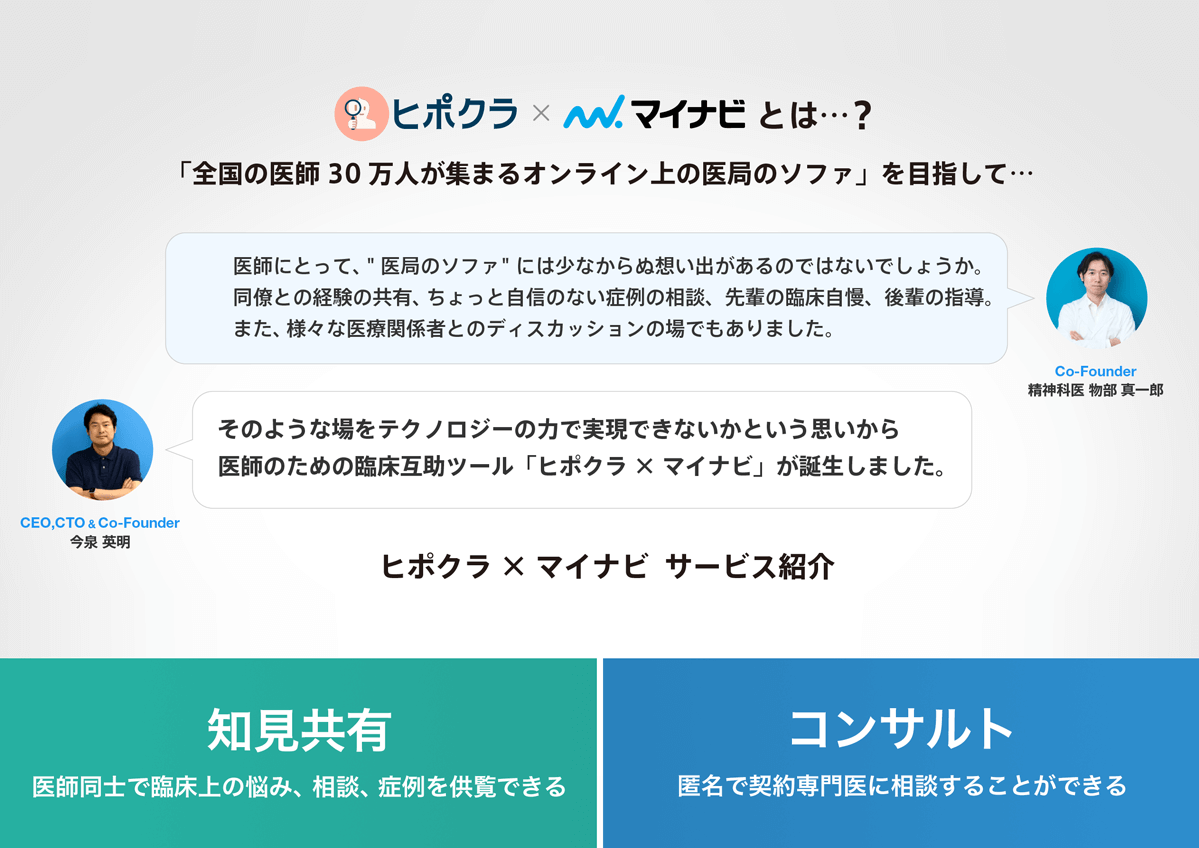
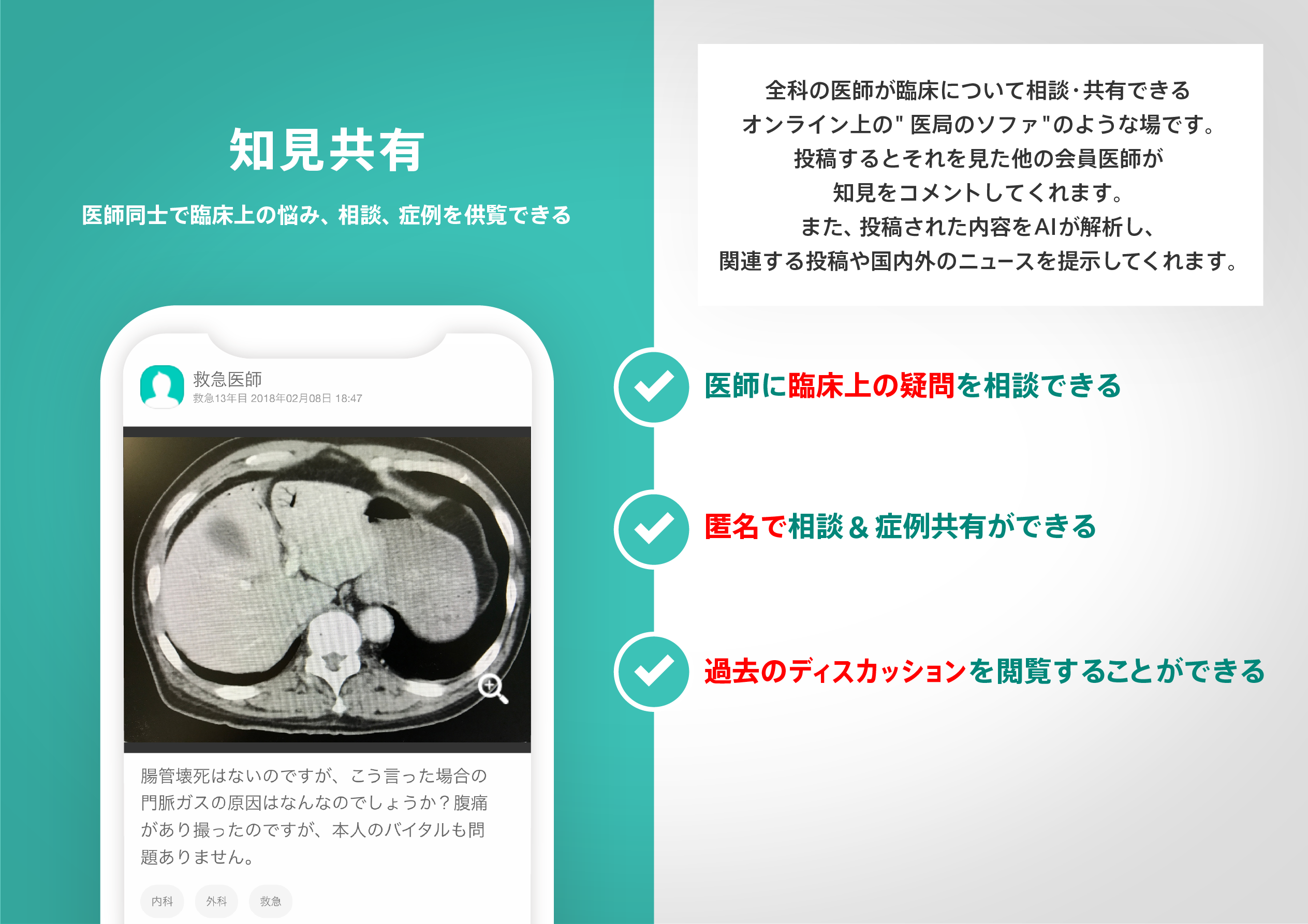
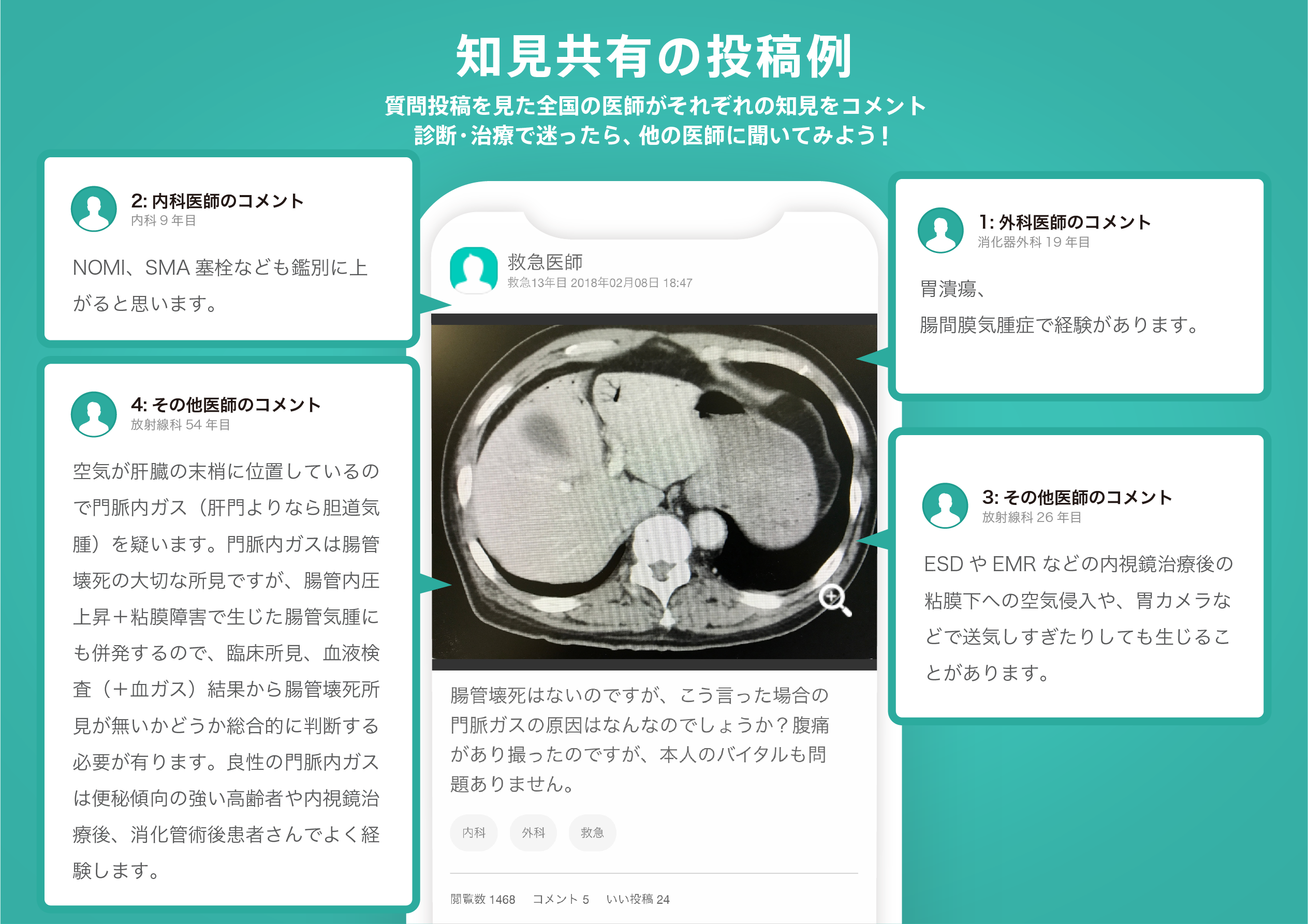
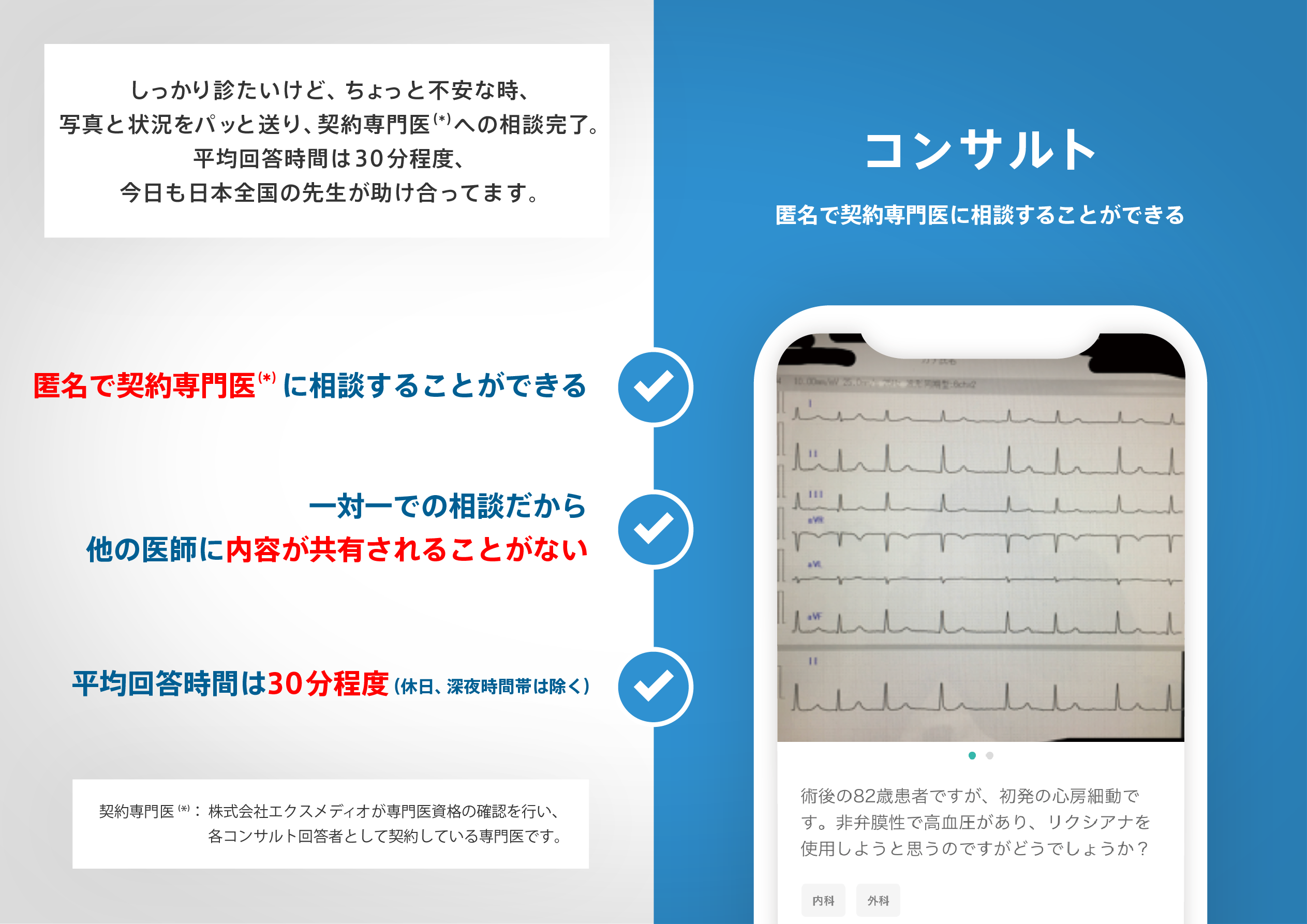
ヒポクラ x マイナビのご紹介

無料会員登録していただくと、さらに便利で効率的な検索が可能になります。