著名医師による解説が無料で読めます
すると翻訳の精度が向上します
背景:アメロゲニンは、エナメル質の形成に重要なエナメルマトリックスタンパク質のファミリーです。アメロゲニンは、とりわけ間葉系幹細胞(MSC)の分裂を誘導する可能性があります。最近、アメロゲニンペプチド(AMG-CP)のC末端は、セメント芽細胞系統細胞の増殖を促進することが示されています。ヒトMSCの増殖と細胞内シグナル伝達経路の関連する変化に対するアメロゲニンペプチドの役割を研究しました。 方法:MSCはin vitroでAMG-CPにさらされました。MTSおよび5-BROMO-2'-デオキシウリジン(BRDU)アッセイを使用して、増殖を決定しました。アメロゲニン受容体、リソソーム関連膜タンパク質1(LAMP1)の発現は、ウエスタンブロッティングを伴うMSCで検査されました。AMG-CPのLAMP1への結合は、抗LAMP1抗体で阻害されました。マイトジェン活性化プロテインキナーゼ(MAPK)エクストセルラルシグナル調節キナーゼ(ERK)経路の成分を、ウエスタンブロッティングおよび酵素結合免疫吸着剤アッセイで研究し、MAPK阻害剤であるU0126をERK活性阻害に使用しました。 結果:MSCの増殖は、AMG-CPの存在下で有意に増加し、抗LAMP1抗体またはU0126によって有意に阻害されました。AMG-CPの存在下でリン酸化ERK1/2の増加が観察され、抗LAMP1抗体またはU0126の存在下でリン酸化ERK1/2の減少が見られました。 結論:C末端アメロゲニンバリアントは、LAMP1およびMAPK-ERKシグナル伝達経路との相互作用を介してMSCの増殖を増加させ、頭蓋顔面領域の組織再生にMSCを使用する可能性を示しました。
背景:アメロゲニンは、エナメル質の形成に重要なエナメルマトリックスタンパク質のファミリーです。アメロゲニンは、とりわけ間葉系幹細胞(MSC)の分裂を誘導する可能性があります。最近、アメロゲニンペプチド(AMG-CP)のC末端は、セメント芽細胞系統細胞の増殖を促進することが示されています。ヒトMSCの増殖と細胞内シグナル伝達経路の関連する変化に対するアメロゲニンペプチドの役割を研究しました。 方法:MSCはin vitroでAMG-CPにさらされました。MTSおよび5-BROMO-2'-デオキシウリジン(BRDU)アッセイを使用して、増殖を決定しました。アメロゲニン受容体、リソソーム関連膜タンパク質1(LAMP1)の発現は、ウエスタンブロッティングを伴うMSCで検査されました。AMG-CPのLAMP1への結合は、抗LAMP1抗体で阻害されました。マイトジェン活性化プロテインキナーゼ(MAPK)エクストセルラルシグナル調節キナーゼ(ERK)経路の成分を、ウエスタンブロッティングおよび酵素結合免疫吸着剤アッセイで研究し、MAPK阻害剤であるU0126をERK活性阻害に使用しました。 結果:MSCの増殖は、AMG-CPの存在下で有意に増加し、抗LAMP1抗体またはU0126によって有意に阻害されました。AMG-CPの存在下でリン酸化ERK1/2の増加が観察され、抗LAMP1抗体またはU0126の存在下でリン酸化ERK1/2の減少が見られました。 結論:C末端アメロゲニンバリアントは、LAMP1およびMAPK-ERKシグナル伝達経路との相互作用を介してMSCの増殖を増加させ、頭蓋顔面領域の組織再生にMSCを使用する可能性を示しました。
BACKGROUND: Amelogenins are a family of enamel matrix proteins that are important for formation of enamel. Amelogenins may induce division of mesenchymal stem cells (MSCs), among others. Recently, the C-terminus of the amelogenin peptide (AMG-CP) has been shown to enhance the proliferation of cementoblast lineage cells. The role of the amelogenin peptide on the proliferation of human MSCs and related alterations in the intracellular signaling pathway were studied. METHODS: MSCs were exposed to AMG-CP in vitro. The MTS and 5-bromo-2'-deoxyuridine (BrdU) assays were used to determine proliferation. Expression of the amelogenin receptor, lysosomal-associated membrane protein 1 (LAMP1), was examined in MSCs with western blotting. Binding of AMG-CP to LAMP1 was inhibited with anti-LAMP1 antibody. Components of the mitogen-activated protein kinase (MAPK)-extracellular signal-regulated kinase (ERK) pathway were studied with western blotting and enzyme-linked immunosorbent assay, and U0126, an MAPK inhibitor, was used to inhibit ERK activity. RESULTS: MSC proliferation was significantly increased in the presence of AMG-CP and significantly inhibited by anti-LAMP1 antibody or U0126. Increased phosphorylated ERK1/2 was observed in the presence of AMG-CP, and decreased phosphorylated ERK1/2 was seen in the presence of anti-LAMP1 antibody or U0126. CONCLUSION: A C-terminal amelogenin variant increased the proliferation of MSCs via an interaction with LAMP1 and the MAPK-ERK signaling pathway, indicating the possibility of using MSCs for tissue regeneration in the craniofacial region.
医師のための臨床サポートサービス
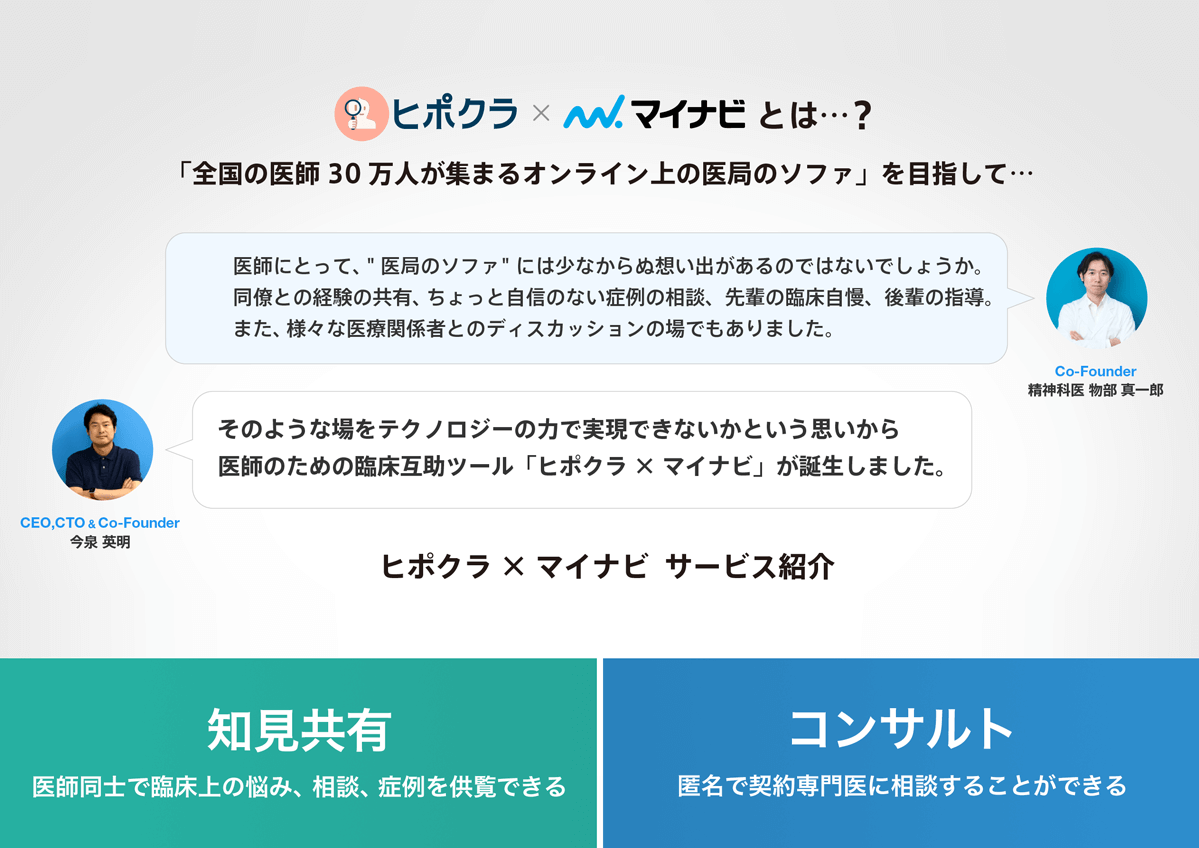
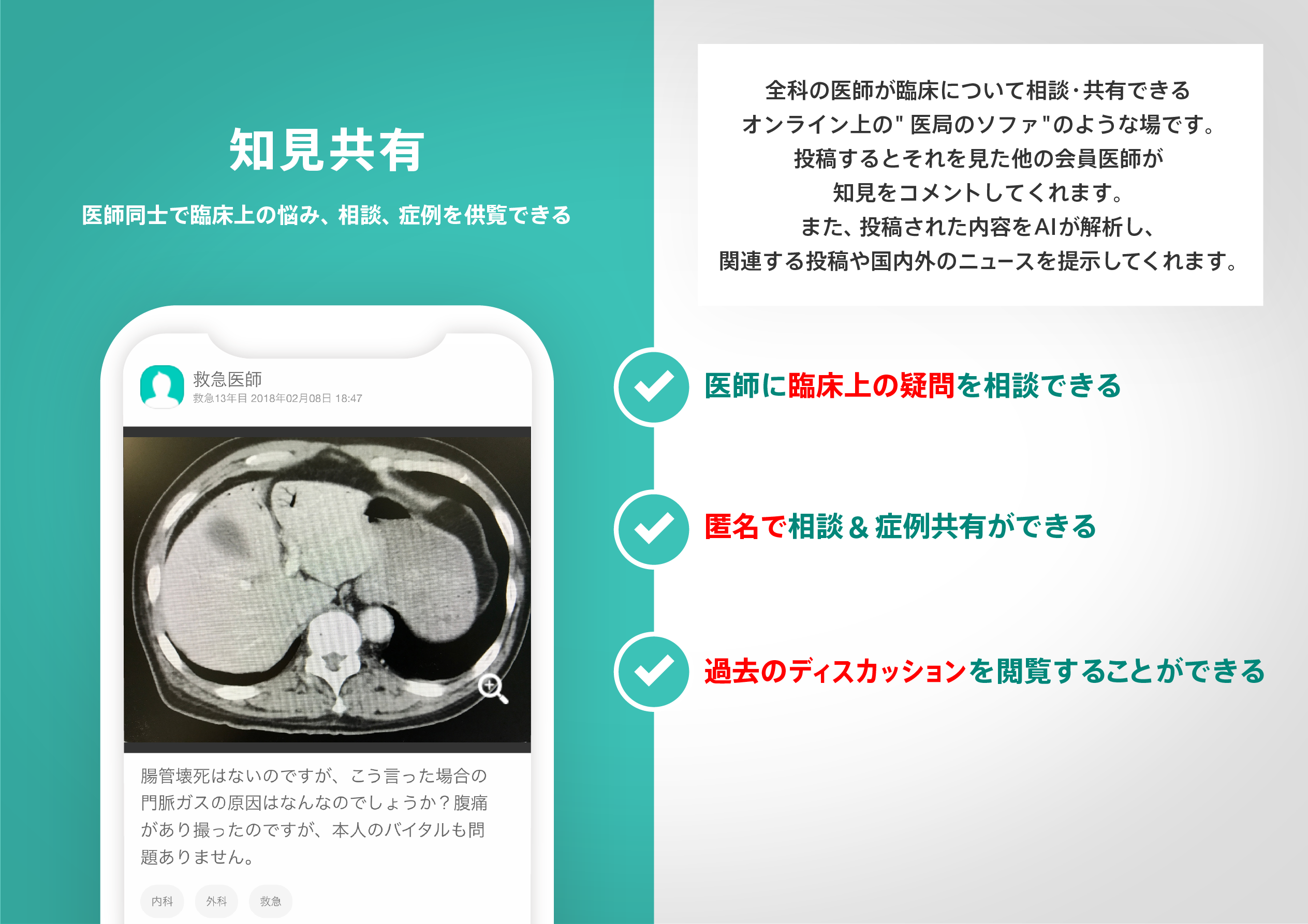
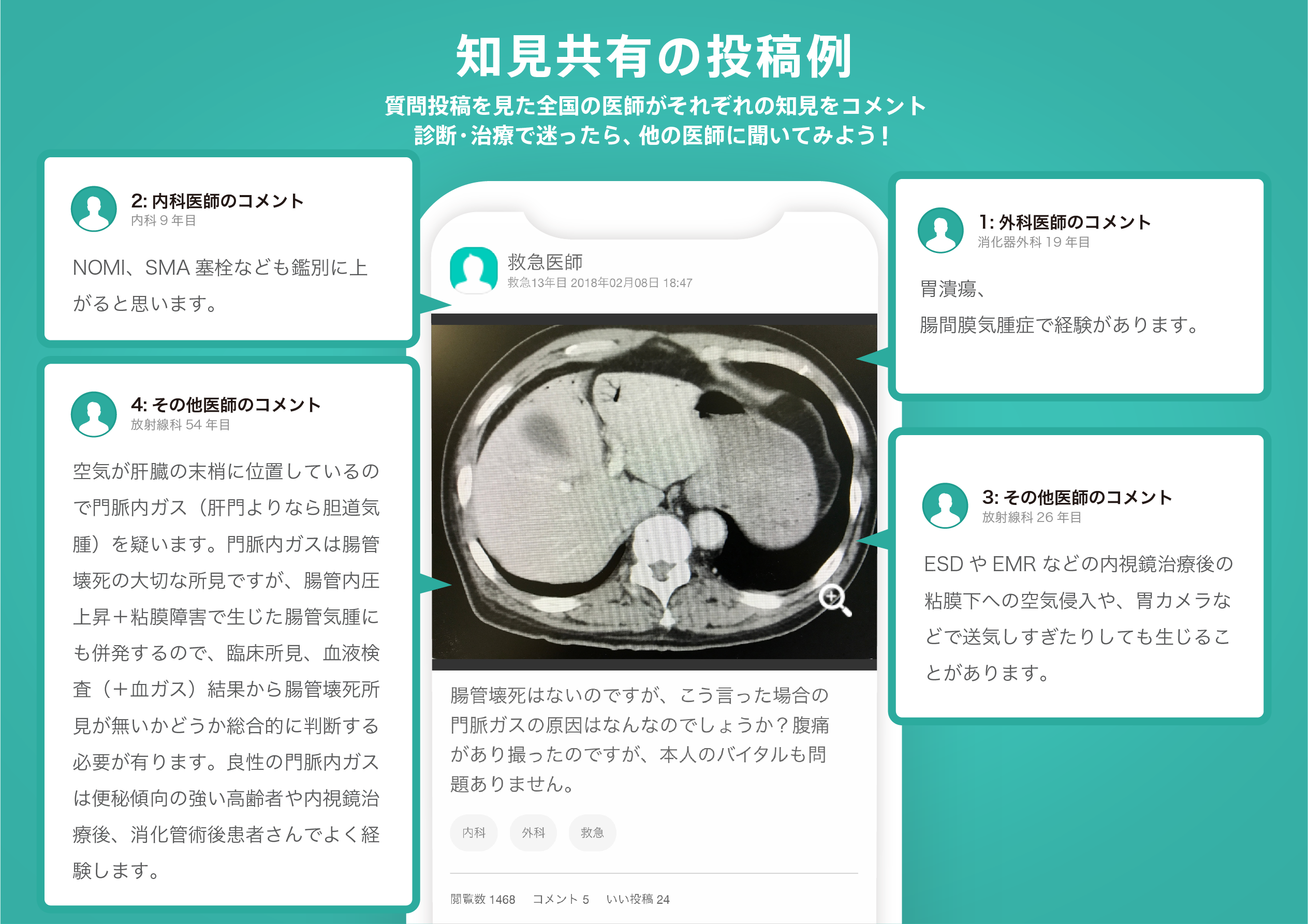
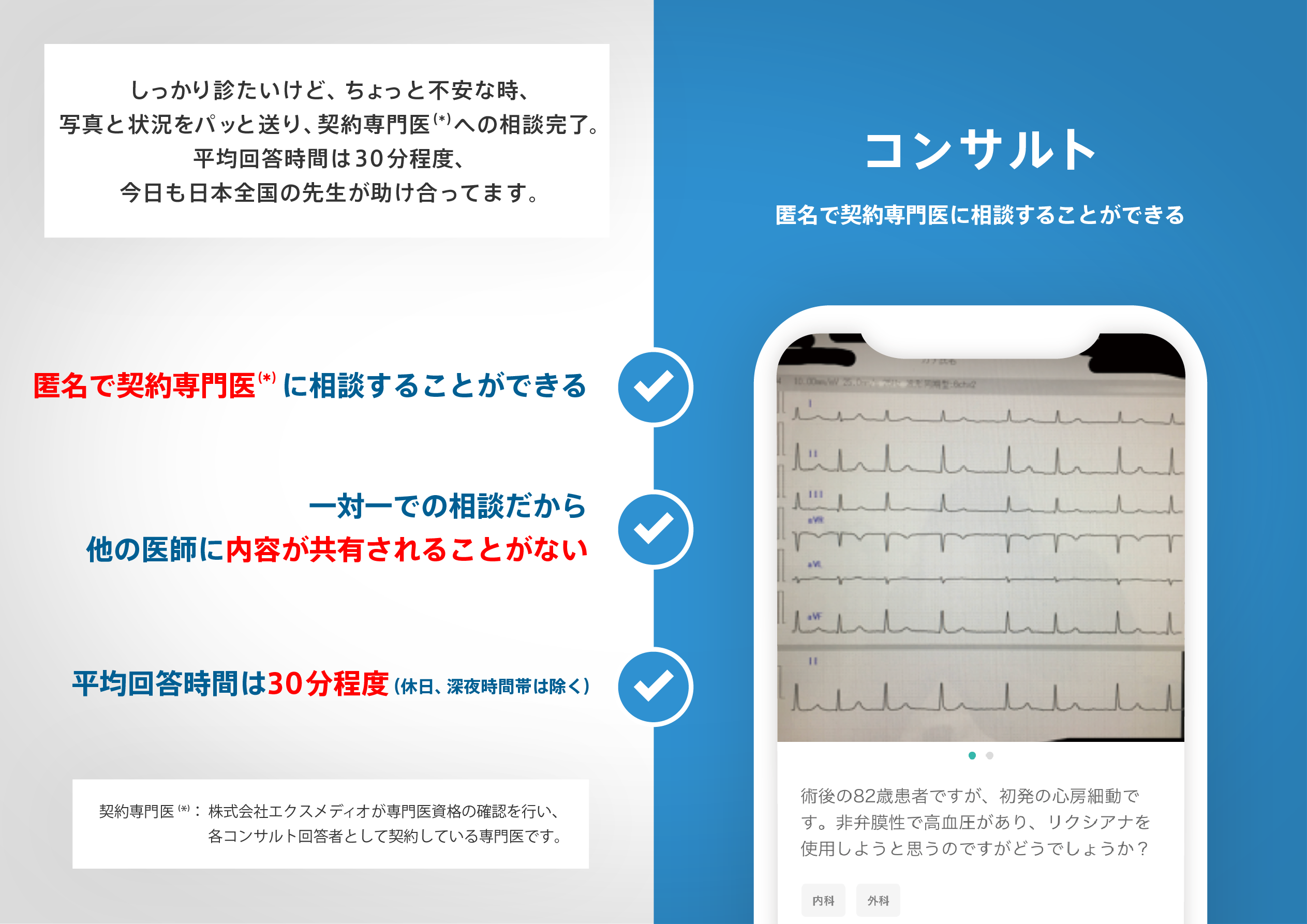
ヒポクラ x マイナビのご紹介

無料会員登録していただくと、さらに便利で効率的な検索が可能になります。