著名医師による解説が無料で読めます
すると翻訳の精度が向上します
αβ TCR と同族ペプチド MHC (pMHC) 間の相互作用の構造的特徴付けは、適応 T 細胞媒介免疫を理解する上で中心となります。X 線結晶構造解析は多くの構造データのソースですが、伝統的にタンパク質の静的なスナップショットしか提供しません。タンパク質の機能における構造動態の重要な役割に関する新たな証拠を踏まえ、我々は、X線データから動的な情報を抽出できる技術であるアンサンブルリファインメントを使用して、pMHC複合体の309個の結晶構造を調査した。ヒト pMHC クラス I システムのサブセットに焦点を当てたところ、多くの場合、アンサンブル法により、これまで隠されていた重大な立体構造可塑性の証拠を明らかにすることができ、それによって、機能的解釈に基づく機能的解釈を構築し、大幅に強化できる追加情報が明らかになることを発見しました。単一の静的構造。注目すべき例には、HLA サブタイプの疾患関連性の違いの解釈、ペプチドの卓越性と TCR 認識の関係、ワクチン設計における立体構造の柔軟性の役割、TCR 結合の誘導適合モデルと立体構造選択モデルの区別などが含まれます。我々は、単一結晶構造の研究を介してpMHC相互作用を分析する現在広く普及している手法では、タンパク質の代替立体構造に関するX線データからの適切で容易にアクセスできる情報を利用していないことを示す。したがって、この新しい解析は、数十年にわたる構造データの解釈を大幅に充実させるアンサンブル法の能力を強調するだけでなく、既存の特徴付けられた TCR-pMHC 相互作用の動態に関するこれまで欠落していた情報も提供します。
αβ TCR と同族ペプチド MHC (pMHC) 間の相互作用の構造的特徴付けは、適応 T 細胞媒介免疫を理解する上で中心となります。X 線結晶構造解析は多くの構造データのソースですが、伝統的にタンパク質の静的なスナップショットしか提供しません。タンパク質の機能における構造動態の重要な役割に関する新たな証拠を踏まえ、我々は、X線データから動的な情報を抽出できる技術であるアンサンブルリファインメントを使用して、pMHC複合体の309個の結晶構造を調査した。ヒト pMHC クラス I システムのサブセットに焦点を当てたところ、多くの場合、アンサンブル法により、これまで隠されていた重大な立体構造可塑性の証拠を明らかにすることができ、それによって、機能的解釈に基づく機能的解釈を構築し、大幅に強化できる追加情報が明らかになることを発見しました。単一の静的構造。注目すべき例には、HLA サブタイプの疾患関連性の違いの解釈、ペプチドの卓越性と TCR 認識の関係、ワクチン設計における立体構造の柔軟性の役割、TCR 結合の誘導適合モデルと立体構造選択モデルの区別などが含まれます。我々は、単一結晶構造の研究を介してpMHC相互作用を分析する現在広く普及している手法では、タンパク質の代替立体構造に関するX線データからの適切で容易にアクセスできる情報を利用していないことを示す。したがって、この新しい解析は、数十年にわたる構造データの解釈を大幅に充実させるアンサンブル法の能力を強調するだけでなく、既存の特徴付けられた TCR-pMHC 相互作用の動態に関するこれまで欠落していた情報も提供します。
A structural characterization of the interaction between αβ TCRs and cognate peptide-MHC (pMHC) is central to understanding adaptive T cell-mediated immunity. X-ray crystallography, although the source of much structural data, traditionally provides only a static snapshot of the protein. Given the emerging evidence for the important role of conformational dynamics in protein function, we interrogated 309 crystallographic structures of pMHC complexes using ensemble refinement, a technique that can extract dynamic information from the x-ray data. Focusing on a subset of human pMHC class I systems, we found that in many cases, ensemble methods were able to uncover previously hidden evidence of significant conformational plasticity, thereby revealing additional information that can build upon and significantly enhance functional interpretations that are based on a single static structure. Notable examples include the interpretation of differences in the disease association of HLA subtypes, the relationship between peptide prominence and TCR recognition, the role of conformational flexibility in vaccine design, and the discrimination between induced fit and conformational selection models of TCR binding. We show that the currently widespread practice of analyzing pMHC interactions via the study of a single crystallographic structure does not make use of pertinent and easily accessible information from x-ray data concerning alternative protein conformations. This new analysis therefore not only highlights the capacity for ensemble methods to significantly enrich the interpretation of decades of structural data but also provides previously missing information concerning the dynamics of existing characterized TCR-pMHC interactions.
医師のための臨床サポートサービス
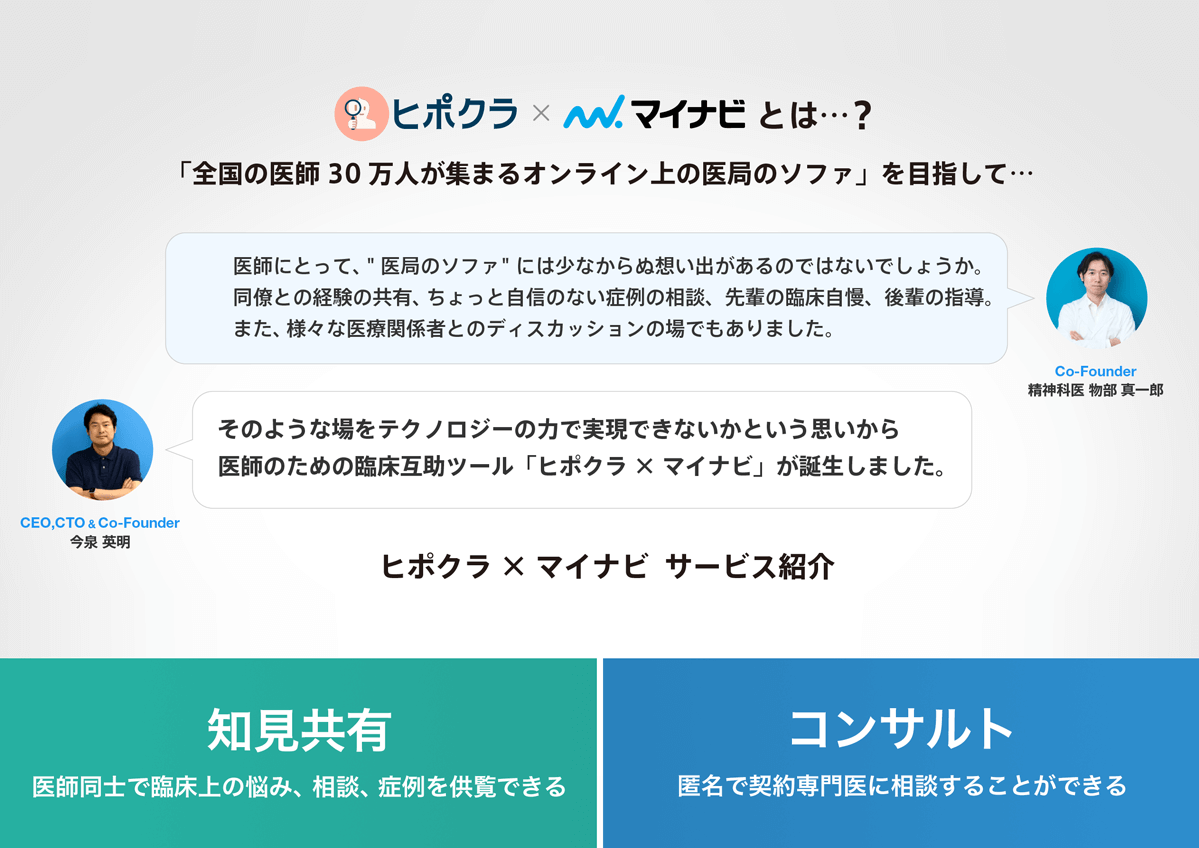
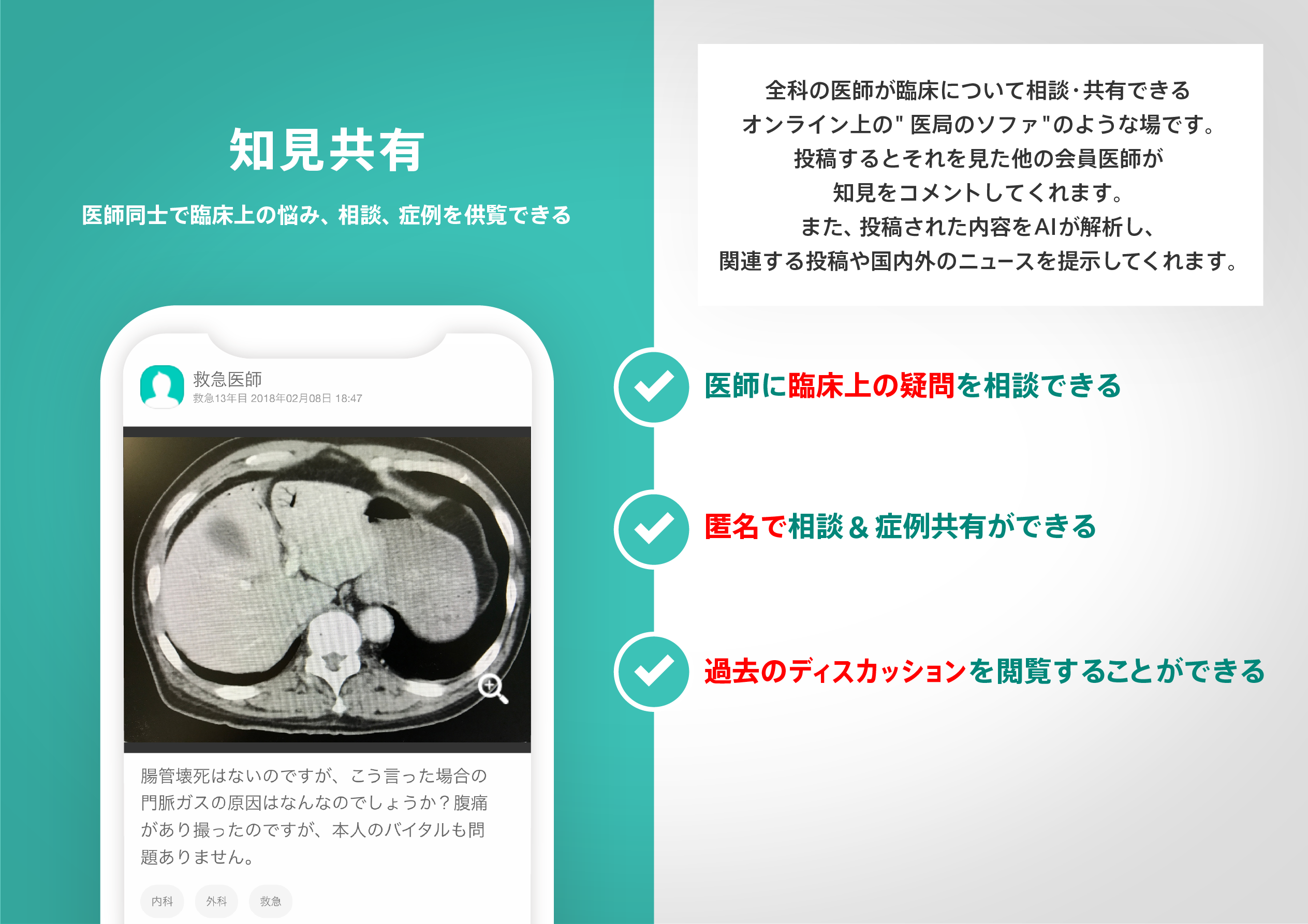
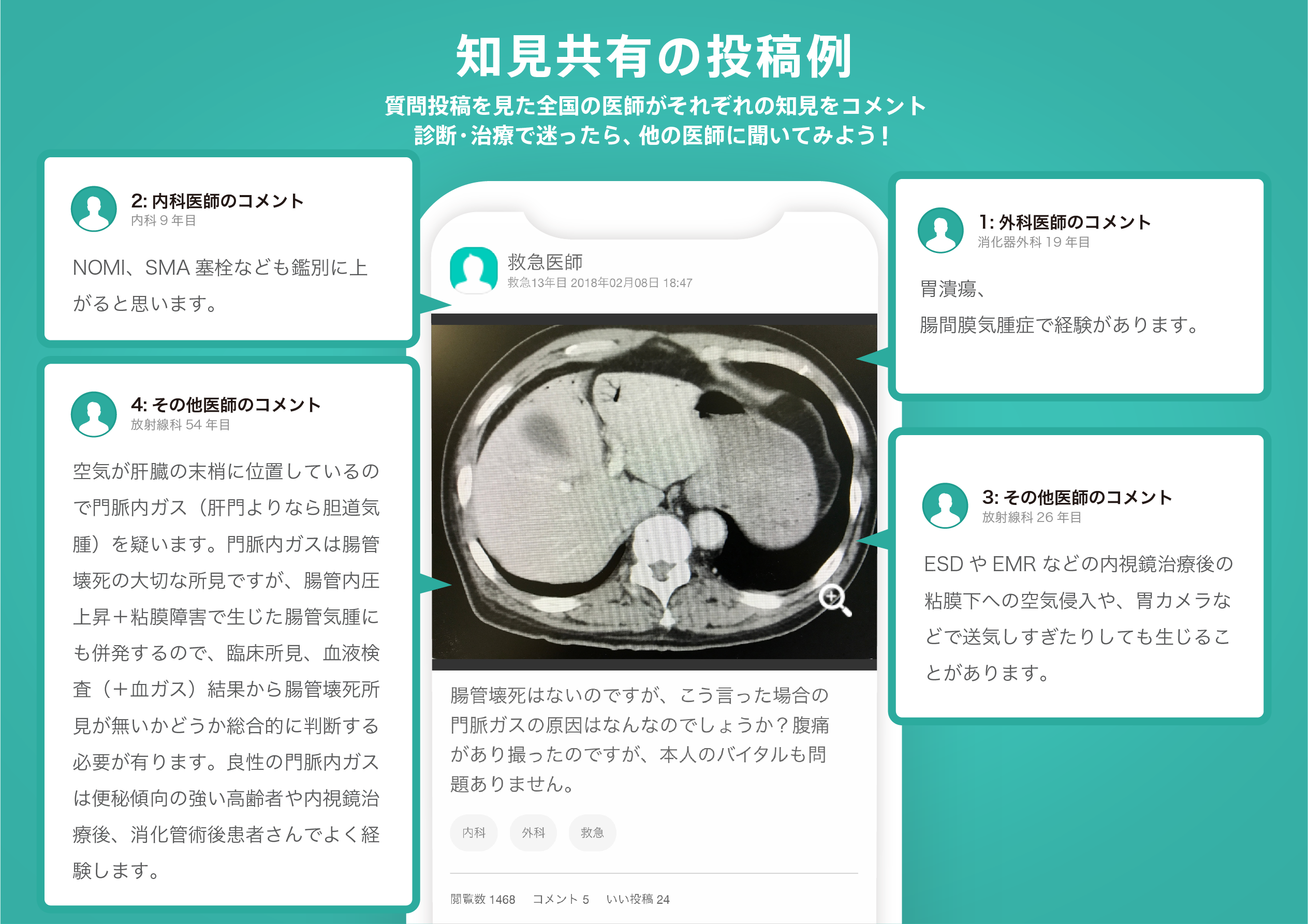
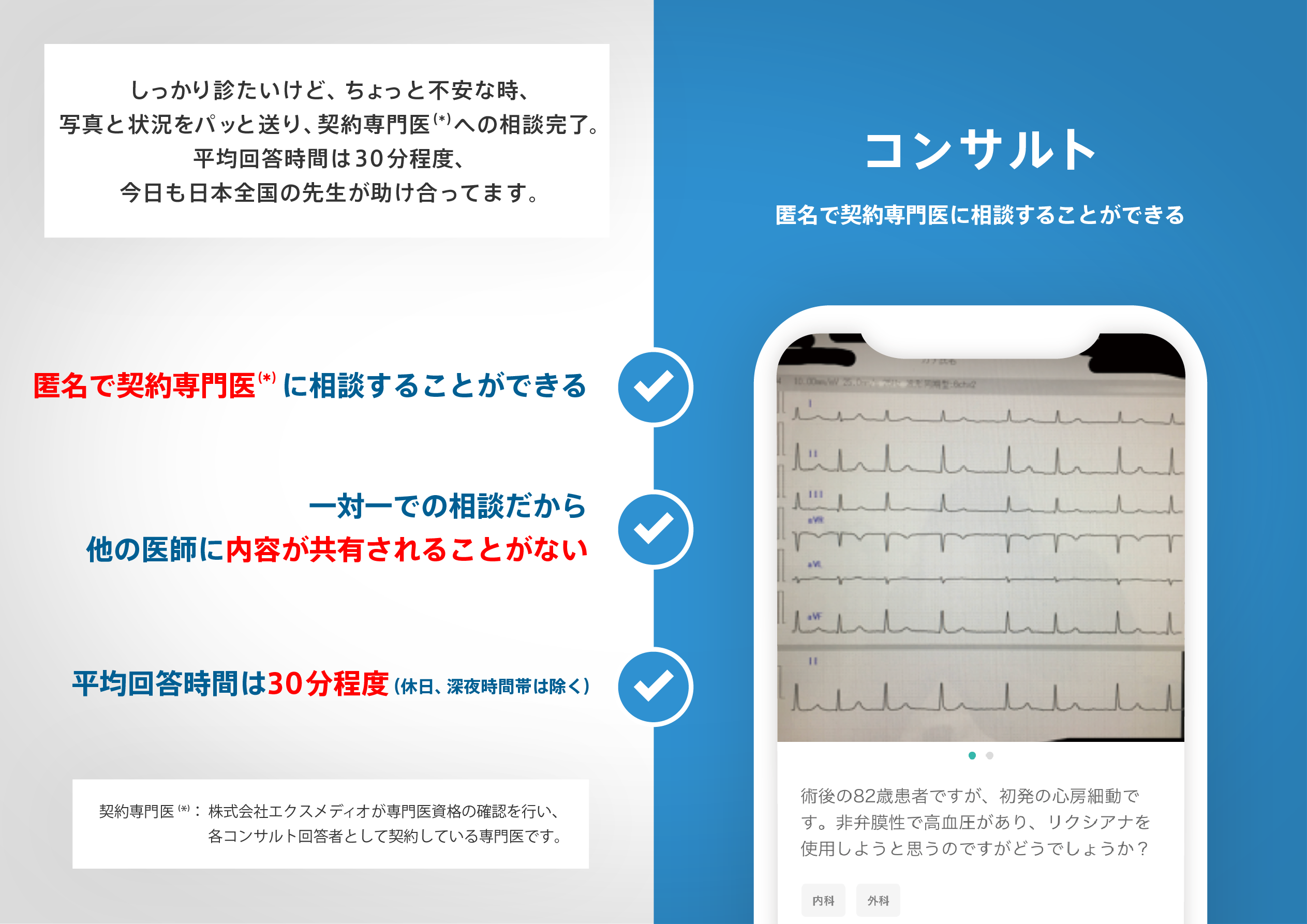
ヒポクラ x マイナビのご紹介

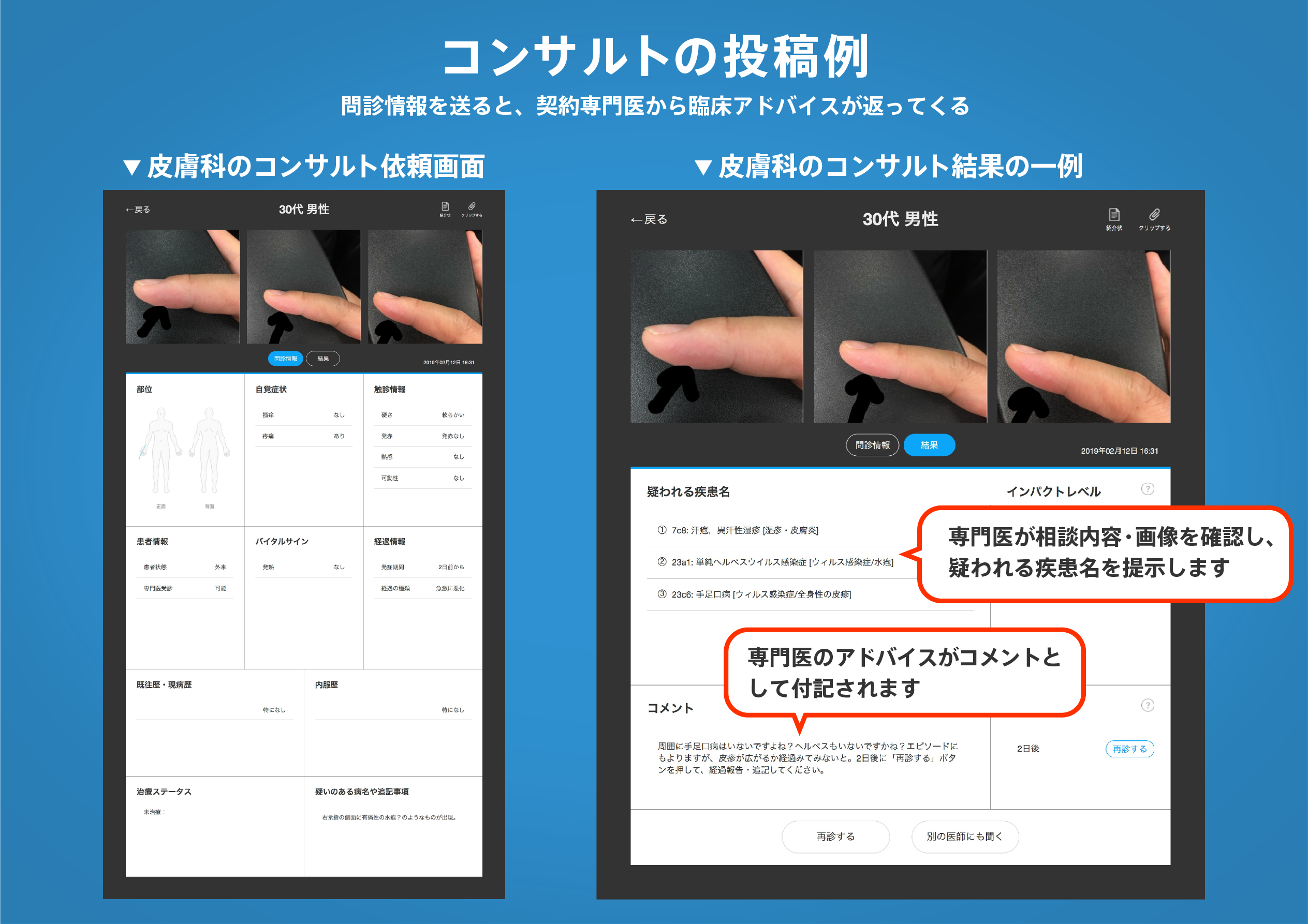
無料会員登録していただくと、さらに便利で効率的な検索が可能になります。