著名医師による解説が無料で読めます
すると翻訳の精度が向上します
ほぼ1世紀にわたり、オランダは、国家規制の社会的健康保険とともに、自発的な民間健康保険の大規模な市場によってマークされていました。この期間を通して、民間保険会社は、拡大する福祉国家内での地位を保護しようとしました。制度的論理の観点から、民間の健康保険会社が、選択的引受と保険料のプレミアム(保険論)を圧迫する競争保険市場の間の緊張を調整しようとした方法を分析し、普遍的なアクセスと社会的公正な保険料(福祉国家の論理)に圧力をかける今後の福祉国家。主要な情報源と現存する歴史学に基づいて、両方のロジック間のバランスが大幅に変化した6つの期間を区別します。競合するロジックを調整するために民間保険会社が採用しているさまざまな戦略を特定します。これらのいくつかは一時的に成功しましたが、無料の起業家精神と消費者の選択のアイデアと互換性がない必要がありました。この市場が効果的に規制され、義務的なクロスサブシディーが効果的に実施されている場合、ユニバーサルアクセスは競争の激しい個人の民間健康保険市場でのみ達成できると結論付けています。オランダの事件は、競争の激しい民間健康保険市場で普遍的なアクセスを達成することは制度的に複雑であり、幅広い政治的および社会的支援が必要であることを示しています。
ほぼ1世紀にわたり、オランダは、国家規制の社会的健康保険とともに、自発的な民間健康保険の大規模な市場によってマークされていました。この期間を通して、民間保険会社は、拡大する福祉国家内での地位を保護しようとしました。制度的論理の観点から、民間の健康保険会社が、選択的引受と保険料のプレミアム(保険論)を圧迫する競争保険市場の間の緊張を調整しようとした方法を分析し、普遍的なアクセスと社会的公正な保険料(福祉国家の論理)に圧力をかける今後の福祉国家。主要な情報源と現存する歴史学に基づいて、両方のロジック間のバランスが大幅に変化した6つの期間を区別します。競合するロジックを調整するために民間保険会社が採用しているさまざまな戦略を特定します。これらのいくつかは一時的に成功しましたが、無料の起業家精神と消費者の選択のアイデアと互換性がない必要がありました。この市場が効果的に規制され、義務的なクロスサブシディーが効果的に実施されている場合、ユニバーサルアクセスは競争の激しい個人の民間健康保険市場でのみ達成できると結論付けています。オランダの事件は、競争の激しい民間健康保険市場で普遍的なアクセスを達成することは制度的に複雑であり、幅広い政治的および社会的支援が必要であることを示しています。
For almost a century, the Netherlands was marked by a large market for voluntary private health insurance alongside state-regulated social health insurance. Throughout this period, private health insurers tried to safeguard their position within an expanding welfare state. From an institutional logics perspective, we analyze how private health insurers tried to reconcile the tension between a competitive insurance market pressuring for selective underwriting and actuarially fair premiums (the insurance logic), and an upcoming welfare state pressuring for universal access and socially fair premiums (the welfare state logic). Based on primary sources and the extant historiography, we distinguish six periods in which the balance between both logics changed significantly. We identify various strategies employed by private insurers to reconcile the competing logics. Some of these were temporarily successful, but required measures that were incompatible with the idea of free entrepreneurship and consumer choice. We conclude that universal access can only be achieved in a competitive individual private health insurance market if this market is effectively regulated and mandatory cross-subsidies are effectively enforced. The Dutch case demonstrates that achieving universal access in a competitive private health insurance market is institutionally complex and requires broad political and societal support.
医師のための臨床サポートサービス
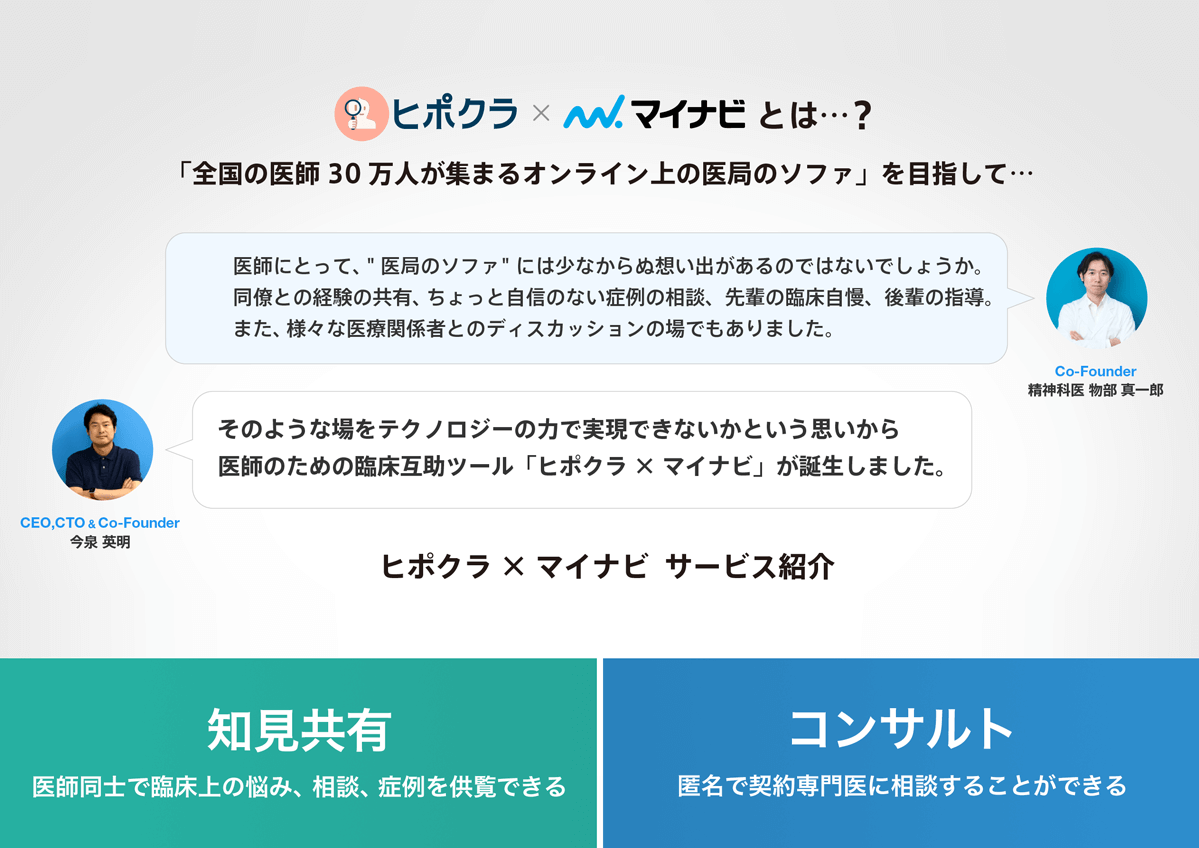
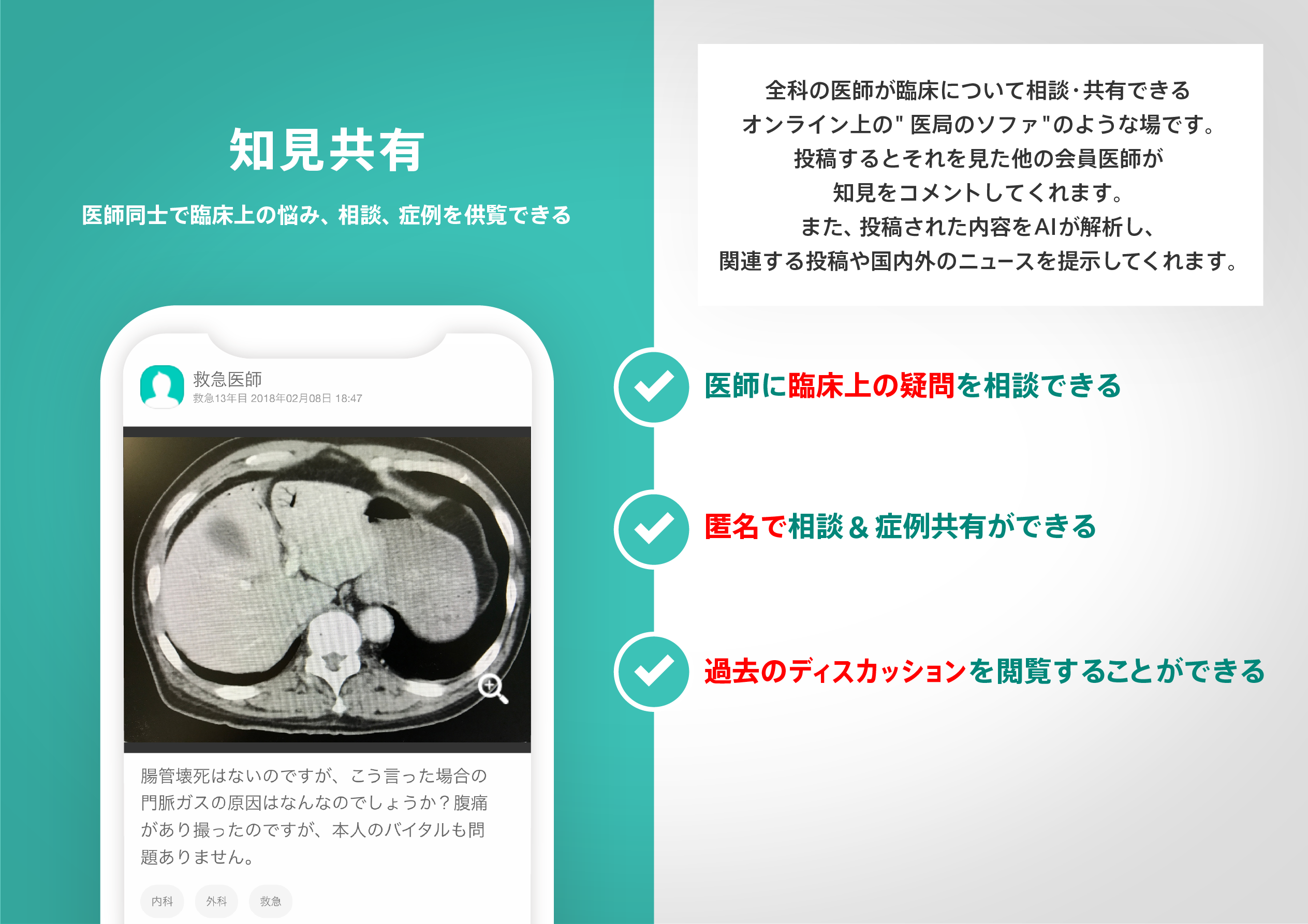
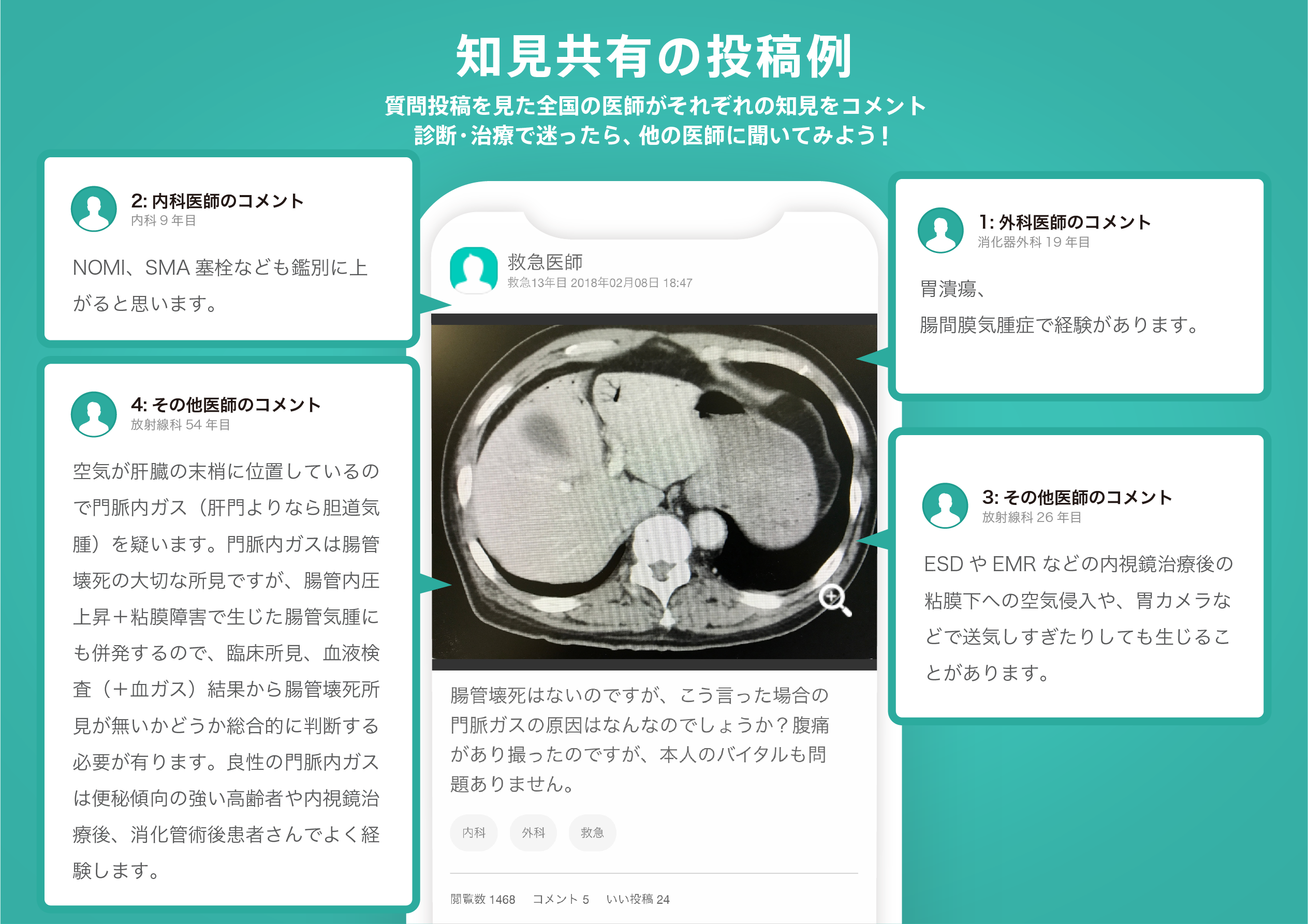
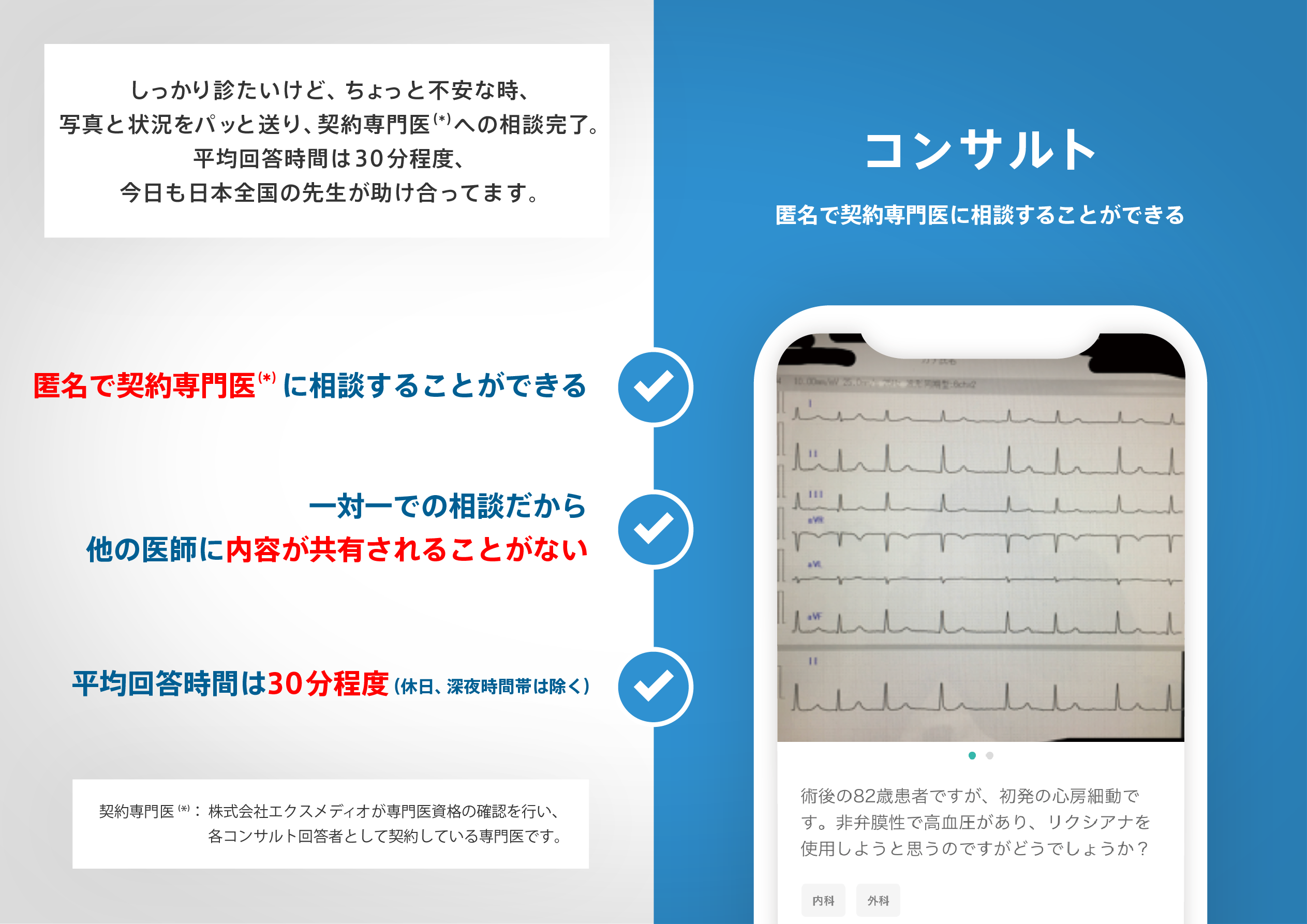
ヒポクラ x マイナビのご紹介

無料会員登録していただくと、さらに便利で効率的な検索が可能になります。