著名医師による解説が無料で読めます
すると翻訳の精度が向上します
耐性の素因が治療不全につながる可能性があるため、現在のブレークポイントによって表現型に影響を受けやすいが、現在のブレークポイントによって表現型的に影響を受けやすい腸球菌分離株分離株分離株分離株分離株は問題があります。シミュレートされた心内膜植生(SEV)の薬物動態/薬力学(PK/PD)モデルを使用して、DAPレジメン(6、8、および10 mg/kgの体重/日)を単剤療法として、およびAmpicillin(AMP)、Ceftarolineと組み合わせて調査しました。(CPT)、またはE. faecium hou503に対するErtapenem(ERT)。これは、臨床分離株(それぞれT120およびW73C)に見られる一般的なliasおよび嘘つきの置換を抱えるDAP感受性株です。興味深いことに、あらゆる用量レジメンでのDAP単独療法の有効性は、接種のサイズに依存していました。〜109 cfu/gの接種物では、6〜8 mg/kg/日のDAP用量は効果的ではなく、耐性誘導体の出現とともに有意な再成長をもたらしました。対照的に、〜107 cfu/gの接種では、細菌数の著しい減少が6 mg/kg/日のDAPで観察され、耐性はありませんでした。接種は、ヒト化されたDAP暴露を使用してラットモデルで確認されました。AMP、CPT、またはERTとのDAPとの組み合わせにより、根絶が強化され、耐性の可能性が低下し、DAP用量の排出が可能になりました。嘘つきの置換の持続は、SEVモデルから回収されたDAP耐性分離株と、E。FAECIUM(HOU668)の最初のDAPに感受性臨床分離株のDAP耐性誘導体で特定されました(HOU668)。血流感染。我々の結果は、DAP単剤療法の使用と、逆のE. faecium感染症のための組み合わせの新しいデータを提供し、人間のこれらのアプローチをテストする方法を開催します。
耐性の素因が治療不全につながる可能性があるため、現在のブレークポイントによって表現型に影響を受けやすいが、現在のブレークポイントによって表現型的に影響を受けやすい腸球菌分離株分離株分離株分離株分離株は問題があります。シミュレートされた心内膜植生(SEV)の薬物動態/薬力学(PK/PD)モデルを使用して、DAPレジメン(6、8、および10 mg/kgの体重/日)を単剤療法として、およびAmpicillin(AMP)、Ceftarolineと組み合わせて調査しました。(CPT)、またはE. faecium hou503に対するErtapenem(ERT)。これは、臨床分離株(それぞれT120およびW73C)に見られる一般的なliasおよび嘘つきの置換を抱えるDAP感受性株です。興味深いことに、あらゆる用量レジメンでのDAP単独療法の有効性は、接種のサイズに依存していました。〜109 cfu/gの接種物では、6〜8 mg/kg/日のDAP用量は効果的ではなく、耐性誘導体の出現とともに有意な再成長をもたらしました。対照的に、〜107 cfu/gの接種では、細菌数の著しい減少が6 mg/kg/日のDAPで観察され、耐性はありませんでした。接種は、ヒト化されたDAP暴露を使用してラットモデルで確認されました。AMP、CPT、またはERTとのDAPとの組み合わせにより、根絶が強化され、耐性の可能性が低下し、DAP用量の排出が可能になりました。嘘つきの置換の持続は、SEVモデルから回収されたDAP耐性分離株と、E。FAECIUM(HOU668)の最初のDAPに感受性臨床分離株のDAP耐性誘導体で特定されました(HOU668)。血流感染。我々の結果は、DAP単剤療法の使用と、逆のE. faecium感染症のための組み合わせの新しいデータを提供し、人間のこれらのアプローチをテストする方法を開催します。
Enterococcus faecium isolates that harbor LiaFSR substitutions but are phenotypically susceptible to daptomycin (DAP) by current breakpoints are problematic, since predisposition to resistance may lead to therapeutic failure. Using a simulated endocardial vegetation (SEV) pharmacokinetic/pharmacodynamic (PK/PD) model, we investigated DAP regimens (6, 8, and 10 mg/kg of body weight/day) as monotherapy and in combination with ampicillin (AMP), ceftaroline (CPT), or ertapenem (ERT) against E. faecium HOU503, a DAP-susceptible strain that harbors common LiaS and LiaR substitutions found in clinical isolates (T120S and W73C, respectively). Of interest, the efficacy of DAP monotherapy, at any dose regimen, was dependent on the size of the inoculum. At an inoculum of ∼109 CFU/g, DAP doses of 6 to 8 mg/kg/day were not effective and led to significant regrowth with emergence of resistant derivatives. In contrast, at an inoculum of ∼107 CFU/g, marked reductions in bacterial counts were observed with DAP at 6 mg/kg/day, with no resistance. The inoculum effect was confirmed in a rat model using humanized DAP exposures. Combinations of DAP with AMP, CPT, or ERT demonstrated enhanced eradication and reduced potential for resistance, allowing de-escalation of the DAP dose. Persistence of the LiaRS substitutions was identified in DAP-resistant isolates recovered from the SEV model and in DAP-resistant derivatives of an initially DAP-susceptible clinical isolate of E. faecium (HOU668) harboring LiaSR substitutions that was recovered from a patient with a recurrent bloodstream infection. Our results provide novel data for the use of DAP monotherapy and combinations for recalcitrant E. faecium infections and pave the way for testing these approaches in humans.
医師のための臨床サポートサービス
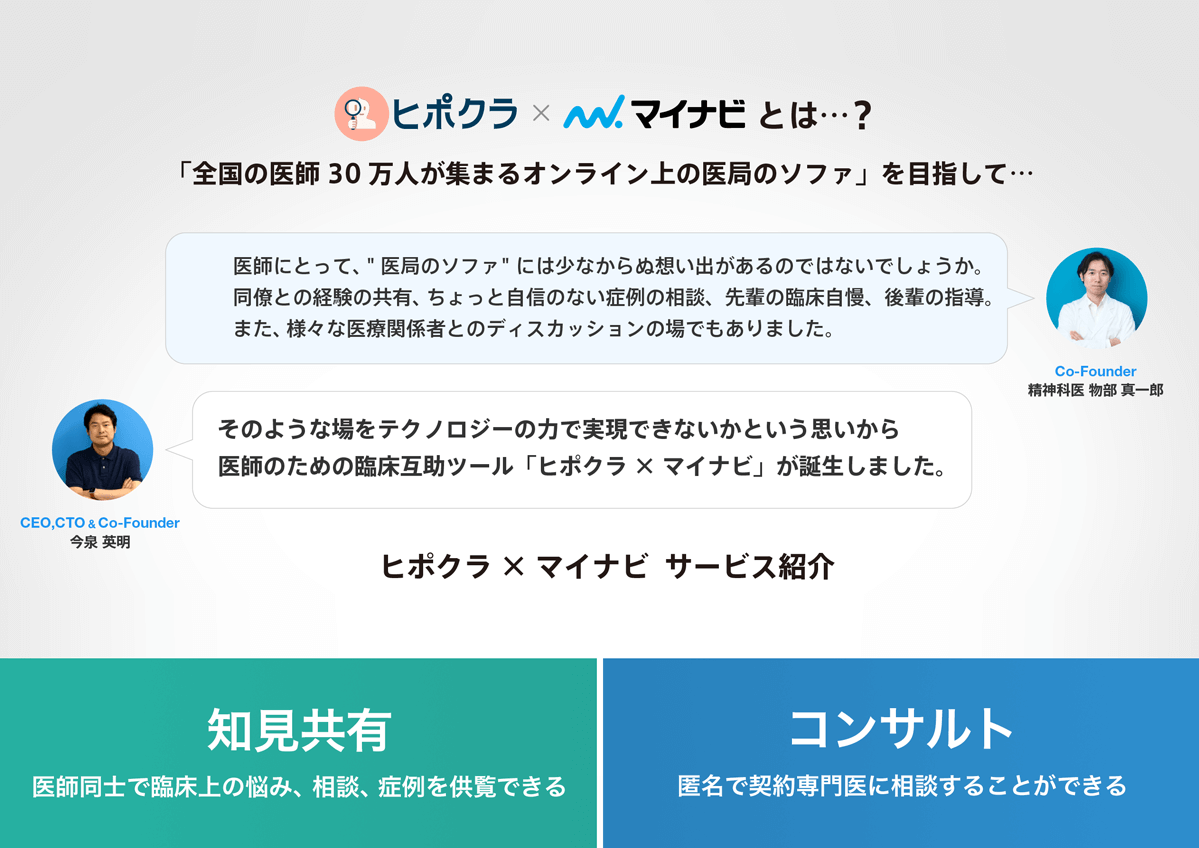
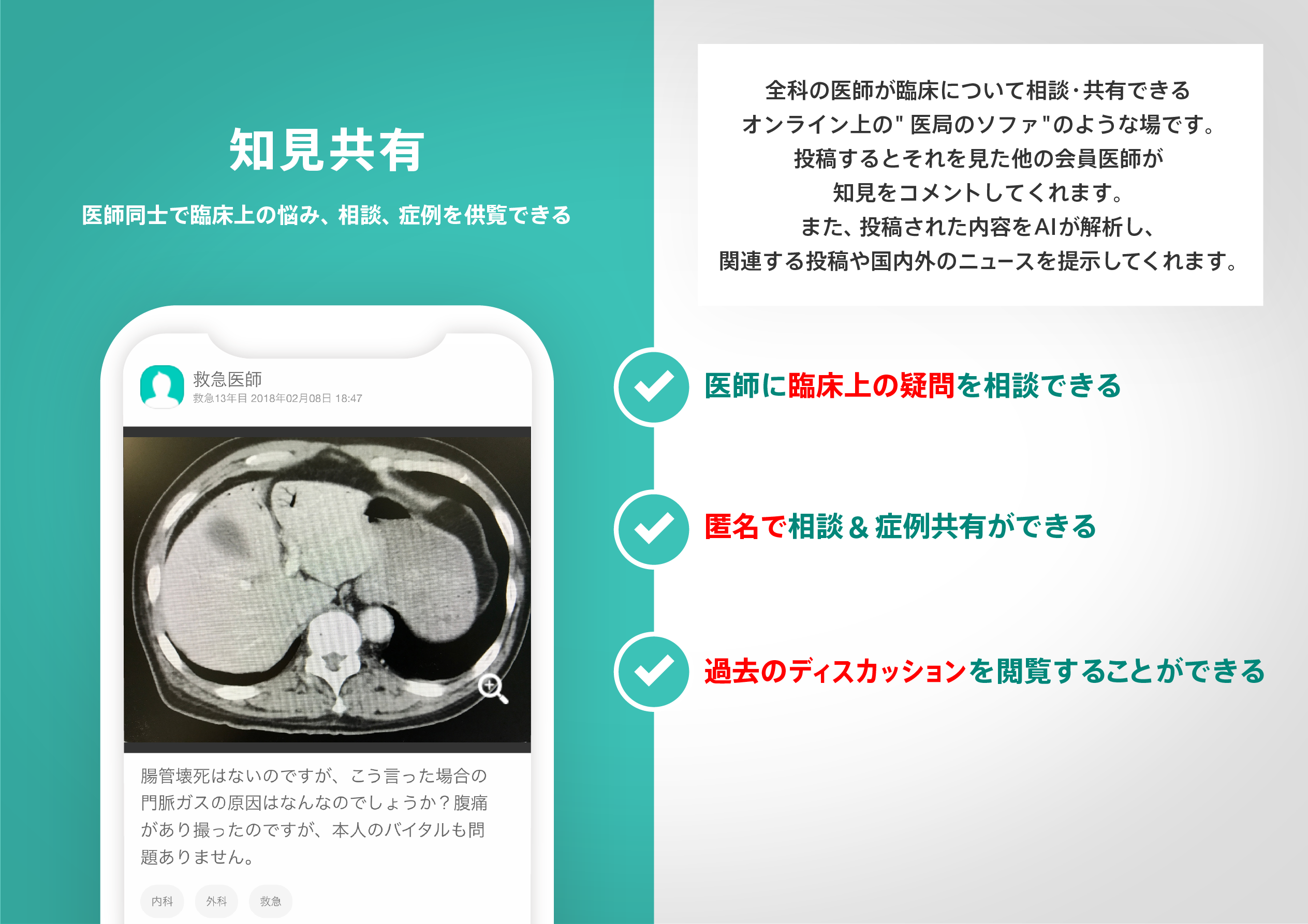
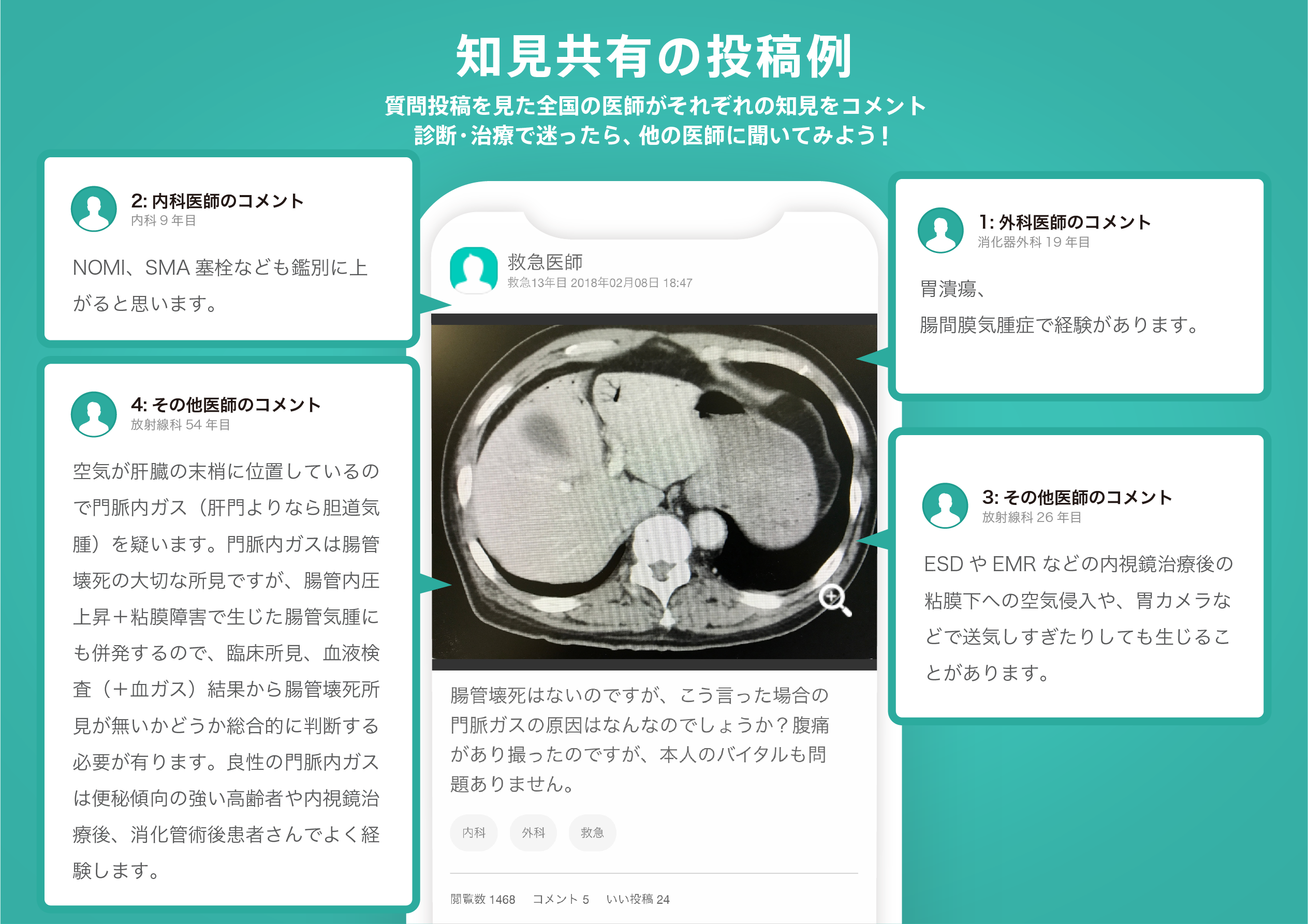
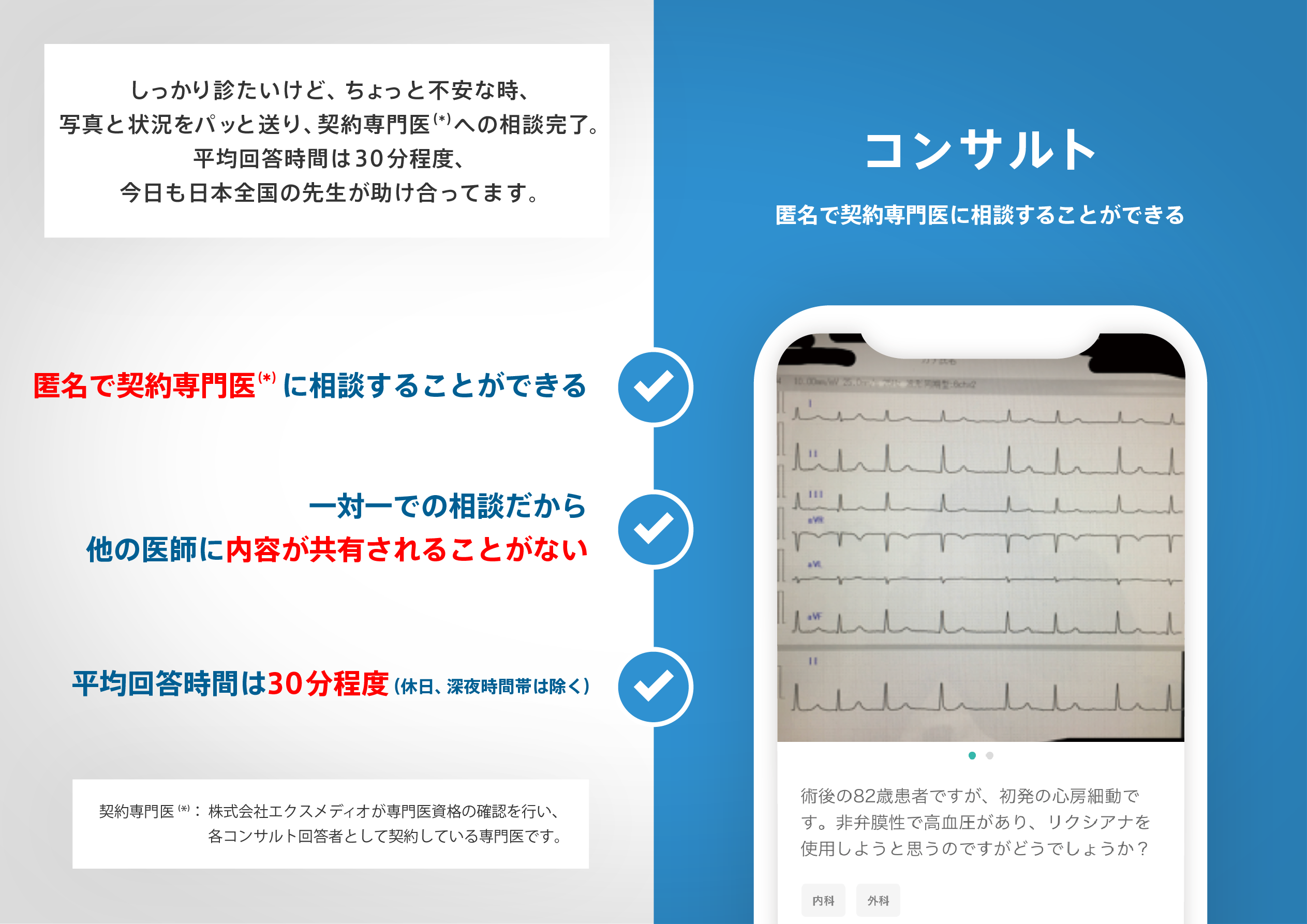
ヒポクラ x マイナビのご紹介

無料会員登録していただくと、さらに便利で効率的な検索が可能になります。