著名医師による解説が無料で読めます
すると翻訳の精度が向上します
小児骨格系の構造、解剖学、および組織学は、成人の形の単なるバージョンではありません。むしろ、それは子供の頃から成人期までの発達を通じて急速な成長と変化を可能にするという点でユニークです。成人と小児の骨格系の違いの大部分は、小児集団の開いた物理学によるものであり、思春期と成人期の骨格成熟前に継続的な成長を可能にします。Physisは、眼、fi骨、脛骨、大腿骨、半径、尺骨、上腕骨など、長い骨の成長プレートです。それは、膜内骨の骨化として知られる軟骨ベースからの骨成長を可能にします。これは、間葉組織または膜内骨化と骨の成長とは異なります。Physisは長い骨の端に向かって位置し、その上の骨端とその下のメタシシスがあります。大腿骨のような長い骨には、長い骨のシャフトである甲状腺症によって分離された2つの物理があります。ただし、Phalangesのような長い骨には、1つの物理的なものしかありません。Physisは4つのゾーンに分割されます。(1)ヒアリン軟骨で構成される保護区または休憩ゾーン。(2)condunae(湖)に並ぶ軟骨細胞で構成されている増殖ゾーン。(3)軟骨細胞が分裂を止めて拡大を開始する肥大のゾーン。(4)石灰化ゾーン。ここでは、鉱物が軟骨を石灰化するために鉱物が毛皮科に堆積されます。石灰化された軟骨は崩壊し、血管浸潤と骨芽細胞/骨砕屑性骨マトリックスの堆積とリモデリングが可能になります。したがって、骨化の前に、小児骨の大部分は軟骨化された軟骨であり、成人の骨化した骨と比較すると非常に準拠しています。コンプライアンスの増加により、小児骨は、成体の骨の骨折を引き起こすストレス下で、屈折および曲げ怪我をより多く抱き、曲げている傾向があります。さらに、小児腹膜はより活発で、より厚く、より強く、子どもの中でより強く、開いた骨折と骨折の変位の可能性を大幅に減らします。小児骨骨のこれらおよびその他の品質、および小児骨のコンプライアンスの増加は、小児患者に見られるユニークな骨折パターンの原因です。これらの骨折パターンには、緑の裂け目、トーラス、スパイラル怪我が含まれます。これらは、全厚さの皮質の休憩ではなく怪我を曲げています。グリーン虫剤の骨折は、骨の片側で中断されている間、皮質と骨骨のみが中断される部分的な厚さの骨折です。
小児骨格系の構造、解剖学、および組織学は、成人の形の単なるバージョンではありません。むしろ、それは子供の頃から成人期までの発達を通じて急速な成長と変化を可能にするという点でユニークです。成人と小児の骨格系の違いの大部分は、小児集団の開いた物理学によるものであり、思春期と成人期の骨格成熟前に継続的な成長を可能にします。Physisは、眼、fi骨、脛骨、大腿骨、半径、尺骨、上腕骨など、長い骨の成長プレートです。それは、膜内骨の骨化として知られる軟骨ベースからの骨成長を可能にします。これは、間葉組織または膜内骨化と骨の成長とは異なります。Physisは長い骨の端に向かって位置し、その上の骨端とその下のメタシシスがあります。大腿骨のような長い骨には、長い骨のシャフトである甲状腺症によって分離された2つの物理があります。ただし、Phalangesのような長い骨には、1つの物理的なものしかありません。Physisは4つのゾーンに分割されます。(1)ヒアリン軟骨で構成される保護区または休憩ゾーン。(2)condunae(湖)に並ぶ軟骨細胞で構成されている増殖ゾーン。(3)軟骨細胞が分裂を止めて拡大を開始する肥大のゾーン。(4)石灰化ゾーン。ここでは、鉱物が軟骨を石灰化するために鉱物が毛皮科に堆積されます。石灰化された軟骨は崩壊し、血管浸潤と骨芽細胞/骨砕屑性骨マトリックスの堆積とリモデリングが可能になります。したがって、骨化の前に、小児骨の大部分は軟骨化された軟骨であり、成人の骨化した骨と比較すると非常に準拠しています。コンプライアンスの増加により、小児骨は、成体の骨の骨折を引き起こすストレス下で、屈折および曲げ怪我をより多く抱き、曲げている傾向があります。さらに、小児腹膜はより活発で、より厚く、より強く、子どもの中でより強く、開いた骨折と骨折の変位の可能性を大幅に減らします。小児骨骨のこれらおよびその他の品質、および小児骨のコンプライアンスの増加は、小児患者に見られるユニークな骨折パターンの原因です。これらの骨折パターンには、緑の裂け目、トーラス、スパイラル怪我が含まれます。これらは、全厚さの皮質の休憩ではなく怪我を曲げています。グリーン虫剤の骨折は、骨の片側で中断されている間、皮質と骨骨のみが中断される部分的な厚さの骨折です。
The makeup, anatomy, and histology of the pediatric skeletal system is not just a smaller version of the adult form; rather, it is unique in that it allows for rapid growth and change throughout development from childhood to adulthood. The majority of differences between adult and pediatric skeletal systems are due to the open physis in the pediatric population, which allows for continued growth prior to skeletal maturation during puberty and adulthood. The physis is the growth plate in long bones, including phalanges, fibula, tibia, femur, radius, ulna, and humerus. It allows for bone growth from a cartilage base, known as endochondral ossification, which differs from bone growth from mesenchymal tissue or intramembranous ossification. The physis is located towards the end of the long bone, with the epiphysis above it and the metaphysis below it. Long bones like the femur have 2 physes separated by a diaphysis, which is the shaft of a long bone. However, long bones like the phalanges have only one physis. The physis is split into 4 zones: (1) the reserve or resting zone, which is made up of hyaline cartilage; (2) the zone of proliferation, which is made up of multiplying chondrocytes that arrange into lacunae (lakes); (3) the zone of hypertrophy, where the chondrocytes stop dividing and start enlarging; and (4) the zone of calcification, where minerals are deposited into the lacunae to calcify the cartilage. The calcified cartilage breaks down, allowing for vascular invasion and osteoblastic/osteoclastic bone matrix deposition and remodeling. Therefore, prior to ossification, the majority of pediatric bone is just calcified cartilage, which is very compliant when compared to the ossified bones of adults. Due to their increased compliance, pediatric bones tend to have more bowing and bending injuries under stress that would cause a fracture in an adult bone. Furthermore, the pediatric periosteum is more active, thicker, and stronger in children, which greatly decreases the chance of open fractures and fracture displacement. These and other qualities of the pediatric periosteum, as well as the increased compliance of the pediatric bone, are responsible for the unique fracture patterns seen in pediatric patients. These fracture patterns include greenstick, torus, and spiral injuries, which are bending injuries rather than full-thickness cortical breaks. A greenstick fracture is a partial thickness fracture where only the cortex and periosteum are interrupted on one side of the bone while they remain uninterrupted on the other side.
医師のための臨床サポートサービス
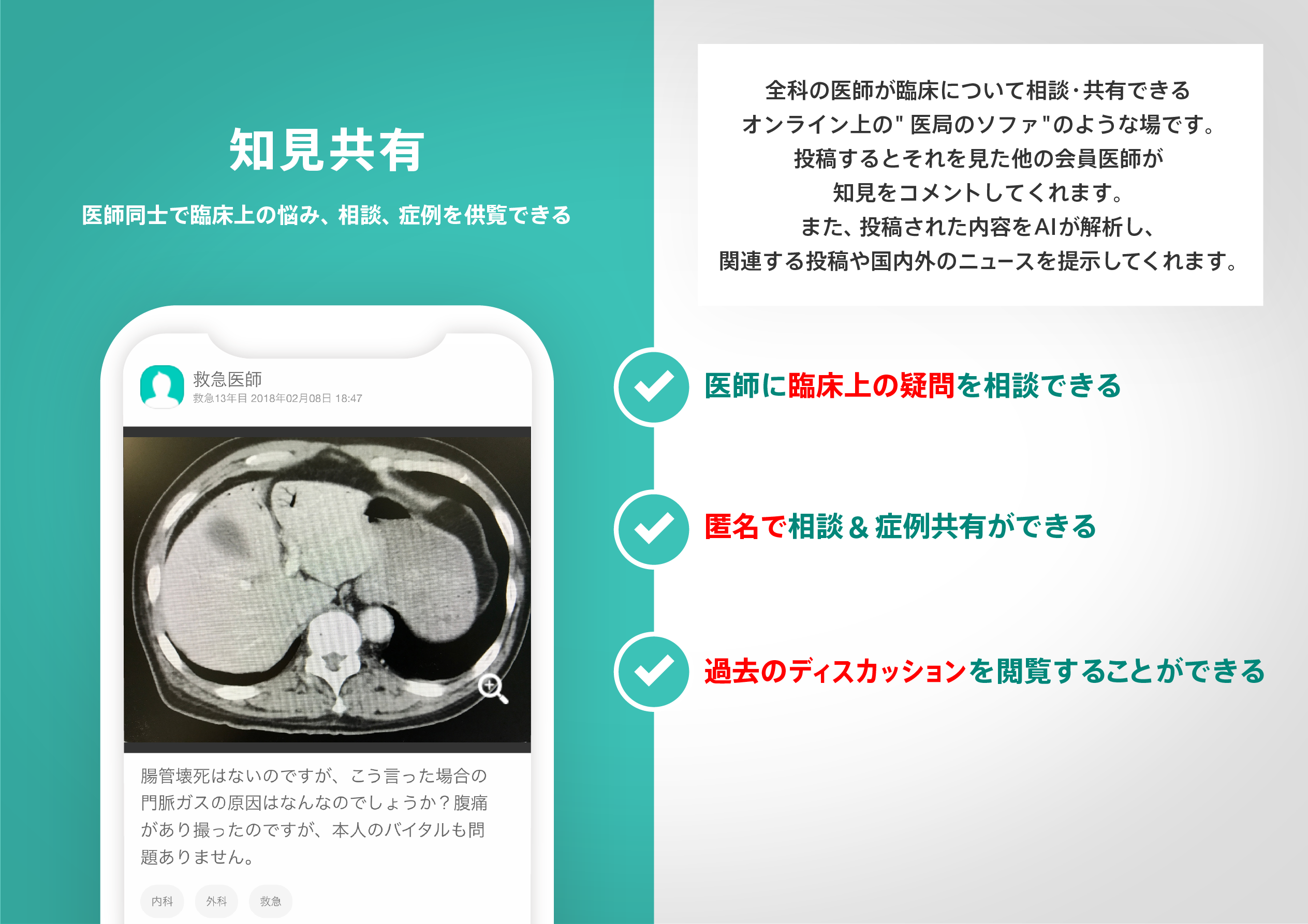
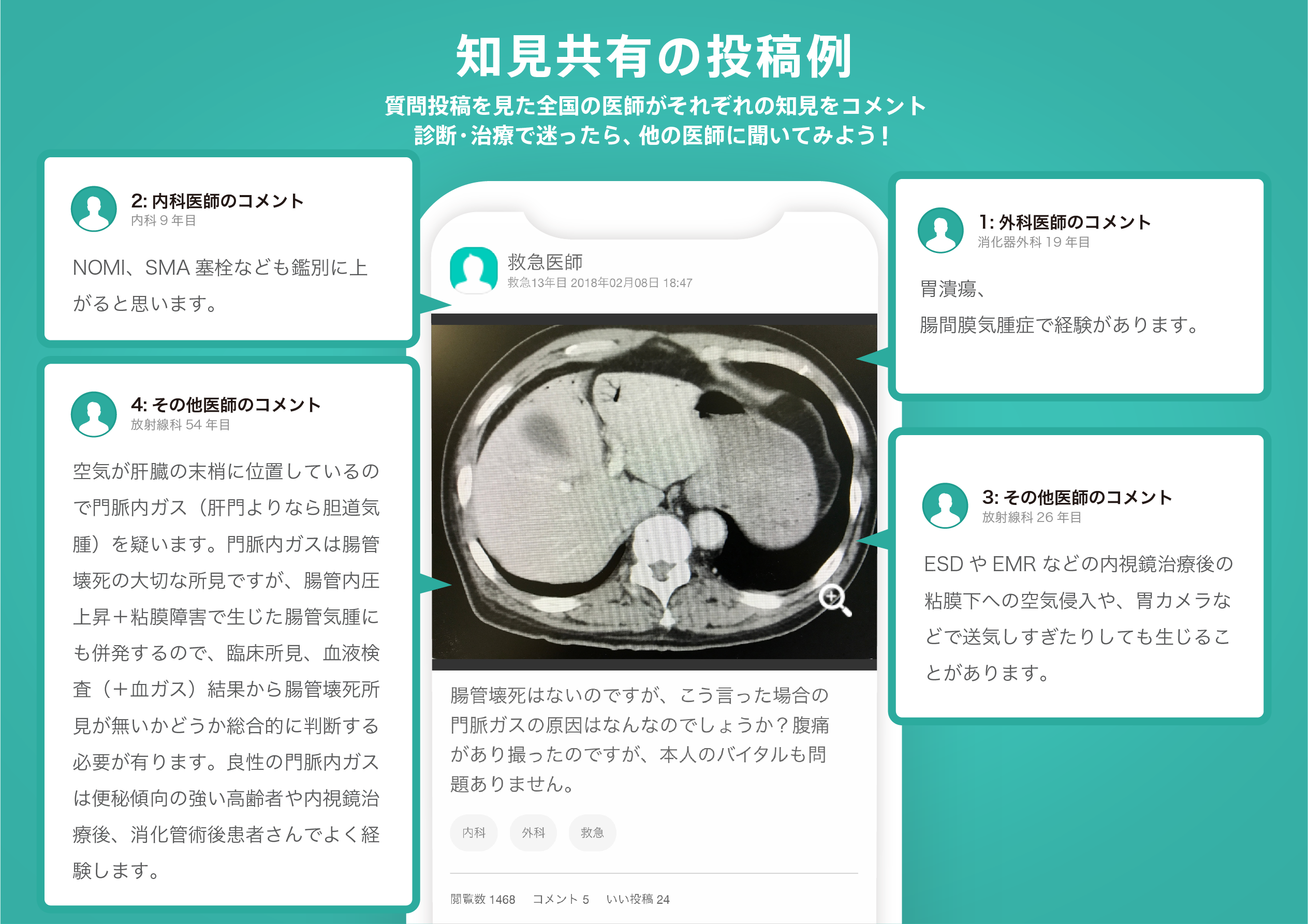
ヒポクラ x マイナビのご紹介
無料会員登録していただくと、さらに便利で効率的な検索が可能になります。