著名医師による解説が無料で読めます
すると翻訳の精度が向上します
目的:主な研究の目的は、理学療法士が低い腰痛(LBP)の主要な苦情を抱える個人の股関節を調べているかどうかを調査することでした。 方法:匿名の電子調査は、アメリカ理学療法協会の整形外科およびスポーツセクションのメンバーシップ、およびアメリカ整形外科のマニュアル理学療法士のメンバーシップに配布されました。参加者の人口統計と調査回答は、記述統計を使用して分析されました。変数間の関連は、カイ二乗分析を使用して調べられました。 結果:推定回答率は18.4%でした(n = 1163、平均年齢40.5±11.4歳)。回答者の大半(91%、n = 1059)は、LBPの個人の股関節を常にまたはほとんどの時間検査したと報告しました。使用されている最も一般的な検査項目は、股関節強度テスト(94%、n = 948)、可動域(91%、n = 921)、および筋肉の柔軟性テスト(90%、n = 906)でした。最も一般的な介入には、股関節強化(94%、n = 866)および股関節の柔軟性エクササイズ(90%、n = 814)が含まれます。ポストプロフェッショナルフェローシップに登録または完了した回答者は、股関節マニュアル療法技術(x2 = 25.3、p = <0.001)を利用する可能性が高く、股関節の柔軟性エクササイズ(x2 = 7.9、p = 0.005)を処方するか、電気物理モダリティ(x2 = 4.3、p = 0.039)を使用する可能性が低くなりました。 結論:理学療法士は一般に、LBPの個人の股関節に向けられた介入を調べて提供します。プロフェッショナルフェローシップ後のトレーニングは、理学療法士の介入選択に影響を与えているようであり、股関節マニュアル療法の使用の増加と股関節筋の柔軟性とモダリティの使用の減少があります。
目的:主な研究の目的は、理学療法士が低い腰痛(LBP)の主要な苦情を抱える個人の股関節を調べているかどうかを調査することでした。 方法:匿名の電子調査は、アメリカ理学療法協会の整形外科およびスポーツセクションのメンバーシップ、およびアメリカ整形外科のマニュアル理学療法士のメンバーシップに配布されました。参加者の人口統計と調査回答は、記述統計を使用して分析されました。変数間の関連は、カイ二乗分析を使用して調べられました。 結果:推定回答率は18.4%でした(n = 1163、平均年齢40.5±11.4歳)。回答者の大半(91%、n = 1059)は、LBPの個人の股関節を常にまたはほとんどの時間検査したと報告しました。使用されている最も一般的な検査項目は、股関節強度テスト(94%、n = 948)、可動域(91%、n = 921)、および筋肉の柔軟性テスト(90%、n = 906)でした。最も一般的な介入には、股関節強化(94%、n = 866)および股関節の柔軟性エクササイズ(90%、n = 814)が含まれます。ポストプロフェッショナルフェローシップに登録または完了した回答者は、股関節マニュアル療法技術(x2 = 25.3、p = <0.001)を利用する可能性が高く、股関節の柔軟性エクササイズ(x2 = 7.9、p = 0.005)を処方するか、電気物理モダリティ(x2 = 4.3、p = 0.039)を使用する可能性が低くなりました。 結論:理学療法士は一般に、LBPの個人の股関節に向けられた介入を調べて提供します。プロフェッショナルフェローシップ後のトレーニングは、理学療法士の介入選択に影響を与えているようであり、股関節マニュアル療法の使用の増加と股関節筋の柔軟性とモダリティの使用の減少があります。
OBJECTIVES: The main research aims were to investigate whether physical therapists are examining the hip(s) in individuals with a primary complaint of low back pain (LBP) and if so, the interventions being provided that target the hip(s). METHODS: An anonymous electronic survey was distributed to the membership of the American Physical Therapy Association Orthopaedic and Sports Sections, as well as that of the American Academy of Orthopaedic Manual Physical Therapists. Participant demographics and survey responses were analyzed using descriptive statistics. Associations between variables were examined using chi-square analysis. RESULTS: The estimated response rate was 18.4% (n=1163, mean age 40.5±11.4 years). The majority of respondents (91%, n=1059) reported they always or most of the time examined the hip(s) in individuals with LBP. The most common examination items utilized were hip strength testing (94%, n=948), passive range of motion (91%, n=921) and muscle flexibility testing (90%, n=906). The most common interventions included hip strengthening (94%, n=866) and hip flexibility exercises (90%, n=814). Respondents enrolled in or having completed a post-professional fellowship were more likely to utilize hip joint manual therapy techniques (x2=25.3, p=<0.001) and less likely to prescribe hip flexibility exercises (x2=7.9, p=0.005) or use electrophysical modalities (x2=4.3, p=0.039). CONCLUSIONS: Physical therapists commonly examine and provide interventions directed at the hip(s) for individuals with LBP. Post-professional fellowship training appears to influence the intervention selection of the physical therapist, with an increase in usage of hip joint manual therapy and a decrease in hip muscle flexibility and modality usage.
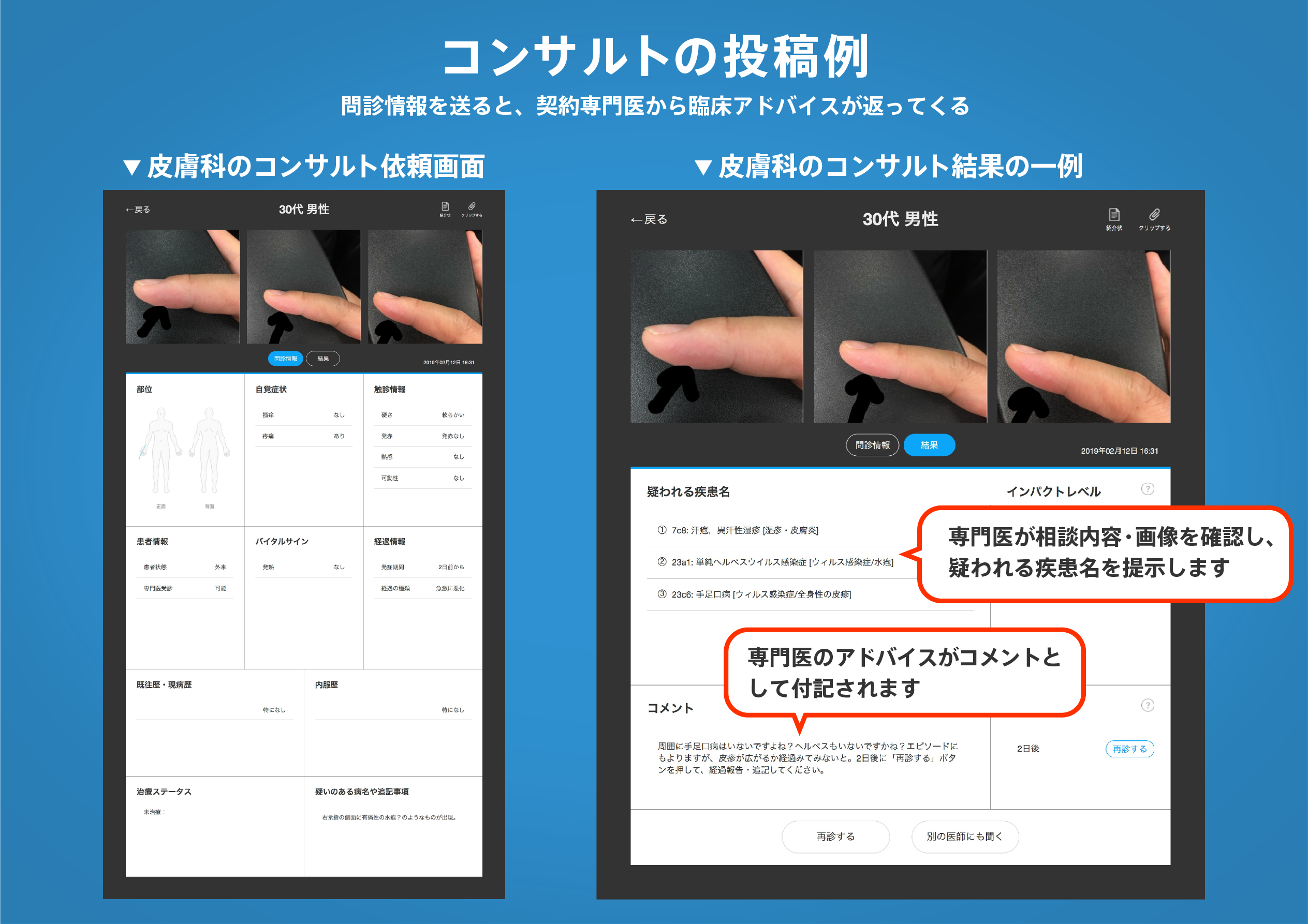
医師のための臨床サポートサービス
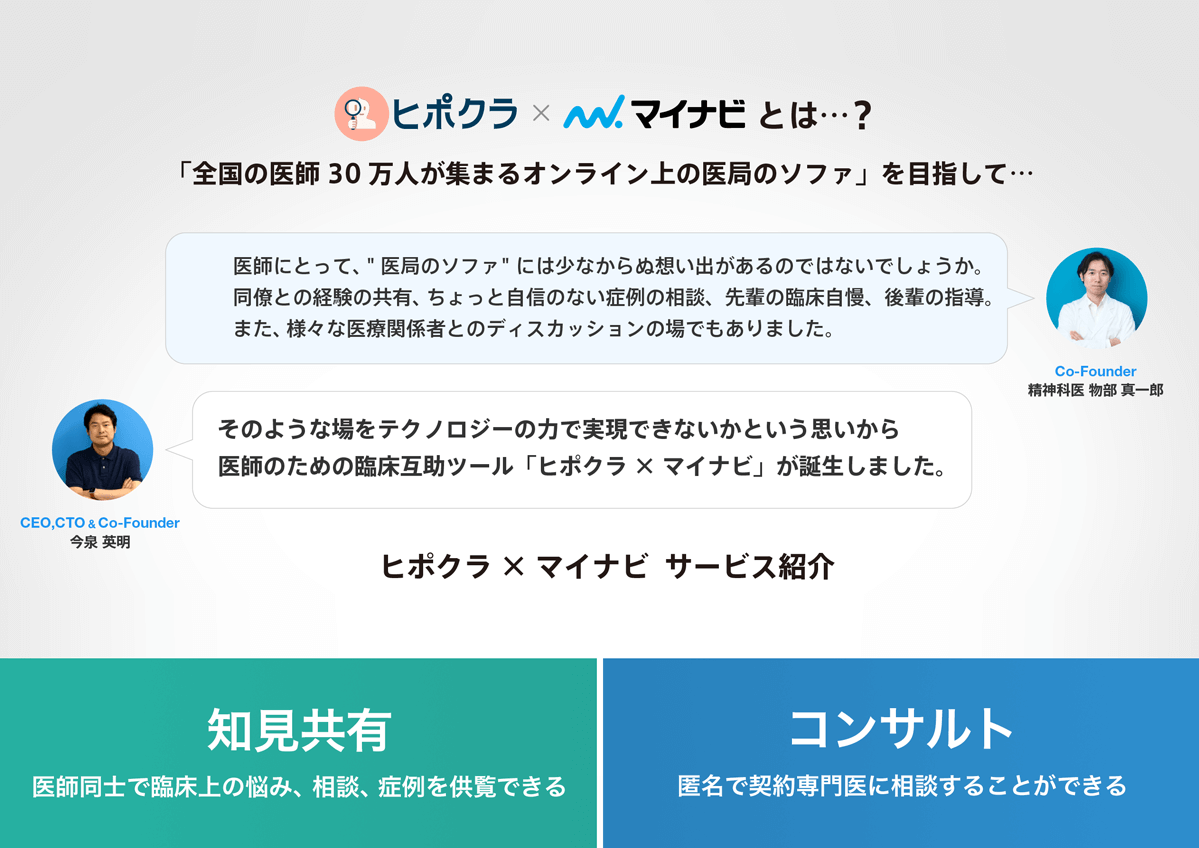
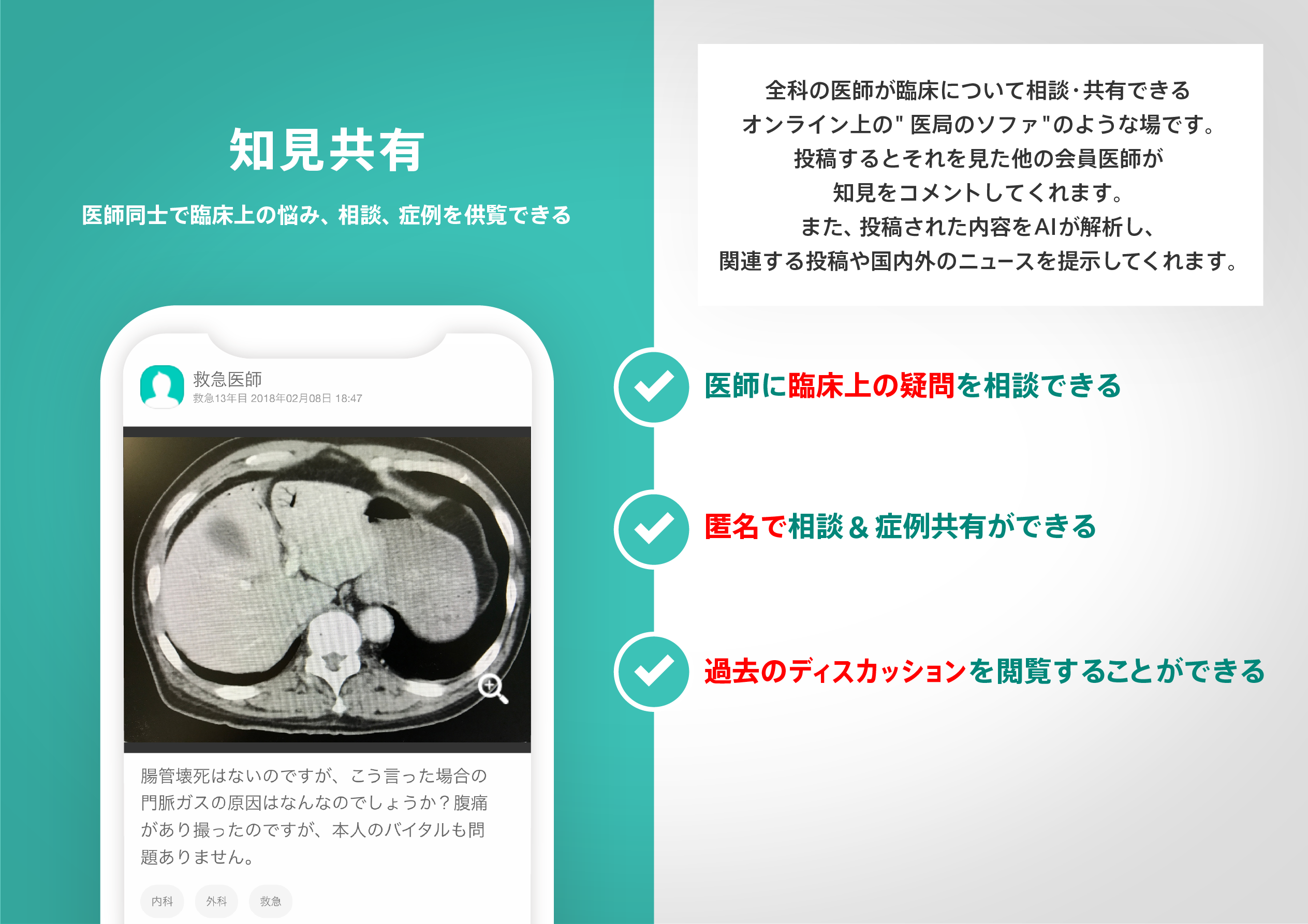
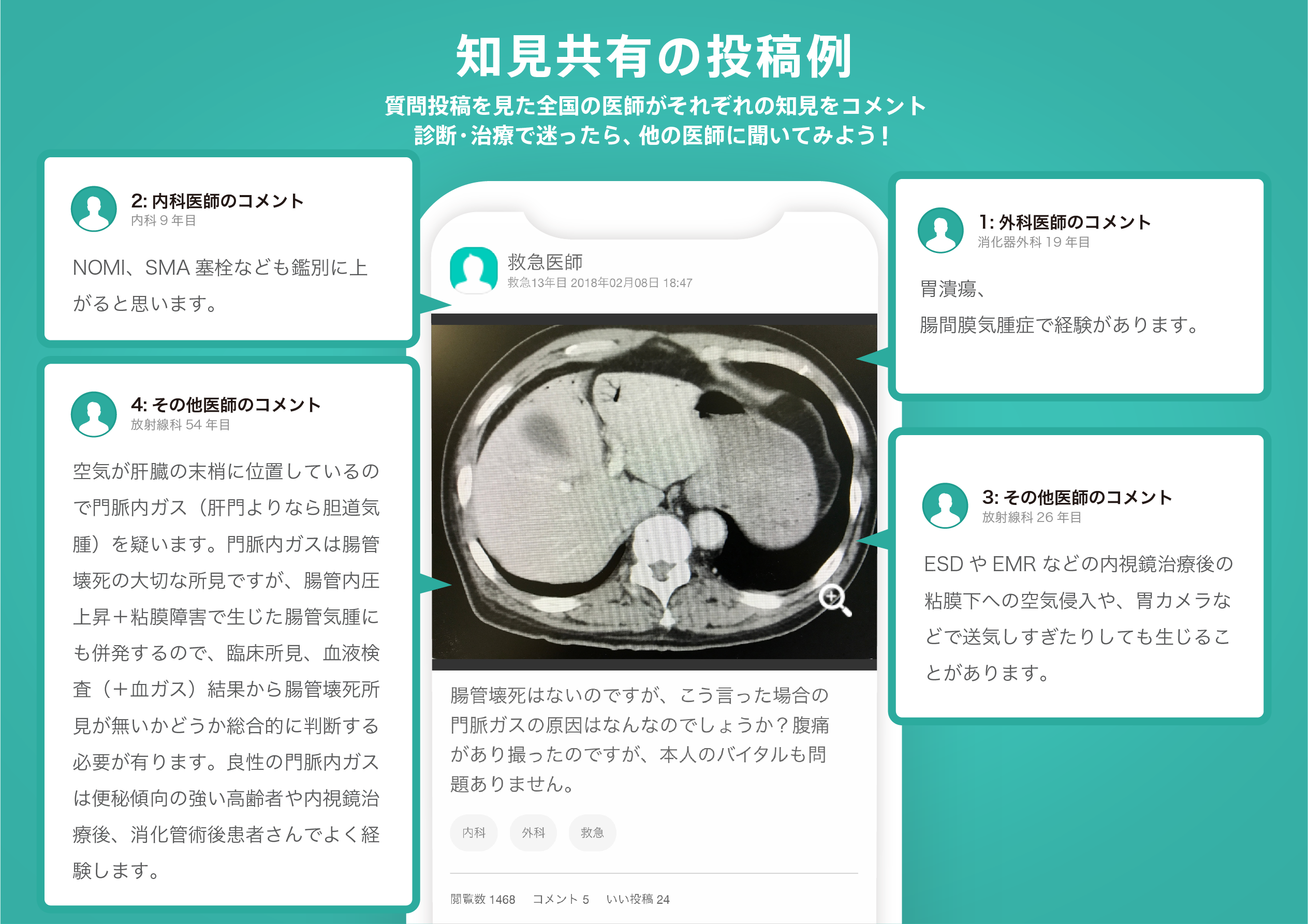
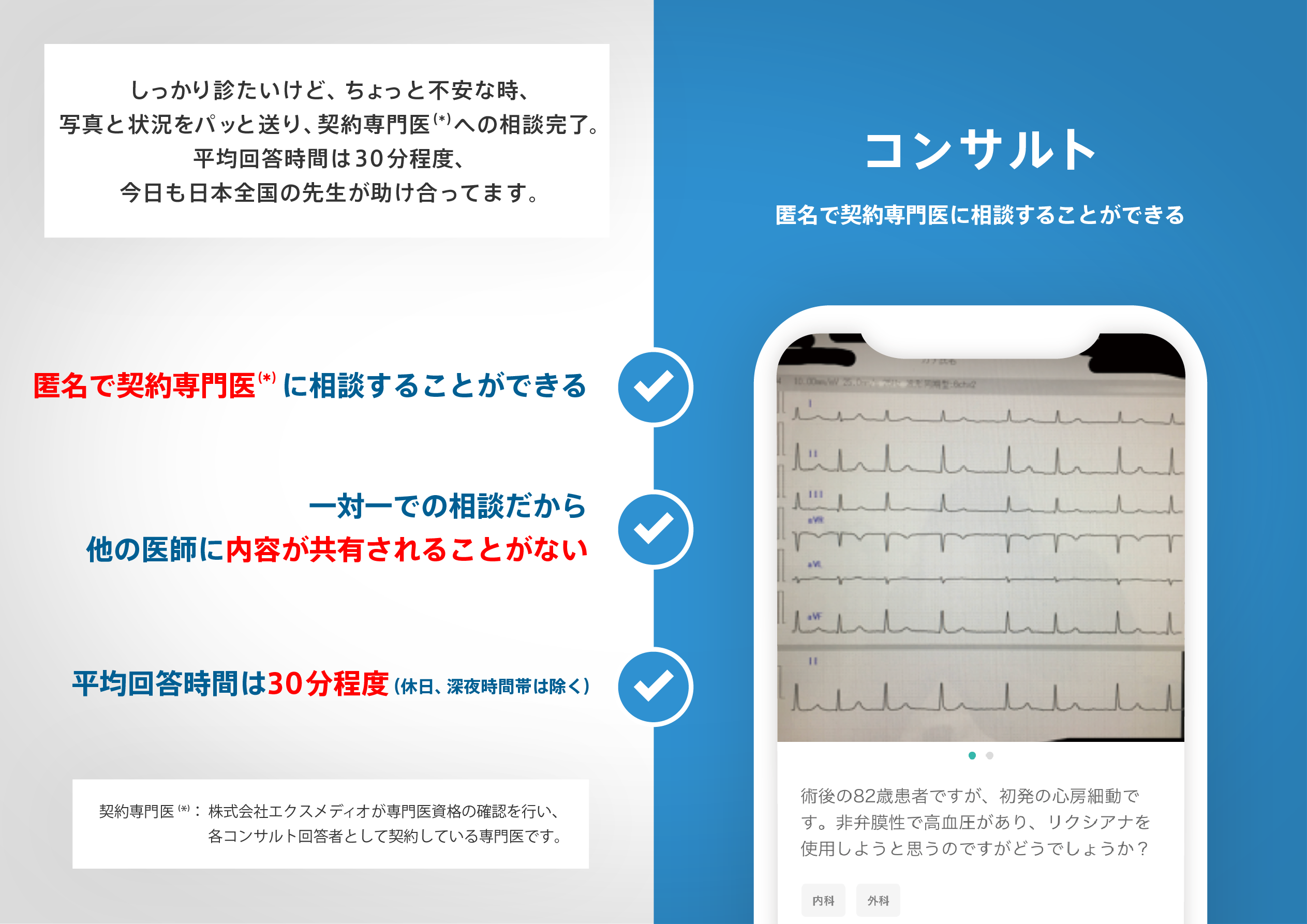
ヒポクラ x マイナビのご紹介

無料会員登録していただくと、さらに便利で効率的な検索が可能になります。