著名医師による解説が無料で読めます
すると翻訳の精度が向上します
背景:非言語的コミュニケーション行動における顔の表現力の低下(フラットな影響)と赤字は、自閉症スペクトラム障害(ASD)の特徴的な症状です。顔の感情的反応性の重要な対人機能に基づいて、本研究は、他の人の自然主義的で動的な感情表現に応じて、知覚可能な顔の行動の包括的かつ差別化された分析を目的としています。 方法:高ファンティング自閉症スペクトラム障害(HF-ASD)を持つ思春期および成人21人のグループで、21人の健康なコントロールで、顔面アクションコーディングシステム(FACS)の全範囲のアクション単位を使用して、知覚可能な顔の反応を調べました。参加者は、4つの普遍的な感情(陽気さ、怒り、悲しみ、不安)の継続的で動的な現実の表情を示す映画を見ていました。80年代の映画の期間は、カジュアルな対面相互作用の典型的な範囲にありました。 結果:全体として、感情を抱えた刺激フィルムを見ながら一致する顔の筋肉の動きの数は、2つのグループで違いはありませんでした。しかし、包括的なFACS分析は、HF-ASDの参加者が監視されている感情表現に対する差別化された顔の反応を示していることを示しました。 結論:ASDにおける顔の感情的反応の異常または厄介なパターンは、他の人々の感情の認識と、相互作用パートナーの対人共鳴感を妨げ、それによってASDの個人の社会的不利益につながる可能性があります。
背景:非言語的コミュニケーション行動における顔の表現力の低下(フラットな影響)と赤字は、自閉症スペクトラム障害(ASD)の特徴的な症状です。顔の感情的反応性の重要な対人機能に基づいて、本研究は、他の人の自然主義的で動的な感情表現に応じて、知覚可能な顔の行動の包括的かつ差別化された分析を目的としています。 方法:高ファンティング自閉症スペクトラム障害(HF-ASD)を持つ思春期および成人21人のグループで、21人の健康なコントロールで、顔面アクションコーディングシステム(FACS)の全範囲のアクション単位を使用して、知覚可能な顔の反応を調べました。参加者は、4つの普遍的な感情(陽気さ、怒り、悲しみ、不安)の継続的で動的な現実の表情を示す映画を見ていました。80年代の映画の期間は、カジュアルな対面相互作用の典型的な範囲にありました。 結果:全体として、感情を抱えた刺激フィルムを見ながら一致する顔の筋肉の動きの数は、2つのグループで違いはありませんでした。しかし、包括的なFACS分析は、HF-ASDの参加者が監視されている感情表現に対する差別化された顔の反応を示していることを示しました。 結論:ASDにおける顔の感情的反応の異常または厄介なパターンは、他の人々の感情の認識と、相互作用パートナーの対人共鳴感を妨げ、それによってASDの個人の社会的不利益につながる可能性があります。
BACKGROUND: Reduced facial expressivity (flat affect) and deficits in nonverbal communicative behaviors are characteristic symptoms of autism spectrum disorder (ASD). Based on the important interpersonal functions of facial emotional responsiveness the present study aimed at a comprehensive and differentiated analysis of perceptible facial behavior in response to another person's naturalistic, dynamic facial expressions of emotion. METHODS: In a group of 21 adolescent and adult individuals with High-Funtioning autism spectrum disorder (HF-ASD) and in 21 matched healthy controls we examined perceptible facial responses using the whole range of action units of the Facial Action Coding System (FACS) while participants were watching films displaying continuous, dynamic real-life facial expressions of four universal emotions (cheerfulness, anger, sadness, anxiety). The duration of the 80 s films was in the typical range of casual face-to-face interactions. RESULTS: Overall, the number of congruent facial muscle movements while watching the emotion-laden stimulus films did not differ in the two groups. However, the comprehensive FACS analysis indicated that participants with HF-ASD displayed less differentiated facial responses to the watched emotional expressions. CONCLUSIONS: The unusual or awkward patterns of facial emotional responses in ASD may hamper the recognition of affect in other people as well as the interaction partner's sense of interpersonal resonance, and thereby lead to social disadvantage in individuals with ASD.
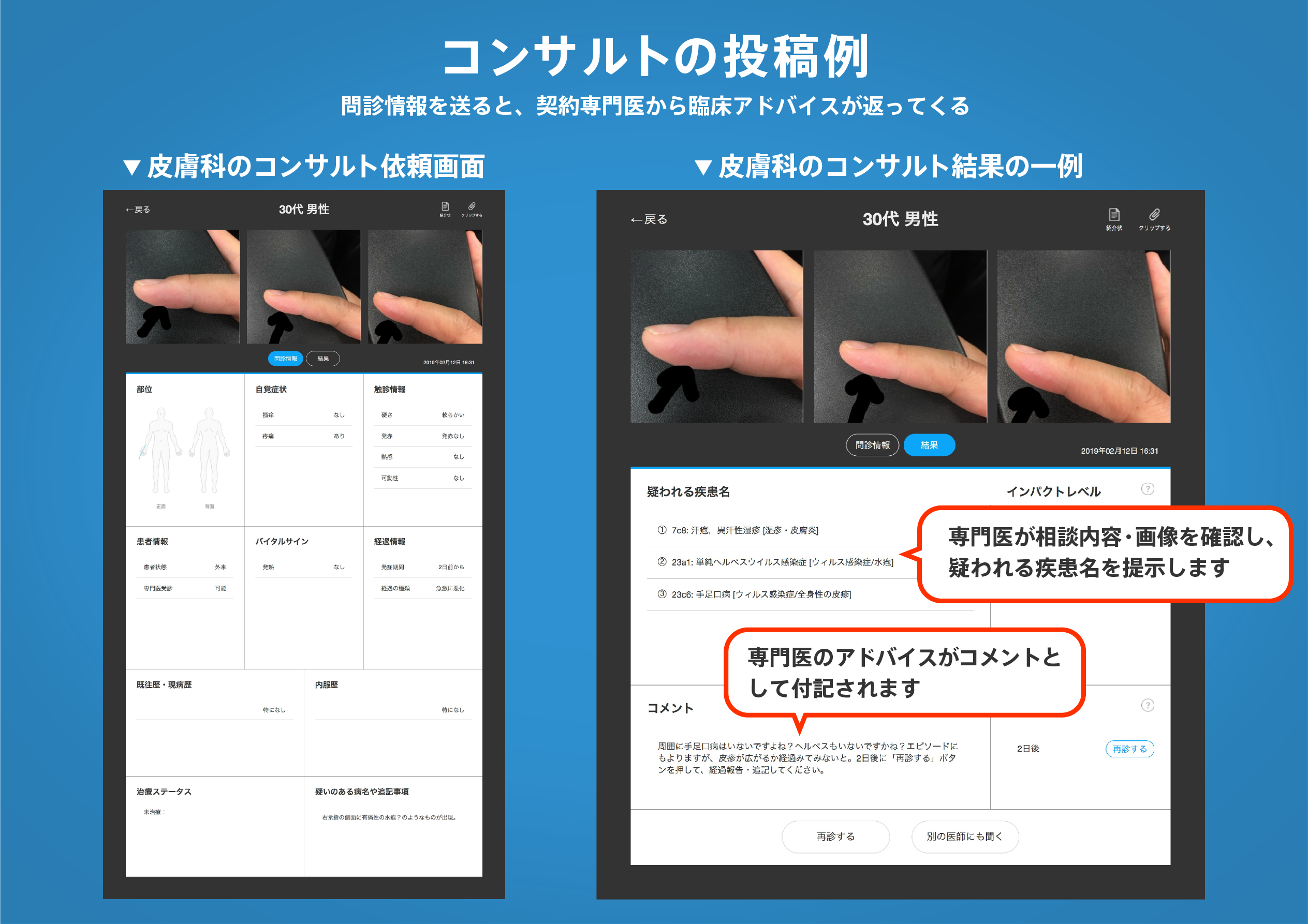
医師のための臨床サポートサービス
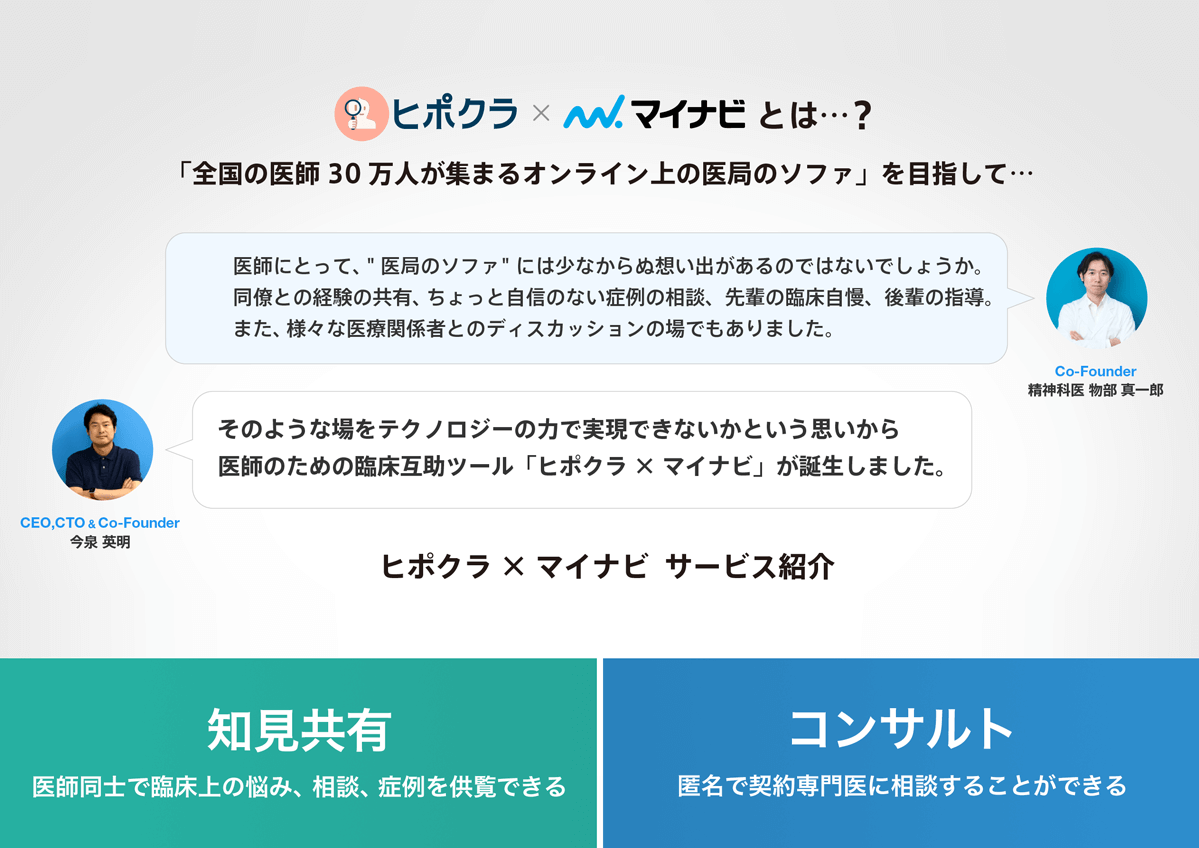
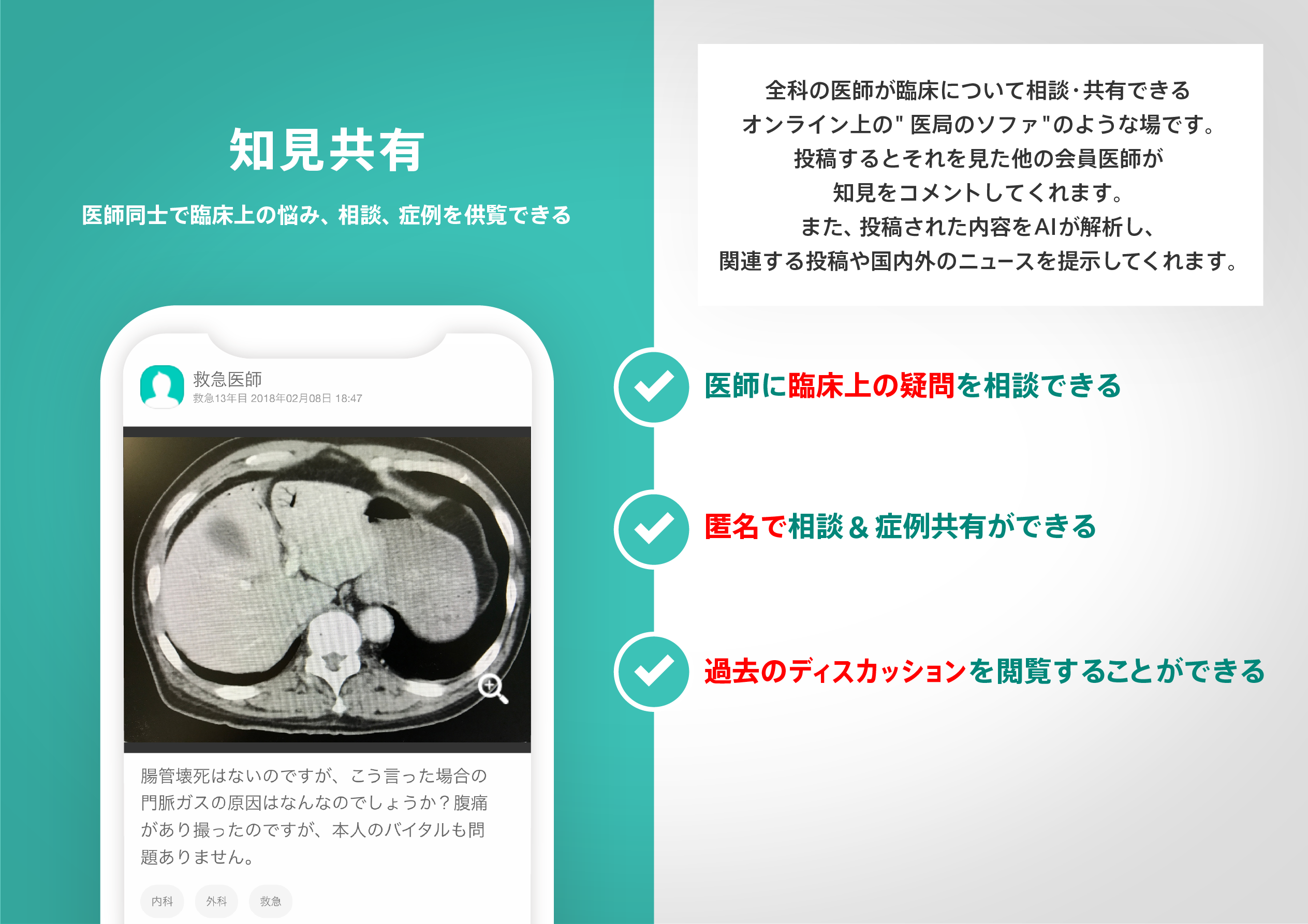
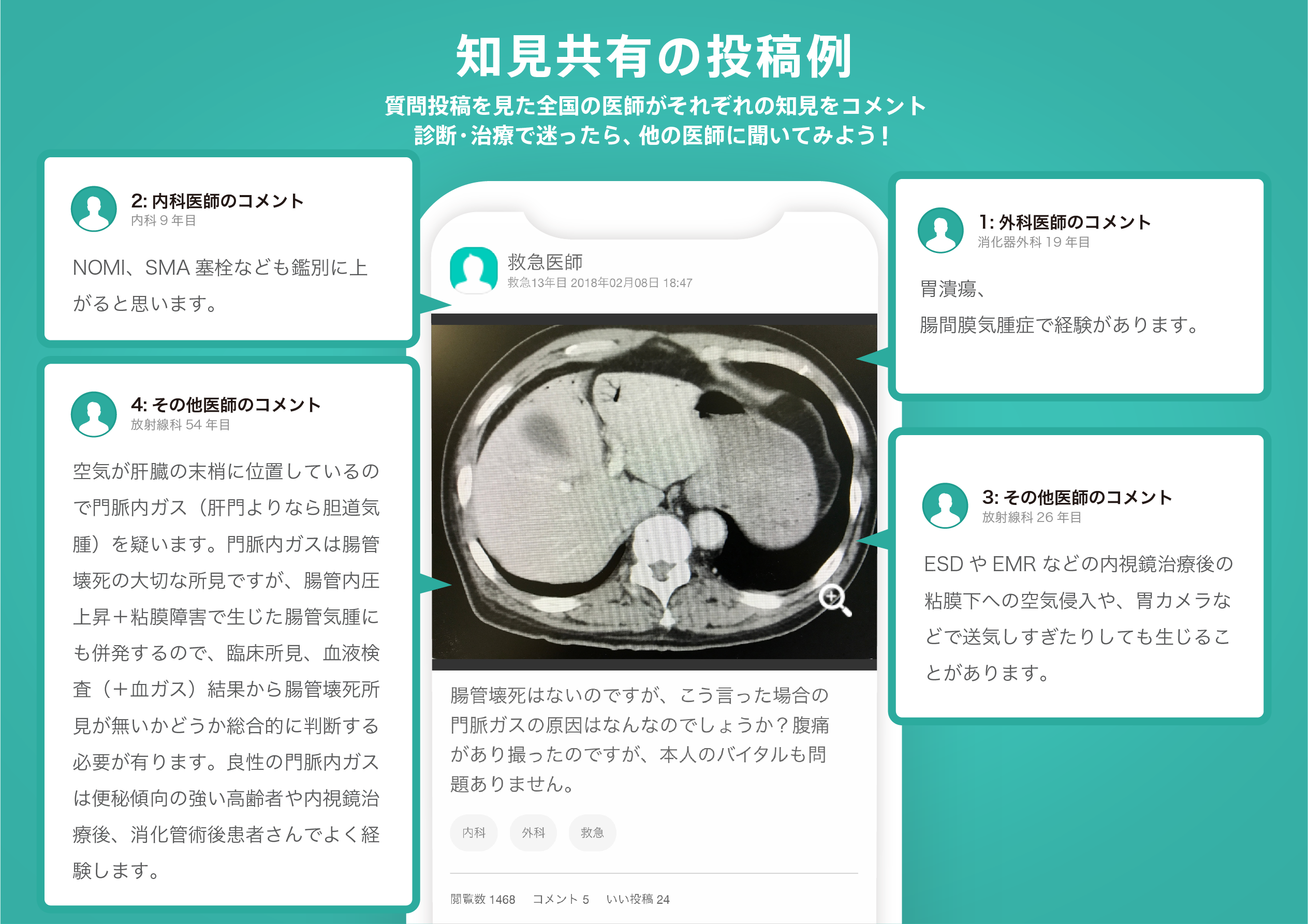
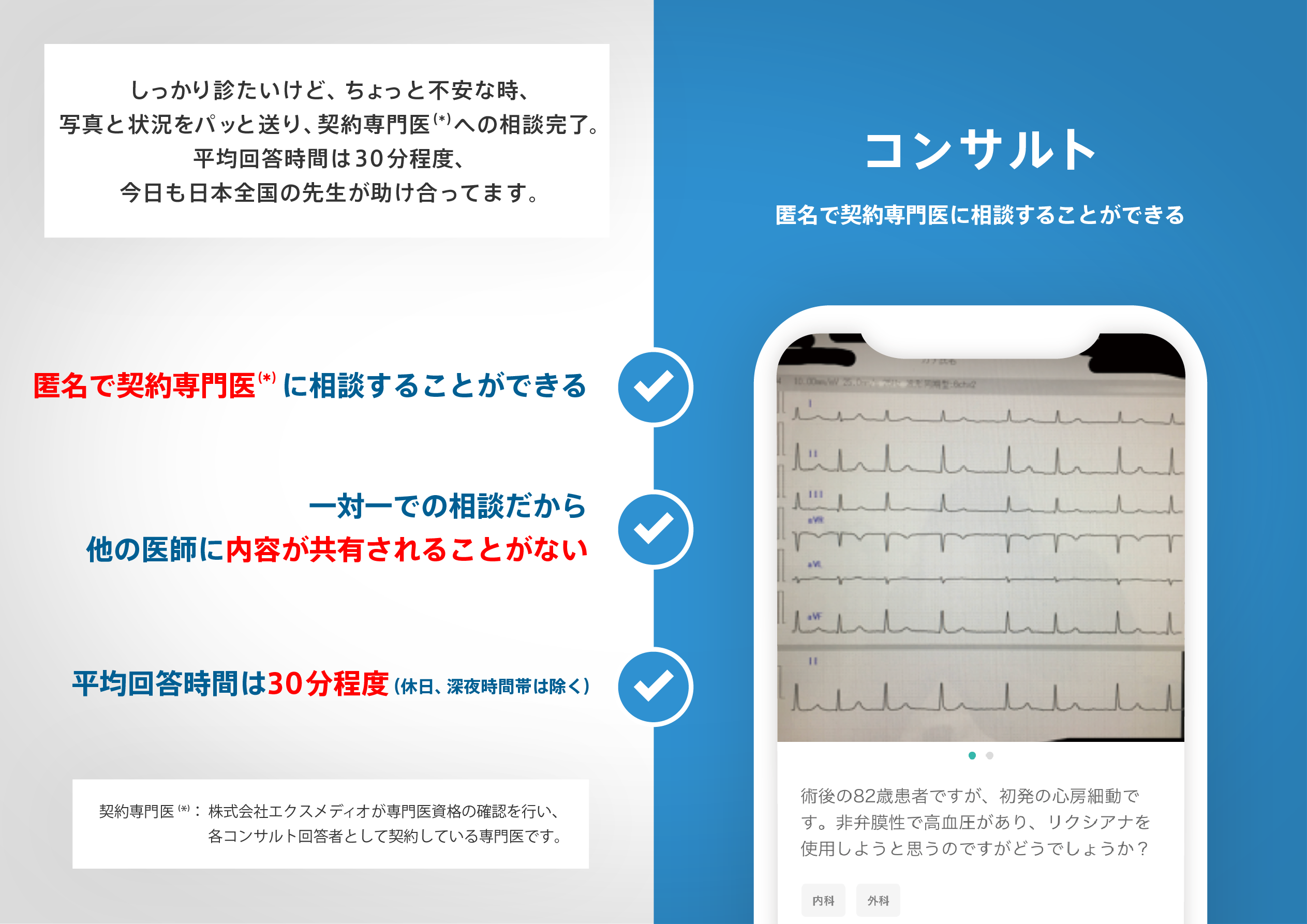
ヒポクラ x マイナビのご紹介

無料会員登録していただくと、さらに便利で効率的な検索が可能になります。