著名医師による解説が無料で読めます
すると翻訳の精度が向上します
イヤルブの形状には、さまざまな遺伝的意義があります。この研究では、韓国の人口における耳たぶ形状の頻度を分析しました。Daegu Metropolitan Cityでランダムに選択された500人の男性と500人の女性に関するデータが収集され、すべての参加者は20代になりました。鈍角の角度の耳根は観察された耳の41.2%を占めましたが、急性角度のあるイヤローの有病率は38.8%で計算され、直角耳たぼりは全部の20.0%でした(性別を組み合わせた)。男性では、急性の角度のある耳たぶが最も頻繁なタイプ(43.0%)でしたが、鈍い角度のある耳たぶは女性で最も頻繁なタイプ(45.2%)でした。これらの違いは統計的に有意でした(p = 0.015)。全体として、添付のタイプの耳たぶ(61.2%)は、無料のタイプのイヤーローブよりも頻繁でした。添付のタイプの耳たぶは、両方の性グループでより一般的であり(男性で57.0%、女性で65.4%)、その割合は女性で有意に高かった(P = 0.006)。結論として、この研究の発見は、付着した耳たぶタイプが韓国人の間で最も一般的であり、雄と女性の耳たぶタイプの割合がかなり異なることを示唆しています。韓国人の耳たぶタイプの遺伝的背景を理解するには、さらなる研究が必要です。
イヤルブの形状には、さまざまな遺伝的意義があります。この研究では、韓国の人口における耳たぶ形状の頻度を分析しました。Daegu Metropolitan Cityでランダムに選択された500人の男性と500人の女性に関するデータが収集され、すべての参加者は20代になりました。鈍角の角度の耳根は観察された耳の41.2%を占めましたが、急性角度のあるイヤローの有病率は38.8%で計算され、直角耳たぼりは全部の20.0%でした(性別を組み合わせた)。男性では、急性の角度のある耳たぶが最も頻繁なタイプ(43.0%)でしたが、鈍い角度のある耳たぶは女性で最も頻繁なタイプ(45.2%)でした。これらの違いは統計的に有意でした(p = 0.015)。全体として、添付のタイプの耳たぶ(61.2%)は、無料のタイプのイヤーローブよりも頻繁でした。添付のタイプの耳たぶは、両方の性グループでより一般的であり(男性で57.0%、女性で65.4%)、その割合は女性で有意に高かった(P = 0.006)。結論として、この研究の発見は、付着した耳たぶタイプが韓国人の間で最も一般的であり、雄と女性の耳たぶタイプの割合がかなり異なることを示唆しています。韓国人の耳たぶタイプの遺伝的背景を理解するには、さらなる研究が必要です。
The shape of the earlobes has a variety of genetic significance. This study analyzed the frequencies of the earlobe shapes in the Korean population. Data were collected on randomly selected 500 males and 500 females in Daegu Metropolitan City, with all participant ages being in their twenties. Obtuse angled earlobes accounted for 41.2% of the earlobes observed, while acute angled earlobes prevalence was calculated at 38.8% and right angled earlobe was 20.0% of the total (sexes combined). In men, the acute angled earlobe was the most frequent type (43.0%), while the obtuse angled earlobe was the most frequent type in females (45.2%). These differences were statistically significant (p = 0.015). Overall, attached type earlobe (61.2%) was more frequent than free type earlobe. The attached type earlobe was more common in both sex groups (57.0% in male and 65.4% in female), and the proportion was significantly higher for females (p = 0.006). In conclusion, the findings in this study suggest that the attached earlobe type is the most common among Koreans, and the proportion of earlobe types among males and females is significantly different. Further studies are needed to understand the genetic background of earlobe types among Koreans.
医師のための臨床サポートサービス
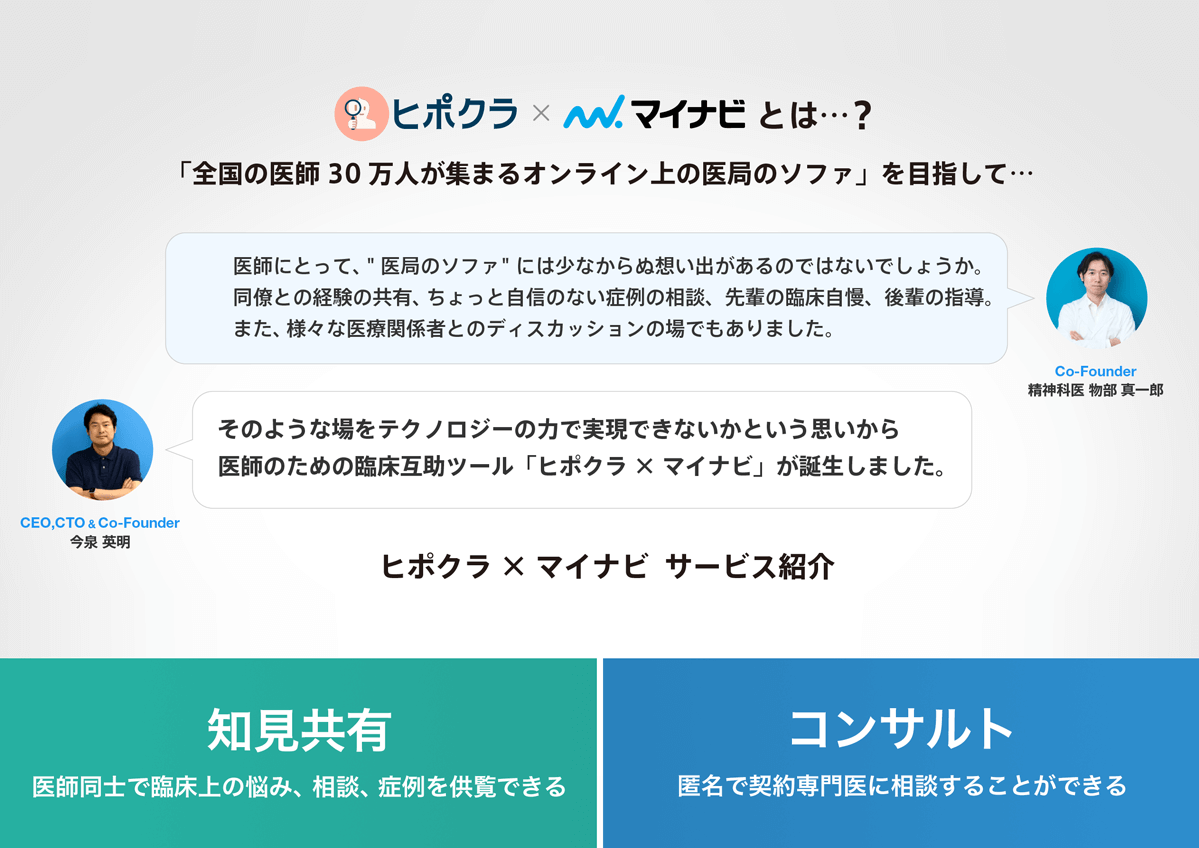
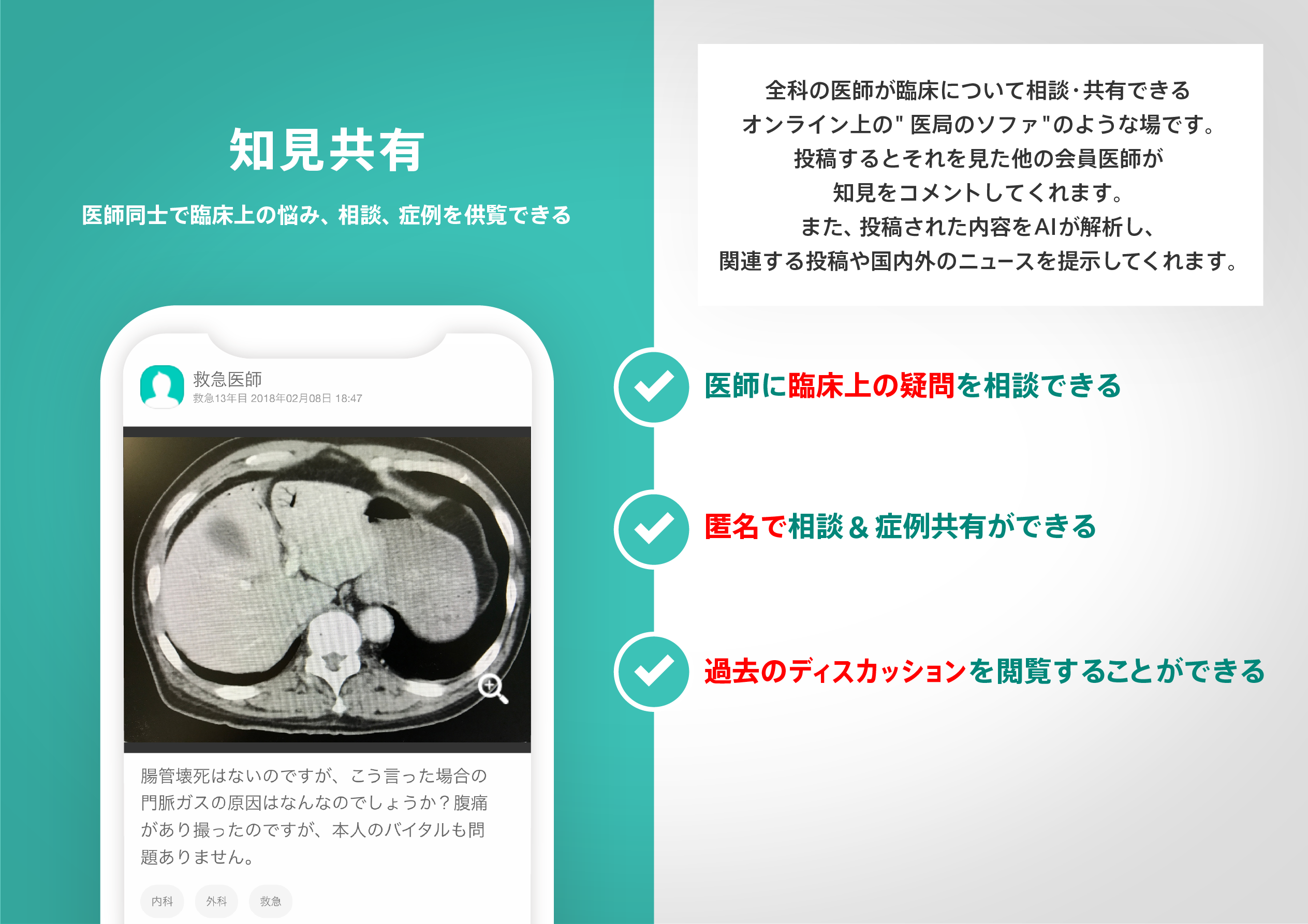
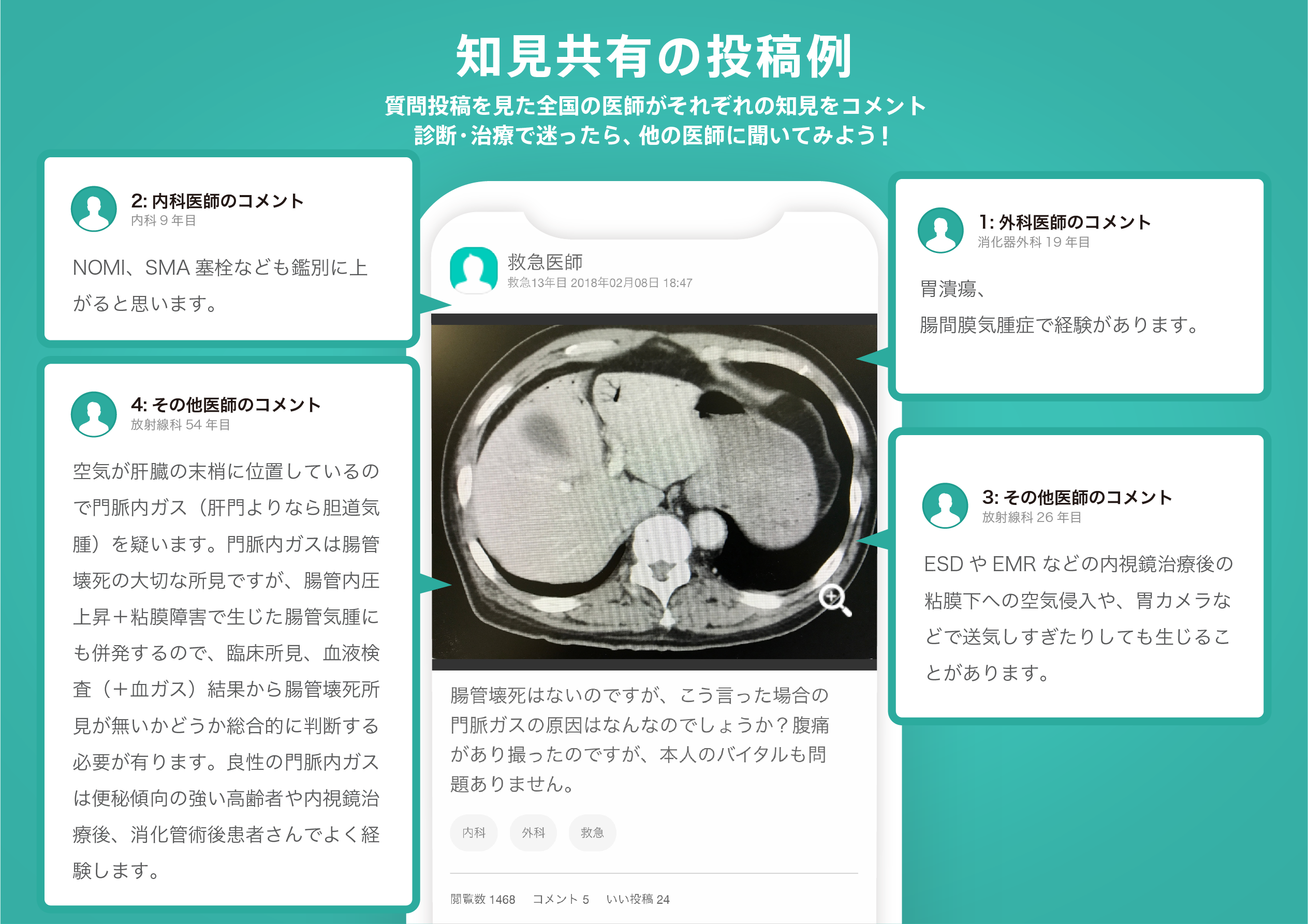
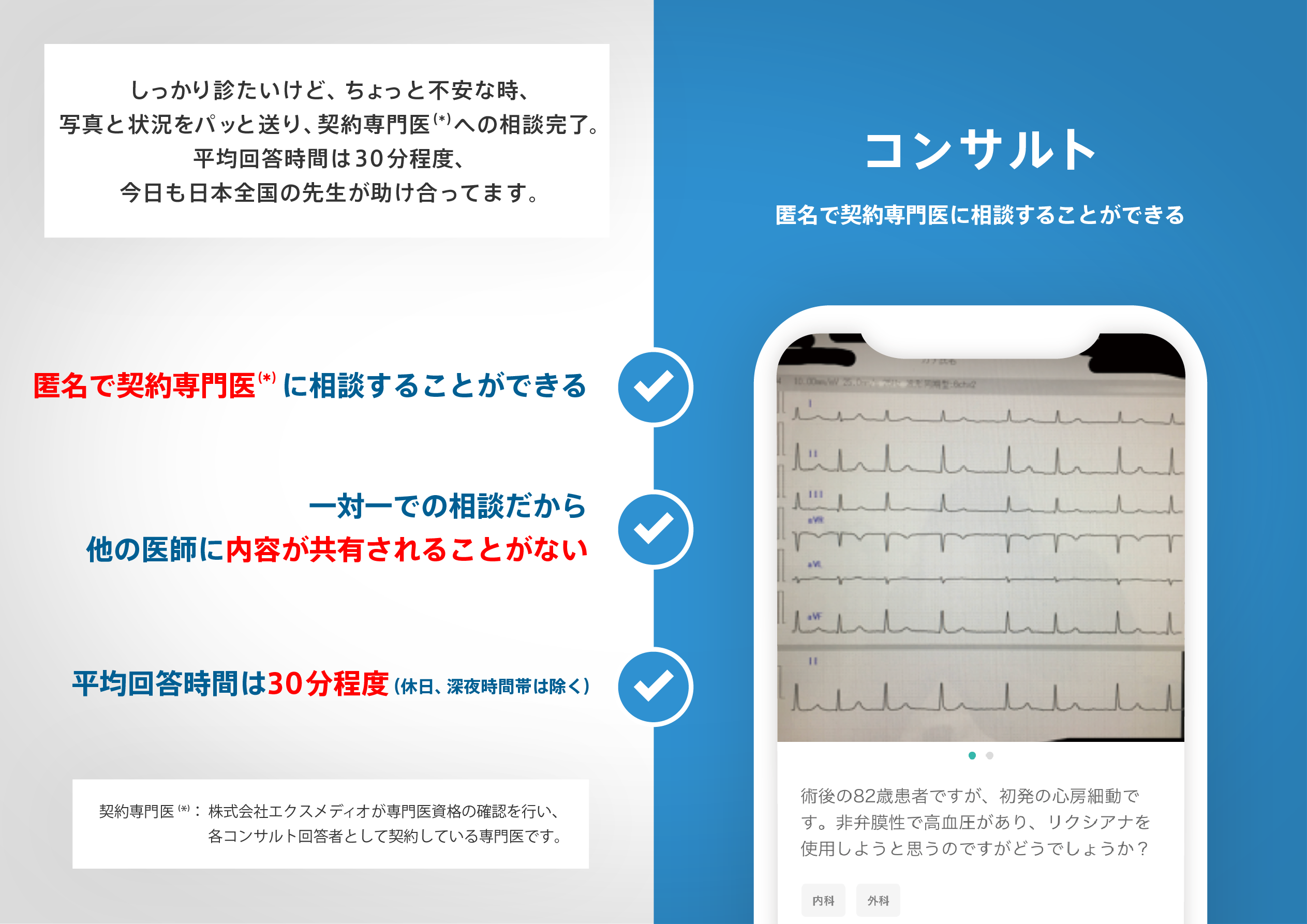
ヒポクラ x マイナビのご紹介

無料会員登録していただくと、さらに便利で効率的な検索が可能になります。