著名医師による解説が無料で読めます
すると翻訳の精度が向上します
背景:アクセサリー眼窩下孔(AIOF)は、眼窩下孔(IOF)および神経(イオン)に関連する解剖学的変動です。その発生と神経含有量は、上顎領域に関与する外科的介入中の局所領域麻酔の失敗と神経損傷のリスクに関して臨床的な意味を持っています。したがって、AIOFおよび神経含有量の形態学的特性、およびIOFとの空間的関係は、外科的処置を最適化するのに潜在的に有用です。さらに、IOF形態との関係に基づいたAIOFの予測的特徴により、外科医はその存在を予測し、それに応じて進めることができます。この研究の目的は、AIOFとその神経含有量の存在がIOFおよびイオンのサイズ、形状、および組成に影響を与えたかどうかを判断することでした。テストされた特定の仮説は、イオンとIOFのトポグラフィーと束結合は、AIOFを所有している個人とこの解剖学的変異を欠く個人との間で異なるというものでした。 方法:IOF(42頭の頭蓋骨)の粗い地形の特徴を、所有(テスト)またはAIOFの欠如(コントロール)の間で比較しました。イオンの神経束(60人の死体辺)を組織学的に調べ、aiofを提示または欠けている標本間で形態化的に比較しました。30頭の頭蓋の追加サンプルをコーンビームコンピューター断層撮影(CBCT)分析にかけ、AIOFにつながる運河の経過を決定しました。 結果:AIOF発生率は47.6%(20頭の頭蓋骨)、側面の32.1%(27側)でした。24の辺で1つのAIOFが観察され、3つの辺で二重AIOFが観察されました。AIOFは7つの標本(16.7%)で両側に発生しました。AIOF(86.7%)の大部分は、IOFの超幅広い位置に位置していました。AIOFのわずかに高い頻度が右側と比較して左側に見つかりました。CBCTを使用して、患者サンプルは16人の患者の21側(65.6%)でAIOF発生率を示しました。19の側で単一のAIOFが観察されました。スキャンでは1つのダブルAIOFのみが見つかりましたが、3つはドライスカルグループで見つかりました。AIOFは、3回のスキャン(10%)で両側に発生しました。AIOFの大部分(90.4%)は、CBCTスキャンに基づいてIOFの超幅広い医療位置に位置していました。AIOFは一貫して眼窩下運河に接続されているのが見られ、眼窩下管から上顎表面まで優れた、および内部に進行しました。AIOFのないイオンのサイズは、束核領域に基づいてAIOF(1.45×10/1.32×10μm、p <0.35)の存在下でのイオンと有意な差はありませんでした。ただし、この特徴(15.15/12.71、p <0.04)を示すものと比較して、AIOFのない標本でイオン束の数は大きかった::結果は、イオンの面積がAIOFの影響を受けないことを示しており、この領域の神経支配フィールドは、その発生によって変更されません。ただし、AIOFが存在すると、イオンはその成分分岐により近位に分割されるように見えます。
背景:アクセサリー眼窩下孔(AIOF)は、眼窩下孔(IOF)および神経(イオン)に関連する解剖学的変動です。その発生と神経含有量は、上顎領域に関与する外科的介入中の局所領域麻酔の失敗と神経損傷のリスクに関して臨床的な意味を持っています。したがって、AIOFおよび神経含有量の形態学的特性、およびIOFとの空間的関係は、外科的処置を最適化するのに潜在的に有用です。さらに、IOF形態との関係に基づいたAIOFの予測的特徴により、外科医はその存在を予測し、それに応じて進めることができます。この研究の目的は、AIOFとその神経含有量の存在がIOFおよびイオンのサイズ、形状、および組成に影響を与えたかどうかを判断することでした。テストされた特定の仮説は、イオンとIOFのトポグラフィーと束結合は、AIOFを所有している個人とこの解剖学的変異を欠く個人との間で異なるというものでした。 方法:IOF(42頭の頭蓋骨)の粗い地形の特徴を、所有(テスト)またはAIOFの欠如(コントロール)の間で比較しました。イオンの神経束(60人の死体辺)を組織学的に調べ、aiofを提示または欠けている標本間で形態化的に比較しました。30頭の頭蓋の追加サンプルをコーンビームコンピューター断層撮影(CBCT)分析にかけ、AIOFにつながる運河の経過を決定しました。 結果:AIOF発生率は47.6%(20頭の頭蓋骨)、側面の32.1%(27側)でした。24の辺で1つのAIOFが観察され、3つの辺で二重AIOFが観察されました。AIOFは7つの標本(16.7%)で両側に発生しました。AIOF(86.7%)の大部分は、IOFの超幅広い位置に位置していました。AIOFのわずかに高い頻度が右側と比較して左側に見つかりました。CBCTを使用して、患者サンプルは16人の患者の21側(65.6%)でAIOF発生率を示しました。19の側で単一のAIOFが観察されました。スキャンでは1つのダブルAIOFのみが見つかりましたが、3つはドライスカルグループで見つかりました。AIOFは、3回のスキャン(10%)で両側に発生しました。AIOFの大部分(90.4%)は、CBCTスキャンに基づいてIOFの超幅広い医療位置に位置していました。AIOFは一貫して眼窩下運河に接続されているのが見られ、眼窩下管から上顎表面まで優れた、および内部に進行しました。AIOFのないイオンのサイズは、束核領域に基づいてAIOF(1.45×10/1.32×10μm、p <0.35)の存在下でのイオンと有意な差はありませんでした。ただし、この特徴(15.15/12.71、p <0.04)を示すものと比較して、AIOFのない標本でイオン束の数は大きかった::結果は、イオンの面積がAIOFの影響を受けないことを示しており、この領域の神経支配フィールドは、その発生によって変更されません。ただし、AIOFが存在すると、イオンはその成分分岐により近位に分割されるように見えます。
BACKGROUND: The accessory infraorbital foramen (AIOF) is an anatomical variation associated with the infraorbital foramen (IOF) and nerve (ION). Its occurrence and neural contents have clinical implications regarding failure of loco-regional anesthesia and risk of neural damage during surgical interventions involving the maxillary region. Thus, morphologic characterization of the AIOF and neural contents as well as the spatial relationships to the IOF are potentially useful for optimizing surgical procedures. Additionally, predictive features of the AIOF based on its relationship to IOF morphology could enable the surgeon to anticipate its presence and proceed accordingly. The purpose of this study was to determine whether the presence of an AIOF and its neural contents affected the size, shape, and composition of the IOF and ION. The specific hypothesis tested was that the topography and fascicular composition of the ION and IOF differs between individuals possessing an AIOF and those lacking this anatomical variant. METHODS: Gross topographic features of the IOF (42 crania) were compared between specimens possessing (test) or lacking (control) an AIOF. Nerve fascicles of ION (60 cadaveric sides) were examined histologically and compared morphometrically between specimens presenting or lacking an AIOF. An additional sample of 30 crania was subjected to cone-beam computed tomography (CBCT) analysis to determine the course of the canal leading to the AIOF. RESULTS: The AIOF incidence was 47.6% (20 crania) and 32.1% of the sides (27 sides). A single AIOF was observed in 24 sides and double AIOF in three sides. The AIOF occurred bilaterally in 7 specimens (16.7%). The majority of AIOF (86.7%) were located superomedial to IOF. A slightly higher frequency of the AIOF was found in left side compared to the right. Using CBCT, a patient sample showed an AIOF incidence in 21 sides of 16 patients (65.6%). A single AIOF was observed in 19 sides. Only 1 double AIOF was found in the scans, whereas 3 were found in the dry skull group. The AIOF occurred bilaterally in 3 scans (10%). The majority of AIOF (90.4%) were located superomedial to the IOF based on the CBCT scans. The AIOF was consistently seen connected to the infraorbital canal and progressed superiorly and medially from the infraorbital canal to the maxillary surface. The size of the ION without an AIOF was not significantly different than the ION in the presence of an AIOF (1.45 × 10/1.32 × 10 μm, P < 0.35) based on fascicular area. However, the number of ION fascicles was greater in specimens without an AIOF compared to those showing this feature (15.15/12.71, P < 0.04) CONCLUSION:: Results indicate that the area of the ION is not affected by an AIOF, suggesting that the field of innervation of this area is not modified by its occurrence. However, the ION appears to divide more proximally into its component branches when the AIOF is present.
医師のための臨床サポートサービス
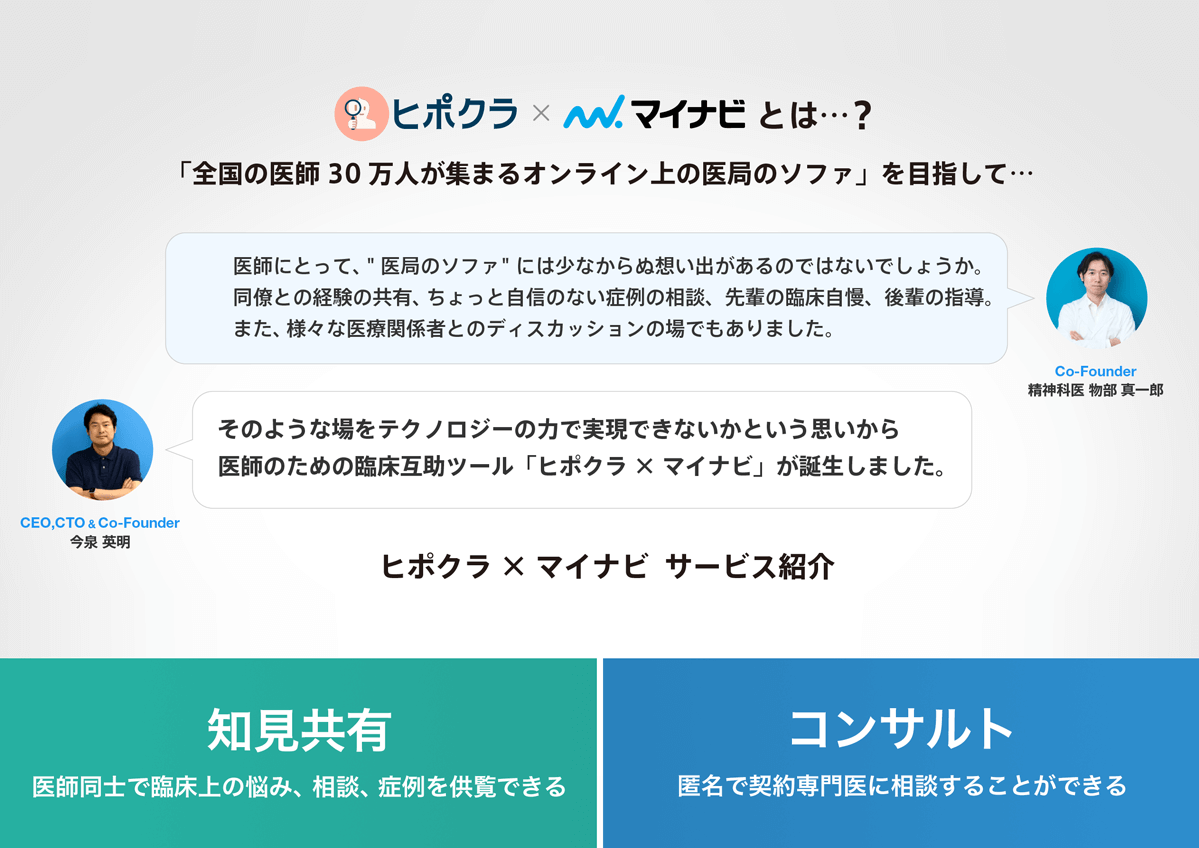
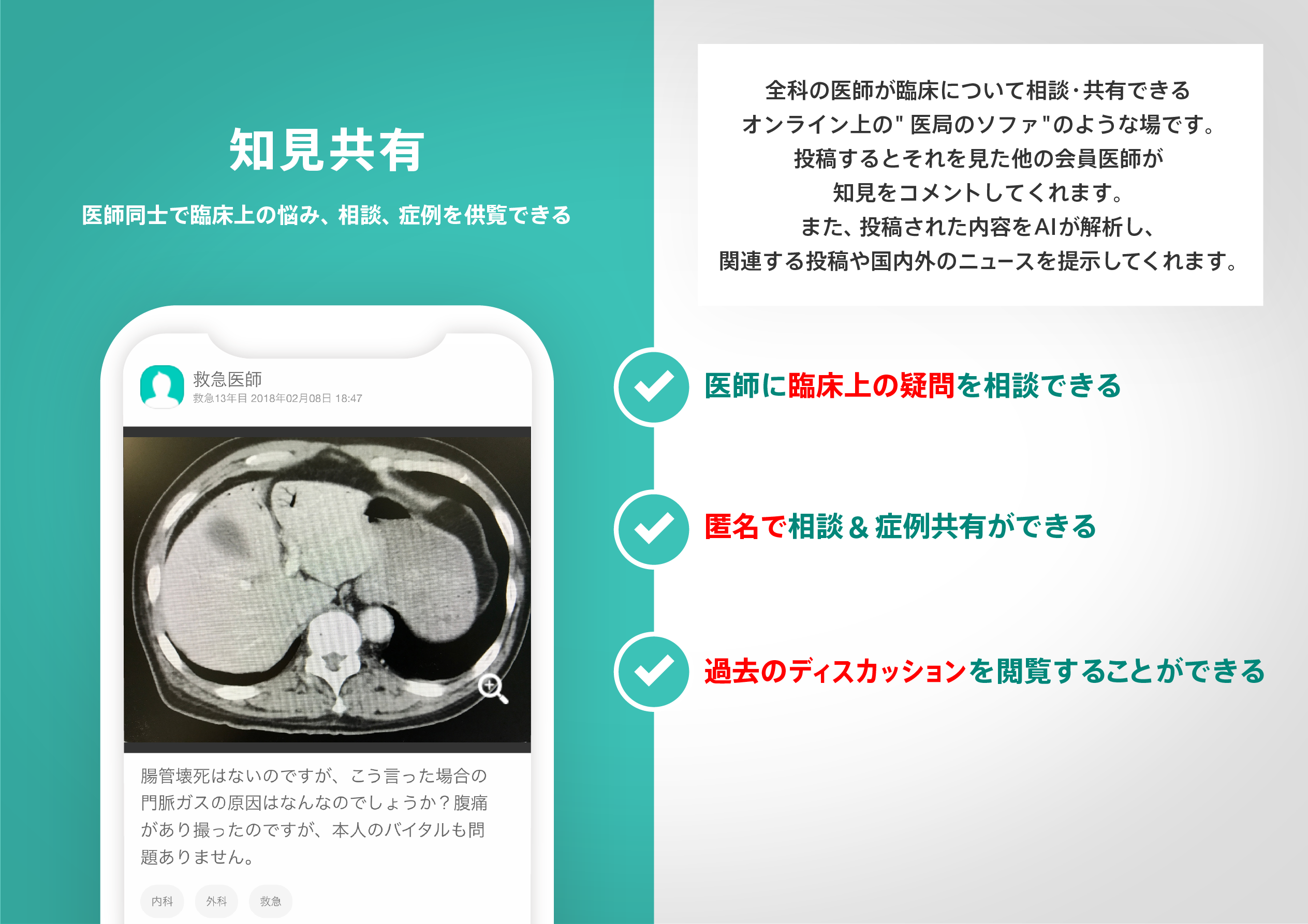
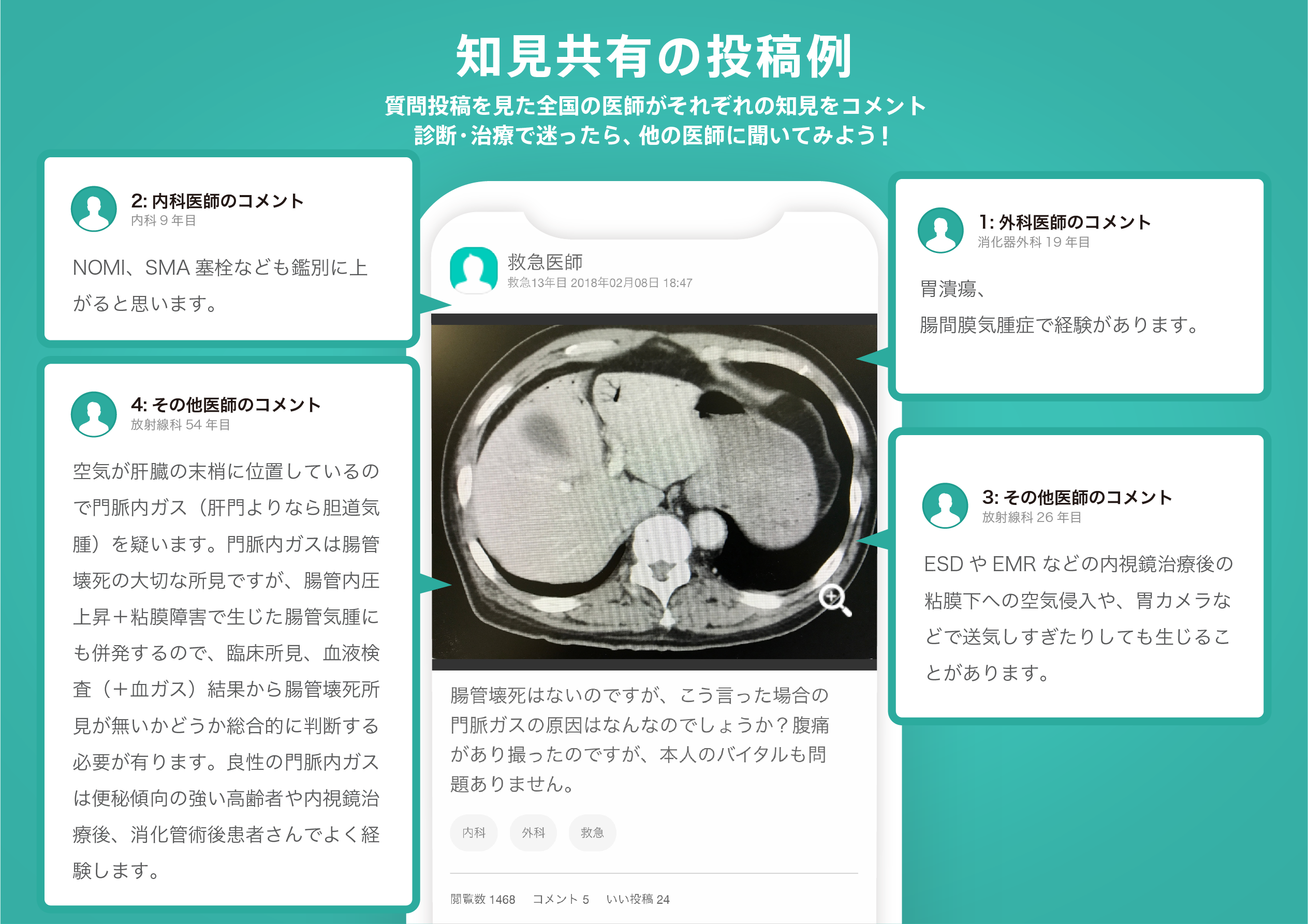
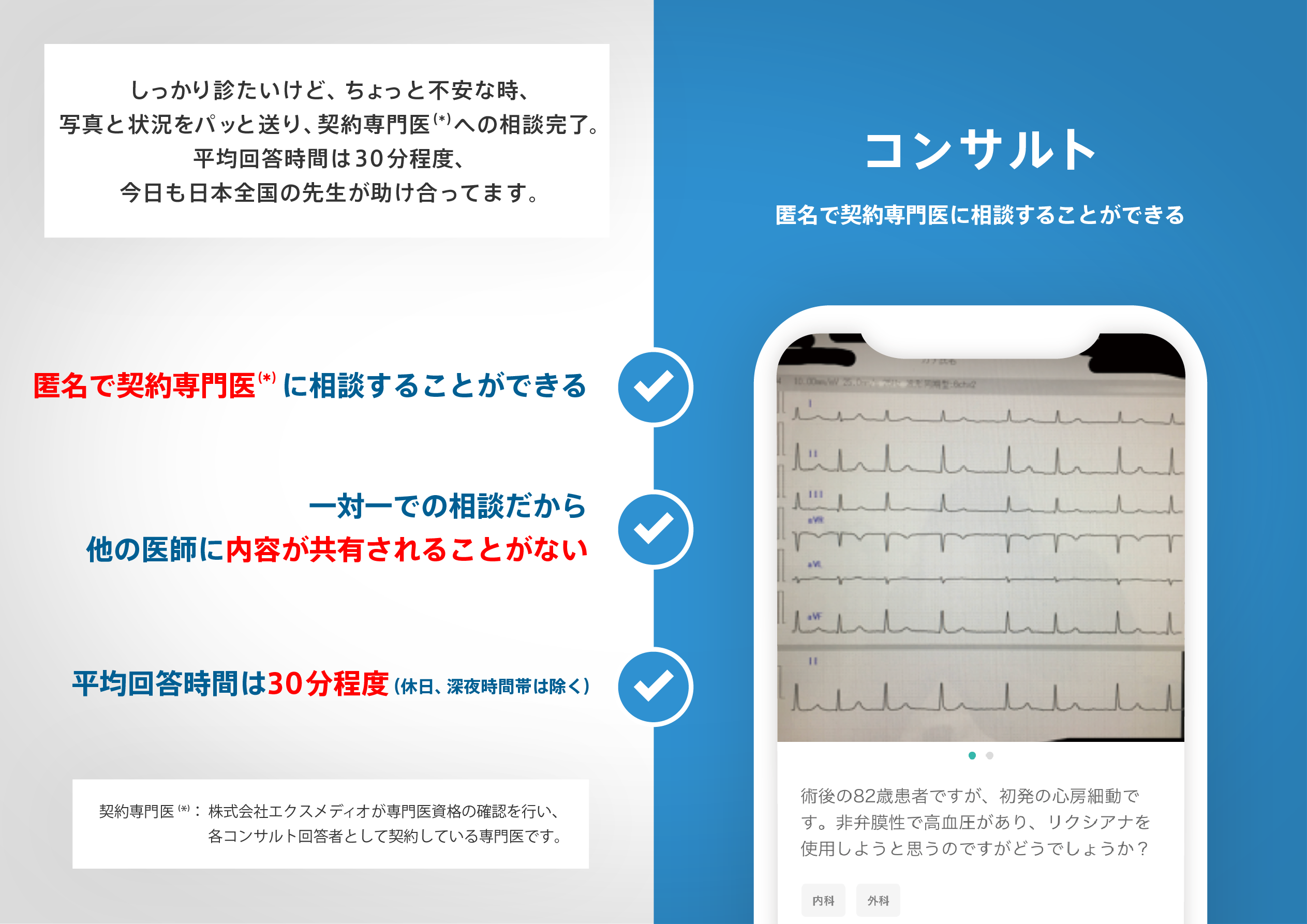
ヒポクラ x マイナビのご紹介

無料会員登録していただくと、さらに便利で効率的な検索が可能になります。