著名医師による解説が無料で読めます
すると翻訳の精度が向上します
はじめに:性機能障害は多くの人々に影響を及ぼし、女性の33〜60%が性機能障害を報告し、勃起不全または早期射精の男性の8〜52%が報告しています。性機能障害の原因となる因子の星座を決定するために、甲状腺ホルモンの崩壊の効果が最近関心を持っています。 目的:甲状腺ホルモンと女性と男性の性機能障害との関連を調査する。 方法:性機能に対する低甲状腺機能亢進症の影響を調べるために文献をレビューしました。 主な結果測定:性機能の領域に対する甲状腺機能障害の影響の要約を提示します。 結果:ほとんどの研究は、甲状腺機能低下症の男性の勃起不全を含む、低甲状腺機能亢進症の男性が性機能障害の割合を増加させていることを示しています。ただし、研究は、ホルモンの混乱と性機能障害のレベルとの相関の強さについて異なります。甲状腺機能低下症の両方の男性では、甲状腺障害を少なくとも部分的に治療することは性的機能障害を逆転させます。対照的に、現在の文献は、甲状腺機能低下症、甲状腺機能亢進症、または女性の性機能に対する橋本甲状腺炎の影響に関するコンセンサスを提供しません。甲状腺障害のある女性の性機能障害の増加率を観察した研究では、甲状腺障害の修正により、いくつかの性的機能障害の解決が生じました。また、性機能障害の程度と女性のホルモン障害の程度との間に関係があるかどうかについての研究も矛盾しています。しかし、以前の研究では、甲状腺の自己抗体と女性の性機能障害との関係が実証されています。 結論:甲状腺機能障害は、男性および場合によっては女性の性機能障害の病因における重要な要因です。証拠は、甲状腺機能障害の修正による性機能障害の可逆性を示唆していますが、甲状腺媒介性性機能障害の正確な病態生理学は不明のままです。しかし、現在の証拠は、男性の原因因子としての自己抗体ではなく甲状腺の混乱をサポートしていますが、自己抗体は女性でより顕著な役割を果たしているようです。ベイツJN、Kohn TP、Pastuszak AW。男性と女性の性機能に対する甲状腺ホルモンの混乱の影響。Sex Med Rev 2020; 8:217-230。
はじめに:性機能障害は多くの人々に影響を及ぼし、女性の33〜60%が性機能障害を報告し、勃起不全または早期射精の男性の8〜52%が報告しています。性機能障害の原因となる因子の星座を決定するために、甲状腺ホルモンの崩壊の効果が最近関心を持っています。 目的:甲状腺ホルモンと女性と男性の性機能障害との関連を調査する。 方法:性機能に対する低甲状腺機能亢進症の影響を調べるために文献をレビューしました。 主な結果測定:性機能の領域に対する甲状腺機能障害の影響の要約を提示します。 結果:ほとんどの研究は、甲状腺機能低下症の男性の勃起不全を含む、低甲状腺機能亢進症の男性が性機能障害の割合を増加させていることを示しています。ただし、研究は、ホルモンの混乱と性機能障害のレベルとの相関の強さについて異なります。甲状腺機能低下症の両方の男性では、甲状腺障害を少なくとも部分的に治療することは性的機能障害を逆転させます。対照的に、現在の文献は、甲状腺機能低下症、甲状腺機能亢進症、または女性の性機能に対する橋本甲状腺炎の影響に関するコンセンサスを提供しません。甲状腺障害のある女性の性機能障害の増加率を観察した研究では、甲状腺障害の修正により、いくつかの性的機能障害の解決が生じました。また、性機能障害の程度と女性のホルモン障害の程度との間に関係があるかどうかについての研究も矛盾しています。しかし、以前の研究では、甲状腺の自己抗体と女性の性機能障害との関係が実証されています。 結論:甲状腺機能障害は、男性および場合によっては女性の性機能障害の病因における重要な要因です。証拠は、甲状腺機能障害の修正による性機能障害の可逆性を示唆していますが、甲状腺媒介性性機能障害の正確な病態生理学は不明のままです。しかし、現在の証拠は、男性の原因因子としての自己抗体ではなく甲状腺の混乱をサポートしていますが、自己抗体は女性でより顕著な役割を果たしているようです。ベイツJN、Kohn TP、Pastuszak AW。男性と女性の性機能に対する甲状腺ホルモンの混乱の影響。Sex Med Rev 2020; 8:217-230。
INTRODUCTION: Sexual dysfunction affects many people, with 33‒60% of women reporting sexual dysfunction and 8‒52% of men with erectile dysfunction or premature ejaculation. In an effort to determine the constellation of factors responsible for sexual dysfunction, the effect of thyroid hormone derangements has been of recent interest. AIM: To investigate the associations between thyroid hormones and sexual dysfunction in women and men. METHODS: Literature was reviewed to examine the effects of hypo- and hyperthyroidism on sexual function. MAIN OUTCOME MEASURE: We present a summary of the effects of thyroid dysfunction on domains of sexual functioning. RESULTS: Most studies demonstrate that men with hypo- and hyperthyroidism have increased rates of sexual dysfunction, including erectile dysfunction in men with hypothyroidism. However, studies vary on the strength of correlation between hormonal derangement and level of sexual dysfunction. In both men with hyper- and hypothyroidism, treating the thyroid disorder at least partially reverses sexual dysfunction. In contrast, the current literature provides no consensus on the effect of hypothyroidism, hyperthyroidism, or Hashimoto's thyroiditis on female sexual function. In studies that observed increased rates of sexual dysfunction in women with thyroid disorders, correction of the thyroid derangement resulted in resolution of some sexual dysfunction. Studies are also conflicted on whether there is a relationship between the degree of sexual dysfunction and the degree of hormone derangement in women. However, prior work has demonstrated a relationship between thyroid autoantibodies and sexual dysfunction in women. CONCLUSION: Thyroid dysfunction is an important factor in the pathogenesis of sexual dysfunction in men and possibly women. Evidence suggests a reversibility of sexual dysfunction with correction of thyroid dysfunction, although the exact pathophysiology of thyroid-mediated sexual dysfunction remains unknown. However, current evidence supports thyroid derangements rather than autoantibodies as the causative factor in men, whereas autoantibodies appear to play a more prominent role in women. Bates JN, Kohn TP, Pastuszak AW. Effect of Thyroid Hormone Derangements on Sexual Function in Men and Women. Sex Med Rev 2020;8:217-230.
医師のための臨床サポートサービス
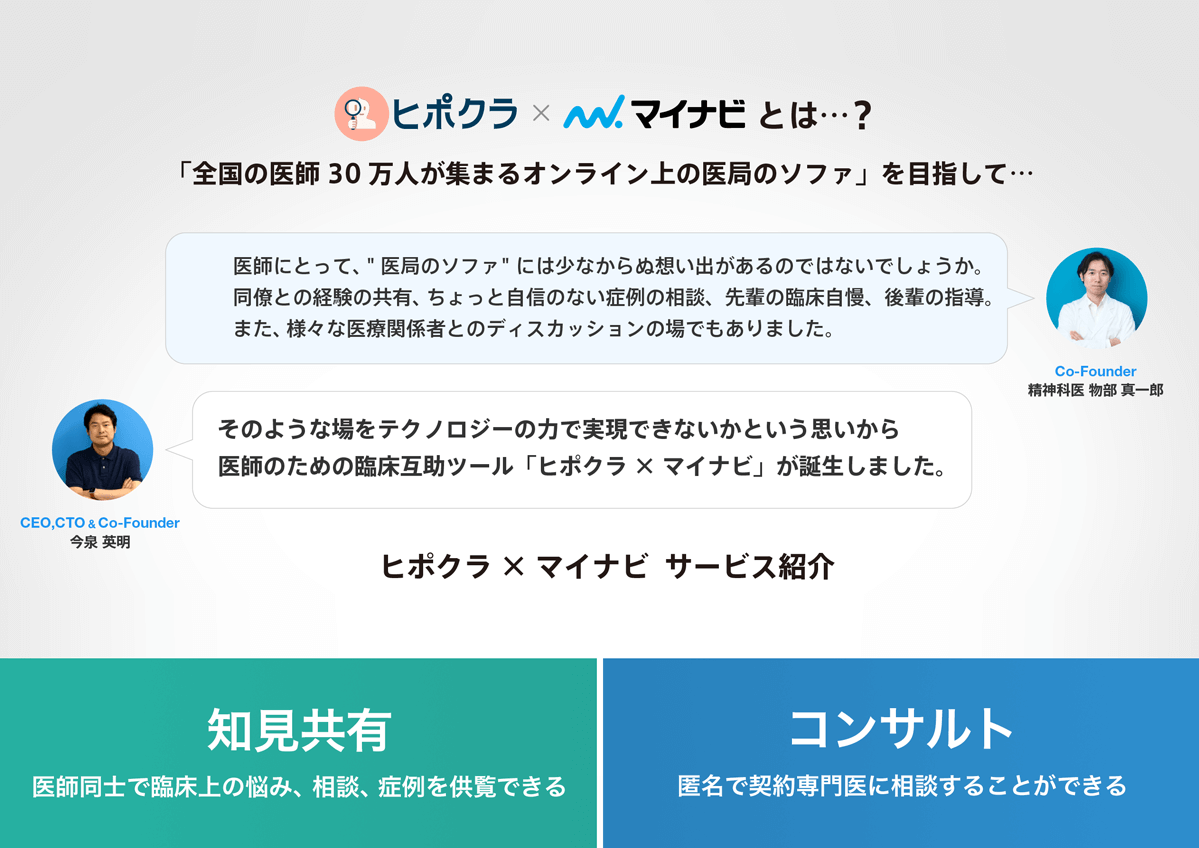
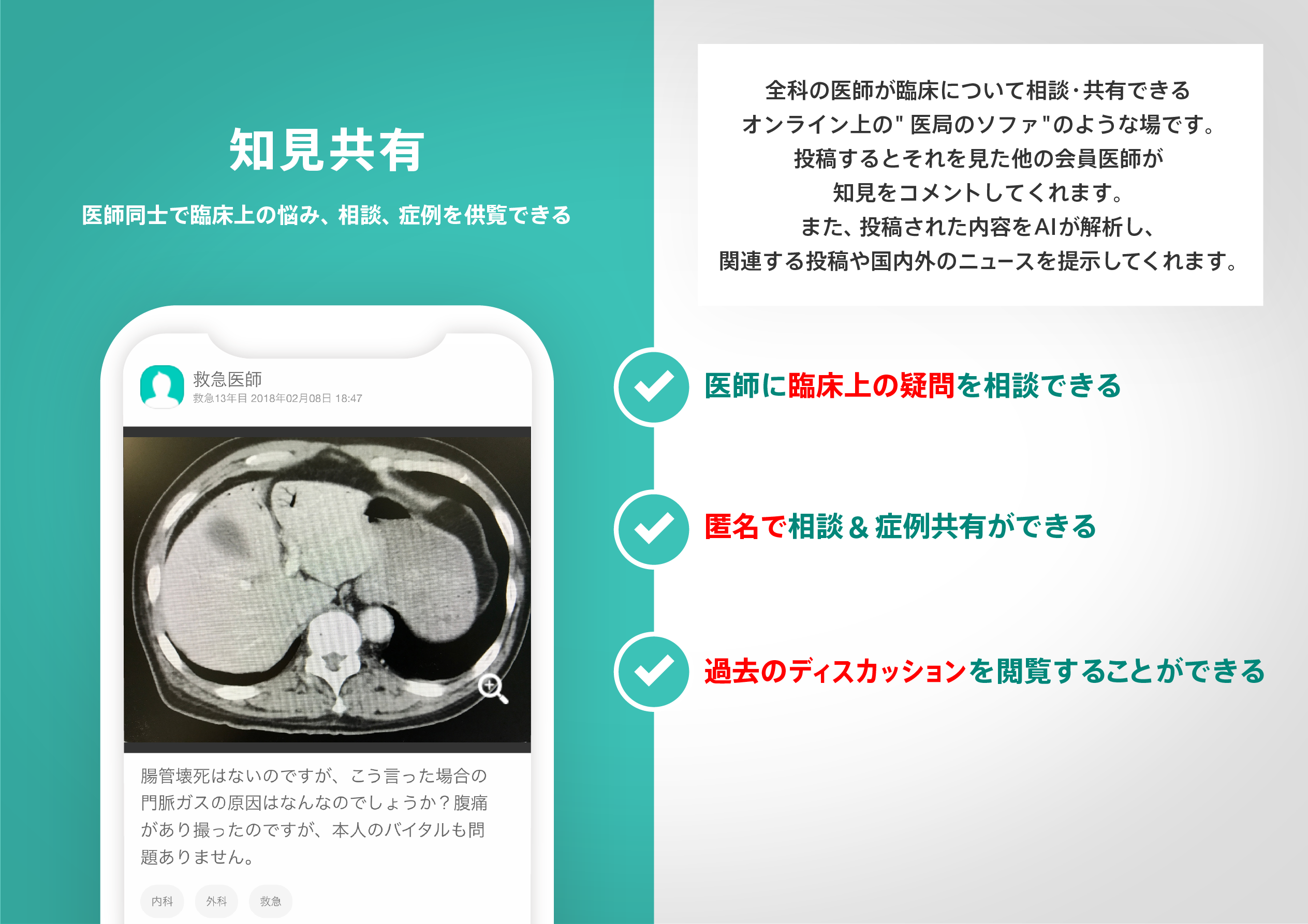
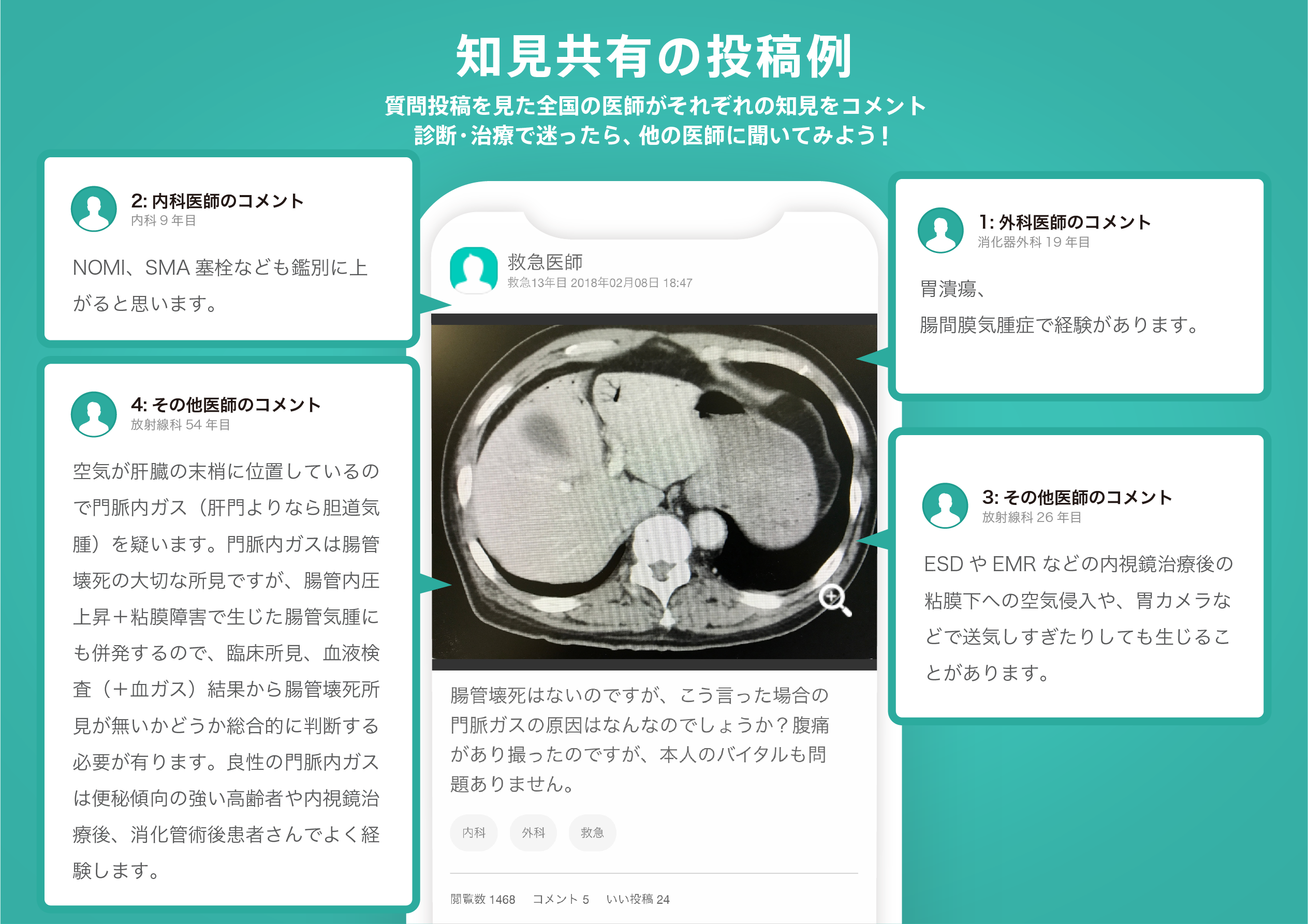
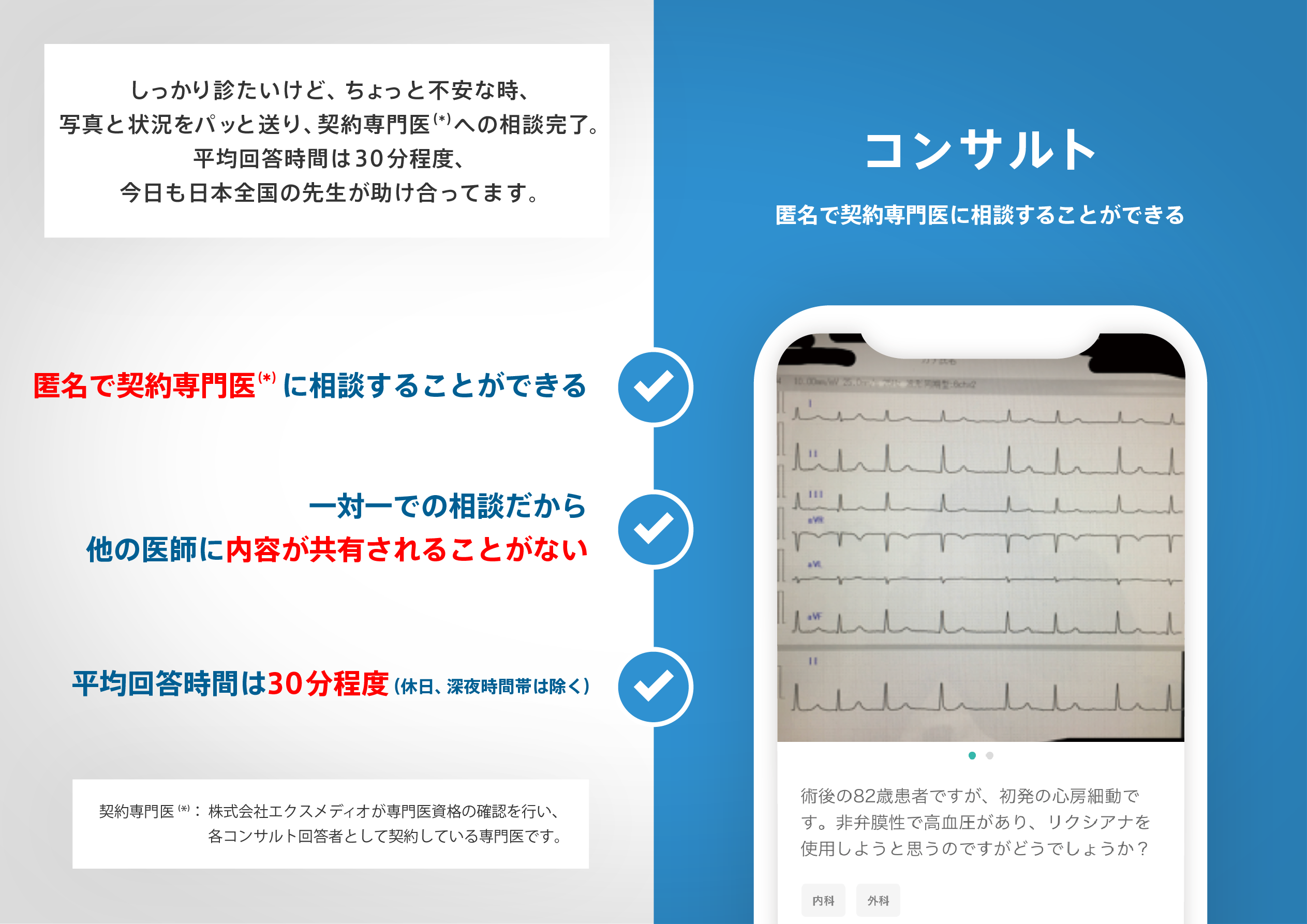
ヒポクラ x マイナビのご紹介

無料会員登録していただくと、さらに便利で効率的な検索が可能になります。