著名医師による解説が無料で読めます
すると翻訳の精度が向上します
背景/目的:超音波による無症候性高尿症患者における尿酸結晶沈着の好ましい部位を決定するための横断研究。 方法:2年間で、24人の無症候性高尿症患者(血清尿酸≥7mg/dl)と年齢の50のコントロール(血清尿酸<7mg/dl)がこの研究に含まれていました。二重輪郭標識は、3つの関節軟骨部位(最初の中足骨、脛骨、大腿骨顆)で探しられましたが、高エコー酸凝集体は1つのジョイント部位(放射性カルパールジョイント)と2つの腱部位(膝蓋腱と三脚筋腱)を探しました。カイ二乗検定を使用して、カテゴリ変数を比較し、離散変数を一方向の分散分析によって比較しました。p値<0.05は有意とみなされました。 結果:24人の無症候性高尿時尿時の8人は、6人の患者で検出された膝関節面積に続いて、最初の中足骨の関節面積に尿酸結晶沈着の超音波証拠を持っていました。無症候性高尿時尿症患者の超音波異常の検出率は、2つの関節面積(膝と最初の中足骨)で45.8%、6つの部位評価で50%でした。対照の中で、16%がこれらの異常な超音波所見を持っていることがわかりました。 結論:無症候性高尿時尿症患者における尿酸結晶堆積の最高の偏見は、膝と最初の中足骨関節の関節軟骨です。これは、これらの関節領域での関節炎の頻繁な臨床症状を説明しています。
背景/目的:超音波による無症候性高尿症患者における尿酸結晶沈着の好ましい部位を決定するための横断研究。 方法:2年間で、24人の無症候性高尿症患者(血清尿酸≥7mg/dl)と年齢の50のコントロール(血清尿酸<7mg/dl)がこの研究に含まれていました。二重輪郭標識は、3つの関節軟骨部位(最初の中足骨、脛骨、大腿骨顆)で探しられましたが、高エコー酸凝集体は1つのジョイント部位(放射性カルパールジョイント)と2つの腱部位(膝蓋腱と三脚筋腱)を探しました。カイ二乗検定を使用して、カテゴリ変数を比較し、離散変数を一方向の分散分析によって比較しました。p値<0.05は有意とみなされました。 結果:24人の無症候性高尿時尿時の8人は、6人の患者で検出された膝関節面積に続いて、最初の中足骨の関節面積に尿酸結晶沈着の超音波証拠を持っていました。無症候性高尿時尿症患者の超音波異常の検出率は、2つの関節面積(膝と最初の中足骨)で45.8%、6つの部位評価で50%でした。対照の中で、16%がこれらの異常な超音波所見を持っていることがわかりました。 結論:無症候性高尿時尿症患者における尿酸結晶堆積の最高の偏見は、膝と最初の中足骨関節の関節軟骨です。これは、これらの関節領域での関節炎の頻繁な臨床症状を説明しています。
BACKGROUND/OBJECTIVE: A cross-sectional study to determine the preferred sites of urate crystal deposition in asymptomatic hyperuricemic individuals by ultrasound. METHODS: In two years period twenty four asymptomatic hyperuricemic individuals (serum uric acid ≥7mg/dl) and fifty controls (serum uric acid <7mg/dl) with age more than 18 years were included in this study. Double contour sign was looked for at three articular cartilage sites (first metatarsophalangeal, tibiotalar and femoral condyle) whereas hyperechoic aggregates were looked for at one joint site (radiocarpal joint) and two tendon sites (patellar tendon and triceps tendon). The Chi-square test was used to compare the categorical variables and discrete variables were compared by one way analysis of variance. The p-value<0.05 was considered significant. RESULTS: Eight out of 24 asymptomatic hyperuricemic individuals had ultrasound evidence of urate crystal deposition in first metatarsophalangeal joint area followed by knee joint area which was detected in 6 patients. The detection rate of ultrasound abnormalities in asymptomatic hyperuricemic individuals was 45.8% with two joint area (knee and first metatarsophalangeal) and 50% with six sites assessment. Amongst controls, 16% were found to have these abnormal ultrasound findings. CONCLUSION: The highest predilection of urate crystal deposition in asymptomatic hyperuricemic individuals is the articular cartilage of Knee and first metatarsophalangeal joints. This explain the frequent clinical presentation of arthritis in these joint areas.
医師のための臨床サポートサービス
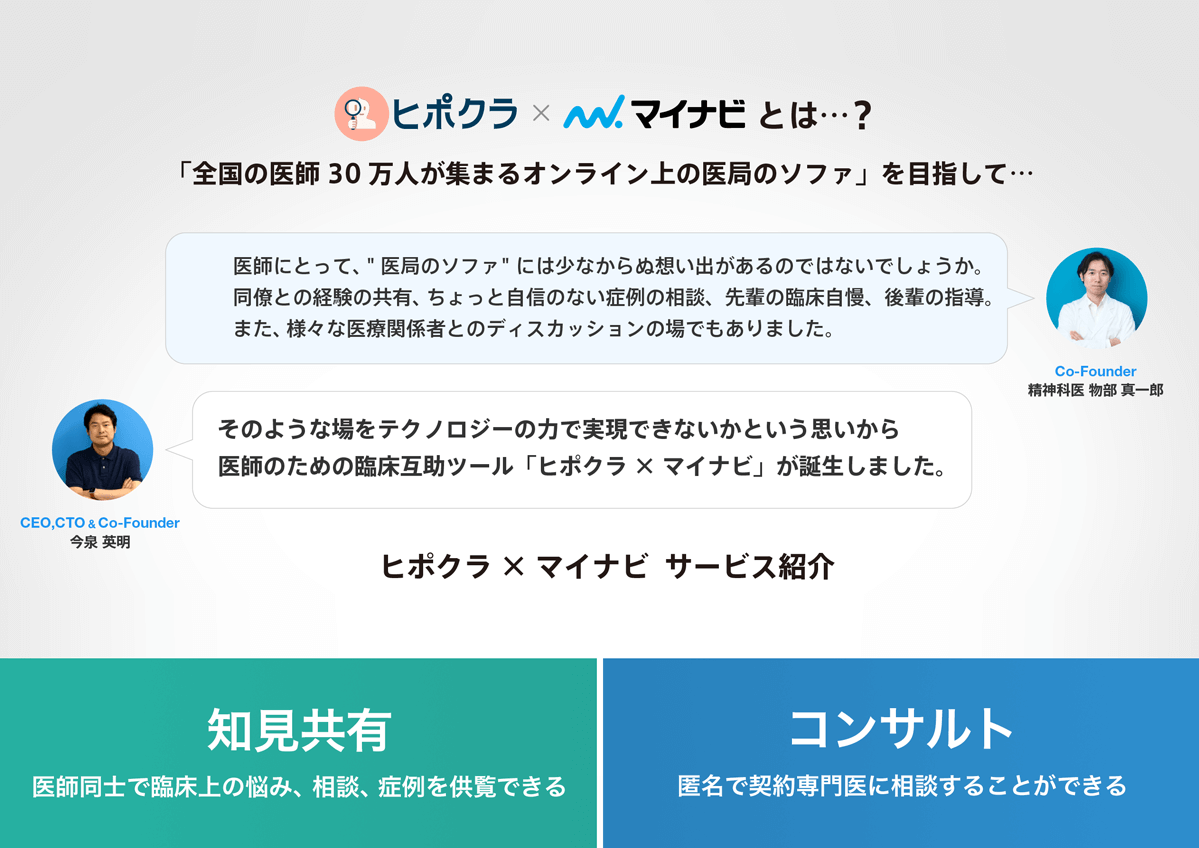
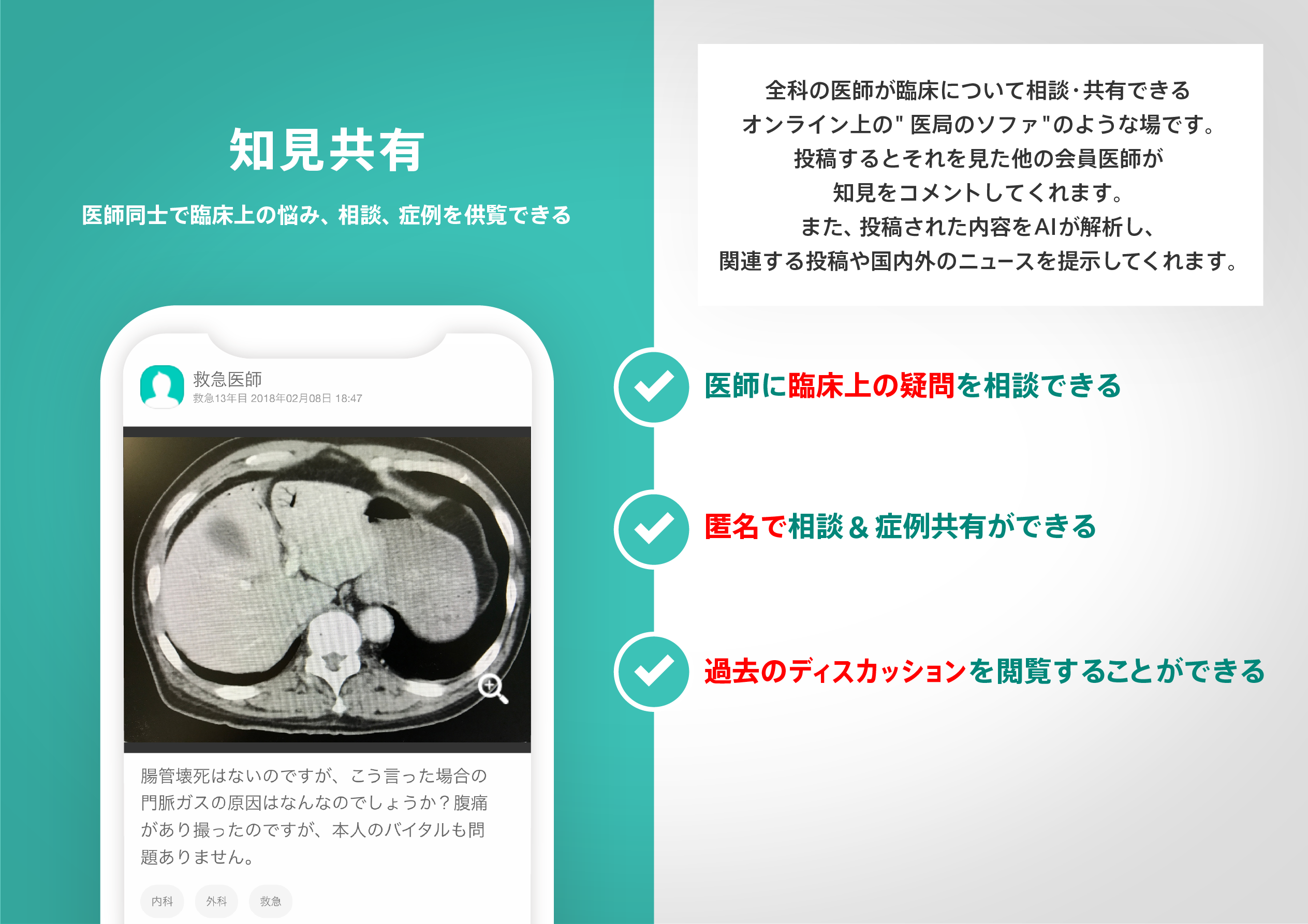
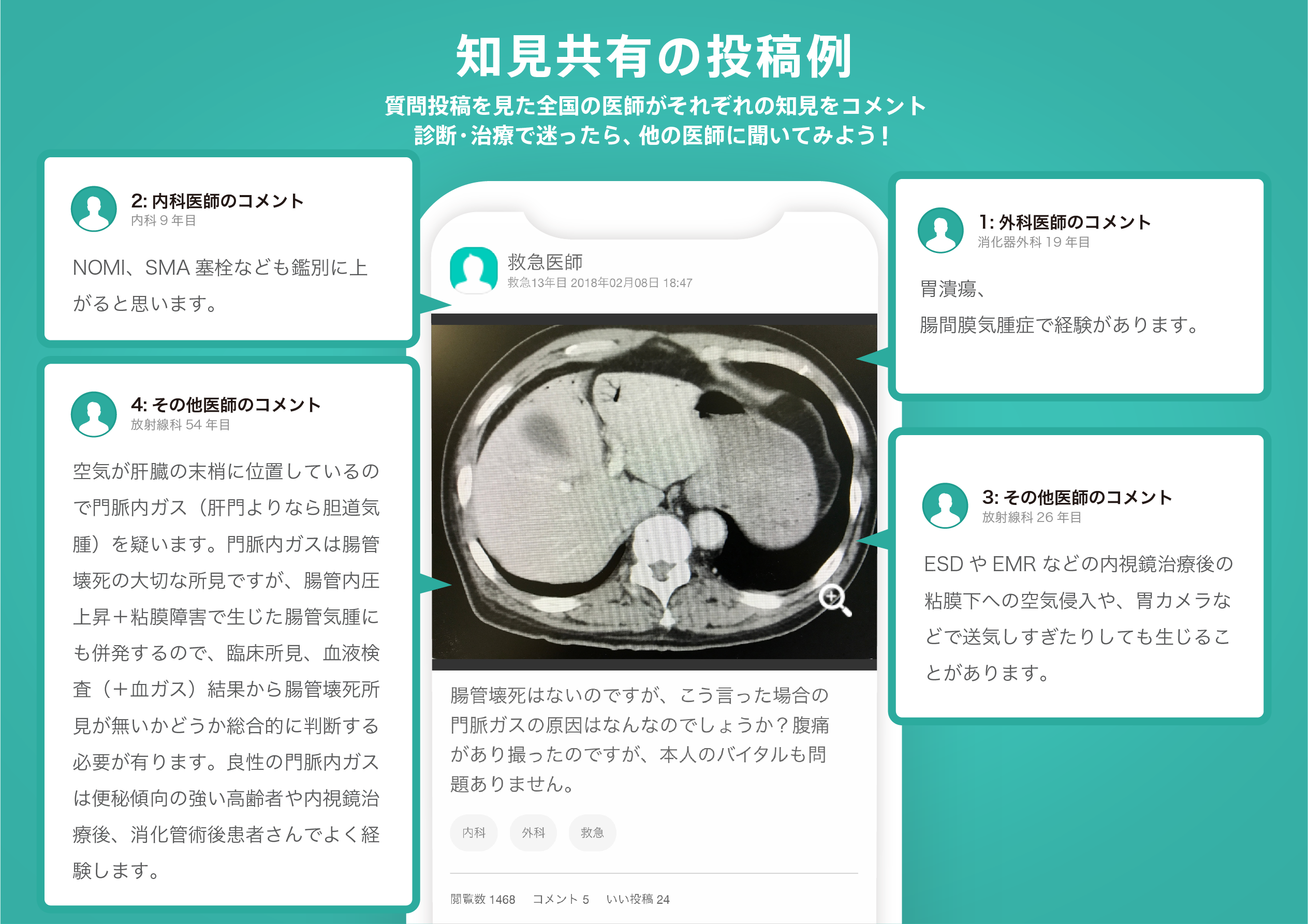
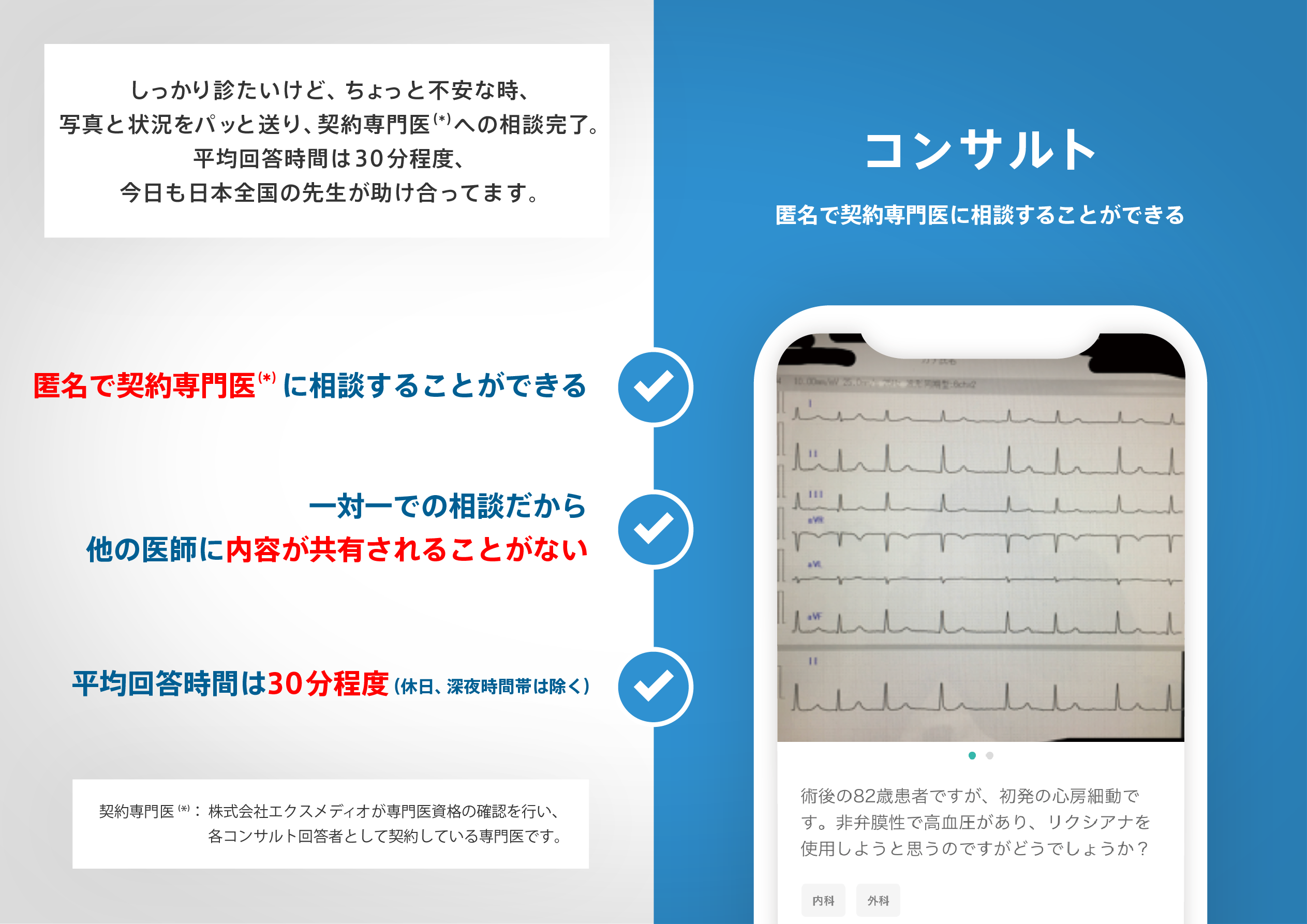
ヒポクラ x マイナビのご紹介

無料会員登録していただくと、さらに便利で効率的な検索が可能になります。