著名医師による解説が無料で読めます
すると翻訳の精度が向上します
背景:Hirschsprung疾患は、通常、小児期に外科的治療を必要とするまれな先天性疾患です。成人年齢の生活の質と社会的状態は、疾患固有の後遺症によって損なわれる可能性があります。 目的:この研究の目的は、小児期にHirschsprung病のために手術を受けた成人患者の生活の質と社会的成果を評価することを目的としています。 設計:小児期にHirschsprung病のために手術を受けた患者が特定され、特定のアンケートが送信されました。 設定:2つの紹介センターからのデータが使用されました。 患者:生活の質と社会的状態に関するアンケートに回答した患者が含まれていました。 主な結果測定:Hirschsprungの病気と肛門直腸奇形の生活の質の疾患固有のアンケート(8次元、それぞれが0〜100の最大スコアでスコアを付けた)および社会人口学的アンケートが特定された患者に送信されました。社会人口統計データは、フランスの一般人口のデータと比較されました。 結果:34人の患者がHirschsprung疾患(男性、76%、平均年齢、32歳)が研究に含まれていました。平均合計Hirschsprungの病気と肛門直腸奇形の生活の質のスコアは、800の611(最大スコア800)でした。最も障害のある2つの寸法は、「身体症状」と「下痢」(62.9/100および73.6/100)でした。糞便の連続はわずかに影響を受けただけでした(平均スコア、89/100)。Hirschsprung病の患者は、フランスの一般人口よりも優れた教育レベルを達成しました。保護者と婚status状態は、2つのグループ間で違いはありませんでした。 制限:この研究には、遡及的研究に固有の制限がありました。 結論:この研究では、Hirschsprung疾患の後遺症を有する成人患者の生活の質がわずかに損なわれています。この先天的な異常の結果にもかかわらず、最終的に達成される状態は満足のいくものと見なすことができます。http://links.lww.com/dcr/a917のビデオ要約を参照してください。
背景:Hirschsprung疾患は、通常、小児期に外科的治療を必要とするまれな先天性疾患です。成人年齢の生活の質と社会的状態は、疾患固有の後遺症によって損なわれる可能性があります。 目的:この研究の目的は、小児期にHirschsprung病のために手術を受けた成人患者の生活の質と社会的成果を評価することを目的としています。 設計:小児期にHirschsprung病のために手術を受けた患者が特定され、特定のアンケートが送信されました。 設定:2つの紹介センターからのデータが使用されました。 患者:生活の質と社会的状態に関するアンケートに回答した患者が含まれていました。 主な結果測定:Hirschsprungの病気と肛門直腸奇形の生活の質の疾患固有のアンケート(8次元、それぞれが0〜100の最大スコアでスコアを付けた)および社会人口学的アンケートが特定された患者に送信されました。社会人口統計データは、フランスの一般人口のデータと比較されました。 結果:34人の患者がHirschsprung疾患(男性、76%、平均年齢、32歳)が研究に含まれていました。平均合計Hirschsprungの病気と肛門直腸奇形の生活の質のスコアは、800の611(最大スコア800)でした。最も障害のある2つの寸法は、「身体症状」と「下痢」(62.9/100および73.6/100)でした。糞便の連続はわずかに影響を受けただけでした(平均スコア、89/100)。Hirschsprung病の患者は、フランスの一般人口よりも優れた教育レベルを達成しました。保護者と婚status状態は、2つのグループ間で違いはありませんでした。 制限:この研究には、遡及的研究に固有の制限がありました。 結論:この研究では、Hirschsprung疾患の後遺症を有する成人患者の生活の質がわずかに損なわれています。この先天的な異常の結果にもかかわらず、最終的に達成される状態は満足のいくものと見なすことができます。http://links.lww.com/dcr/a917のビデオ要約を参照してください。
BACKGROUND: Hirschsprung disease is a rare congenital disease typically requiring surgical treatment during childhood. Quality of life and social condition at adult age can be impaired by disease-specific sequelae. OBJECTIVE: This study aimed to assess the quality of life and social outcome of adult patients operated on for Hirschsprung disease during childhood. DESIGN: Patients operated on for Hirschsprung disease during childhood were identified and specific questionnaires were sent to them. SETTINGS: Data from 2 referral centers were used. PATIENTS: Patients who completed the questionnaires regarding quality of life and social condition were included. MAIN OUTCOME MEASURES: The Hirschsprung's Disease and Anorectal Malformations Quality of Life disease-specific questionnaire (8 dimensions explored; each scored from 0 to 100 maximum score) and a sociodemographic questionnaire were sent to identified patients. Sociodemographic data were compared with those of the French general population. RESULTS: Thirty-four patients had Hirschsprung disease (men, 76%; mean age, 32 years) were included in the study. Mean total Hirschsprung's Disease and Anorectal Malformations Quality of Life score was 611 of 800 (maximum score 800). The 2 most impaired dimensions were "physical symptoms" and "diarrhea" (62.9/100 and 73.6/100). Fecal continence was only marginally affected (mean score, 89/100). Patients with Hirschsprung disease achieved better educational levels than the French general population. Parental and marital status did not differ between the 2 groups. LIMITATIONS: This study had the limitations inherent to a retrospective study. CONCLUSION: The quality of life of adult patients with Hirschsprung disease sequelae is marginally impaired in this study. Despite the consequences of this congenital abnormality, the condition eventually achieved can be considered as satisfactory. See Video Abstract at http://links.lww.com/DCR/A917.
医師のための臨床サポートサービス
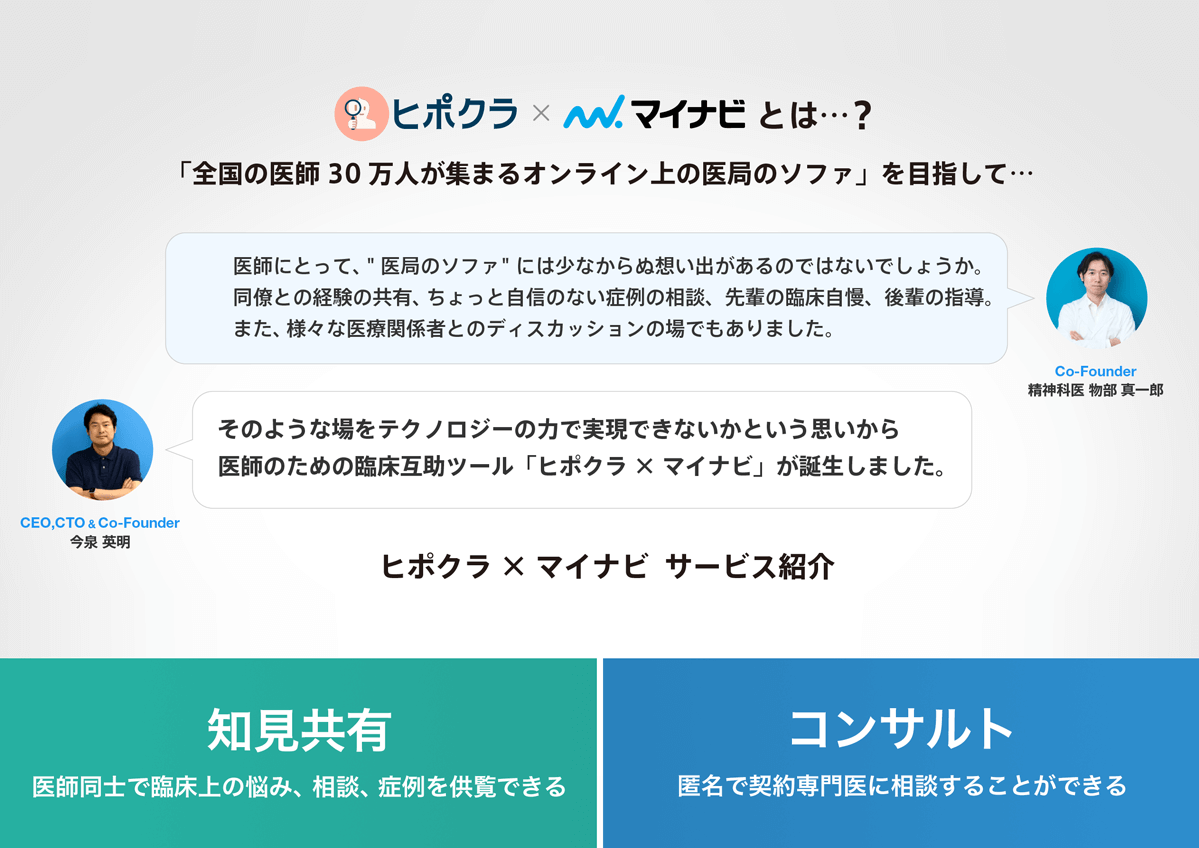
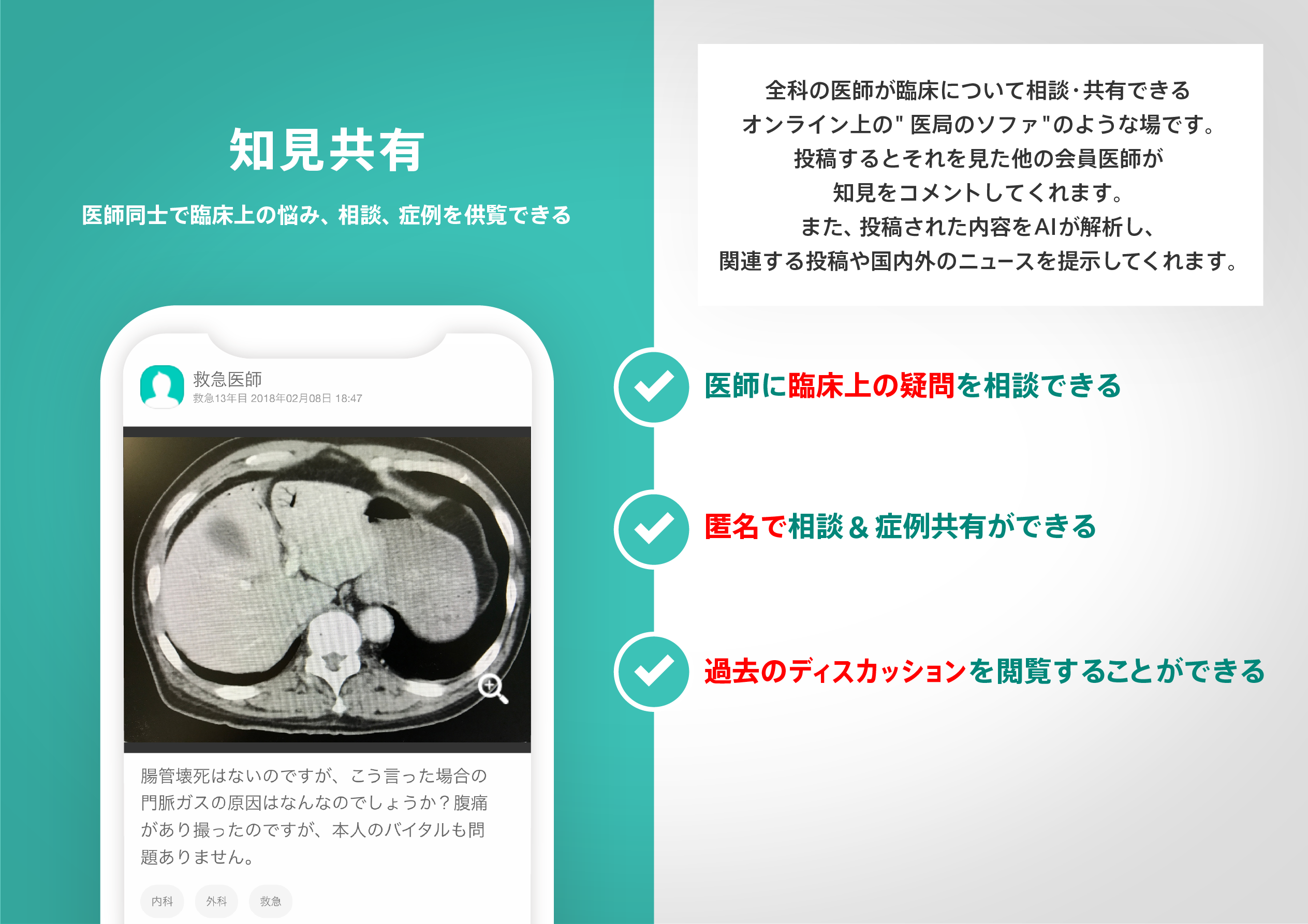
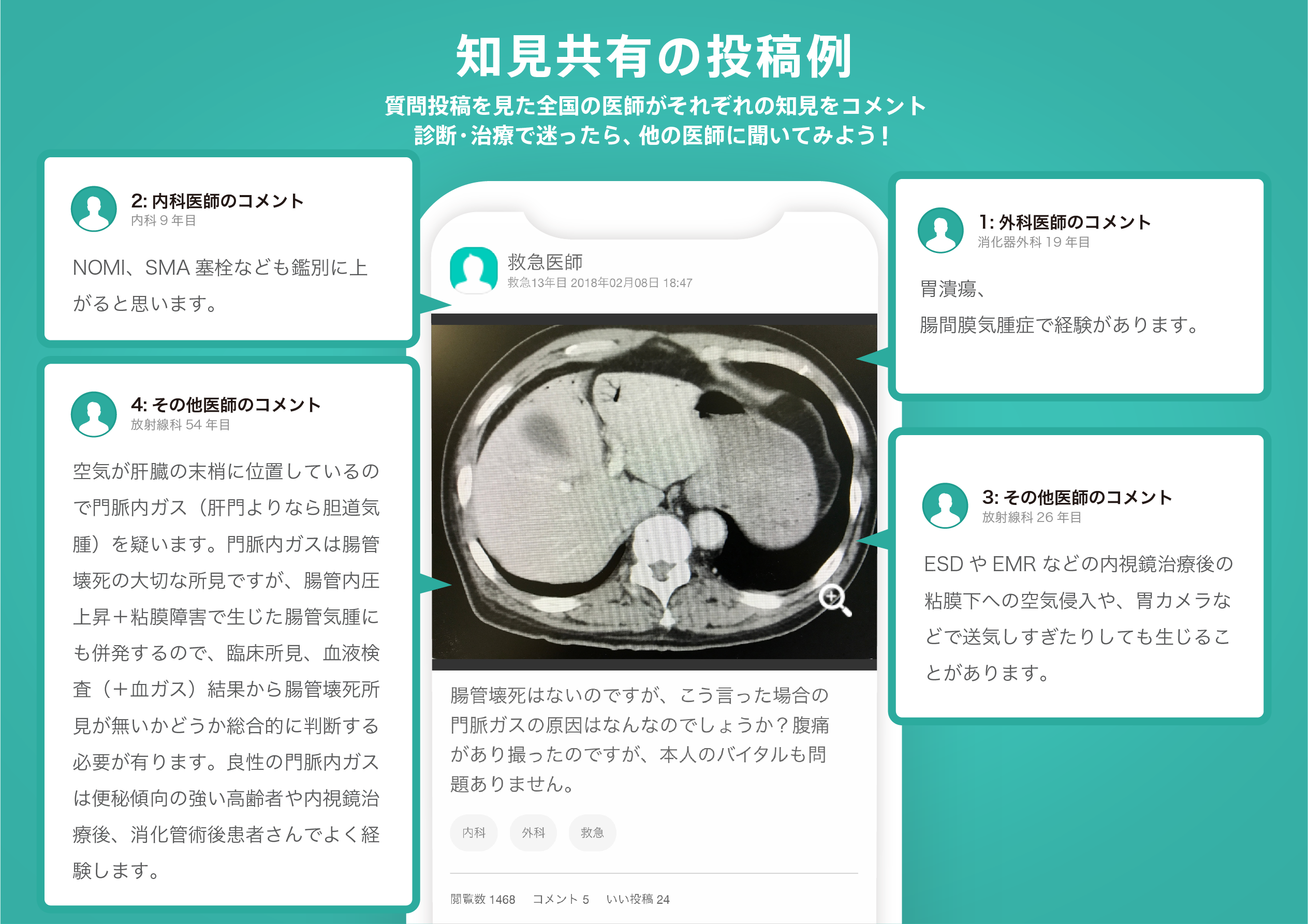
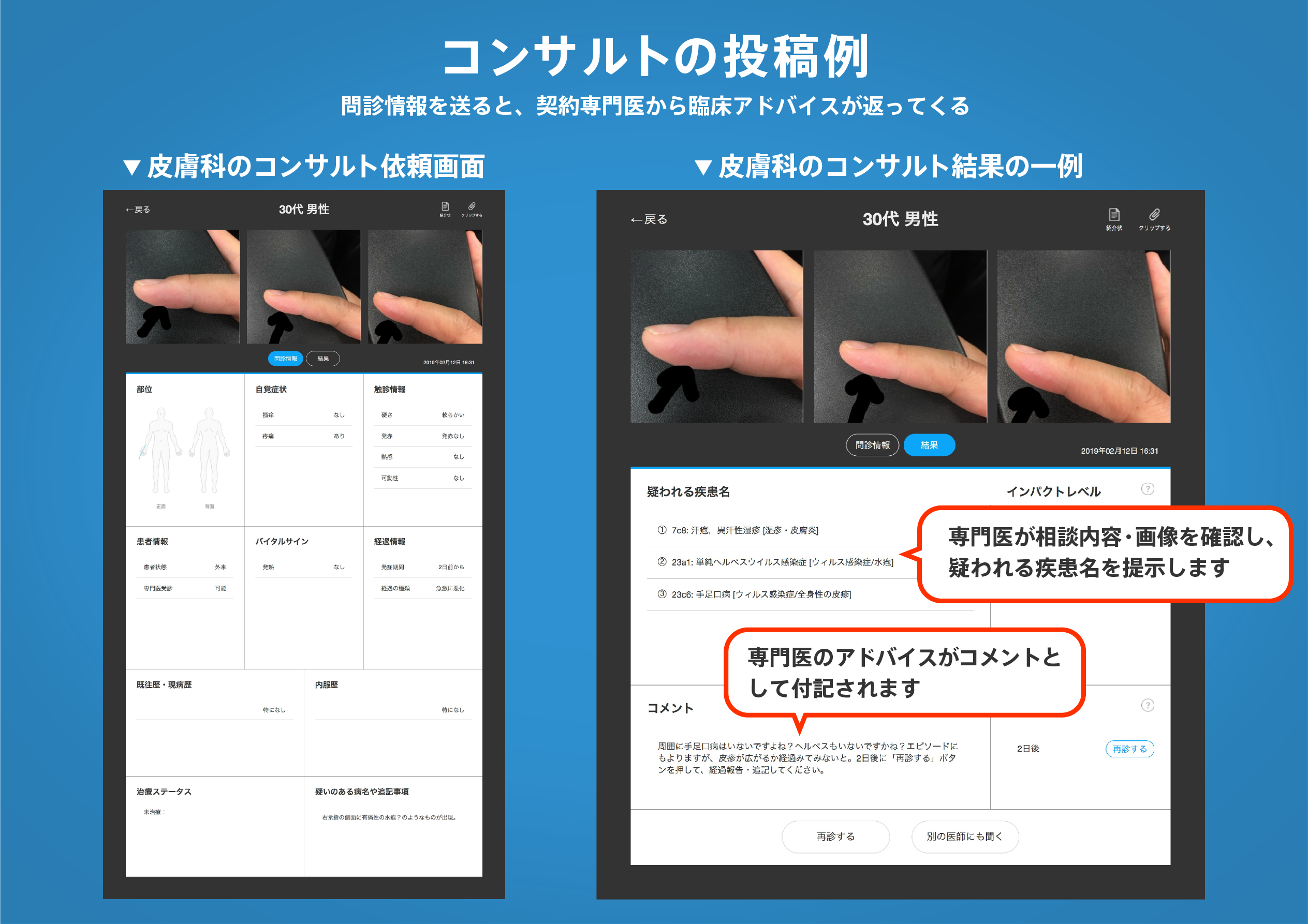
ヒポクラ x マイナビのご紹介


無料会員登録していただくと、さらに便利で効率的な検索が可能になります。