著名医師による解説が無料で読めます
すると翻訳の精度が向上します
背景と目的:この研究では、疾患と疾患活動の種類に応じて、炎症性腸疾患(IBD)における人格、心理的苦痛、ストレス対処の違いを調べました。クローン病(CD)に苦しむ患者と潰瘍性大腸炎(UC)を対照と比較しました。文献はIBDの病因の特徴的な特徴に満ちていますが、心理的障害の特定の違いは十分に研究されていません。 方法:このドイツの全国多施設研究では、参加者が32のセンターから募集されました。285のアンケートが含まれており、合計285の変数を持つ検証済みの機器に基づいて、病気の状態と心理的幸福に関する膨大な情報を提供しました。 結果:CD患者は、UCまたはコントロールに苦しむ患者よりも心理障害の影響を受けました。重要なことに、アクティブCDの患者は、神経症(p <0.01)、心理的苦痛(p <0.001)、および不適応ストレス対処(脱出、p = 0.03;反mination、p <0.03)でより高い採点を獲得しましたが、社会的支援の必要性は少なくなります(p =0.001)コントロールより。対照的に、活動的なUCに苦しむ患者は、心理的苦痛(p <0.04)および不適応対処(回避、p <0.03;脱出、p = 0.01)を示しました。寛解患者は影響を受けていないようです。特に、寛解性のUCの患者は、心理的障害によって負担されませんでした。しかし、寛解状態にあるCD患者のグループは、不安(p <0.01)および妄想的なアイデア(p = 0.04)を示しました。 結論:疾患や疾患の活動に応じて、IBDの心理障害の特定の側面を特定しました。私たちの結果は、特にアクティブなCDでの心理的支援と治療の必要性を強調しています。
背景と目的:この研究では、疾患と疾患活動の種類に応じて、炎症性腸疾患(IBD)における人格、心理的苦痛、ストレス対処の違いを調べました。クローン病(CD)に苦しむ患者と潰瘍性大腸炎(UC)を対照と比較しました。文献はIBDの病因の特徴的な特徴に満ちていますが、心理的障害の特定の違いは十分に研究されていません。 方法:このドイツの全国多施設研究では、参加者が32のセンターから募集されました。285のアンケートが含まれており、合計285の変数を持つ検証済みの機器に基づいて、病気の状態と心理的幸福に関する膨大な情報を提供しました。 結果:CD患者は、UCまたはコントロールに苦しむ患者よりも心理障害の影響を受けました。重要なことに、アクティブCDの患者は、神経症(p <0.01)、心理的苦痛(p <0.001)、および不適応ストレス対処(脱出、p = 0.03;反mination、p <0.03)でより高い採点を獲得しましたが、社会的支援の必要性は少なくなります(p =0.001)コントロールより。対照的に、活動的なUCに苦しむ患者は、心理的苦痛(p <0.04)および不適応対処(回避、p <0.03;脱出、p = 0.01)を示しました。寛解患者は影響を受けていないようです。特に、寛解性のUCの患者は、心理的障害によって負担されませんでした。しかし、寛解状態にあるCD患者のグループは、不安(p <0.01)および妄想的なアイデア(p = 0.04)を示しました。 結論:疾患や疾患の活動に応じて、IBDの心理障害の特定の側面を特定しました。私たちの結果は、特にアクティブなCDでの心理的支援と治療の必要性を強調しています。
BACKGROUND AND AIMS: This study examined differences in personality, psychological distress, and stress coping in inflammatory bowel disease (IBD) depending on type of disease and disease activity. We compared patients suffering from Crohn's disease (CD) and ulcerative colitis (UC) with controls. While the literature is replete with distinctive features of the pathogenesis of IBD, the specific differences in psychological impairments are not well studied. METHODS: In this German national multicenter study, participants were recruited from 32 centers. Two hundred ninety-seven questionnaires were included, delivering vast information on disease status and psychological well-being based on validated instruments with a total of 285 variables. RESULTS: CD patients were more affected by psychological impairments than patients suffering from UC or controls. Importantly, patients with active CD scored higher in neuroticism (p < 0.01), psychological distress (p < 0.001) and maladaptive stress coping (escape, p = 0.03; rumination, p < 0.03), but less need for social support (p = 0.001) than controls. In contrast, patients suffering from active UC showed psychological distress (p < 0.04) and maladaptive coping (avoidance, p < 0.03; escape, p = 0.01). Patients in remission seemed to be less affected. In particular, patients with UC in remission were not inflicted by psychological impairments. The group of CD patients in remission however, showed insecurity (p < 0.01) and paranoid ideation (p = 0.04). CONCLUSIONS: We identified specific aspects of psychological impairment in IBD depending on disease and disease activity. Our results underscore the need for psychological support and treatment particularly in active CD.
医師のための臨床サポートサービス
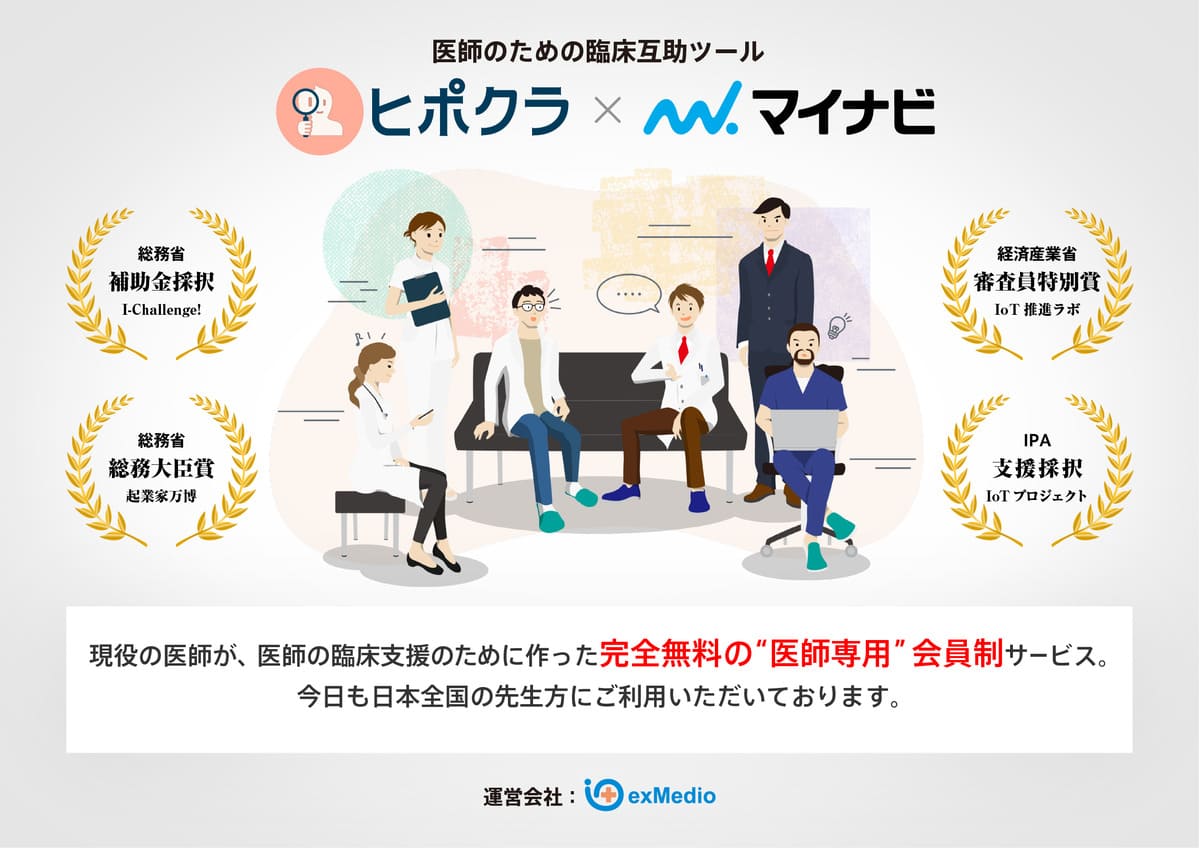
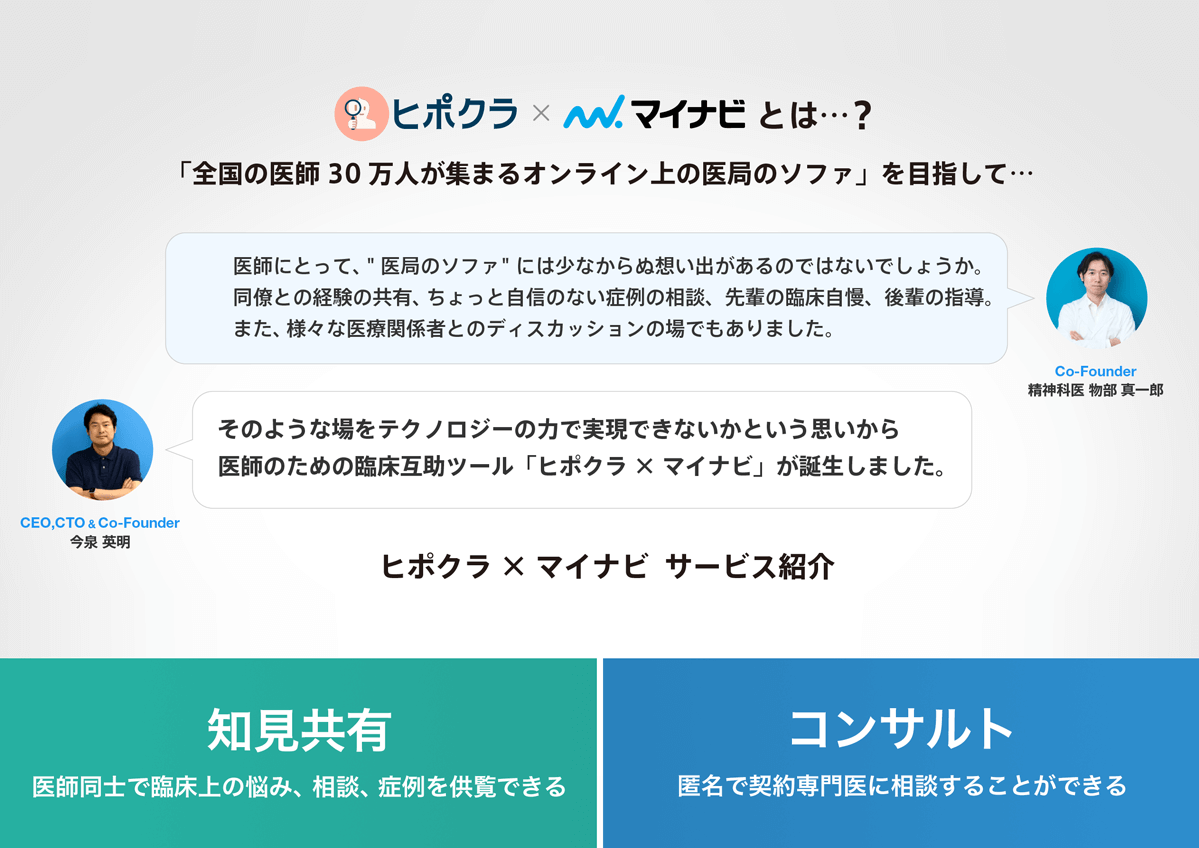
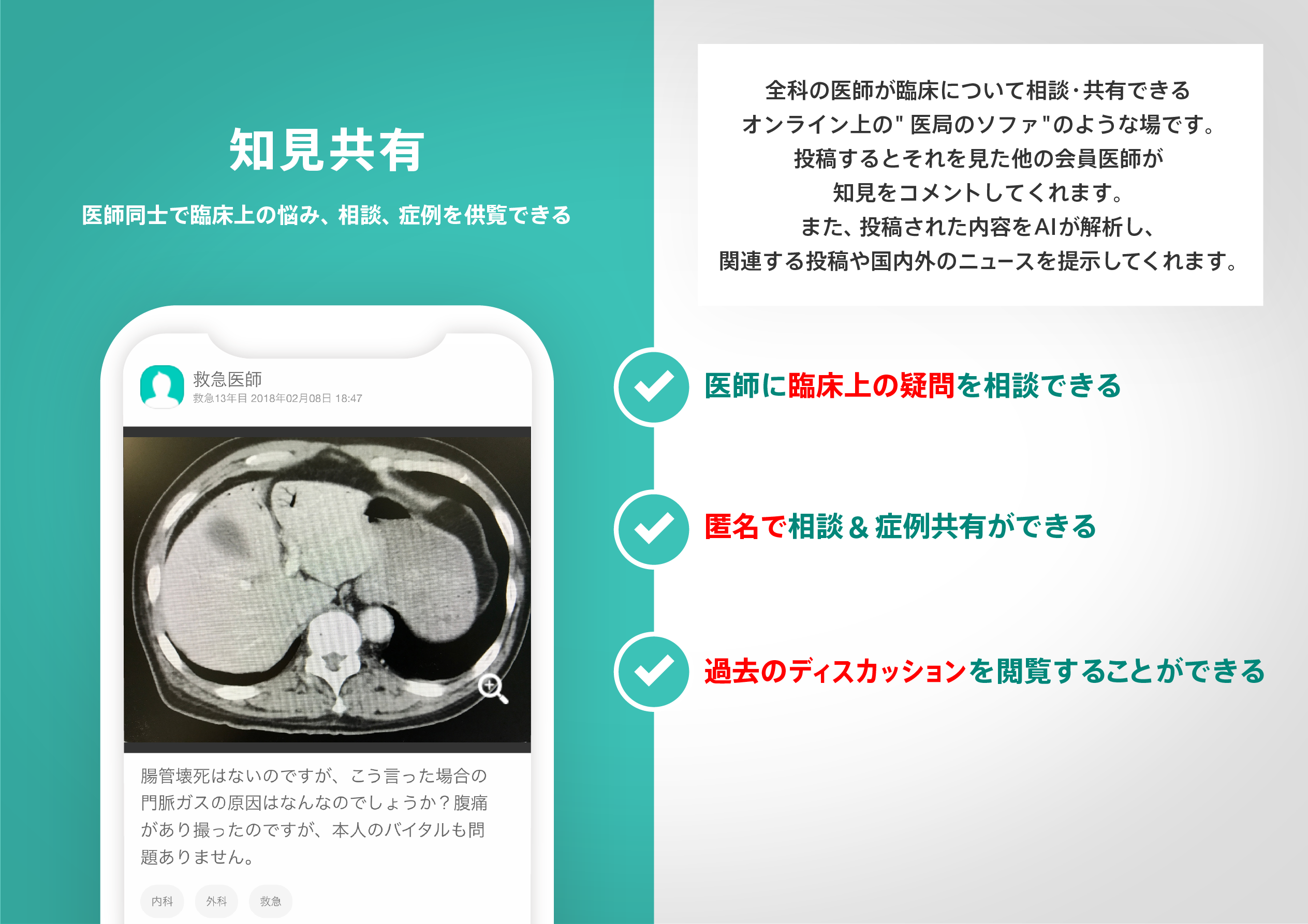
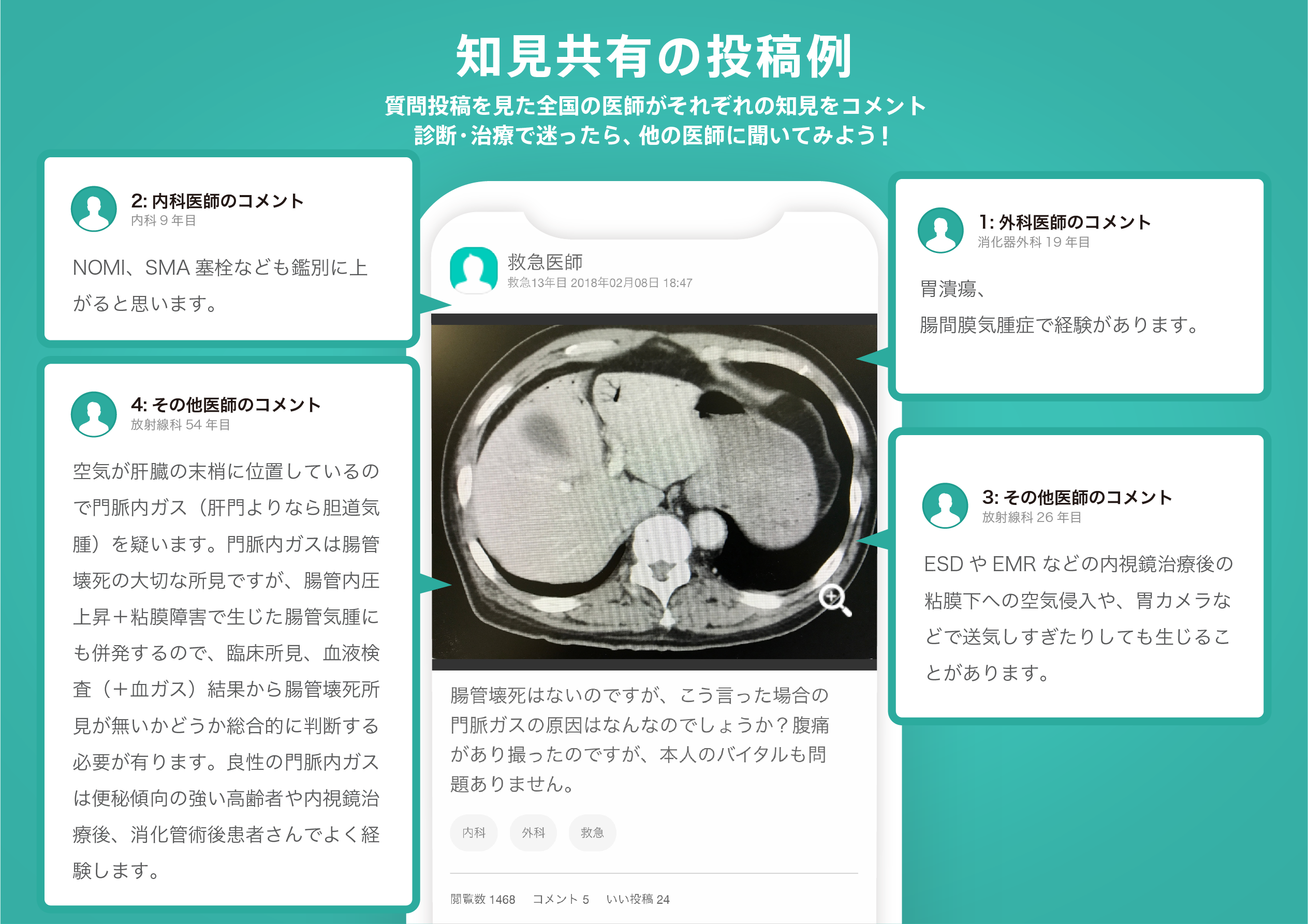
ヒポクラ x マイナビのご紹介
無料会員登録していただくと、さらに便利で効率的な検索が可能になります。