著名医師による解説が無料で読めます
すると翻訳の精度が向上します
目的:副鼻腔炎のある死体の頭と馬の副鼻腔排水を確立および/または改善するための2つの外科的技術を評価し、術後経性副鼻腔内視鏡検査の実現可能性を評価する。 研究デザイン:ex vivo研究(馬の死体ヘッド)および症例シリーズ。 サンプル集団:9匹の成体馬の死体の頭と再発性副鼻腔炎の8頭の馬。 方法:ex in vivo研究では、9つの死体ヘッドで次の手順を実施しました:術前および術後コンピューター断層撮影(ヘッド1〜6)、腹側腹部コンチャール洞(TCVC)の経鏡誘導経スコンコティソティ、および節約炎の動脈瘤の外科的拡大の拡大(センマップ)反対側(ヘッド1-3)、両側のTCVCと上院の組み合わせ(ヘッド4-9)、手術前後の副鼻腔排水の評価(ヘッド7-9)、および術後経ス性内視鏡検査(頭4--9)。症例シリーズでは、二次副鼻腔炎の8頭の馬が、上院および/またはTCVCSおよび術後経性内視鏡検査で立位で治療されました。 結果:Sinonasal Communicationsは、すべての死体と影響を受けた生きている馬で成功裏に作成されました。中央のコンカル副鼻腔を除くすべての副鼻腔の経ス性内視鏡検査は、頭部4-9およびすべての臨床症例で可能でした。副鼻腔排水は、技術を組み合わせることにより改善されました(p = .028)。生きている馬の失血は、馬あたり0.5〜5.5 L(1.95±1.5)の範囲でした。副鼻腔炎は、3.2〜25.5ヶ月(13.5±8.5)のフォローアップ中に、すべての罹患した馬で解消されました。 結論:腹側コンカル洞と上院の経性コンコティーミーは、一貫して大規模なシノサル通信を作成し、洞内視鏡検査を促進し、副鼻腔排水を改善しました。 臨床的意義:腹側コンchal洞および上院の経性コンコティーミーは、副鼻腔炎と副鼻腔通信の解剖学的閉塞を伴う馬を治療するための実行可能な選択肢です。
目的:副鼻腔炎のある死体の頭と馬の副鼻腔排水を確立および/または改善するための2つの外科的技術を評価し、術後経性副鼻腔内視鏡検査の実現可能性を評価する。 研究デザイン:ex vivo研究(馬の死体ヘッド)および症例シリーズ。 サンプル集団:9匹の成体馬の死体の頭と再発性副鼻腔炎の8頭の馬。 方法:ex in vivo研究では、9つの死体ヘッドで次の手順を実施しました:術前および術後コンピューター断層撮影(ヘッド1〜6)、腹側腹部コンチャール洞(TCVC)の経鏡誘導経スコンコティソティ、および節約炎の動脈瘤の外科的拡大の拡大(センマップ)反対側(ヘッド1-3)、両側のTCVCと上院の組み合わせ(ヘッド4-9)、手術前後の副鼻腔排水の評価(ヘッド7-9)、および術後経ス性内視鏡検査(頭4--9)。症例シリーズでは、二次副鼻腔炎の8頭の馬が、上院および/またはTCVCSおよび術後経性内視鏡検査で立位で治療されました。 結果:Sinonasal Communicationsは、すべての死体と影響を受けた生きている馬で成功裏に作成されました。中央のコンカル副鼻腔を除くすべての副鼻腔の経ス性内視鏡検査は、頭部4-9およびすべての臨床症例で可能でした。副鼻腔排水は、技術を組み合わせることにより改善されました(p = .028)。生きている馬の失血は、馬あたり0.5〜5.5 L(1.95±1.5)の範囲でした。副鼻腔炎は、3.2〜25.5ヶ月(13.5±8.5)のフォローアップ中に、すべての罹患した馬で解消されました。 結論:腹側コンカル洞と上院の経性コンコティーミーは、一貫して大規模なシノサル通信を作成し、洞内視鏡検査を促進し、副鼻腔排水を改善しました。 臨床的意義:腹側コンchal洞および上院の経性コンコティーミーは、副鼻腔炎と副鼻腔通信の解剖学的閉塞を伴う馬を治療するための実行可能な選択肢です。
OBJECTIVE: To evaluate 2 surgical techniques for establishing and/or improving paranasal sinus drainage in cadaver heads and horses with sinusitis and evaluate the feasibility of postoperative transnasal sinus endoscopy. STUDY DESIGN: Ex vivo study (equine cadaver heads) and case series. SAMPLE POPULATION: Nine adult equine cadaver heads and 8 horses with recurrent sinusitis. METHODS: For the ex vivo study, the following procedures were performed on 9 cadaver heads: preoperative and postoperative computed tomography (heads 1-6), endoscopy-guided transnasal conchotomy of the ventral conchal sinus (TCVCS) and surgical enlargement of the nasomaxillary aperture (SENMAP) on opposite sides (heads 1-3), combined TCVCS and SENMAP on both sides (heads 4-9), evaluation of sinus drainage before and after surgery (heads 7-9), and postoperative transnasal endoscopy (heads 4-9). For the case series, 8 horses with secondary sinusitis were treated in standing position with SENMAP and/or TCVCS and postoperative transnasal endoscopy. RESULTS: Sinonasal communications were successfully created in all cadavers and affected live horses. Transnasal endoscopy of all sinuses except the middle conchal sinus was possible in heads 4-9 and in all clinical cases. Sinus drainage was improved (P = .028) by combining techniques. Blood loss in live horses ranged from 0.5-5.5 L (1.95 ± 1.5) per horse. Sinusitis resolved in all affected horses during follow-up of 3.2-25.5 months (13.5 ± 8.5). CONCLUSION: Transnasal conchotomy of the ventral conchal sinus and SENMAP consistently created large sinonasal communications, facilitating sinus endoscopy and improving sinus drainage. CLINICAL SIGNIFICANCE: Transnasal conchotomy of the ventral conchal sinus and SENMAP are viable options to treat horses with sinusitis and anatomical obstructions of the sinonasal communications.
医師のための臨床サポートサービス
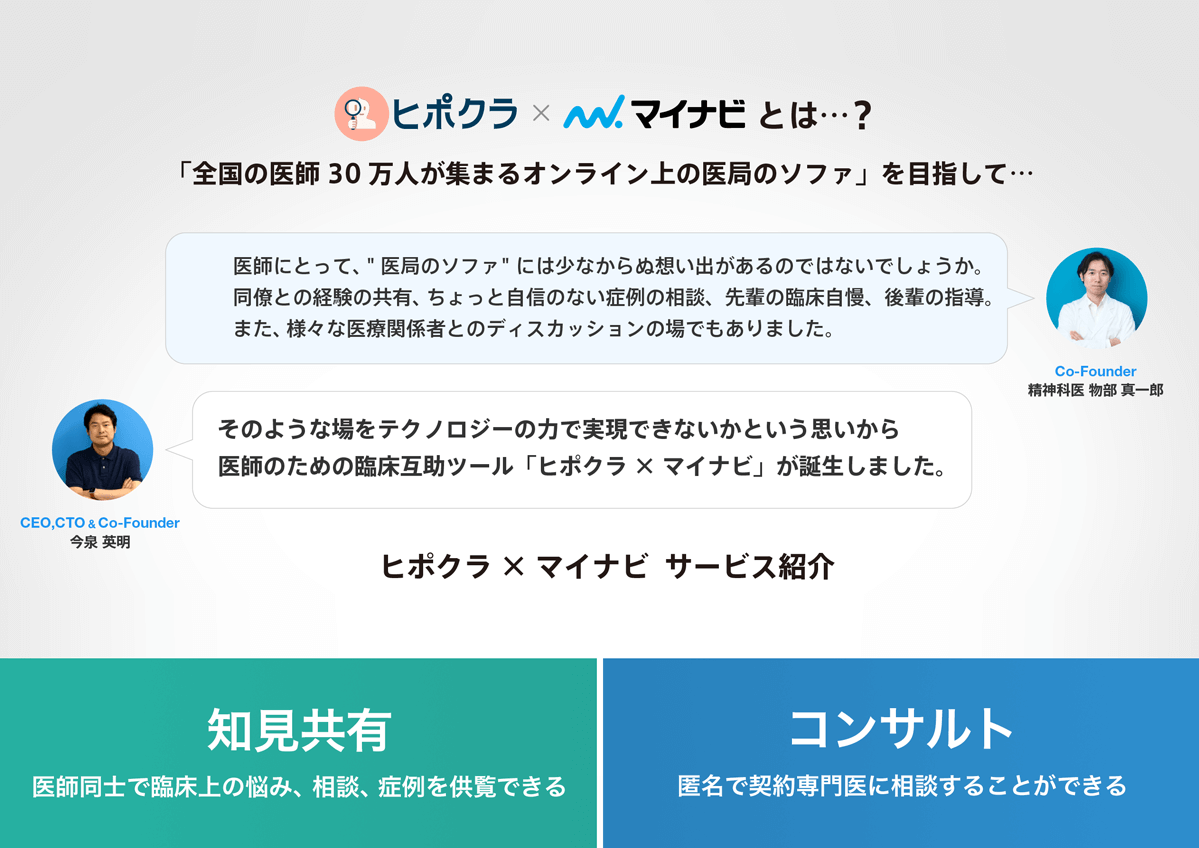
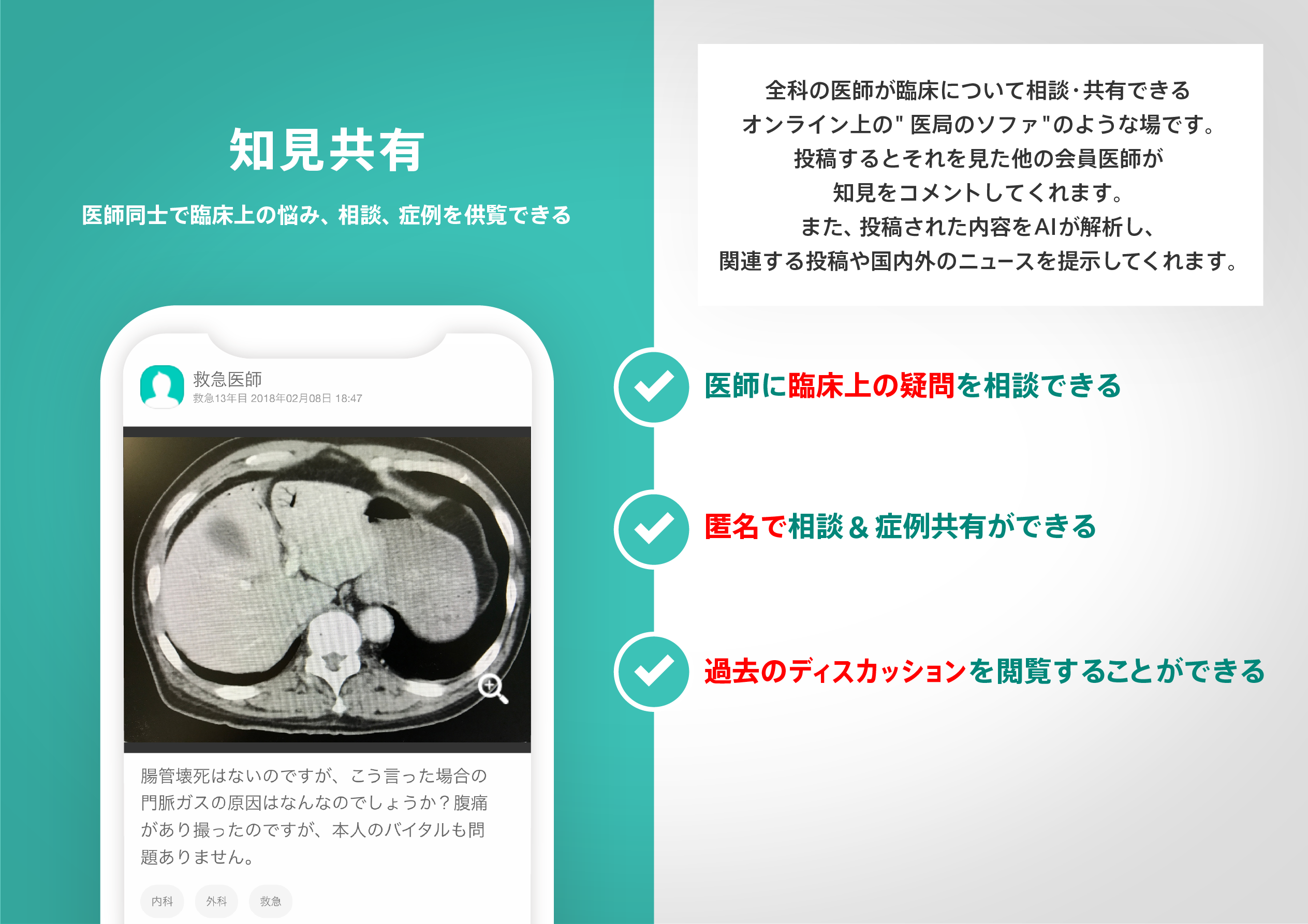
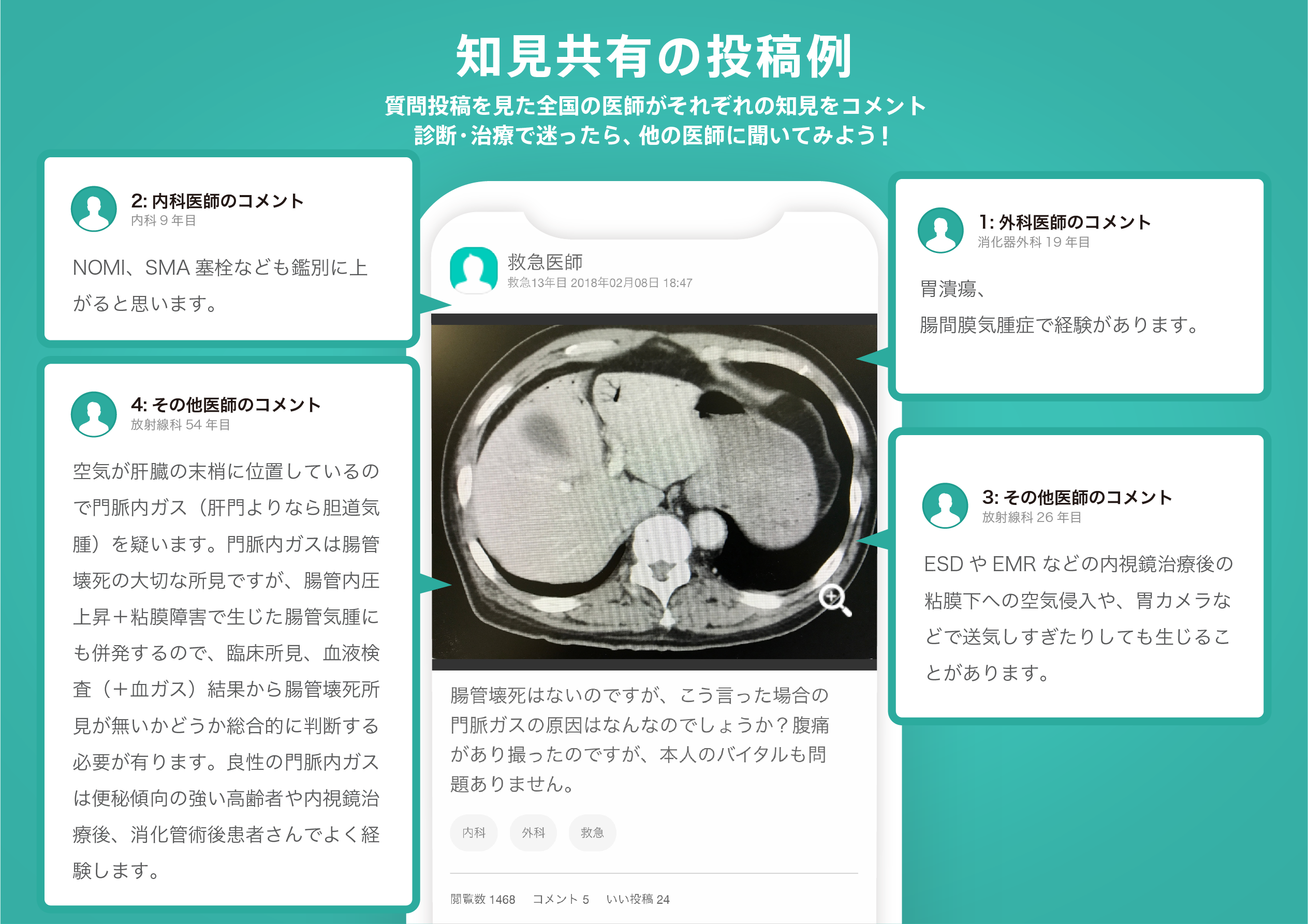
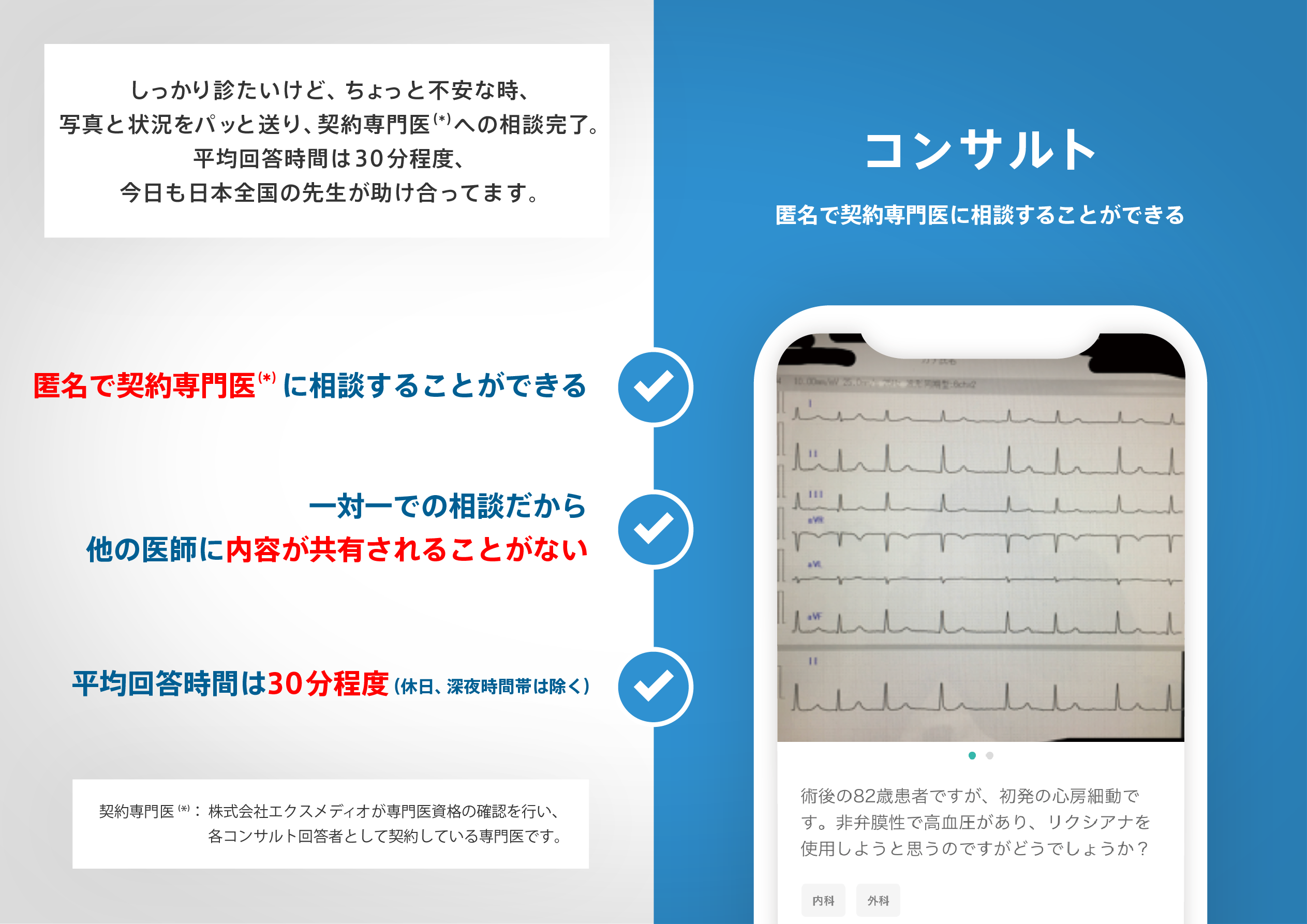
ヒポクラ x マイナビのご紹介

無料会員登録していただくと、さらに便利で効率的な検索が可能になります。