著名医師による解説が無料で読めます
すると翻訳の精度が向上します
背景:心筋梗塞を複雑にする心臓原性ショックの結果は、さまざまな経皮的機械的循環支持オプションの開発にもかかわらず、過去30年間でそれほど変化していません。心原性ショックにはさまざまな程度があることは明らかですが、この疾患状態を分類するための堅牢な分類スキームはありません。 方法:心血管血管造影および介入協会によって召集された専門家の学際的なグループが組み立てられ、心原性ショックのための提案された分類スキーマを導き出しました。心臓病(介入、進行性心不全、非侵襲的)、救急医療、救命救急、および心臓看護の代表者はすべて、提案されたスキーマを開発するために協力しました。 結果:AからEまでの心原性ショックの段階を説明するシステムが開発されました。ステージAは心原性ショックの「危険にさらされています」、ステージBは「開始」ショック、ステージCは「古典的な」心原性ショック、ステージDは「劣化」、Eは「極度」です。段階BとCの違いは、段階C以上に存在する低灌流の存在です。ステージDは、選択された介入の初期セットが安定性と適切な灌流を回復していないことを意味します。 結論:この提案された分類システムは、入院前のプロバイダーから集中治療スタッフまで、ケアスペクトル全体に臨床的に適用可能であるが、その有用性と潜在的な予後の意味を評価するために将来の検証研究が必要になる。
背景:心筋梗塞を複雑にする心臓原性ショックの結果は、さまざまな経皮的機械的循環支持オプションの開発にもかかわらず、過去30年間でそれほど変化していません。心原性ショックにはさまざまな程度があることは明らかですが、この疾患状態を分類するための堅牢な分類スキームはありません。 方法:心血管血管造影および介入協会によって召集された専門家の学際的なグループが組み立てられ、心原性ショックのための提案された分類スキーマを導き出しました。心臓病(介入、進行性心不全、非侵襲的)、救急医療、救命救急、および心臓看護の代表者はすべて、提案されたスキーマを開発するために協力しました。 結果:AからEまでの心原性ショックの段階を説明するシステムが開発されました。ステージAは心原性ショックの「危険にさらされています」、ステージBは「開始」ショック、ステージCは「古典的な」心原性ショック、ステージDは「劣化」、Eは「極度」です。段階BとCの違いは、段階C以上に存在する低灌流の存在です。ステージDは、選択された介入の初期セットが安定性と適切な灌流を回復していないことを意味します。 結論:この提案された分類システムは、入院前のプロバイダーから集中治療スタッフまで、ケアスペクトル全体に臨床的に適用可能であるが、その有用性と潜在的な予後の意味を評価するために将来の検証研究が必要になる。
BACKGROUND: The outcome of cardiogenic shock complicating myocardial infarction has not appreciably changed in the last 30 years despite the development of various percutaneous mechanical circulatory support options. It is clear that there are varying degrees of cardiogenic shock but there is no robust classification scheme to categorize this disease state. METHODS: A multidisciplinary group of experts convened by the Society for Cardiovascular Angiography and Interventions was assembled to derive a proposed classification schema for cardiogenic shock. Representatives from cardiology (interventional, advanced heart failure, noninvasive), emergency medicine, critical care, and cardiac nursing all collaborated to develop the proposed schema. RESULTS: A system describing stages of cardiogenic shock from A to E was developed. Stage A is "at risk" for cardiogenic shock, stage B is "beginning" shock, stage C is "classic" cardiogenic shock, stage D is "deteriorating", and E is "extremis". The difference between stages B and C is the presence of hypoperfusion which is present in stages C and higher. Stage D implies that the initial set of interventions chosen have not restored stability and adequate perfusion despite at least 30 minutes of observation and stage E is the patient in extremis, highly unstable, often with cardiovascular collapse. CONCLUSION: This proposed classification system is simple, clinically applicable across the care spectrum from pre-hospital providers to intensive care staff but will require future validation studies to assess its utility and potential prognostic implications.
医師のための臨床サポートサービス
ヒポクラ x マイナビのご紹介


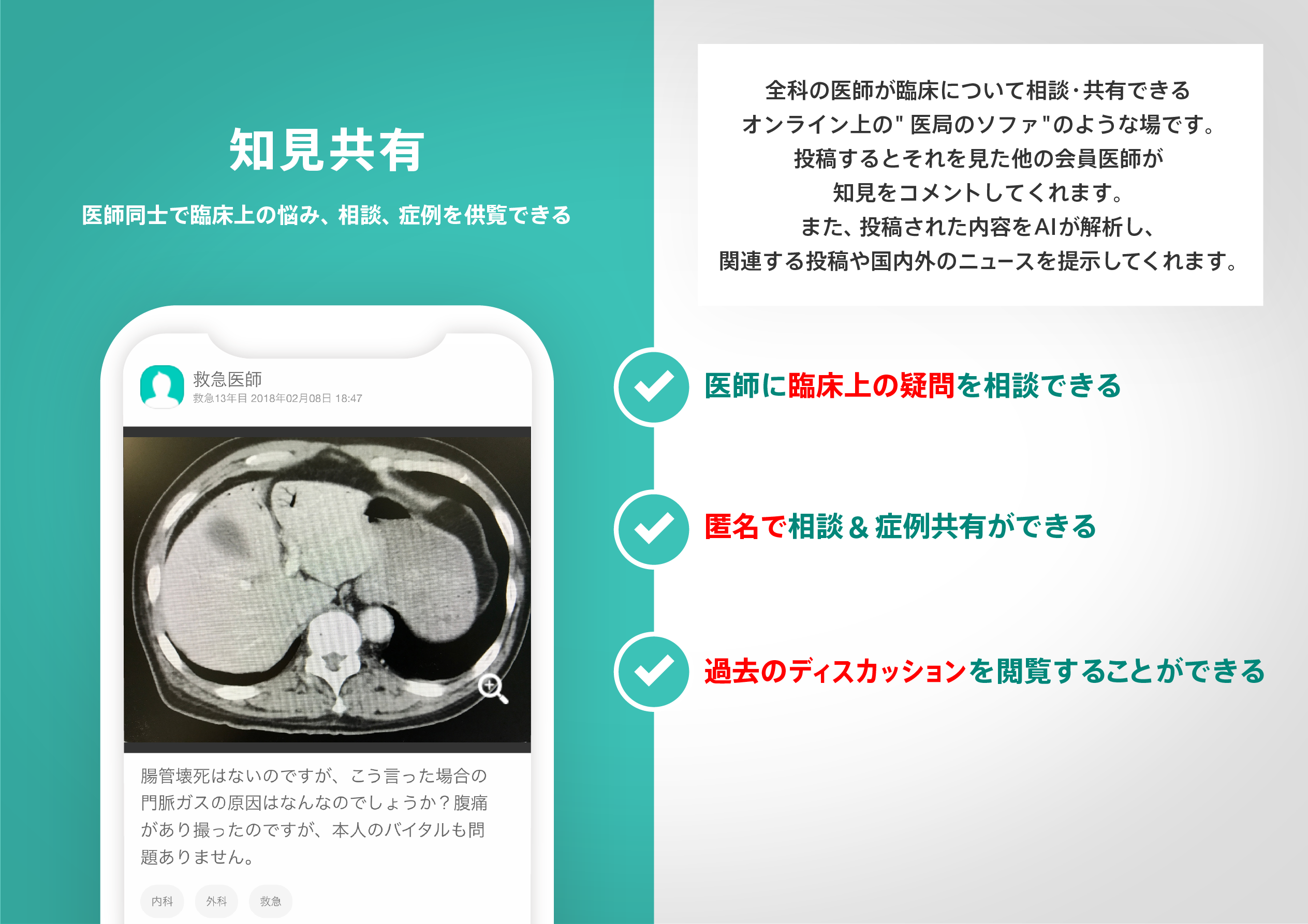
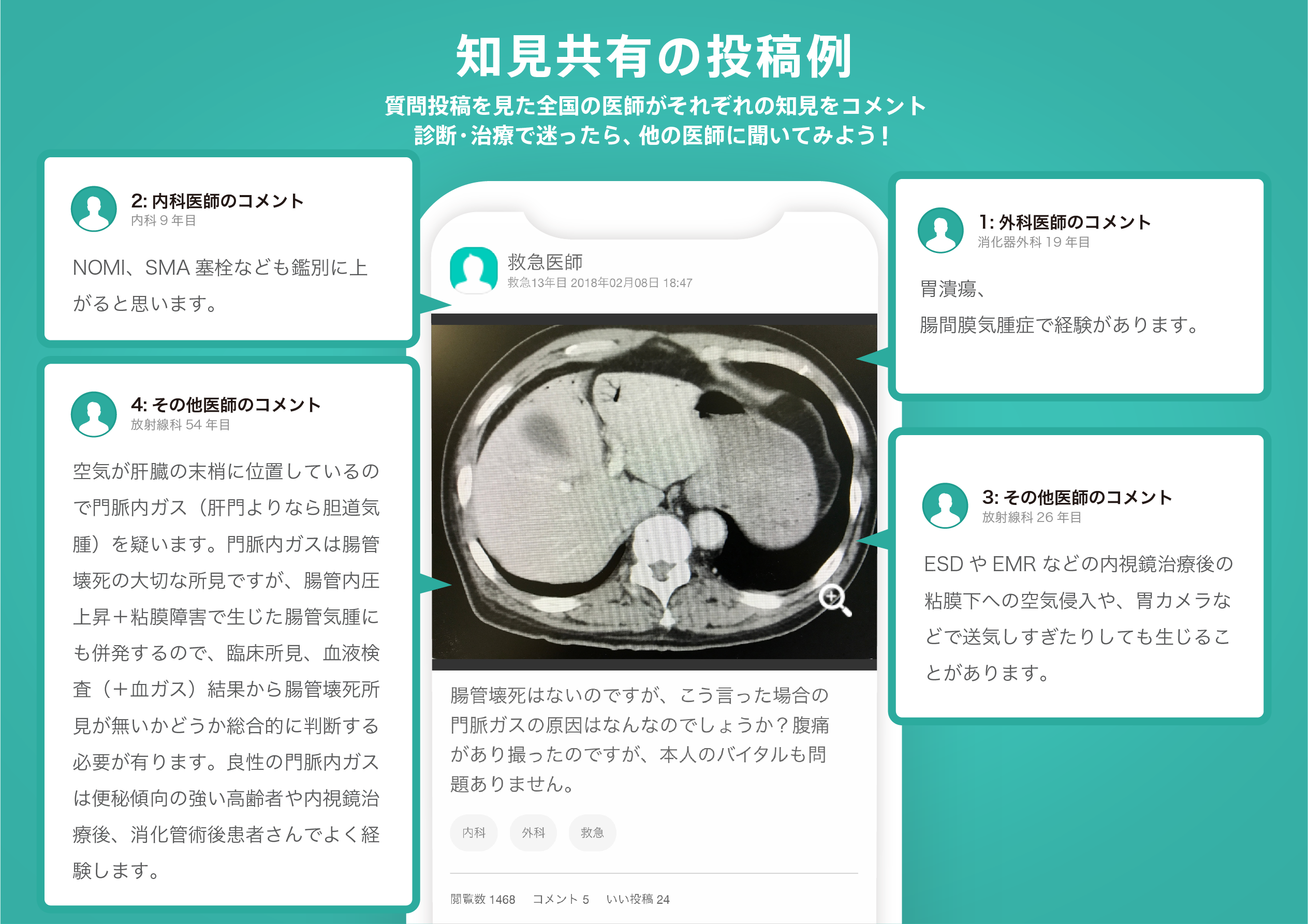
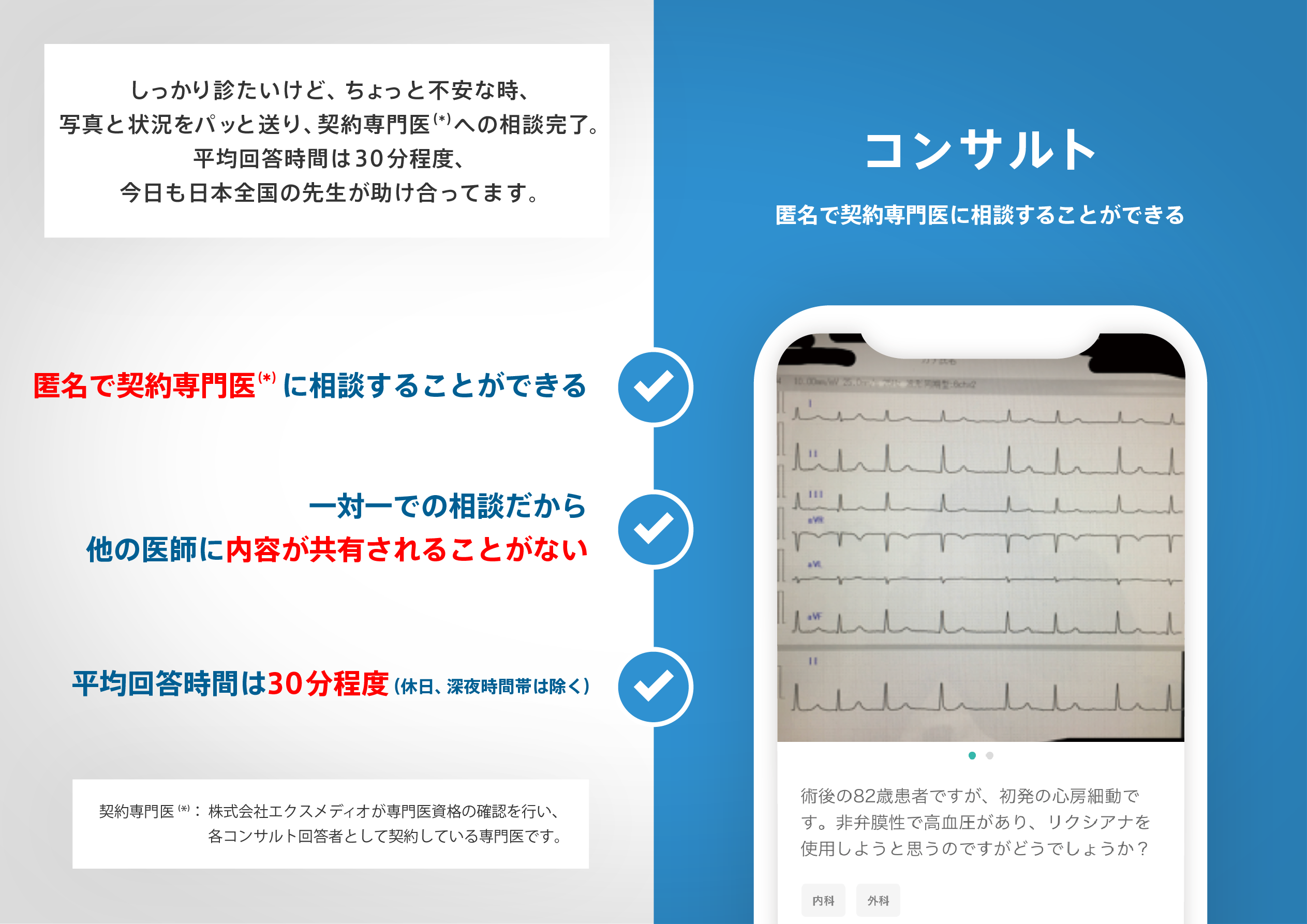
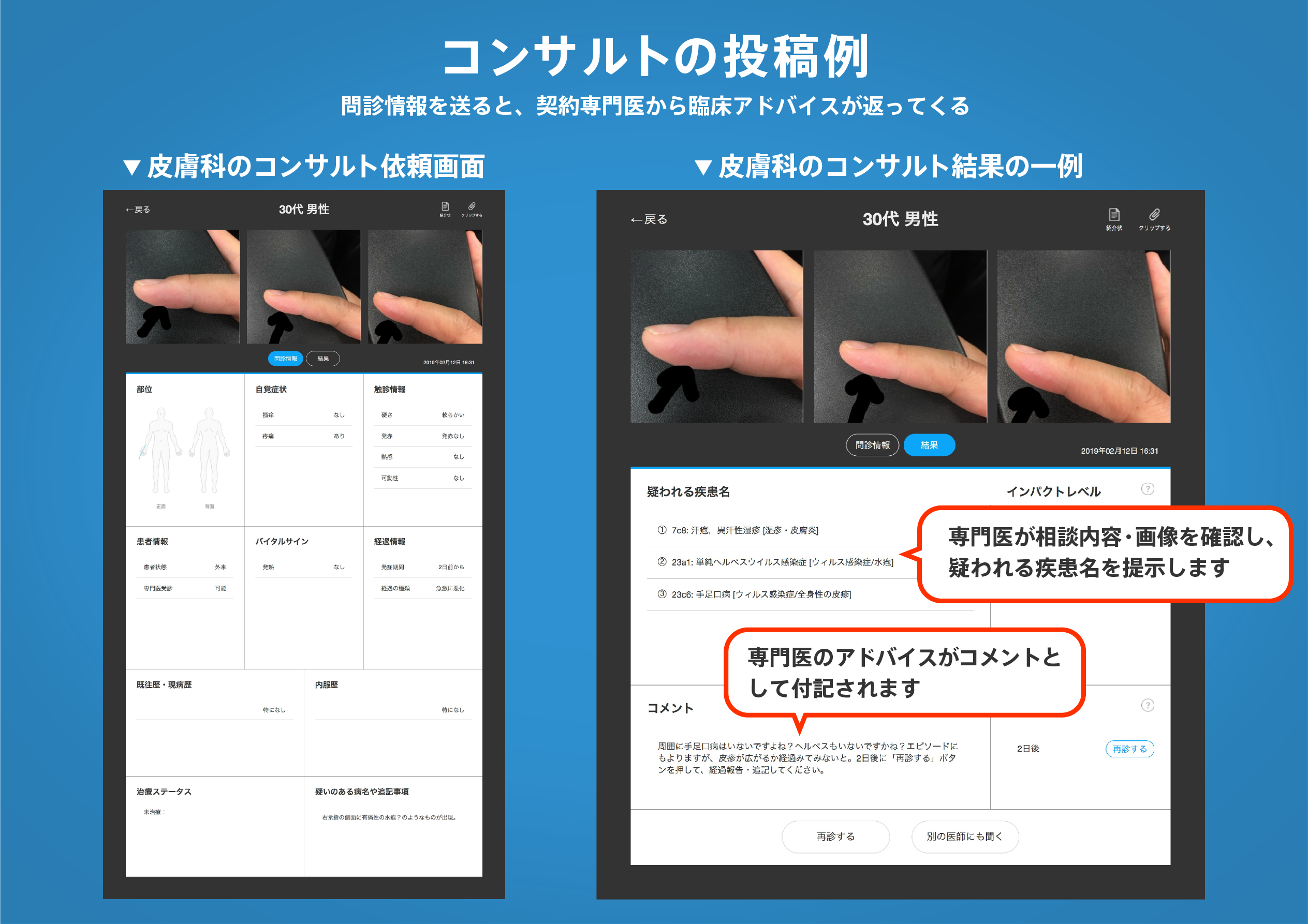
無料会員登録していただくと、さらに便利で効率的な検索が可能になります。