著名医師による解説が無料で読めます
すると翻訳の精度が向上します
背景:Artemisia Annua L.は、その抗がん活動のために注目を集めています。しかし、アルテミシニンのほかに、Artemisia Annuaの生物活性成分とそれぞれのハーブ製剤についてはあまり知られていません。アルテミシニンに加えて、Artemisia Annuaの準備には、潜在的な抗がん活性を持つ複数の成分が含まれている可能性があると仮定しました。 方法:MDA-MB-231トリプルネガティブヒト乳がん(TNBC)細胞は、他の治療耐性の転移性癌細胞株を使用して、in vitroおよびin vivoで、ハーブの準備として販売されているアルテミシアアンヌ抽出物の抗がん剤の有効性を調査しました。検出可能なアルテミシニン(検出限界= 0.2ng/mg)が含まれていません。抽出物はHPLC-DADによって特徴付けられ、最も豊富な化合物は1Hおよび13C NMR分光法で同定され、UHPLC-MS/MSによって定量化されました。細胞生存率とさまざまなアポトーシスパラメーターは、フローサイトメトリーによって定量化されました。in vitroデータは、2つのin vivoがんモデル、ひよこ絨毛膜膜(CAM)アッセイとヌードマウスの矯正乳癌異種移植片で検証されました。 結果:Atemisia annua Extractは、アセトニトリル浸潤によって活性を高めることができ、乳房(MDA-MB-231およびMCF-7)、膵臓(MIA PACA-2)、前立腺(PC-3)の生存率を阻害しました。非小細胞肺癌(A459)細胞、一方、正常な乳腺上皮細胞、リンパ球、およびPBMCは、抽出処理に比較的耐性がありました。同様に、抽出物の最も豊富な成分であるクリソスプレノールD、Arteannuin B、およびCasticinは、Arteannuic酸または6,7-ジメトキシクマリンではなく、MDA-MB-231乳癌細胞の生存率を阻害しました。抽出物は、治療後24時間以内に多核がん細胞の蓄積を誘発し、細胞周期のSおよびG2/M相の細胞の数を増加させ、その後、ミトコンドリア膜電位、カスパーゼ3活性化、およびアポトーシス陽性低下脂肪葉性の形成の喪失が続きました。細胞集団。さらに、抽出物は、CAMおよびヌードマウスで成長したTNBC MDA-MB-231異種移植片のin vivoでの癌細胞の増殖を阻害し、腫瘍の成長を減らし、in vivoでアポトーシスを誘導しました。 結論:アルテミシニン欠損アルテミシアアンヌハーブの準備の抽出物は、トリプルネガティブヒト乳がんに対する強力な抗がん活動を示します。潜在的な抗がん活性を備えたArtemisia Annua抽出物の新しい有効成分が特定されています。
背景:Artemisia Annua L.は、その抗がん活動のために注目を集めています。しかし、アルテミシニンのほかに、Artemisia Annuaの生物活性成分とそれぞれのハーブ製剤についてはあまり知られていません。アルテミシニンに加えて、Artemisia Annuaの準備には、潜在的な抗がん活性を持つ複数の成分が含まれている可能性があると仮定しました。 方法:MDA-MB-231トリプルネガティブヒト乳がん(TNBC)細胞は、他の治療耐性の転移性癌細胞株を使用して、in vitroおよびin vivoで、ハーブの準備として販売されているアルテミシアアンヌ抽出物の抗がん剤の有効性を調査しました。検出可能なアルテミシニン(検出限界= 0.2ng/mg)が含まれていません。抽出物はHPLC-DADによって特徴付けられ、最も豊富な化合物は1Hおよび13C NMR分光法で同定され、UHPLC-MS/MSによって定量化されました。細胞生存率とさまざまなアポトーシスパラメーターは、フローサイトメトリーによって定量化されました。in vitroデータは、2つのin vivoがんモデル、ひよこ絨毛膜膜(CAM)アッセイとヌードマウスの矯正乳癌異種移植片で検証されました。 結果:Atemisia annua Extractは、アセトニトリル浸潤によって活性を高めることができ、乳房(MDA-MB-231およびMCF-7)、膵臓(MIA PACA-2)、前立腺(PC-3)の生存率を阻害しました。非小細胞肺癌(A459)細胞、一方、正常な乳腺上皮細胞、リンパ球、およびPBMCは、抽出処理に比較的耐性がありました。同様に、抽出物の最も豊富な成分であるクリソスプレノールD、Arteannuin B、およびCasticinは、Arteannuic酸または6,7-ジメトキシクマリンではなく、MDA-MB-231乳癌細胞の生存率を阻害しました。抽出物は、治療後24時間以内に多核がん細胞の蓄積を誘発し、細胞周期のSおよびG2/M相の細胞の数を増加させ、その後、ミトコンドリア膜電位、カスパーゼ3活性化、およびアポトーシス陽性低下脂肪葉性の形成の喪失が続きました。細胞集団。さらに、抽出物は、CAMおよびヌードマウスで成長したTNBC MDA-MB-231異種移植片のin vivoでの癌細胞の増殖を阻害し、腫瘍の成長を減らし、in vivoでアポトーシスを誘導しました。 結論:アルテミシニン欠損アルテミシアアンヌハーブの準備の抽出物は、トリプルネガティブヒト乳がんに対する強力な抗がん活動を示します。潜在的な抗がん活性を備えたArtemisia Annua抽出物の新しい有効成分が特定されています。
BACKGROUND: Artemisia annua L. has gained increasing attention for its anticancer activity. However, beside artemisinin, less is known about the possible bioactive ingredients of Artemisia annua and respective herbal preparations. We hypothesized that, in addition to artemisinin, Artemisia annua preparations might contain multiple ingredients with potential anticancer activity. METHODS: MDA-MB-231 triple negative human breast cancer (TNBC) cells along with other treatment resistant, metastatic cancer cell lines were used to investigate in vitro and in vivo the anticancer efficacy of an Artemisia annua extract marketed as a herbal preparation, which contained no detectable artemisinin (limit of detection = 0.2 ng/mg). The extract was characterized by HPLC-DAD and the most abundant compounds were identified by 1H- and 13C NMR spectroscopy and quantified by UHPLC-MS/MS. Cell viability and various apoptotic parameters were quantified by flow cytometry. In vitro data were validated in two in vivo cancer models, the chick chorioallantoic membrane (CAM) assay and in orthotopic breast cancer xenografts in nude mice. RESULTS: The Artemisia annua extract, the activity of which could be enhanced by acetonitrile maceration, inhibited the viability of breast (MDA-MB-231 and MCF-7), pancreas (MIA PaCa-2), prostate (PC-3), non-small cell lung cancer (A459) cells, whereas normal mammary epithelial cells, lymphocytes, and PBMC were relatively resistant to extract treatment. Likewise, the extract's most abundant ingredients, chrysosplenol D, arteannuin B, and casticin, but not arteannuic acid or 6,7-dimethoxycoumarin, inhibited the viability of MDA-MB-231 breast cancer cells. The extract induced accumulation of multinucleated cancer cells within 24 h of treatment, increased the number of cells in the S and G2/M phases of the cell cycle, followed by loss of mitochondrial membrane potential, caspase 3 activation, and formation of an apoptotic hypodiploid cell population. Further, the extract inhibited cancer cell proliferation, decreased tumor growth, and induced apoptosis in vivo in TNBC MDA-MB-231 xenografts grown on CAM as well as in nude mice. CONCLUSION: An extract of an artemisinin-deficient Artemisia annua herbal preparation exhibits potent anticancer activity against triple negative human breast cancer. New active ingredients of Artemisia annua extract with potential anticancer activity have been identified.
医師のための臨床サポートサービス
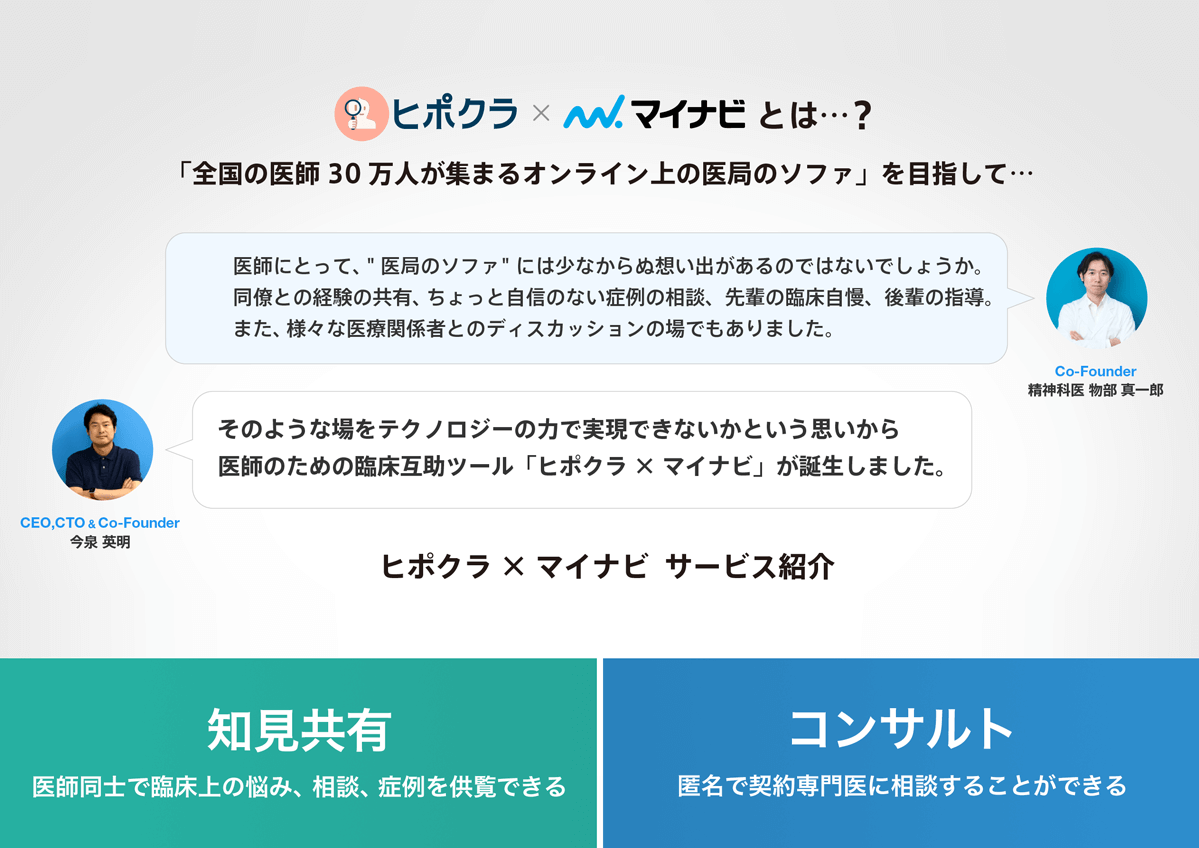
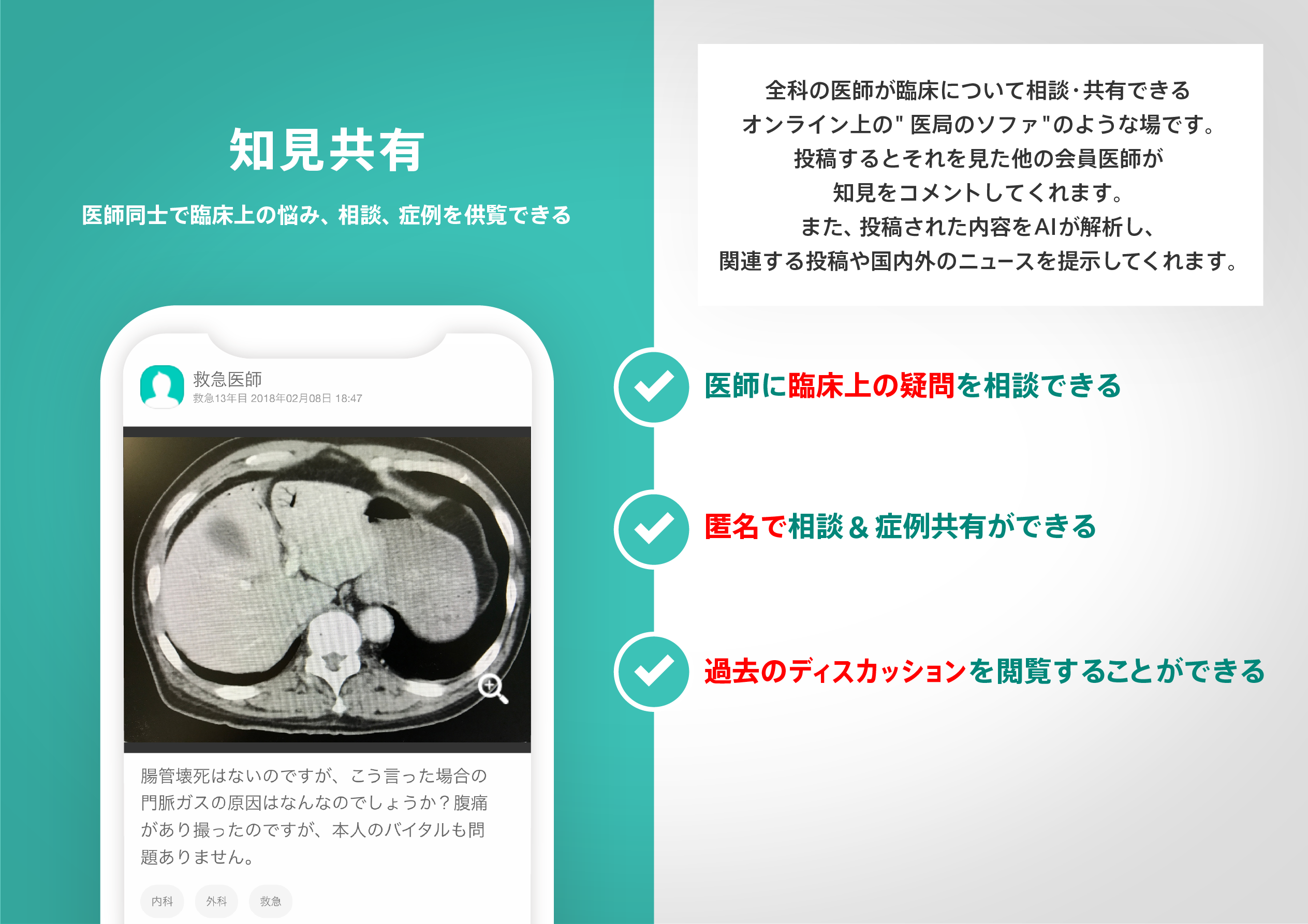
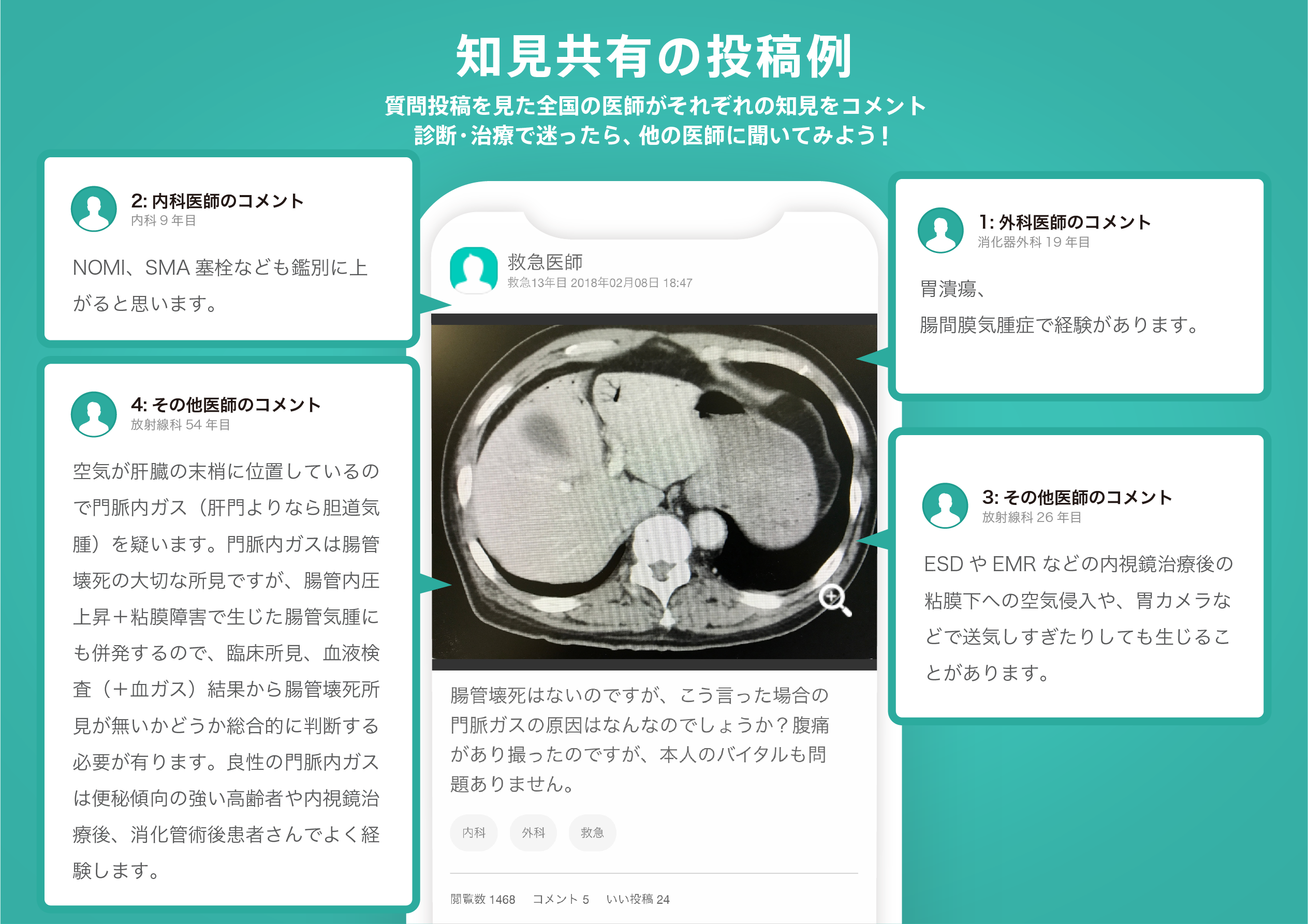
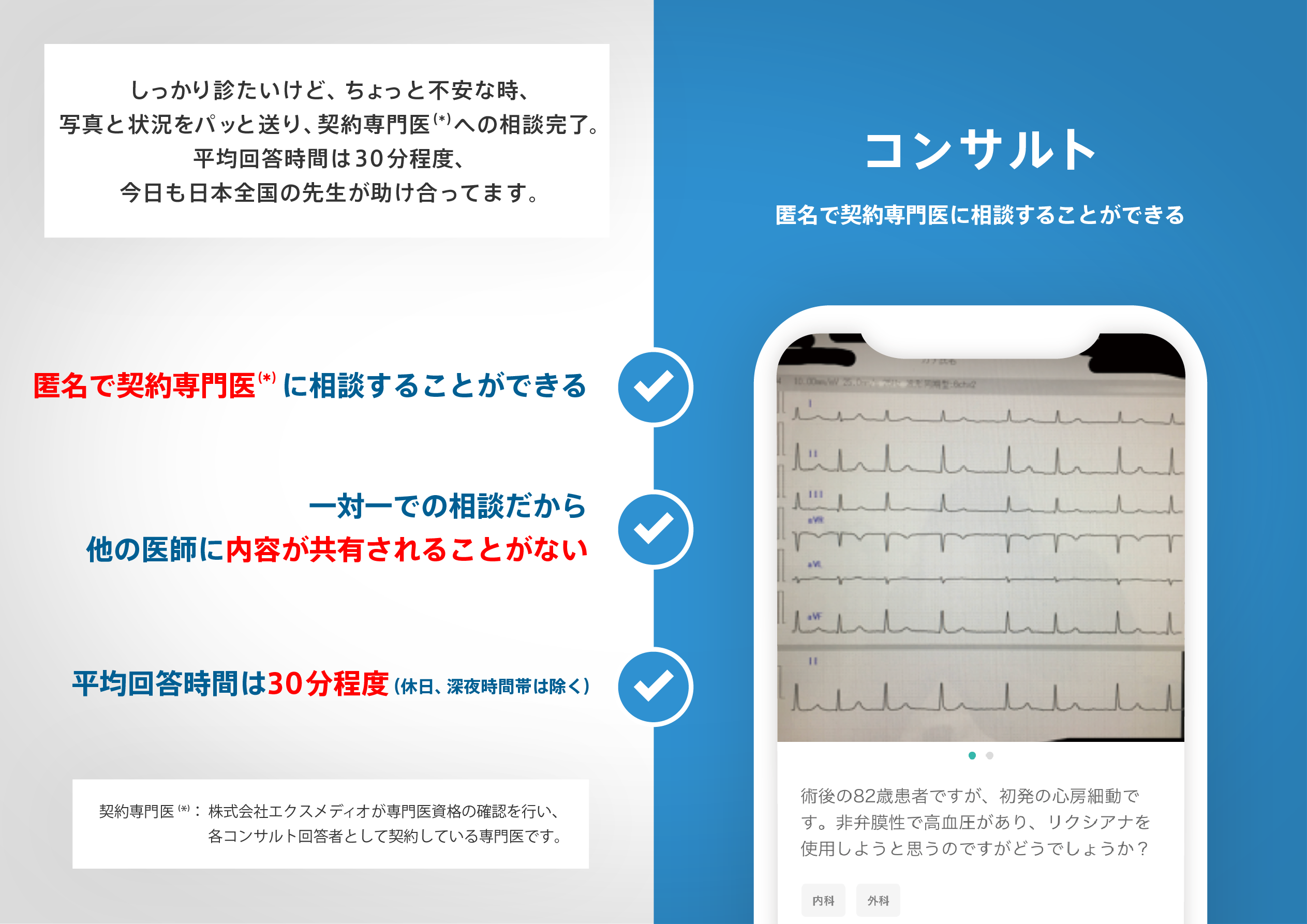
ヒポクラ x マイナビのご紹介

無料会員登録していただくと、さらに便利で効率的な検索が可能になります。