著名医師による解説が無料で読めます
すると翻訳の精度が向上します
動物恐怖症は、最も一般的な精神障害の1つです。私たちは、発症と維持に関与する2つの感情が、一般的な恐怖症の動物によってどのように誘発されるかを分析しました。オンライン調査では、被験者は恐怖と嫌悪感に応じて25の動物の画像を評価しました。さらに、彼らは4つの心理測量、恐怖調査スケジュールII(FSS)、嫌悪感スケール - 改訂(DS -R)、スネークアンケート(SNAQ)、およびSpiderアンケート(SPQ)を完了しました。冗長性分析に基づいて、恐怖と嫌悪の画像評価は2つの軸によって記述できます。1つは、より高いFSSとDS-Rスコアに関連する動物の一般的な否定的な認識と、より高いに関連するヘビとクモへの特定の嫌悪感を表す2番目の軸を反映しています。SNAQおよびSPQスコア。動物は、5つの異なるクラスターに分離できます。(1)非スリムな無脊椎動物。(2)ヘビ;(3)マウス、ラット、コウモリ。(4)ヒトの内部およびエクソパラサイト(腸のhelm虫とシラミ);(5)農場/ペットの動物。しかし、ヘビ、クモ、寄生虫だけが、非臨床集団の激しい恐怖と嫌悪感を引き起こします。結論として、恐怖と嫌悪に応じた動物の画像を評価することは、標準的なスケールに対する代替の信頼できる方法です。さらに、同じカテゴリの他の無害な種への不合理な恐怖を過度に一般化する傾向は、迅速な動物恐怖症の検出に使用できます。
動物恐怖症は、最も一般的な精神障害の1つです。私たちは、発症と維持に関与する2つの感情が、一般的な恐怖症の動物によってどのように誘発されるかを分析しました。オンライン調査では、被験者は恐怖と嫌悪感に応じて25の動物の画像を評価しました。さらに、彼らは4つの心理測量、恐怖調査スケジュールII(FSS)、嫌悪感スケール - 改訂(DS -R)、スネークアンケート(SNAQ)、およびSpiderアンケート(SPQ)を完了しました。冗長性分析に基づいて、恐怖と嫌悪の画像評価は2つの軸によって記述できます。1つは、より高いFSSとDS-Rスコアに関連する動物の一般的な否定的な認識と、より高いに関連するヘビとクモへの特定の嫌悪感を表す2番目の軸を反映しています。SNAQおよびSPQスコア。動物は、5つの異なるクラスターに分離できます。(1)非スリムな無脊椎動物。(2)ヘビ;(3)マウス、ラット、コウモリ。(4)ヒトの内部およびエクソパラサイト(腸のhelm虫とシラミ);(5)農場/ペットの動物。しかし、ヘビ、クモ、寄生虫だけが、非臨床集団の激しい恐怖と嫌悪感を引き起こします。結論として、恐怖と嫌悪に応じた動物の画像を評価することは、標準的なスケールに対する代替の信頼できる方法です。さらに、同じカテゴリの他の無害な種への不合理な恐怖を過度に一般化する傾向は、迅速な動物恐怖症の検出に使用できます。
Animal phobias are one of the most prevalent mental disorders. We analysed how fear and disgust, two emotions involved in their onset and maintenance, are elicited by common phobic animals. In an online survey, the subjects rated 25 animal images according to elicited fear and disgust. Additionally, they completed four psychometrics, the Fear Survey Schedule II (FSS), Disgust Scale - Revised (DS-R), Snake Questionnaire (SNAQ), and Spider Questionnaire (SPQ). Based on a redundancy analysis, fear and disgust image ratings could be described by two axes, one reflecting a general negative perception of animals associated with higher FSS and DS-R scores and the second one describing a specific aversion to snakes and spiders associated with higher SNAQ and SPQ scores. The animals can be separated into five distinct clusters: (1) non-slimy invertebrates; (2) snakes; (3) mice, rats, and bats; (4) human endo- and exoparasites (intestinal helminths and louse); and (5) farm/pet animals. However, only snakes, spiders, and parasites evoke intense fear and disgust in the non-clinical population. In conclusion, rating animal images according to fear and disgust can be an alternative and reliable method to standard scales. Moreover, tendencies to overgeneralize irrational fears onto other harmless species from the same category can be used for quick animal phobia detection.
医師のための臨床サポートサービス
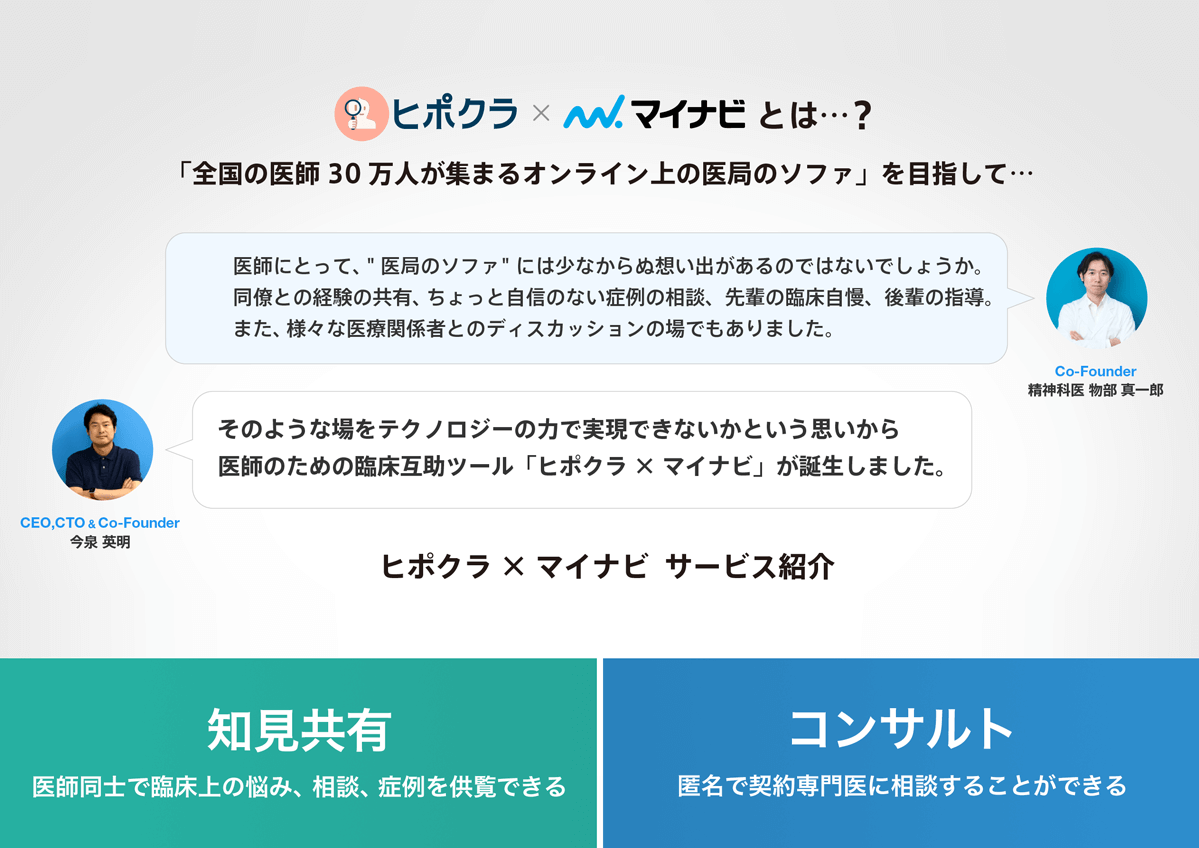
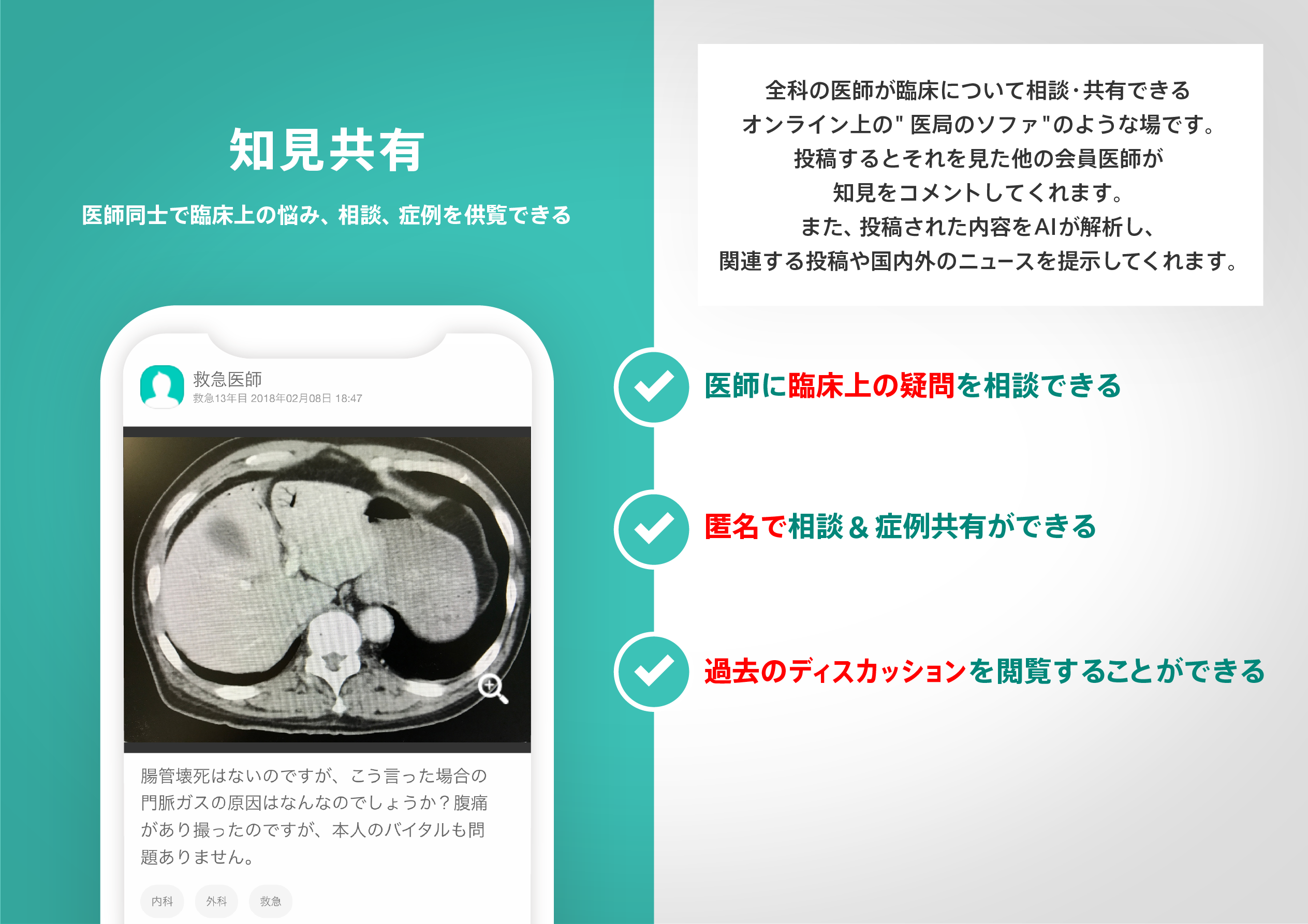
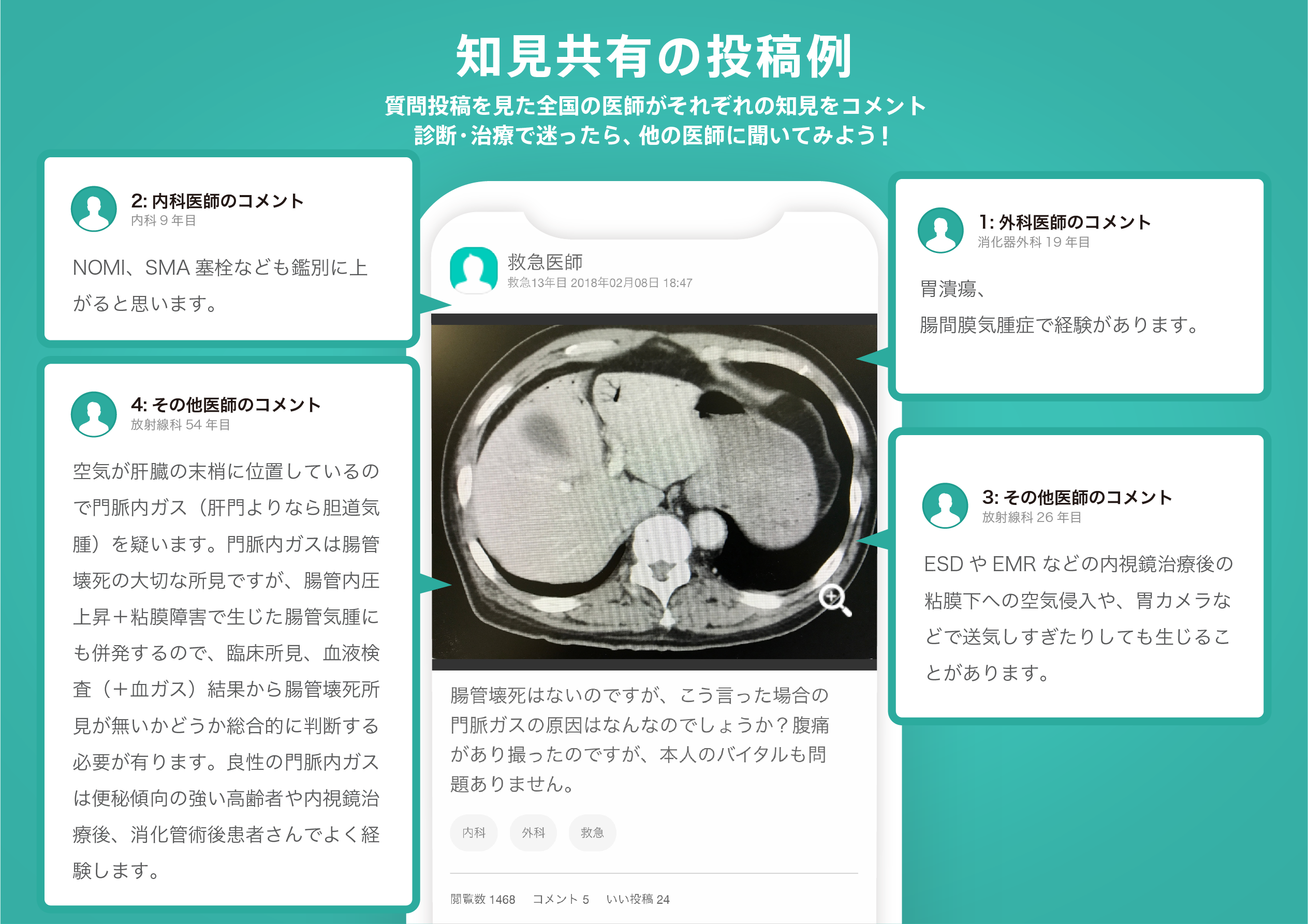
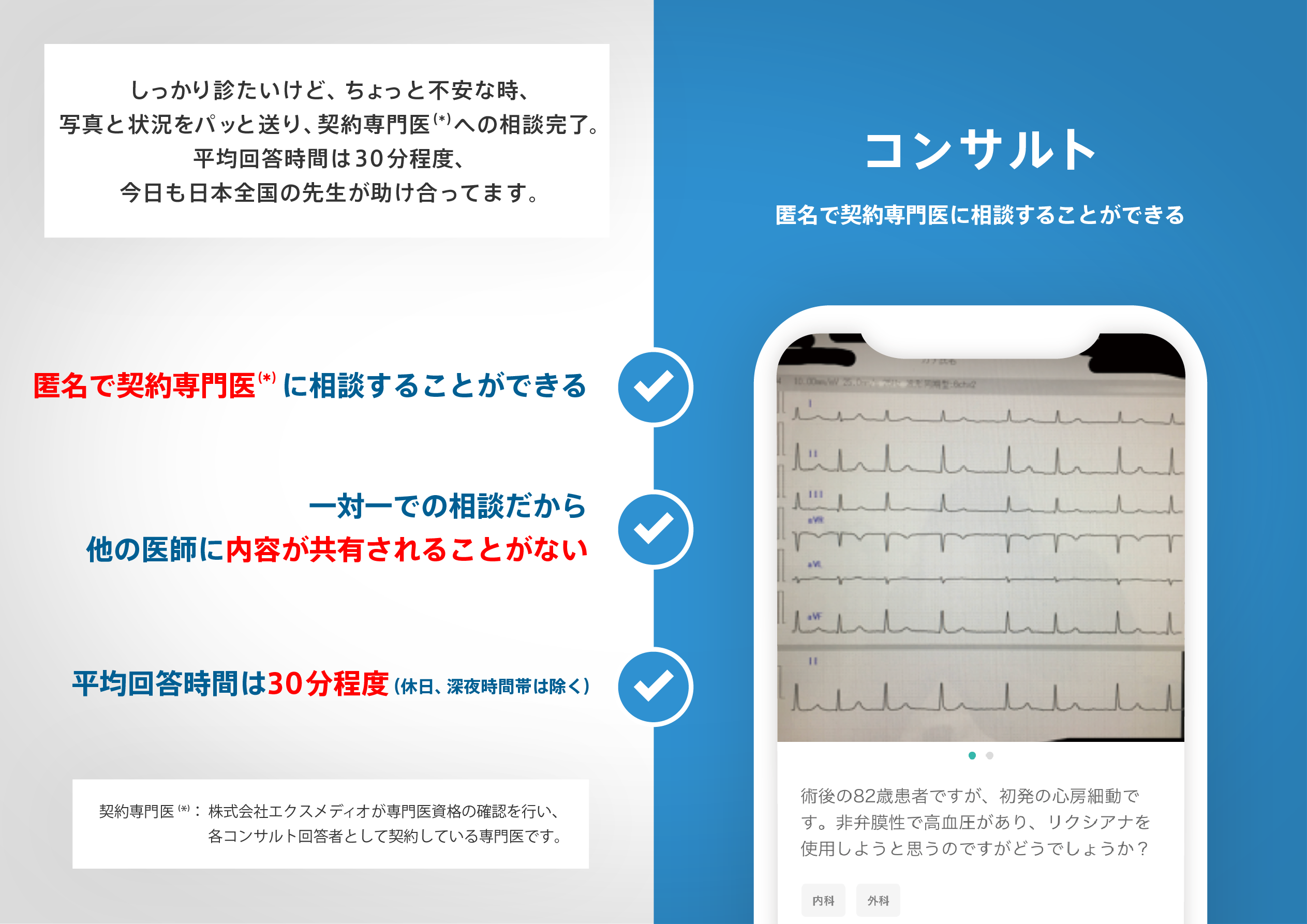
ヒポクラ x マイナビのご紹介

無料会員登録していただくと、さらに便利で効率的な検索が可能になります。