著名医師による解説が無料で読めます
すると翻訳の精度が向上します
重要性:落ち着きのない脚症候群(RLS)は、自殺念慮のより高いオッズに関連していることが以前に発見された一般的な神経障害です。米国の自殺率の増加の文脈では、RLSと自殺と自傷のリスクとの関連に関する証拠は限られています。 目的:RLSと自殺と自傷行為のリスクとの関連を調査する。 設計、設定、および参加者:このコホート研究は、2006年から2014年までのTruven Health Marketscan National Claimsデータを使用して実行されました。ベースラインデータは2006年から2008年までで、フォローアップデータは6年(2009年1月1日から2014年12月31日まで)をカバーしました。Baseline(2006-2008)のRLSを持つRLSと145194人の年齢および性別が一致した参加者を持つ24179人の非妊娠参加者が含まれていました。データ分析は、2018年2月1日から2019年1月1日までに実施されました。 暴露:国際疾患の分類、第9回改訂コードによって特定されたRLSの診断。 主な結果と対策:国際疾患の分類、第9回改訂診断コードによって特定された事件の自殺と自傷行為。 結果:現在の分析の169373人の参加者のうち、平均(SD)年齢は49.4(9.1)年でした。53426(31.5%)の参加者は男性でした。5。2(2.2)年の平均(SD)フォローアップ期間中、119の事件の自殺と自傷行為が特定されました。RLSを持つ個人は、ライフスタイル要因(アルコールと肥満など)を調整した後、RLSのない人(調整済みハザード比、2.66; 95%CI、1.70-4.15)と比較して、自殺または自傷のリスクが高かった。疾患(うつ病、不眠症、糖尿病、慢性腎臓病、末梢神経障害、鉄欠損貧血、パーキンソン病)、および薬物の使用。うつ病、不眠症、閉塞性睡眠時無呼吸、およびその他の一般的な慢性疾患のある人を除外すると、RLSと自殺または自傷行為の間の有意な関連性が持続します(調整済みハザード比、4.14; 95%CI、2.17-7.92)。 結論と関連性:落ち着きのない脚症候群は、自殺と自傷行為のリスクが高いことと関連しており、リスクはほとんどの特定された病気や状態とは無関係でした。
重要性:落ち着きのない脚症候群(RLS)は、自殺念慮のより高いオッズに関連していることが以前に発見された一般的な神経障害です。米国の自殺率の増加の文脈では、RLSと自殺と自傷のリスクとの関連に関する証拠は限られています。 目的:RLSと自殺と自傷行為のリスクとの関連を調査する。 設計、設定、および参加者:このコホート研究は、2006年から2014年までのTruven Health Marketscan National Claimsデータを使用して実行されました。ベースラインデータは2006年から2008年までで、フォローアップデータは6年(2009年1月1日から2014年12月31日まで)をカバーしました。Baseline(2006-2008)のRLSを持つRLSと145194人の年齢および性別が一致した参加者を持つ24179人の非妊娠参加者が含まれていました。データ分析は、2018年2月1日から2019年1月1日までに実施されました。 暴露:国際疾患の分類、第9回改訂コードによって特定されたRLSの診断。 主な結果と対策:国際疾患の分類、第9回改訂診断コードによって特定された事件の自殺と自傷行為。 結果:現在の分析の169373人の参加者のうち、平均(SD)年齢は49.4(9.1)年でした。53426(31.5%)の参加者は男性でした。5。2(2.2)年の平均(SD)フォローアップ期間中、119の事件の自殺と自傷行為が特定されました。RLSを持つ個人は、ライフスタイル要因(アルコールと肥満など)を調整した後、RLSのない人(調整済みハザード比、2.66; 95%CI、1.70-4.15)と比較して、自殺または自傷のリスクが高かった。疾患(うつ病、不眠症、糖尿病、慢性腎臓病、末梢神経障害、鉄欠損貧血、パーキンソン病)、および薬物の使用。うつ病、不眠症、閉塞性睡眠時無呼吸、およびその他の一般的な慢性疾患のある人を除外すると、RLSと自殺または自傷行為の間の有意な関連性が持続します(調整済みハザード比、4.14; 95%CI、2.17-7.92)。 結論と関連性:落ち着きのない脚症候群は、自殺と自傷行為のリスクが高いことと関連しており、リスクはほとんどの特定された病気や状態とは無関係でした。
IMPORTANCE: Restless legs syndrome (RLS) is a common neurologic disorder that has been previously found to be associated with higher odds of suicidal ideation. In the context of the increasing suicide rate in the United States, the evidence regarding the association between RLS and the risk of suicide and self-harm is limited. OBJECTIVE: To investigate the association between RLS and risk of suicide and self-harm. DESIGN, SETTING, AND PARTICIPANTS: This cohort study was performed using Truven Health MarketScan national claims data from 2006 to 2014; the baseline data were from 2006 to 2008, and the follow-up data covered 6 years (January 1, 2009, to December 31, 2014). Included were 24 179 nonpregnant participants with RLS and 145 194 age- and sex-matched participants without RLS at baseline (2006-2008), who were free of suicide, self-harm, cardiovascular disease, or cancer at study baseline. Data analysis was performed from February 1, 2018, to January 1, 2019. EXPOSURE: Diagnosis of RLS, as identified by the International Classification of Diseases, Ninth Revision code. MAIN OUTCOMES AND MEASURES: Incident suicide and self-harm event, identified by the International Classification of Diseases, Ninth Revision diagnosis code. RESULTS: Among 169 373 participants in the current analysis, the mean (SD) age was 49.4 (9.1) years; 53 426 (31.5%) participants were men. During a mean (SD) follow-up duration of 5.2 (2.2) years, 119 incident suicide and self-harm cases were identified. Individuals with RLS had a higher risk of suicide or self-harm compared with those without RLS (adjusted hazard ratio, 2.66; 95% CI, 1.70-4.15), after adjusting for lifestyle factors (eg, alcohol and obesity), presence of chronic diseases (eg, depression, insomnia, diabetes, chronic kidney disease, peripheral neuropathy, iron-deficiency anemia, and Parkinson disease), and use of medications. Excluding those with depression, insomnia, obstructive sleep apnea, and other common chronic conditions, the significant association between RLS and suicide or self-harm persisted (adjusted hazard ratio, 4.14; 95% CI, 2.17-7.92). CONCLUSIONS AND RELEVANCE: Restless legs syndrome was associated with a high risk of suicide and self-harm, and the risk was independent of most identified diseases and conditions.
医師のための臨床サポートサービス
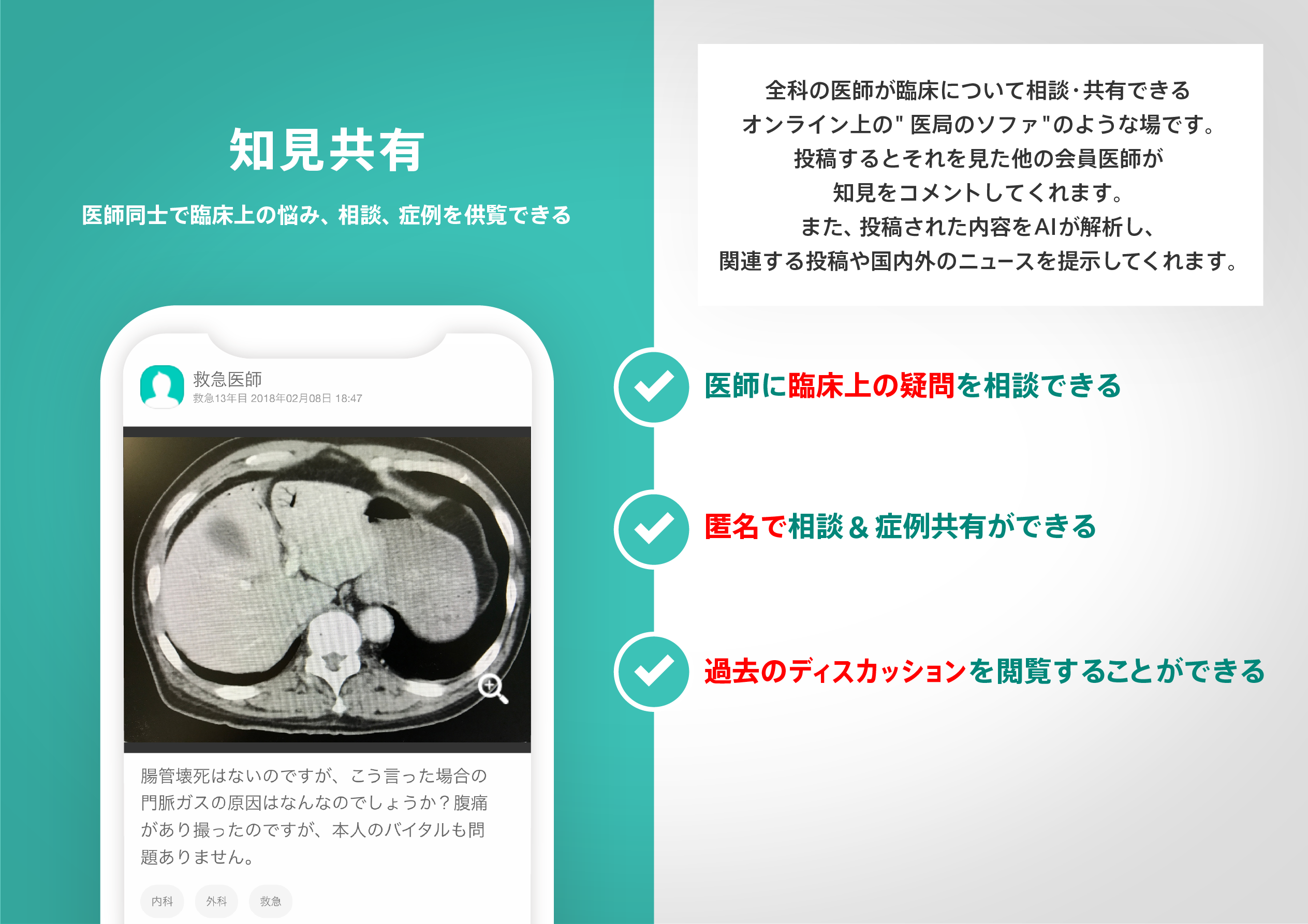
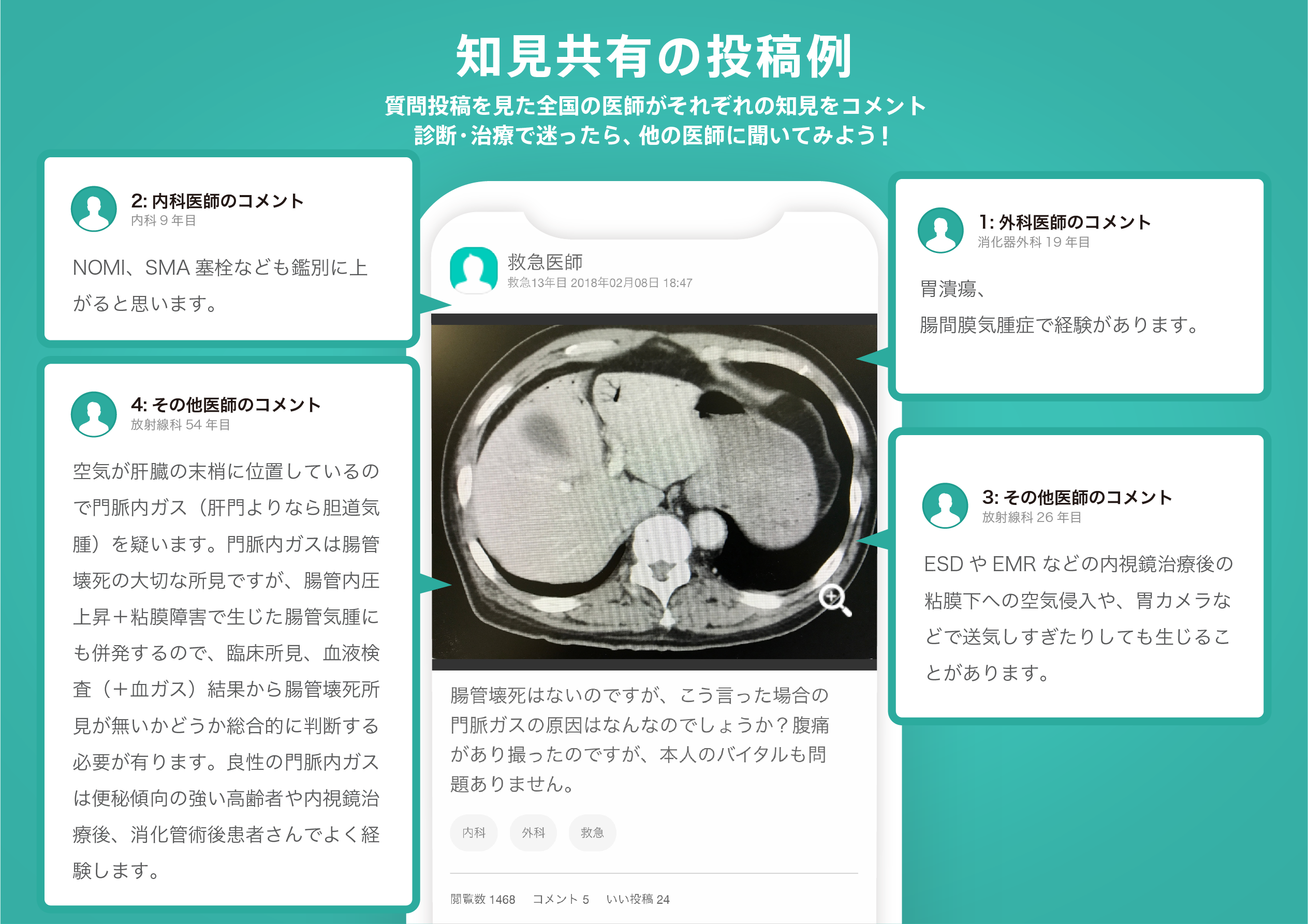
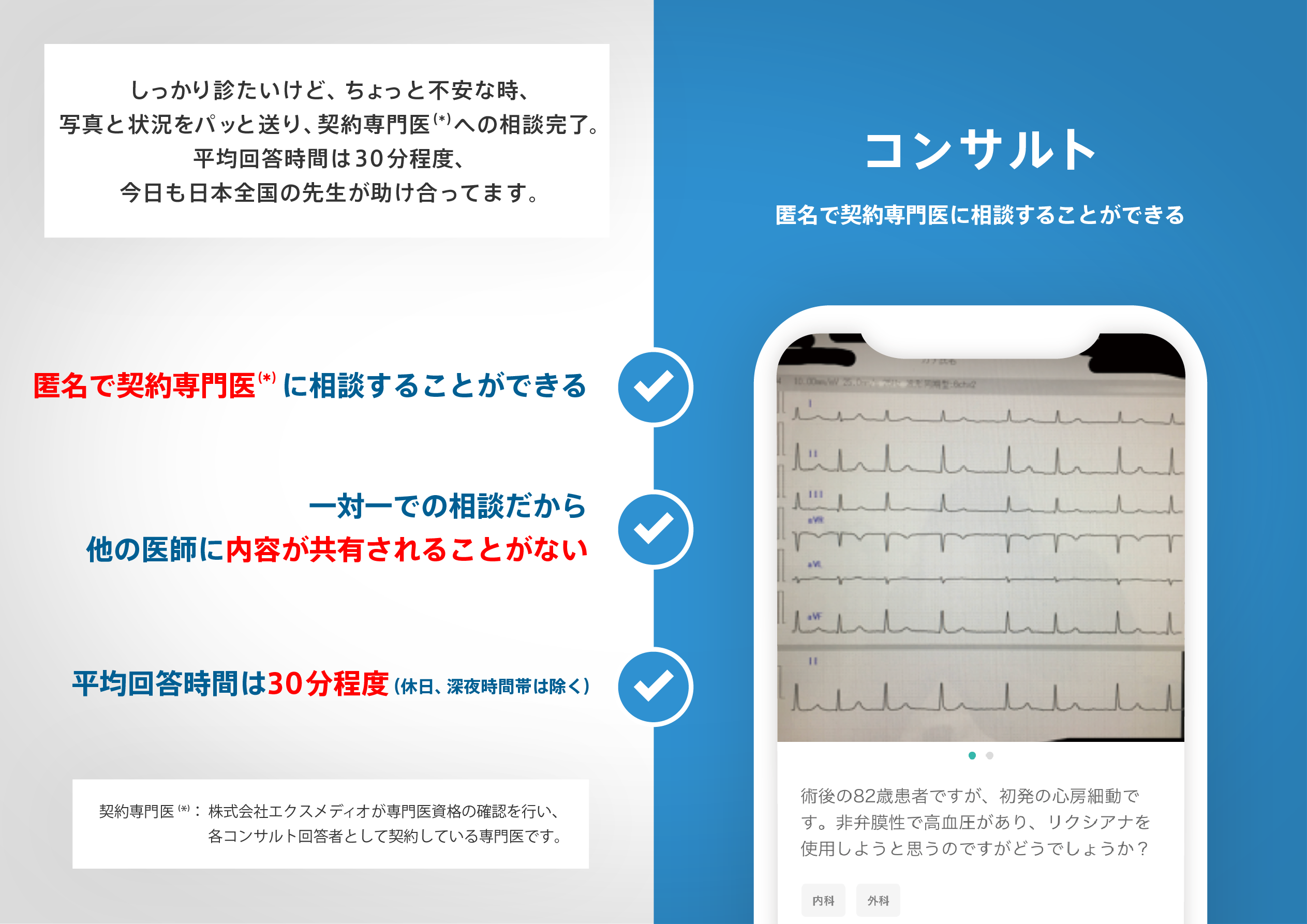
ヒポクラ x マイナビのご紹介

無料会員登録していただくと、さらに便利で効率的な検索が可能になります。