著名医師による解説が無料で読めます
すると翻訳の精度が向上します
半導体酸化物ナノ粒子は、表面吸着分子の影響を強く受け、断熱枯渇層を生成する傾向があります。貴金属と半導体酸化物との間の界面は、電子輸送を中断し、ショットキーバリアを構築します。ポリマー電解質燃料電池の融合凝集ネットワーク構造(PT/NB-SNO2)を備えた半導体酸化物NBドープSNO2で支持されたPT触媒の場合、電子導電率はPT負荷の増加とともに急激に増加し、10から進行します。4〜10-2 s cm-1。低いPT負荷量でのPT X線光放出分光法(XPS)スペクトルは、自然のままのPT金属よりも高い結合エネルギーを示しました。PT XPSスペクトルのピークシフトは、PTハードX線光排出分光法(HAXPES)スペクトルのピークシフトよりも大きかった。すべてのスペクトルについて、ピークはPT負荷の増加とともに、手付かずのPT金属の結合エネルギーに近づきました。SN XPSスペクトルピークは、PT負荷が増加するとSN金属の存在を証明し、ピーク強度はHAXPESよりも大きかった。これらの分光結果は、エネルギー分散型X線分光法(STEM-EDX)スペクトルを備えたスキャン透過型電子顕微鏡とともに、PTSN合金が、希薄化処置の結果としてPTとNB-SNO2の間の界面に堆積したことを証明しました。水素雰囲気。両方のNBスペクトルは、NBの酸化状態が+5であり、したがってNB陽イオンがSNO2のN型ドーパントとして作用することを示しました。PTとNB-SNO2の間の界面でのPTSN合金は、Schottkyバリアの効果を緩和し、PTからNb-SNO2へのキャリア寄付を強化し、PT/NB-SNO2の電子輸送現象を改善したと結論付けています。
半導体酸化物ナノ粒子は、表面吸着分子の影響を強く受け、断熱枯渇層を生成する傾向があります。貴金属と半導体酸化物との間の界面は、電子輸送を中断し、ショットキーバリアを構築します。ポリマー電解質燃料電池の融合凝集ネットワーク構造(PT/NB-SNO2)を備えた半導体酸化物NBドープSNO2で支持されたPT触媒の場合、電子導電率はPT負荷の増加とともに急激に増加し、10から進行します。4〜10-2 s cm-1。低いPT負荷量でのPT X線光放出分光法(XPS)スペクトルは、自然のままのPT金属よりも高い結合エネルギーを示しました。PT XPSスペクトルのピークシフトは、PTハードX線光排出分光法(HAXPES)スペクトルのピークシフトよりも大きかった。すべてのスペクトルについて、ピークはPT負荷の増加とともに、手付かずのPT金属の結合エネルギーに近づきました。SN XPSスペクトルピークは、PT負荷が増加するとSN金属の存在を証明し、ピーク強度はHAXPESよりも大きかった。これらの分光結果は、エネルギー分散型X線分光法(STEM-EDX)スペクトルを備えたスキャン透過型電子顕微鏡とともに、PTSN合金が、希薄化処置の結果としてPTとNB-SNO2の間の界面に堆積したことを証明しました。水素雰囲気。両方のNBスペクトルは、NBの酸化状態が+5であり、したがってNB陽イオンがSNO2のN型ドーパントとして作用することを示しました。PTとNB-SNO2の間の界面でのPTSN合金は、Schottkyバリアの効果を緩和し、PTからNb-SNO2へのキャリア寄付を強化し、PT/NB-SNO2の電子輸送現象を改善したと結論付けています。
Semiconducting oxide nanoparticles are strongly influenced by surface-adsorbed molecules and tend to generate an insulating depletion layer. The interface between a noble metal and a semiconducting oxide constructs a Schottky barrier, interrupting the electron transport. In the case of a Pt catalyst supported on the semiconducting oxide Nb-doped SnO2 with a fused-aggregate network structure (Pt/Nb-SnO2) for polymer electrolyte fuel cells, the electronic conductivity increased abruptly with increasing Pt loading, going from 10-4 to 10-2 S cm-1. The Pt X-ray photoemission spectroscopy (XPS) spectra at low Pt loading amount exhibited higher binding energy than that of pristine Pt metal. The peak shift for the Pt XPS spectra was larger than that of the Pt hard X-ray photoemission spectroscopy (HAXPES) spectra. For all of the spectra, the peaks approached the binding energy of pristine Pt metal with increasing Pt loading. The Sn XPS spectral peak proved the existence of Sn metal with increasing Pt loading, and the peak intensity was larger than that for HAXPES. These spectroscopic results, together with the scanning transmission electron microscopy with energy dispersive X-ray spectroscopy (STEM-EDX) spectra, proved that a PtSn alloy was deposited at the interface between Pt and Nb-SnO2 as a result of the sintering procedure under dilute hydrogen atmosphere. Both Nb spectra indicated that the oxidation state of Nb was +5 and thus that the Nb cation acts as an n-type dopant of SnO2. We conclude that the PtSn alloy at the interface between Pt and Nb-SnO2 relieved the effect of the Schottky barrier, enhanced the carrier donation from Pt to Nb-SnO2, and improved the electronic transport phenomena of Pt/Nb-SnO2.
医師のための臨床サポートサービス
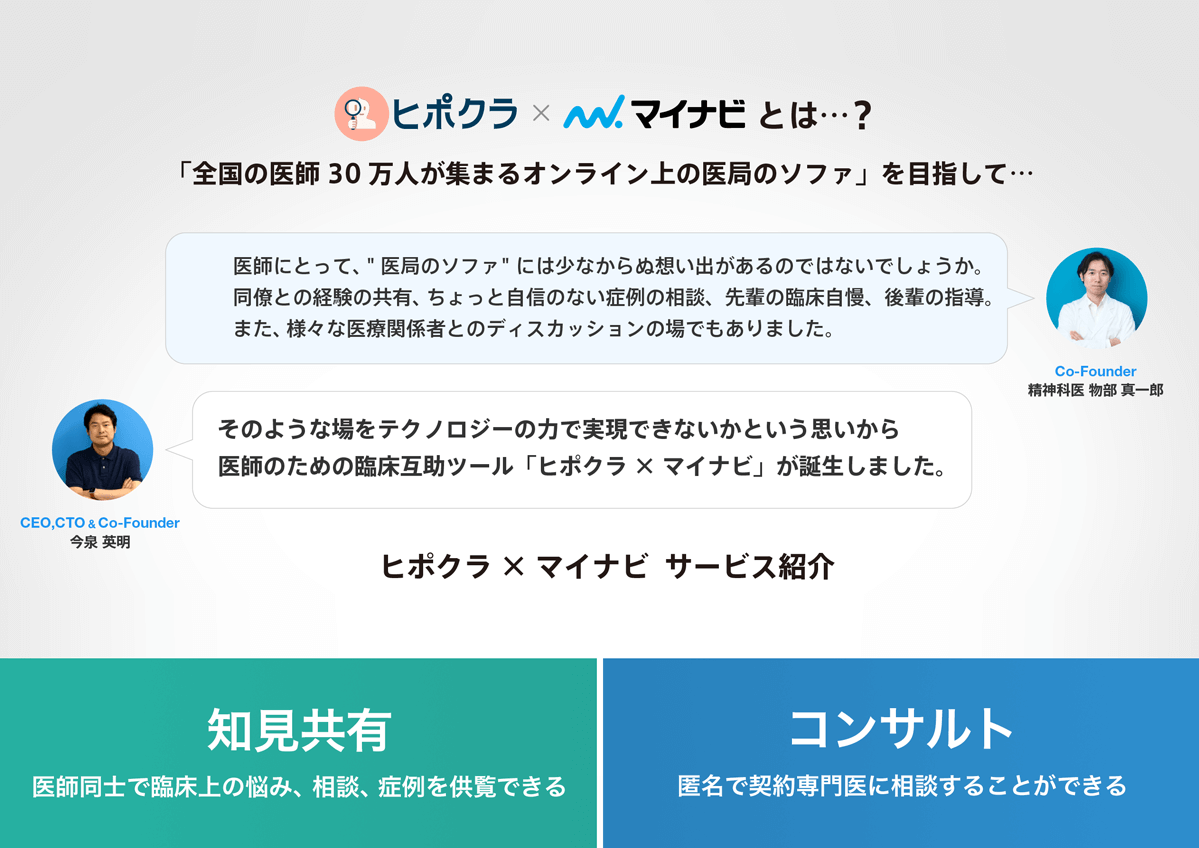
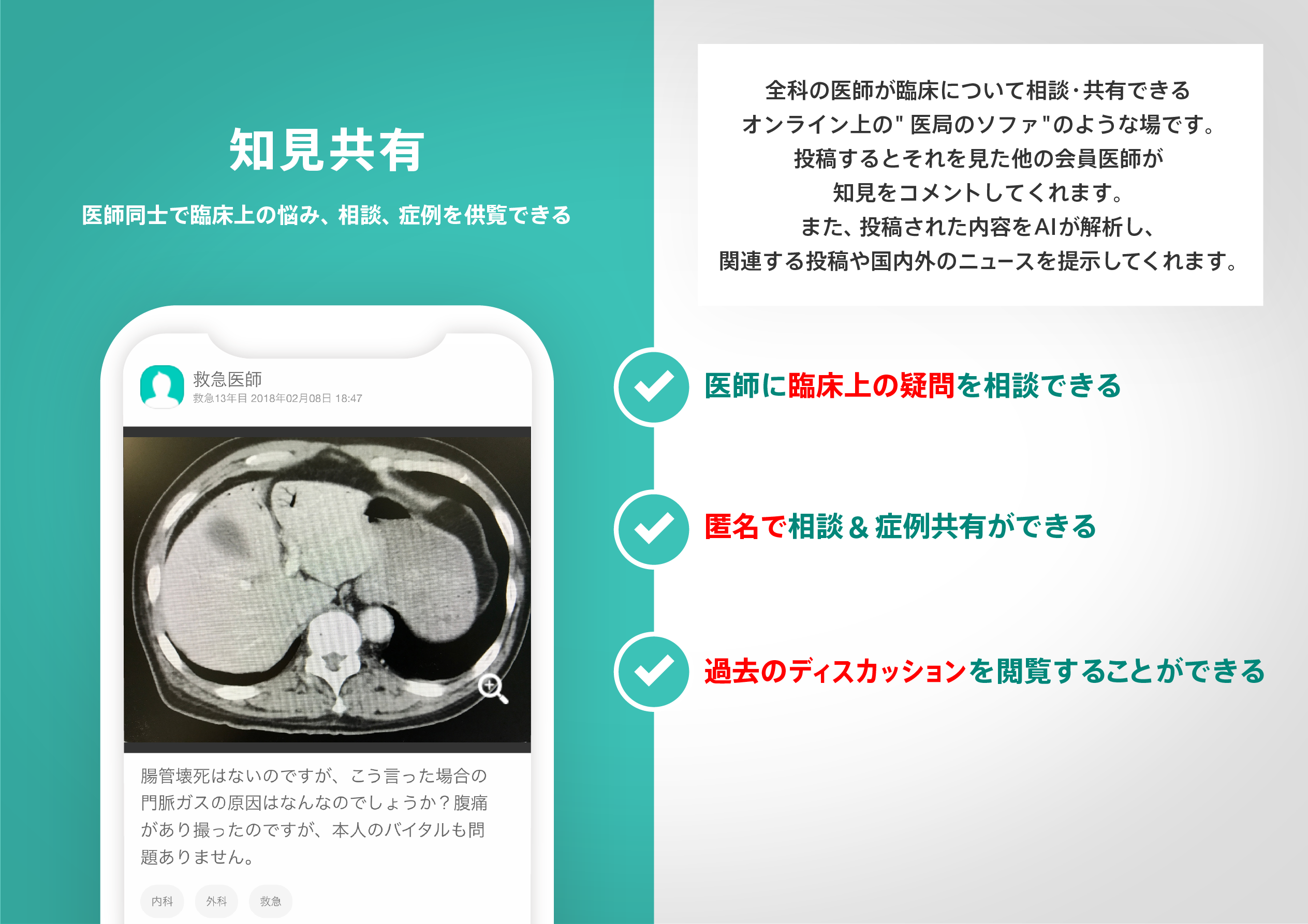
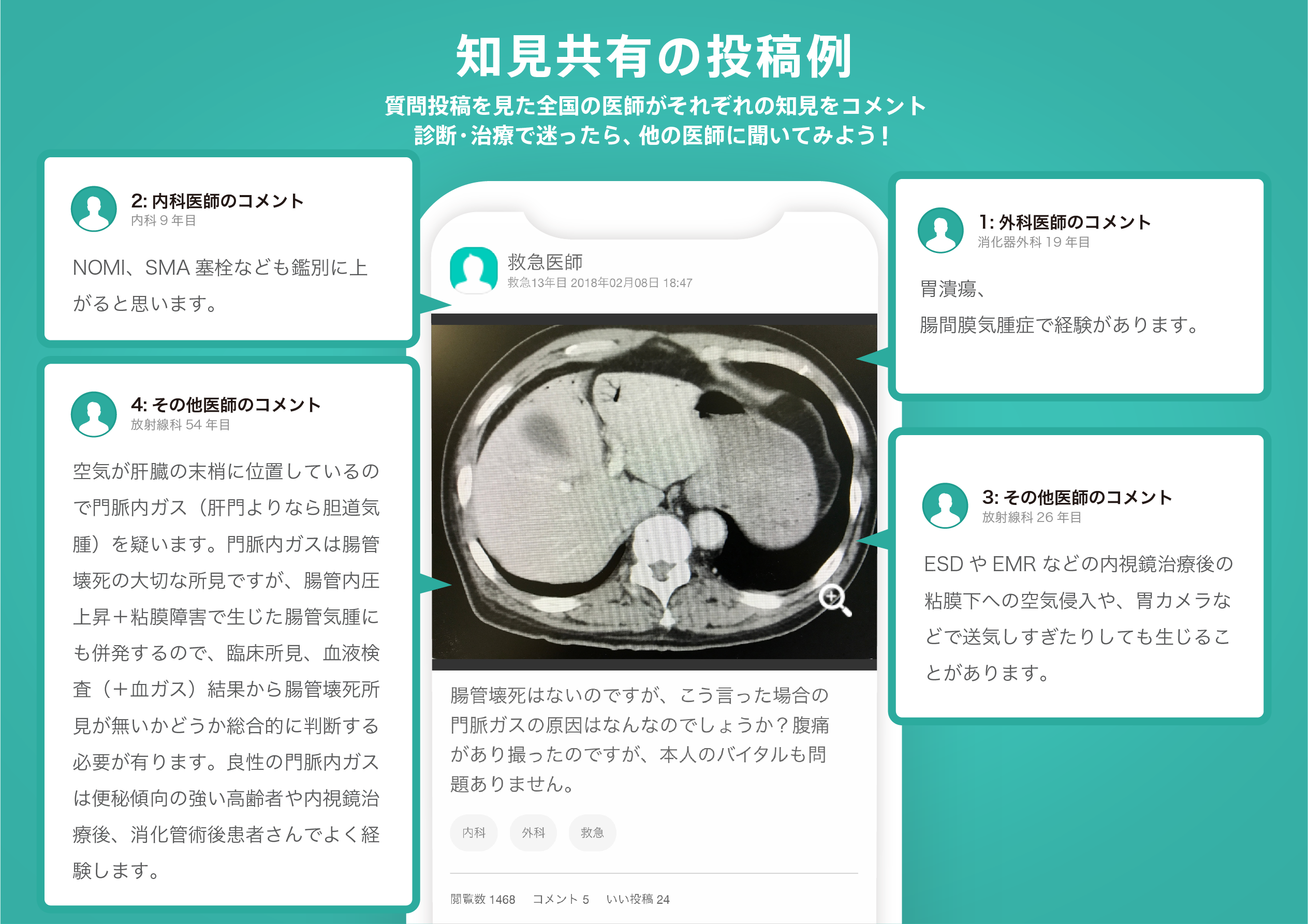
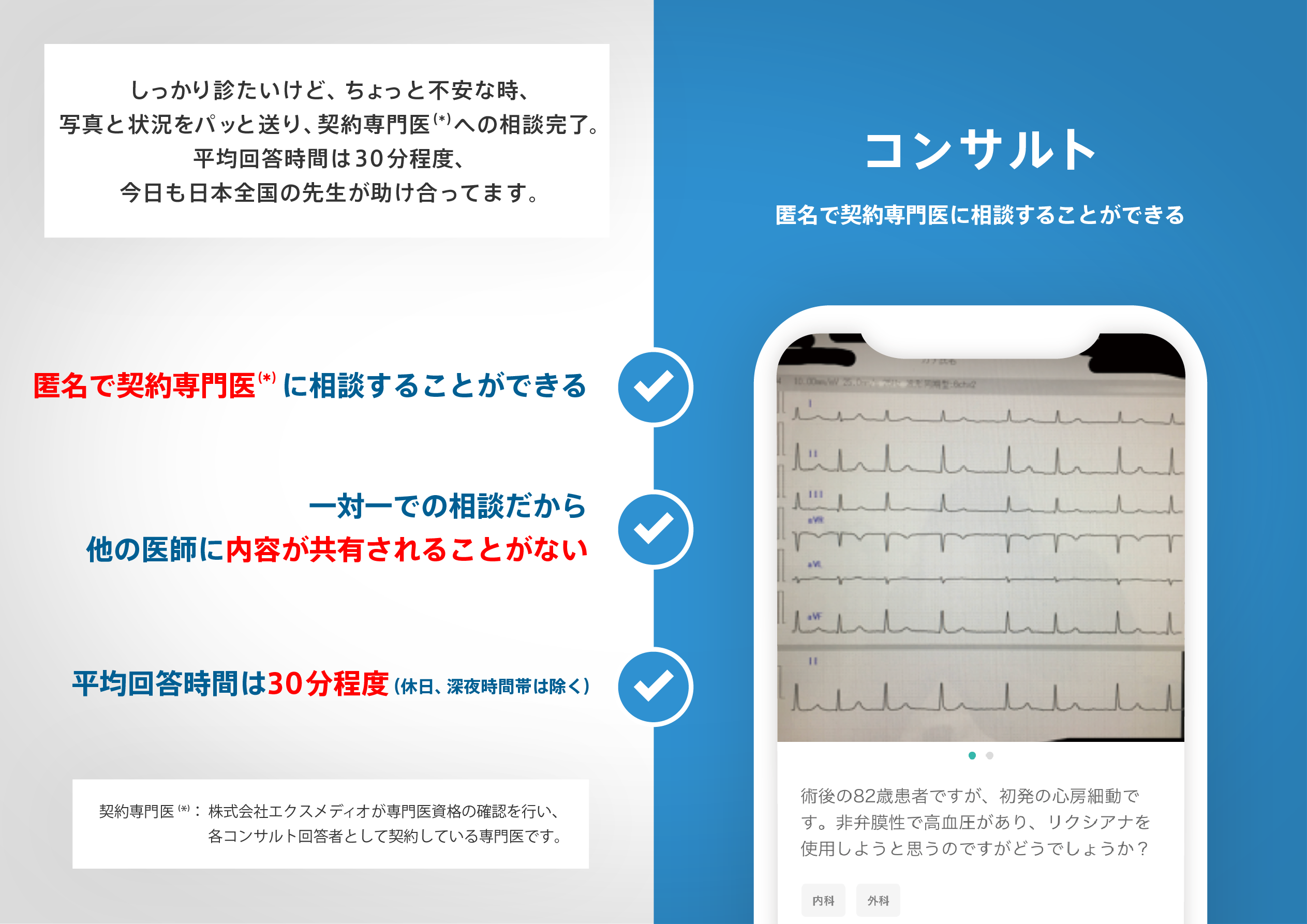
ヒポクラ x マイナビのご紹介

無料会員登録していただくと、さらに便利で効率的な検索が可能になります。