著名医師による解説が無料で読めます
すると翻訳の精度が向上します
コンテキスト:以前の調査では、座ったシングルアームショット(SSASP)テストの信頼性、正規化、および基礎となる投影力学を調べました。このテストは、試験肢の強度を反映していると考えられていますが、テストのパフォーマンスが上耳度の強度に直接関連しているかどうかを決定する評価はありません。 目的:等速押し力とSSASPパフォーマンスの関係を決定し、2つのテスト間の四肢対称指数のメソッド比較分析を実施する。 設計:制御された実験室研究。 設定:Biomechanics Laboratory。患者(または他の参加者):24人の健康で肉体的に活動的な男性(n = 12)および女性(n = 12)。 介入:参加者は、支配的および非支合群を使用してSSASPおよび等速化プッシュテストを完了しました。 主な結果測定:SSASP距離と等速ピーク力。 結果:両方の手足のSSASP距離と等速ピーク力の間に、有意な中程度から強力な関係が明らかになりました。Bland -Altman分析の結果は、-0.094から-0.159の範囲のバイアスを持つ、Isokinetic比よりもSSASP(両方の薬球)の大きな肢対称指数が大きく実証されました(p <.002)。一致結果の制限により、バイアスから±0.241から±0.340および±0.202〜±0.221の範囲の間隔が生成されました。 結論:これらの結果は、SSASPテストが上部extremity強度を反映しているという概念を支持しています。2つのテスト間の四肢対称指数の不一致は、2つのテストの動きパターンと調整要件の違いを反映している可能性があります。
コンテキスト:以前の調査では、座ったシングルアームショット(SSASP)テストの信頼性、正規化、および基礎となる投影力学を調べました。このテストは、試験肢の強度を反映していると考えられていますが、テストのパフォーマンスが上耳度の強度に直接関連しているかどうかを決定する評価はありません。 目的:等速押し力とSSASPパフォーマンスの関係を決定し、2つのテスト間の四肢対称指数のメソッド比較分析を実施する。 設計:制御された実験室研究。 設定:Biomechanics Laboratory。患者(または他の参加者):24人の健康で肉体的に活動的な男性(n = 12)および女性(n = 12)。 介入:参加者は、支配的および非支合群を使用してSSASPおよび等速化プッシュテストを完了しました。 主な結果測定:SSASP距離と等速ピーク力。 結果:両方の手足のSSASP距離と等速ピーク力の間に、有意な中程度から強力な関係が明らかになりました。Bland -Altman分析の結果は、-0.094から-0.159の範囲のバイアスを持つ、Isokinetic比よりもSSASP(両方の薬球)の大きな肢対称指数が大きく実証されました(p <.002)。一致結果の制限により、バイアスから±0.241から±0.340および±0.202〜±0.221の範囲の間隔が生成されました。 結論:これらの結果は、SSASPテストが上部extremity強度を反映しているという概念を支持しています。2つのテスト間の四肢対称指数の不一致は、2つのテストの動きパターンと調整要件の違いを反映している可能性があります。
CONTEXT: Previous investigations have examined the reliability, normalization, and underlying projection mechanics of the seated single-arm shot-put (SSASP) test. Although the test is believed to reflect test limb strength, there have been no assessments determining whether test performance is directly associated with upper-extremity strength. OBJECTIVE: To determine the relationship between isokinetic pushing force and SSASP performance and conduct a method comparison analysis of limb symmetry indices between the 2 tests. DESIGN: Controlled laboratory study. SETTING: Biomechanics laboratory. Patients (or Other Participants): Twenty-four healthy and physically active men (n = 12) and women (n = 12). INTERVENTION(S): Participants completed the SSASP and isokinetic pushing tests using their dominant and nondominant arms. MAIN OUTCOME MEASURES: SSASP distance and isokinetic peak force. RESULTS: Significant moderate to strong relationships were revealed between the SSASP distances and isokinetic peak forces for both limbs. The Bland-Altman analysis results demonstrated significantly (P < .002) greater limb symmetry indices for the SSASP (both medicine balls) than the isokinetic ratios, with biases ranging from -0.094 to -0.159. The limits of agreement results yielded intervals ranging from ±0.241 to ±0.340 and ±0.202 to ±0.221 from the biases. CONCLUSIONS: These results support the notion that the SSASP test reflects upper-extremity strength. The incongruency of the limb symmetry indices between the 2 tests is likely reflective of the differences in the movement patterns and coordination requirements of the 2 tests.
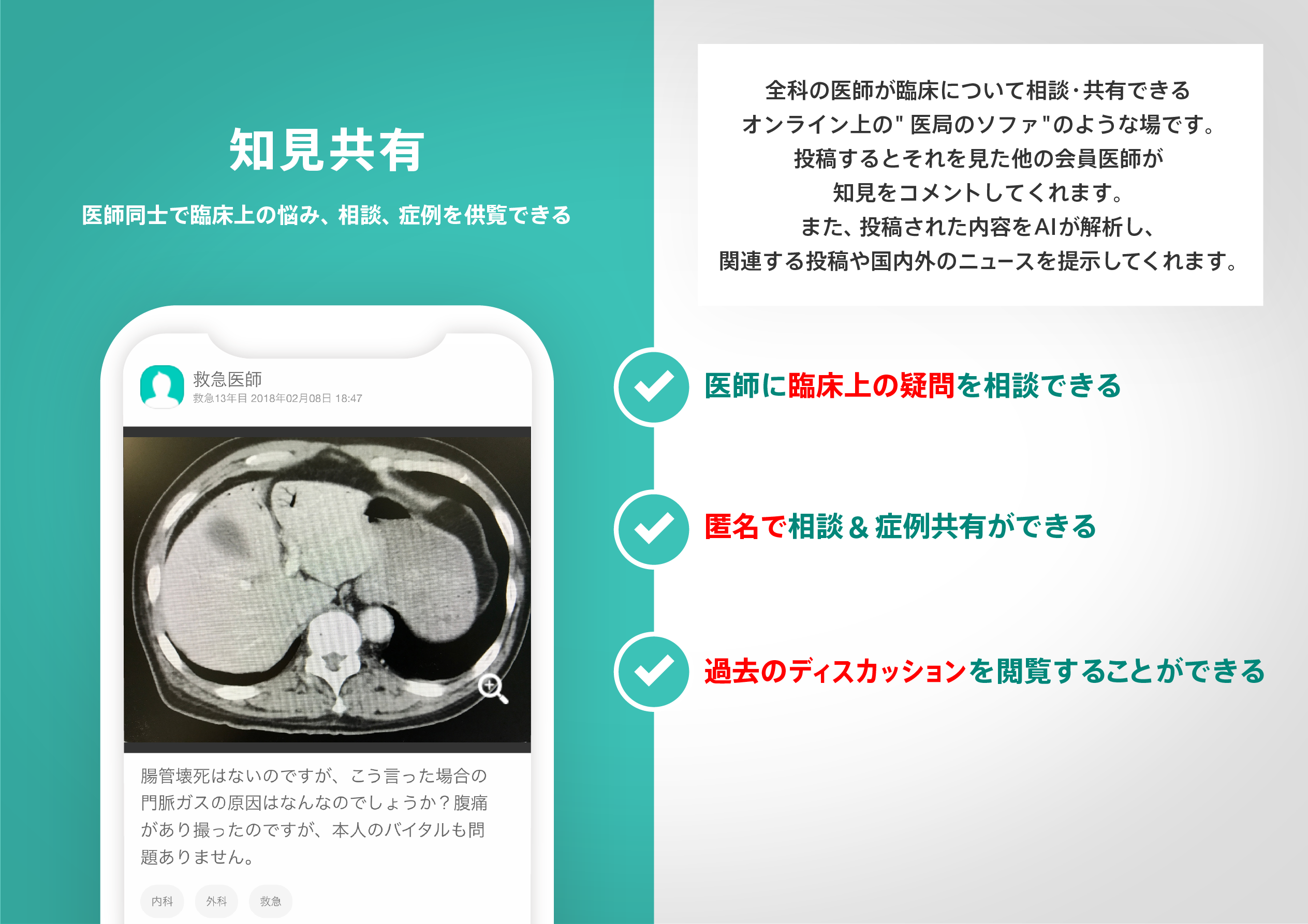
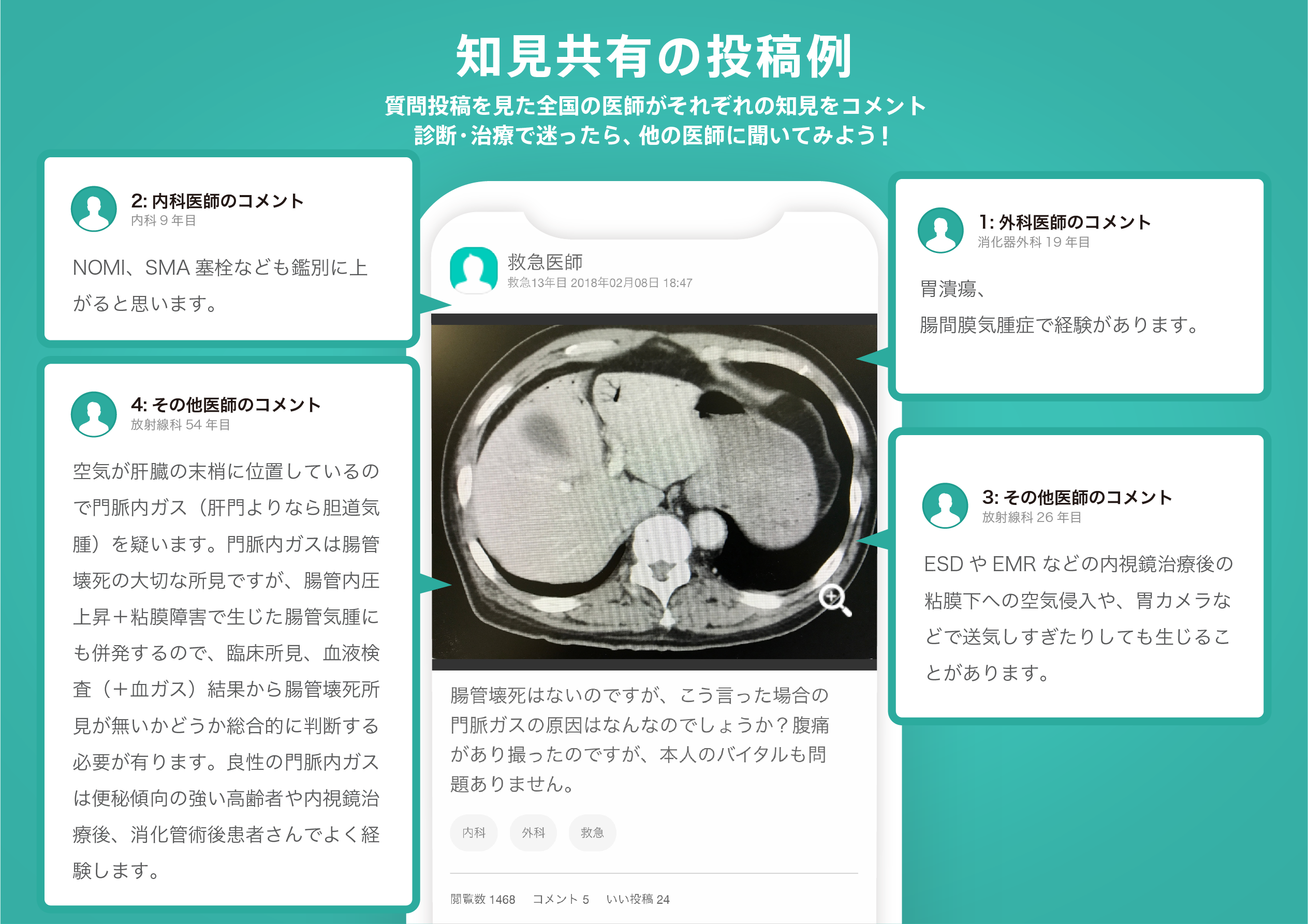
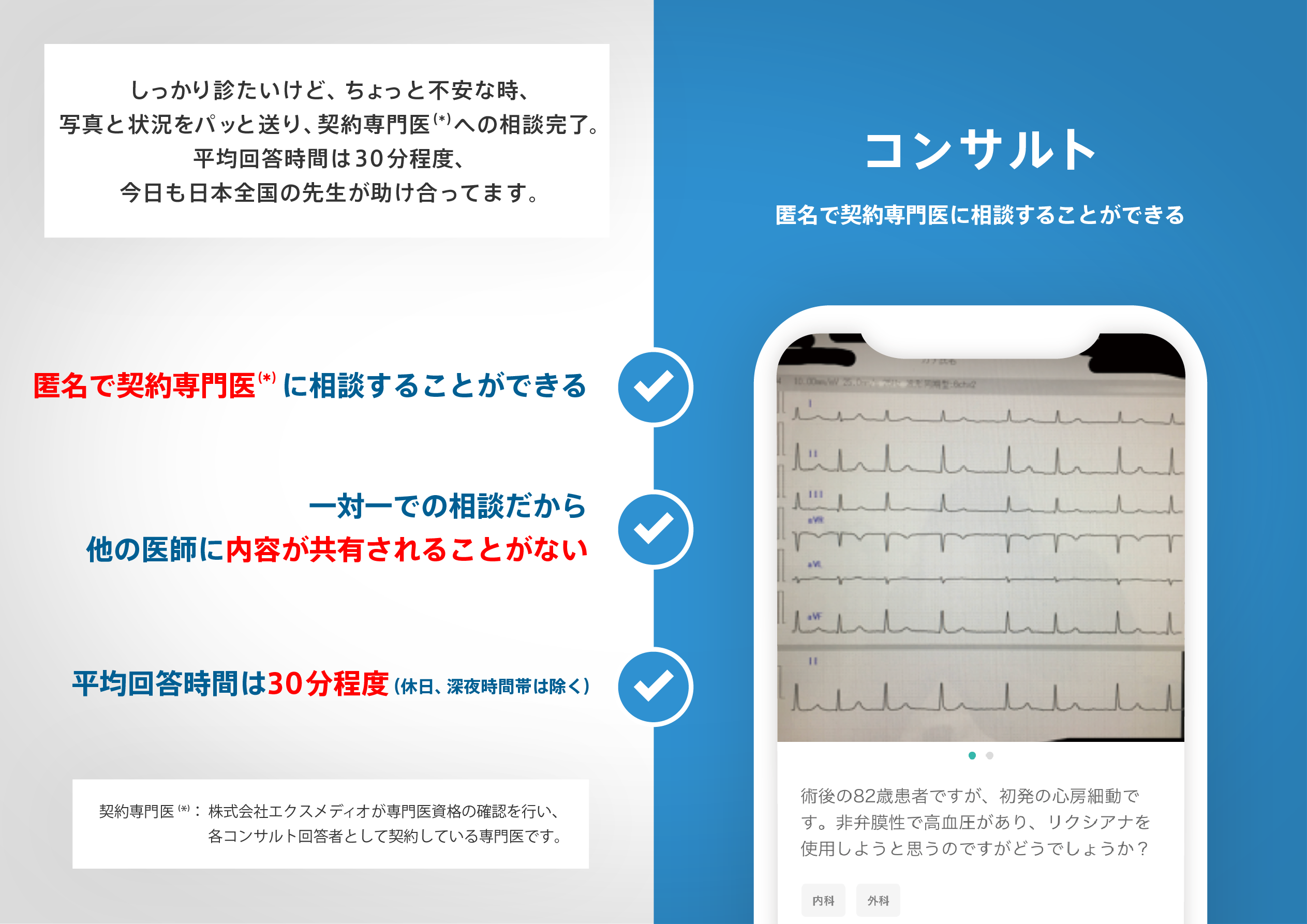
医師のための臨床サポートサービス
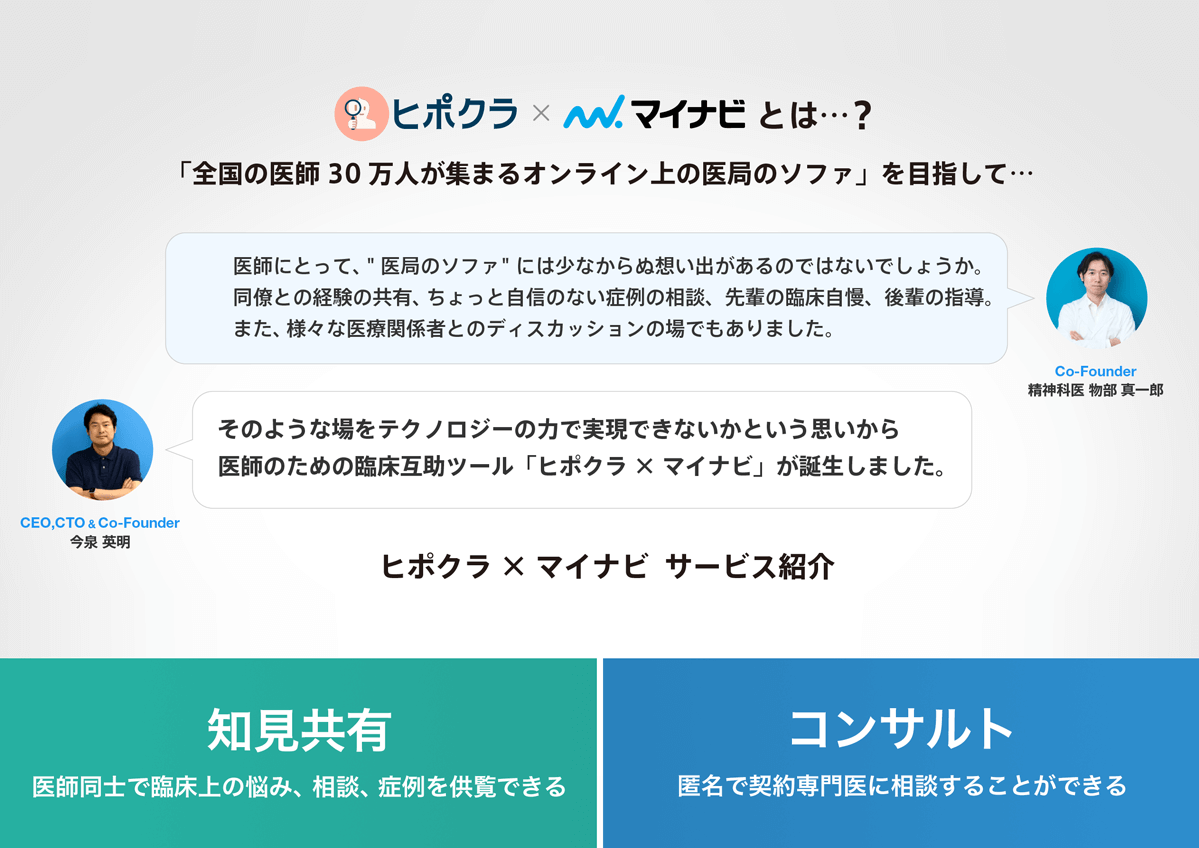
ヒポクラ x マイナビのご紹介

無料会員登録していただくと、さらに便利で効率的な検索が可能になります。