著名医師による解説が無料で読めます
すると翻訳の精度が向上します
プリン作動性シグナル伝達は、アデノシン5'-三リン酸(ATP)が、モルモンピグテニアコリを供給する非アドレナリン作動性の非コリン阻害神経の送信機であることが実証された後、1972年に提案されました。その後、ATPは交感神経および副交感神経の興奮性共輸造物として特定され、ATPは、すべてではないにしても、ほとんどの神経と末梢神経系(CNS)の両方の神経のほとんどで共輸送体として作用することが明らかになりました。ATPは、神経伝達、神経調節、および神経分泌における短期シグナル伝達分子として機能します。また、発達と再生における細胞増殖、分化、および死において、強力で長期的な(栄養的)役割もあります。プリンとピリミジンの受容体は、P1アデノシン受容体(4つのサブタイプを含む)、P2Xイオントロピックヌクレオチド受容体(7つのサブタイプ)、およびP2Y代謝物ヌクレオチド受容体(8つのサブタイプ)(8つのサブタイプ):クローン化および特性化されています。ATPは機械的変形によって異なる細胞タイプから放出され、放出後、エクトヌクレオチダーゼによって急速に分解されます。プリン作動性受容体は進化の初期に発現し、多くの異なる非神経細胞タイプとニューロンに広く分布しています。プリン作動性シグナル伝達は、胚発生と幹細胞の活性に関与しています。プリン作動性シグナル伝達の病態生理学についての理解が高まっており、脳卒中と血栓症、骨粗鬆症、痛み、慢性咳、腎不全、膀胱の失禁、嚢胞性線維症、ドライアイ、がん、疾患など、さまざまな疾患の治療開発があります。アルツハイマー病を含むCNSのパーキンソン病。ハンチントン病、多発性硬化症、てんかん、片頭痛、神経精神障害および気分障害。
プリン作動性シグナル伝達は、アデノシン5'-三リン酸(ATP)が、モルモンピグテニアコリを供給する非アドレナリン作動性の非コリン阻害神経の送信機であることが実証された後、1972年に提案されました。その後、ATPは交感神経および副交感神経の興奮性共輸造物として特定され、ATPは、すべてではないにしても、ほとんどの神経と末梢神経系(CNS)の両方の神経のほとんどで共輸送体として作用することが明らかになりました。ATPは、神経伝達、神経調節、および神経分泌における短期シグナル伝達分子として機能します。また、発達と再生における細胞増殖、分化、および死において、強力で長期的な(栄養的)役割もあります。プリンとピリミジンの受容体は、P1アデノシン受容体(4つのサブタイプを含む)、P2Xイオントロピックヌクレオチド受容体(7つのサブタイプ)、およびP2Y代謝物ヌクレオチド受容体(8つのサブタイプ)(8つのサブタイプ):クローン化および特性化されています。ATPは機械的変形によって異なる細胞タイプから放出され、放出後、エクトヌクレオチダーゼによって急速に分解されます。プリン作動性受容体は進化の初期に発現し、多くの異なる非神経細胞タイプとニューロンに広く分布しています。プリン作動性シグナル伝達は、胚発生と幹細胞の活性に関与しています。プリン作動性シグナル伝達の病態生理学についての理解が高まっており、脳卒中と血栓症、骨粗鬆症、痛み、慢性咳、腎不全、膀胱の失禁、嚢胞性線維症、ドライアイ、がん、疾患など、さまざまな疾患の治療開発があります。アルツハイマー病を含むCNSのパーキンソン病。ハンチントン病、多発性硬化症、てんかん、片頭痛、神経精神障害および気分障害。
Purinergic signaling was proposed in 1972, after it was demonstrated that adenosine 5'-triphosphate (ATP) was a transmitter in nonadrenergic, noncholinergic inhibitory nerves supplying the guinea-pig taenia coli. Later, ATP was identified as an excitatory cotransmitter in sympathetic and parasympathetic nerves, and it is now apparent that ATP acts as a cotransmitter in most, if not all, nerves in both the peripheral nervous system and central nervous system (CNS). ATP acts as a short-term signaling molecule in neurotransmission, neuromodulation, and neurosecretion. It also has potent, long-term (trophic) roles in cell proliferation, differentiation, and death in development and regeneration. Receptors to purines and pyrimidines have been cloned and characterized: P1 adenosine receptors (with four subtypes), P2X ionotropic nucleotide receptors (seven subtypes) and P2Y metabotropic nucleotide receptors (eight subtypes). ATP is released from different cell types by mechanical deformation, and after release, it is rapidly broken down by ectonucleotidases. Purinergic receptors were expressed early in evolution and are widely distributed on many different nonneuronal cell types as well as neurons. Purinergic signaling is involved in embryonic development and in the activities of stem cells. There is a growing understanding about the pathophysiology of purinergic signaling and there are therapeutic developments for a variety of diseases, including stroke and thrombosis, osteoporosis, pain, chronic cough, kidney failure, bladder incontinence, cystic fibrosis, dry eye, cancer, and disorders of the CNS, including Alzheimer's, Parkinson's. and Huntington's disease, multiple sclerosis, epilepsy, migraine, and neuropsychiatric and mood disorders.
医師のための臨床サポートサービス
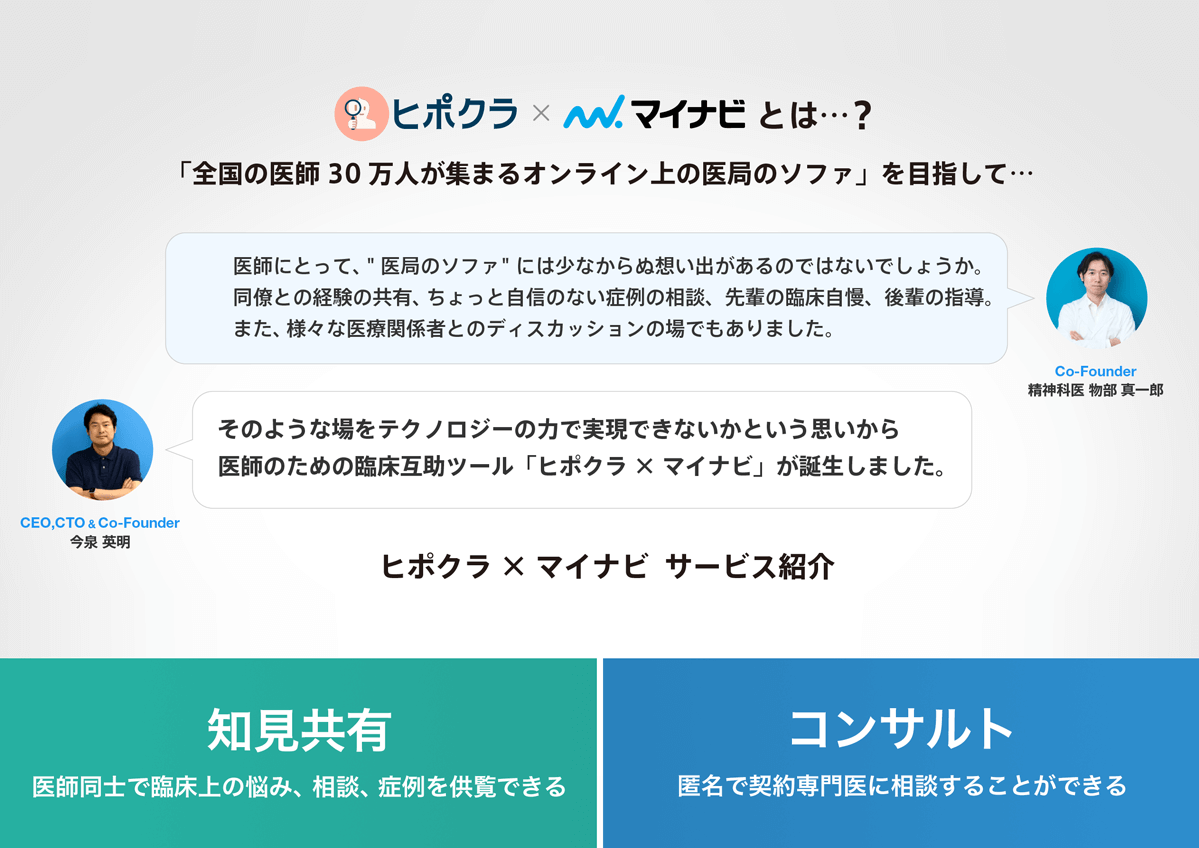
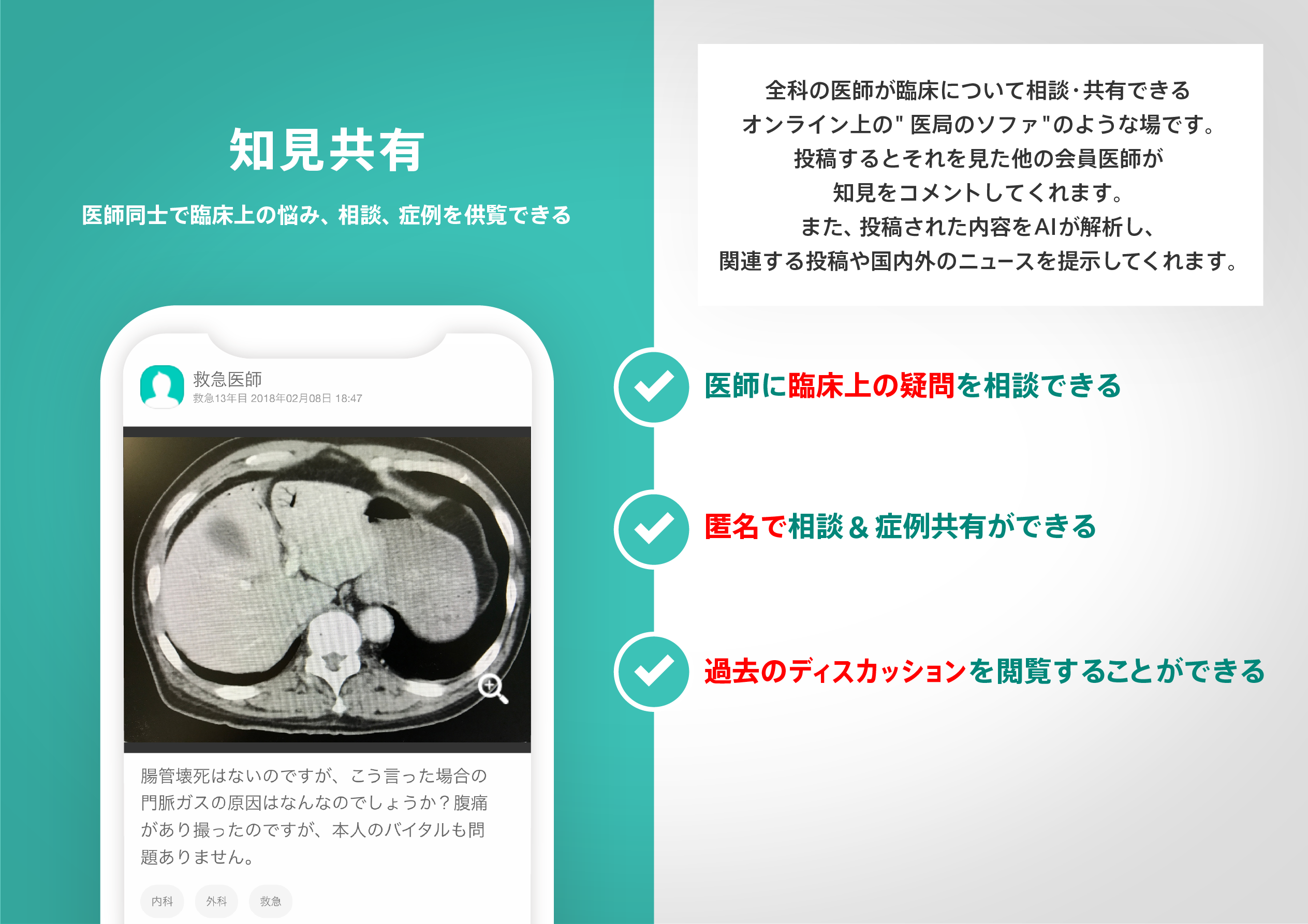
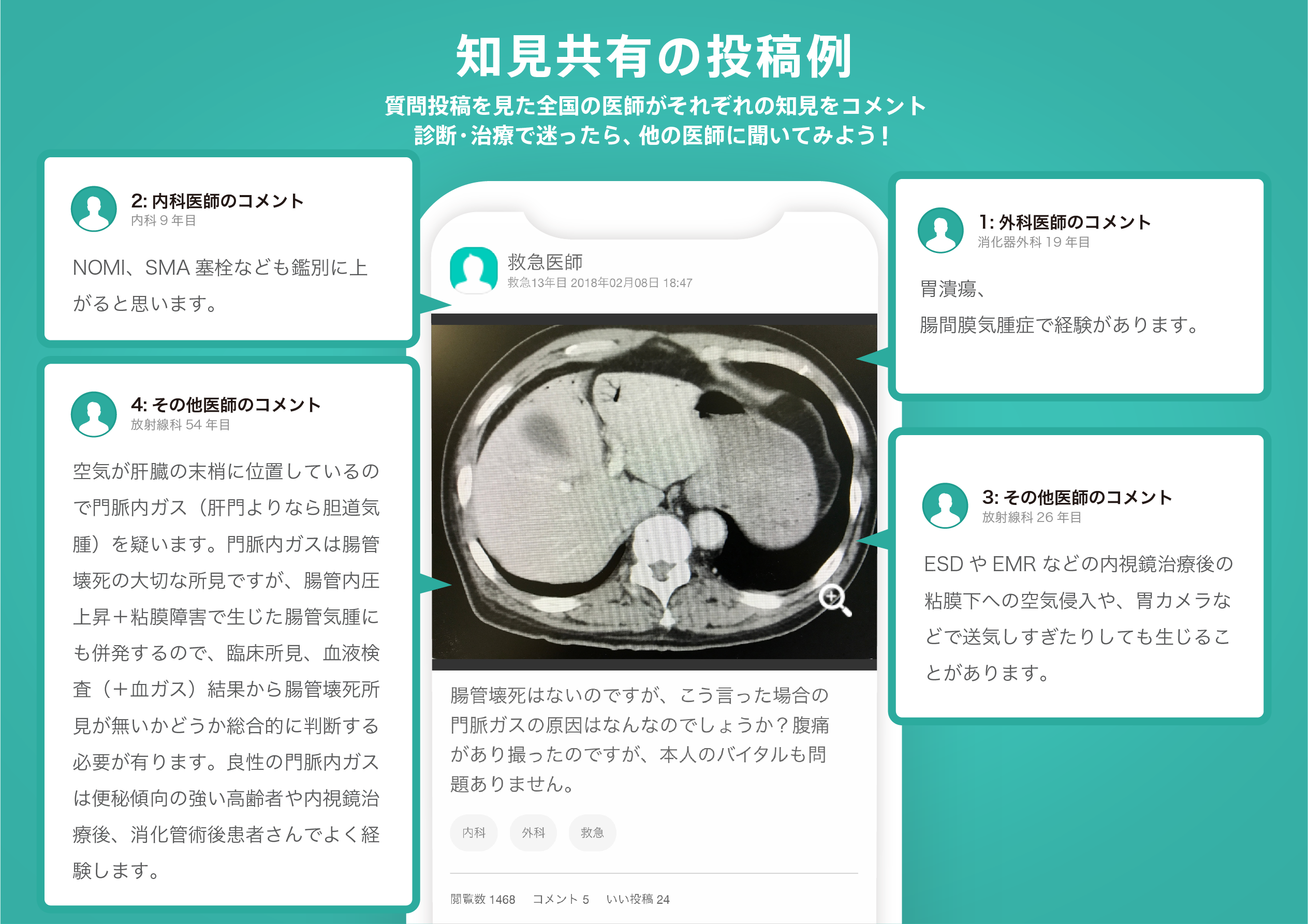
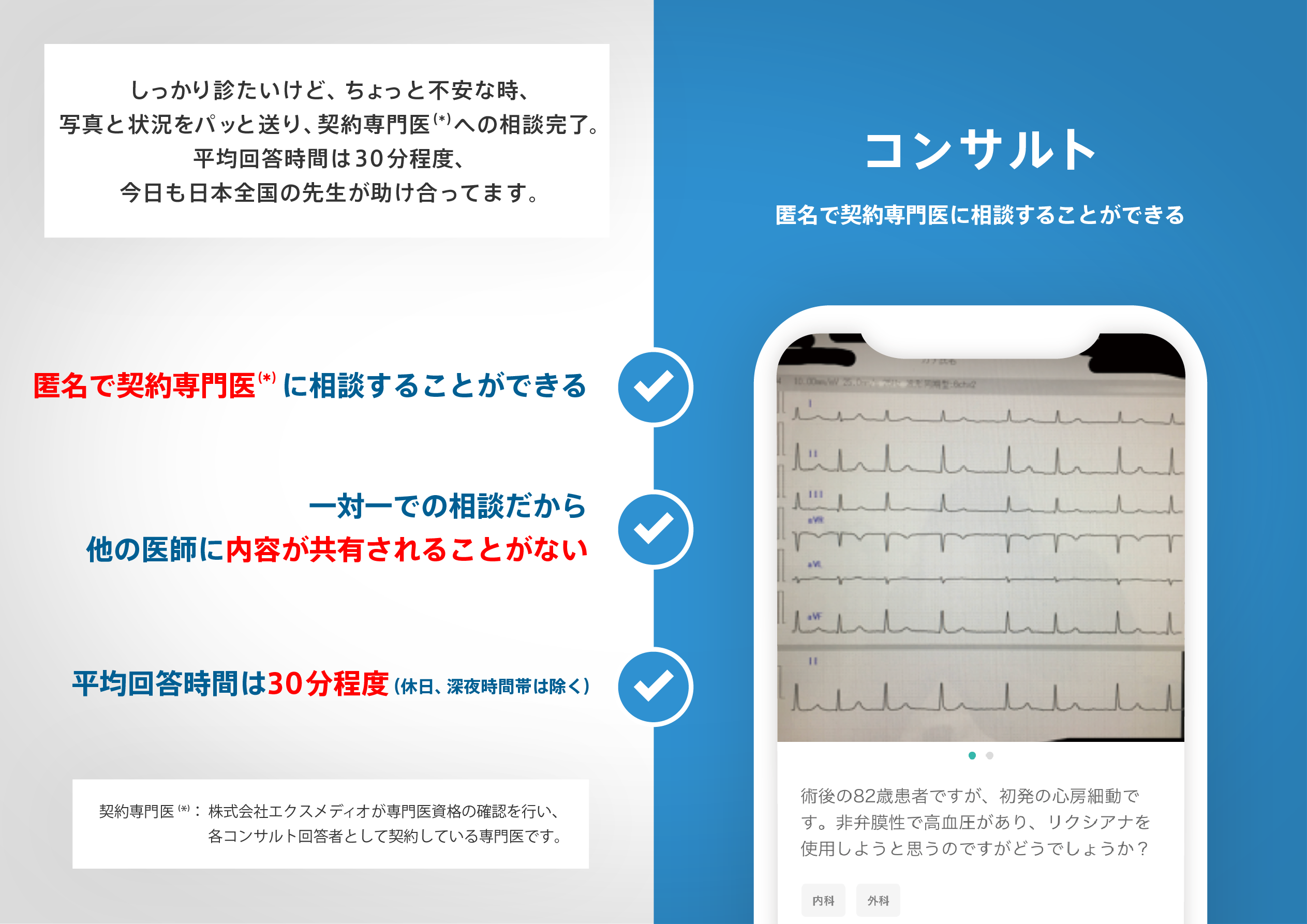
ヒポクラ x マイナビのご紹介

無料会員登録していただくと、さらに便利で効率的な検索が可能になります。