著名医師による解説が無料で読めます
すると翻訳の精度が向上します
背景:皮膚の恥は、皮膚科学患者の心理的苦痛において重要な役割を果たします。ただし、皮膚の恥の堅牢な尺度が利用できるため、研究や臨床診療ではめったに検討されません。この研究は、ドイツ語を話す人口で使用するために、皮膚恥のスケール(SSS-24)を適応し、検証しようとしました。 方法:SSS-24アンケートは、488人の皮膚科学的に健康的な(DH)個人(66.6%の女性)および339人の皮膚患者(DP; 66.7%の女性)によって完了しました。参加者はまた、一般的な恥(恥)と心理的苦痛(BSI [簡単な症状インベントリ] -18)の尺度を完了しました。 結果:SSS-24は、両方のサンプルで適切な心理測定特性と高い内部一貫性を示しました(DH:α= 0.91; DP:α= 0.95)。DPはDH(P <0.001)よりも皮膚の恥を報告しましたが、両方のサンプルでは、より多くの皮膚の恥がより一般的な恥とより心理的苦痛に関連していました(P <0.001)。 結論:全体として、英語のオリジナルバージョンの心理測定特性は、SSS-24のドイツ語版で複製されました。一般的な恥と心理的苦痛との強い関連性のため、皮膚の恥は精神病学の重要なパラメーターと見なされるべきです。SSS-24は、皮膚の状態における恥の役割に関するさらなる研究を可能にし、心理社会的介入から利益を得る可能性のある患者を特定するための有用なツールを提供します。
背景:皮膚の恥は、皮膚科学患者の心理的苦痛において重要な役割を果たします。ただし、皮膚の恥の堅牢な尺度が利用できるため、研究や臨床診療ではめったに検討されません。この研究は、ドイツ語を話す人口で使用するために、皮膚恥のスケール(SSS-24)を適応し、検証しようとしました。 方法:SSS-24アンケートは、488人の皮膚科学的に健康的な(DH)個人(66.6%の女性)および339人の皮膚患者(DP; 66.7%の女性)によって完了しました。参加者はまた、一般的な恥(恥)と心理的苦痛(BSI [簡単な症状インベントリ] -18)の尺度を完了しました。 結果:SSS-24は、両方のサンプルで適切な心理測定特性と高い内部一貫性を示しました(DH:α= 0.91; DP:α= 0.95)。DPはDH(P <0.001)よりも皮膚の恥を報告しましたが、両方のサンプルでは、より多くの皮膚の恥がより一般的な恥とより心理的苦痛に関連していました(P <0.001)。 結論:全体として、英語のオリジナルバージョンの心理測定特性は、SSS-24のドイツ語版で複製されました。一般的な恥と心理的苦痛との強い関連性のため、皮膚の恥は精神病学の重要なパラメーターと見なされるべきです。SSS-24は、皮膚の状態における恥の役割に関するさらなる研究を可能にし、心理社会的介入から利益を得る可能性のある患者を特定するための有用なツールを提供します。
BACKGROUND: Skin shame plays an important role in the psychological distress of dermatological patients. However, it is rarely examined in research or clinical practice due to the lack of availability of a robust measure of skin shame. This study sought to adapt and validate the Skin Shame Scale (SSS-24) for use in the German-speaking population. METHODS: The SSS-24 questionnaire was completed by 488 dermatologically healthy (DH) individuals (66.6% women) and 339 dermatological patients (DP; 66.7% women). Participants also completed measures of general shame (SHAME) and of psychological distress (BSI[Brief Symptom Inventory]-18). RESULTS: The SSS-24 showed adequate psychometric properties and a high internal consistency in both samples (DH: α = 0.91; DP: α = 0.95). DP reported more skin shame than DH (p < 0.001) but in both samples more skin shame was associated with more general shame and more psychological distress (p < 0.001). CONCLUSIONS: Overall, the psychometric properties of the English original version were replicated in the German version of the SSS-24. Due to the strong associations with general shame and psychological distress, skin shame should be considered an important parameter in psychodermatology. The SSS-24 enables further research into the role of shame in skin conditions and provides a useful tool for identifying patients who might benefit from psychosocial interventions.
医師のための臨床サポートサービス
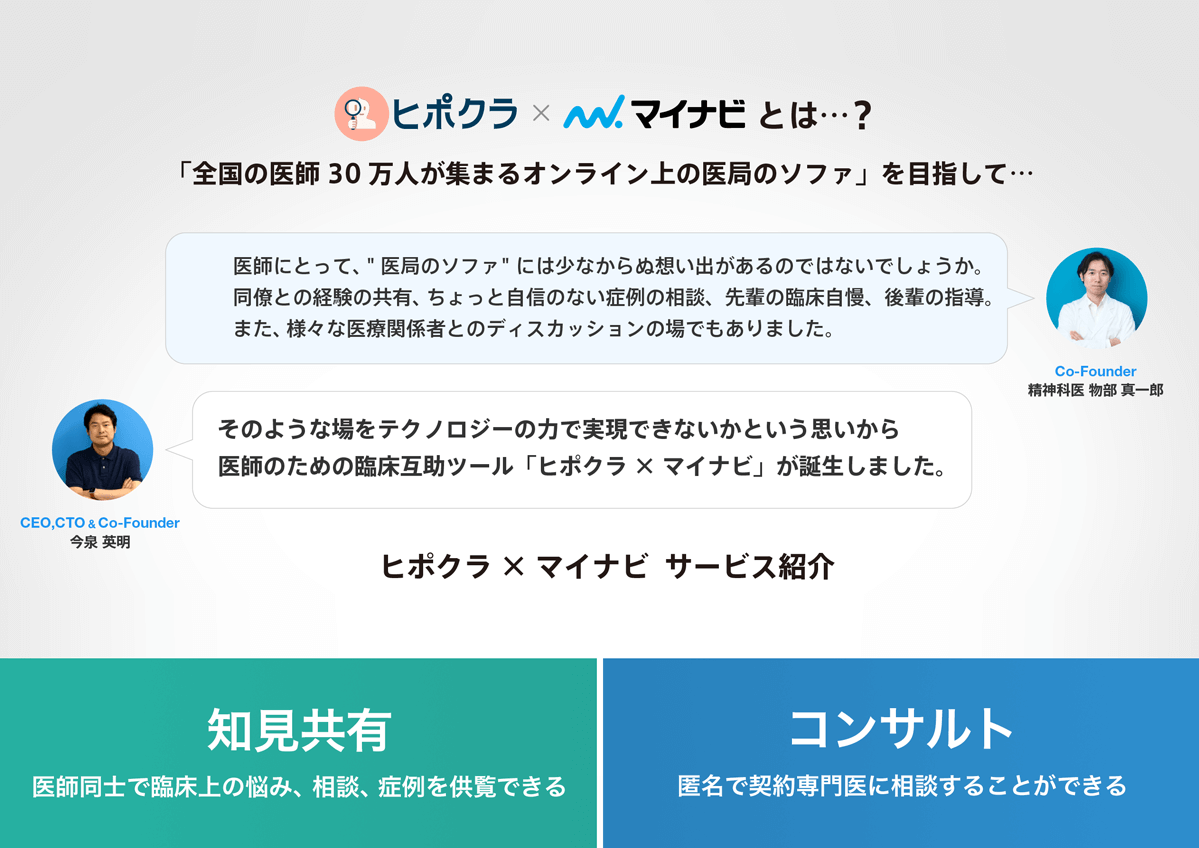
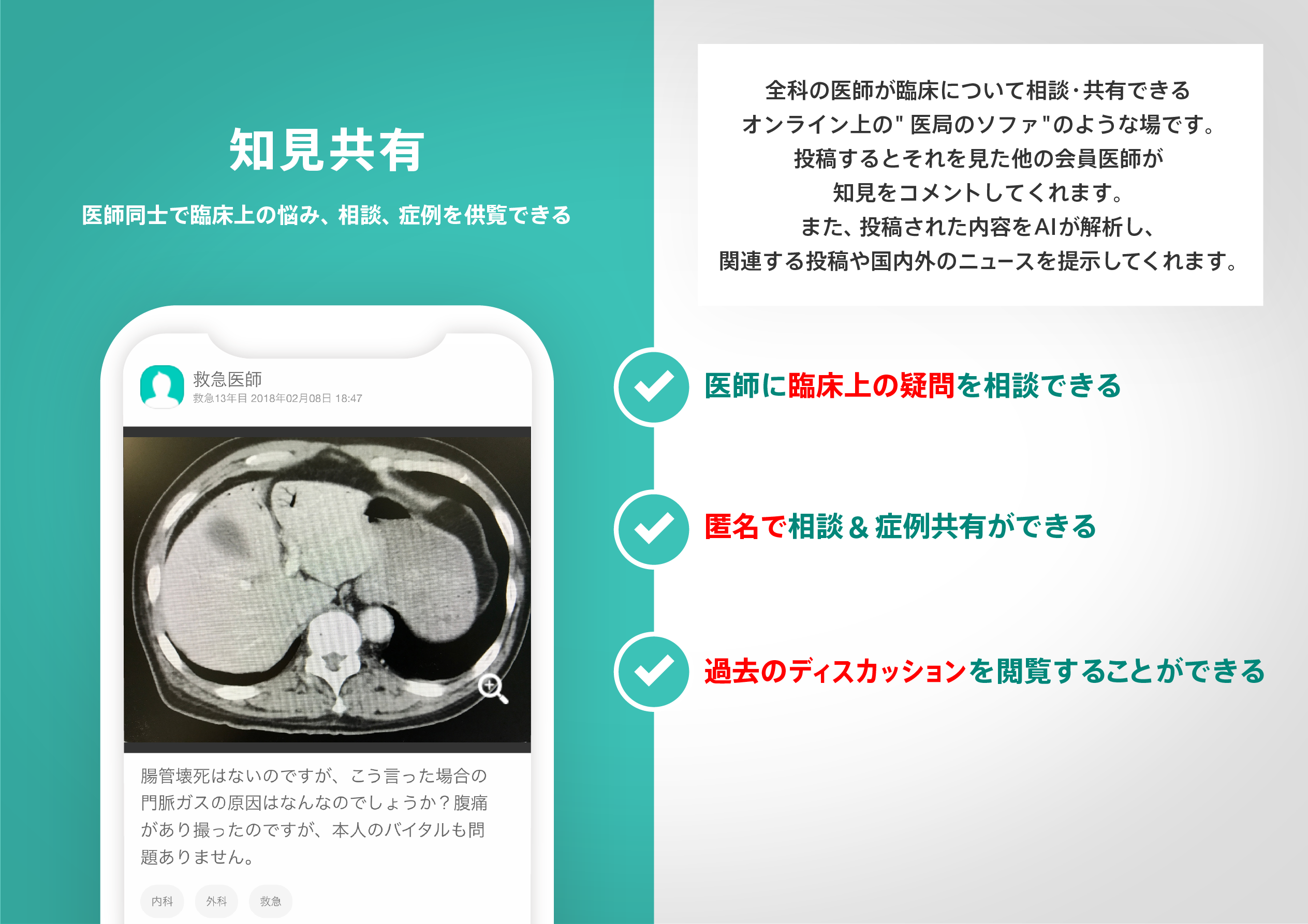
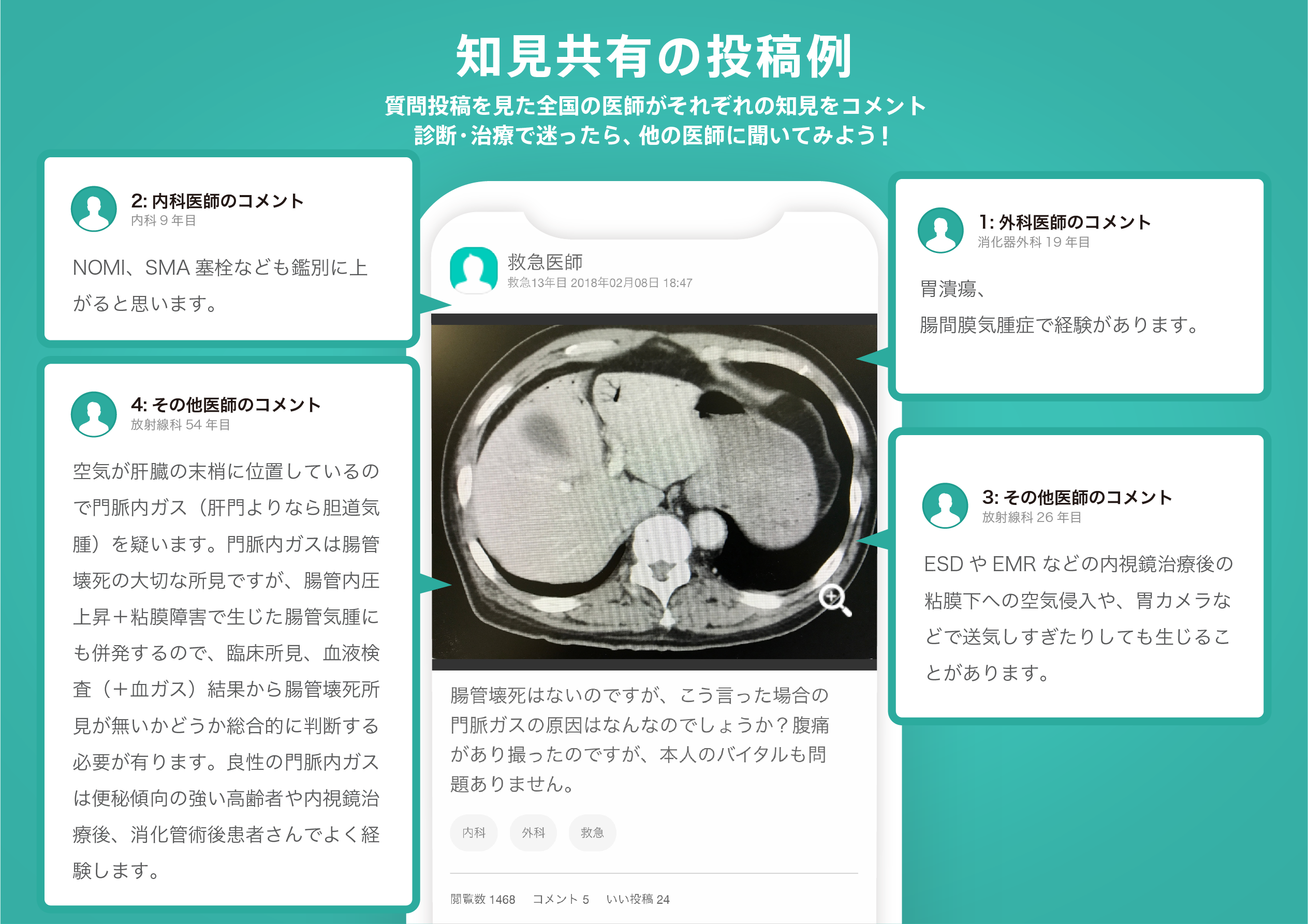
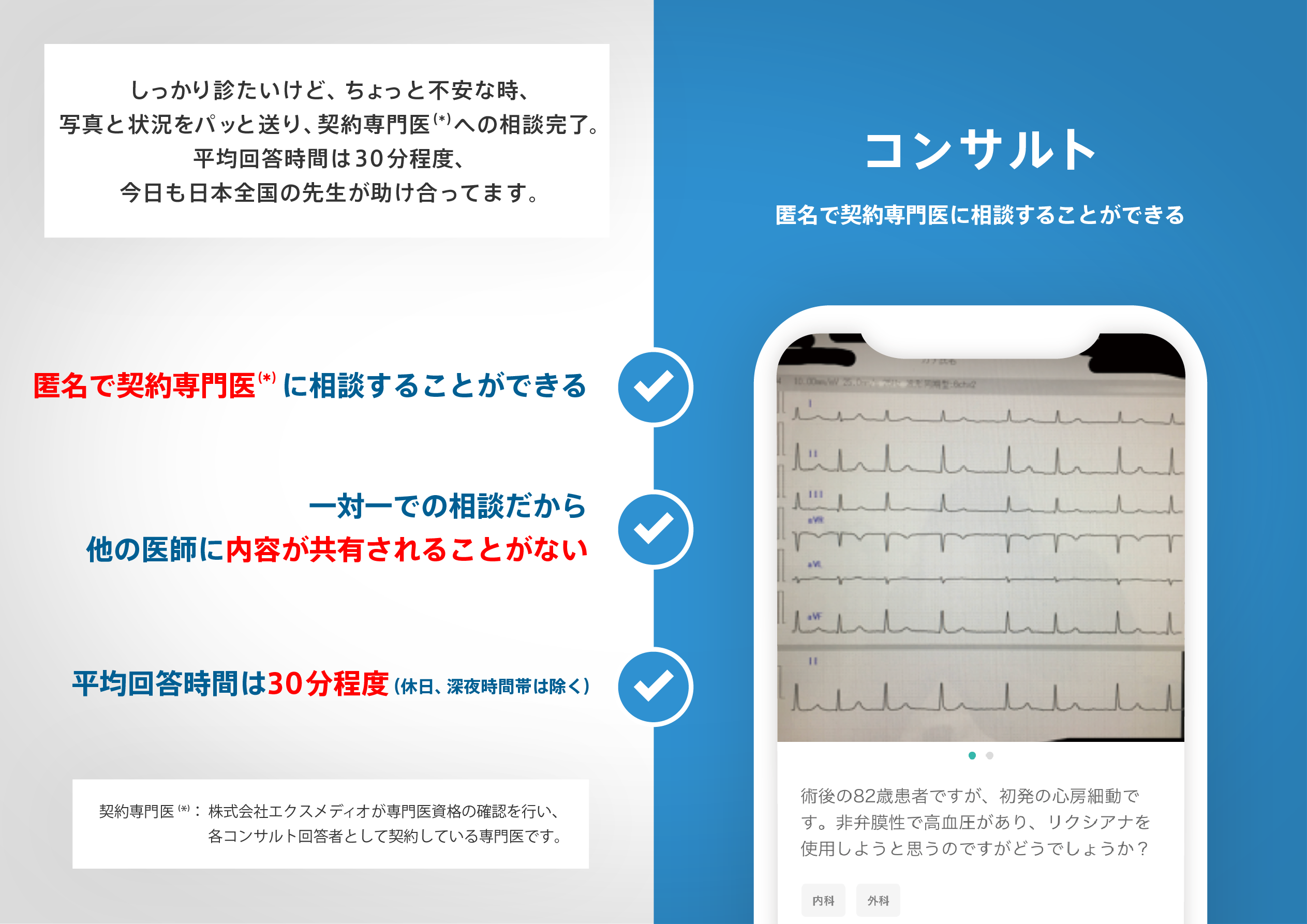
ヒポクラ x マイナビのご紹介

無料会員登録していただくと、さらに便利で効率的な検索が可能になります。