著名医師による解説が無料で読めます
すると翻訳の精度が向上します
背景/研究のコンテキスト:注意は、短期記憶の視覚的または聴覚表現に反射的に向けることができますが、老化と聴覚の視力が反射的な注意にどのように影響するかは明らかではありません。本研究の目的は、聴覚および視覚反射の注意タスクのパフォーマンスが参加者の年齢と聴覚状態の関数として異なるかどうかを調べることでした。(62〜90年)サンプルへの遅延タスクを完了しました。このタスクでは、参加者が最初にメモリに保持する4つの異なる数字のメモリアレイを提示しました。2桁が視覚的に(左半片側および右半視野)を提示し、2桁が聴覚的に提示されました(左右の耳が同時に)。保持間隔中、参加者にはキュー(レトロキューと呼ばれる)が提示されました。これは、情報のないか、参加者に聴覚短期記憶(ASTM)または視覚的な短期記憶(視覚的な短期記憶)に注意を向けることができます。VSTM)。キューの後に別の遅延が続き、その後、ASTMおよび/またはvstm.resultsに保持されているアイテムと比較するために(つまり、試合プローブまたは一致しない)単一のアイテムが提示されました:全体的に有益なレトロキューがより速くなりました情報のないレトロキューよりも応答時間。応答時間のレトロキューの利点は、聴覚と視覚向上のレトロキューに匹敵し、若年および高齢者でも同様でした。回帰分析は、聴覚向上レトロキューの利点のみが、年齢自体ではなく聴覚状態によって予測されることを示しました。キューの利益は、聴力が低下すると減少します。この発見は、軽度から中等度の難聴を持つ人でも年齢とともに伴う認知プロセスの変化を強調し、作業記憶タスクでの高齢者のパフォーマンスは、低レベルの聴覚シーン分析に敏感であることを示唆しています(すなわち、音の分離。。
背景/研究のコンテキスト:注意は、短期記憶の視覚的または聴覚表現に反射的に向けることができますが、老化と聴覚の視力が反射的な注意にどのように影響するかは明らかではありません。本研究の目的は、聴覚および視覚反射の注意タスクのパフォーマンスが参加者の年齢と聴覚状態の関数として異なるかどうかを調べることでした。(62〜90年)サンプルへの遅延タスクを完了しました。このタスクでは、参加者が最初にメモリに保持する4つの異なる数字のメモリアレイを提示しました。2桁が視覚的に(左半片側および右半視野)を提示し、2桁が聴覚的に提示されました(左右の耳が同時に)。保持間隔中、参加者にはキュー(レトロキューと呼ばれる)が提示されました。これは、情報のないか、参加者に聴覚短期記憶(ASTM)または視覚的な短期記憶(視覚的な短期記憶)に注意を向けることができます。VSTM)。キューの後に別の遅延が続き、その後、ASTMおよび/またはvstm.resultsに保持されているアイテムと比較するために(つまり、試合プローブまたは一致しない)単一のアイテムが提示されました:全体的に有益なレトロキューがより速くなりました情報のないレトロキューよりも応答時間。応答時間のレトロキューの利点は、聴覚と視覚向上のレトロキューに匹敵し、若年および高齢者でも同様でした。回帰分析は、聴覚向上レトロキューの利点のみが、年齢自体ではなく聴覚状態によって予測されることを示しました。キューの利益は、聴力が低下すると減少します。この発見は、軽度から中等度の難聴を持つ人でも年齢とともに伴う認知プロセスの変化を強調し、作業記憶タスクでの高齢者のパフォーマンスは、低レベルの聴覚シーン分析に敏感であることを示唆しています(すなわち、音の分離。。
Background/Study Context: Attention can be reflectively oriented to a visual or auditory representation in short-term memory, but it is not clear how aging and hearing acuity affects reflective attention. The purpose of the present study was to examine whether performance in auditory and visual reflective attention tasks varies as a function of participants' age and hearing status.Methods: Young (19 to 33 years) and older adults with normal or mild to moderate hearing loss (62-90 years) completed a delayed match-to-sample task in which participants were first presented with a memory array of four different digits to hold in memory. Two digits were presented visually (left and right hemifield), and two were presented aurally (left and right ears simultaneously). During the retention interval, participants were presented with a cue (dubbed retro-cue), which could be either uninformative or indicated to the participants to retrospectively orient their attention to either auditory short-term memory (ASTM) or visual short-term memory (VSTM). The cue was followed by another delay, after which a single item was presented (i.e., test probe) for comparison (match or no match) with the items held in ASTM and/or VSTM.Results: Overall, informative retro-cue yielded faster response time than uninformative retro-cue. The retro-cue benefit in response time was comparable for auditory and visual-orienting retro-cue and similar in young and older adults. Regression analyses showed that only the auditory-orienting retro-cue benefit was predicted by hearing status rather than age per se.Conclusion: Both younger and older adults can benefit from visual and auditory-orienting retro-cues, but the auditory-orienting retro-cue benefit decreases with poorer hearing acuity. This finding highlights changes in cognitive processes that come with age even in those with just mild-to-moderate hearing loss, and suggest that older adults' performance in working memory tasks is sensitive to low level auditory scene analysis (i.e., concurrent sound segregation).
医師のための臨床サポートサービス
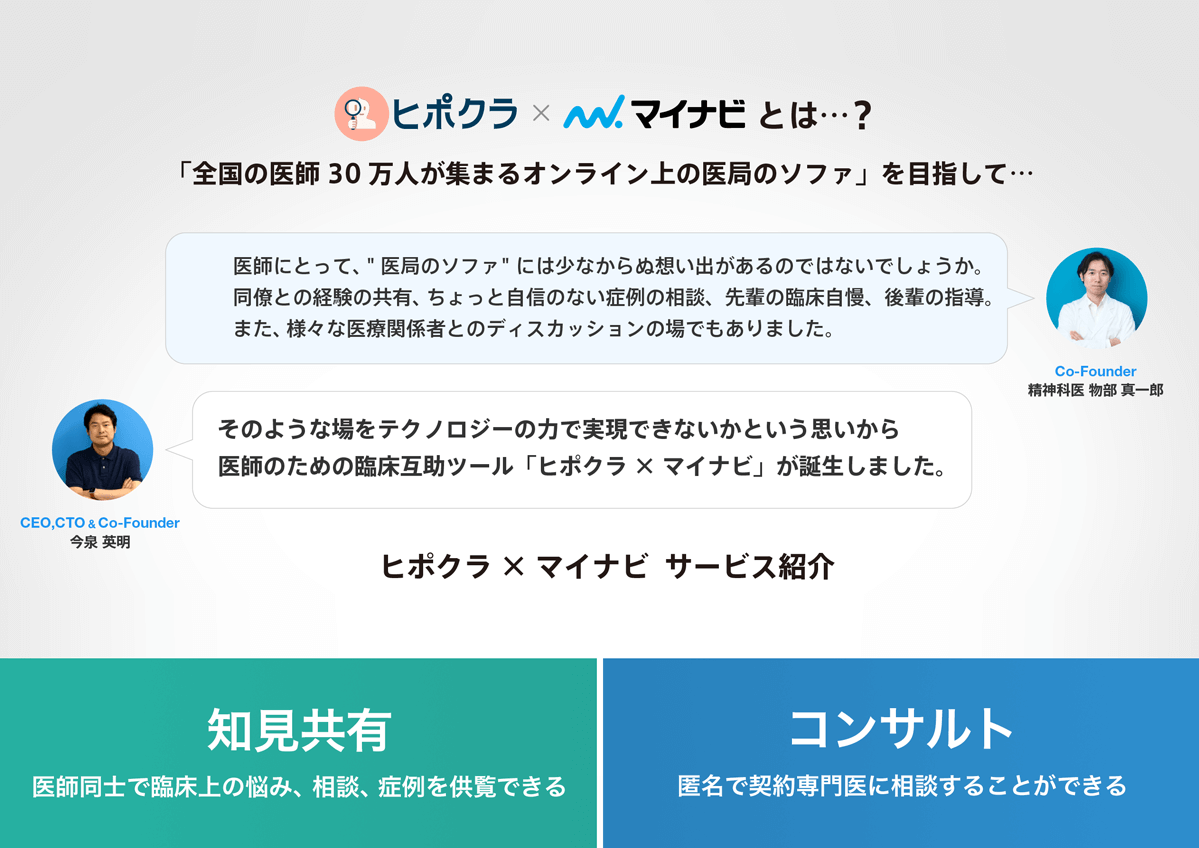
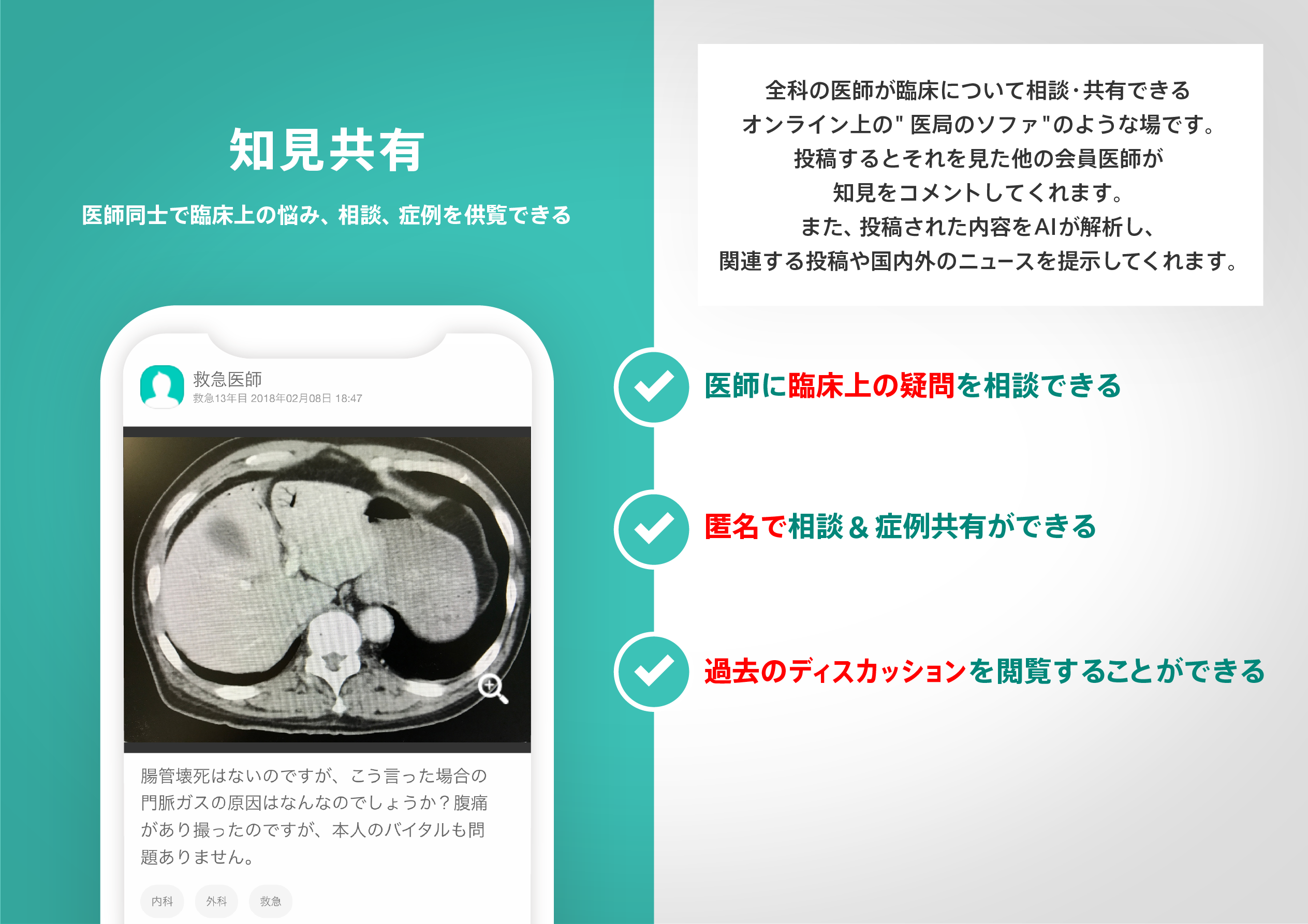
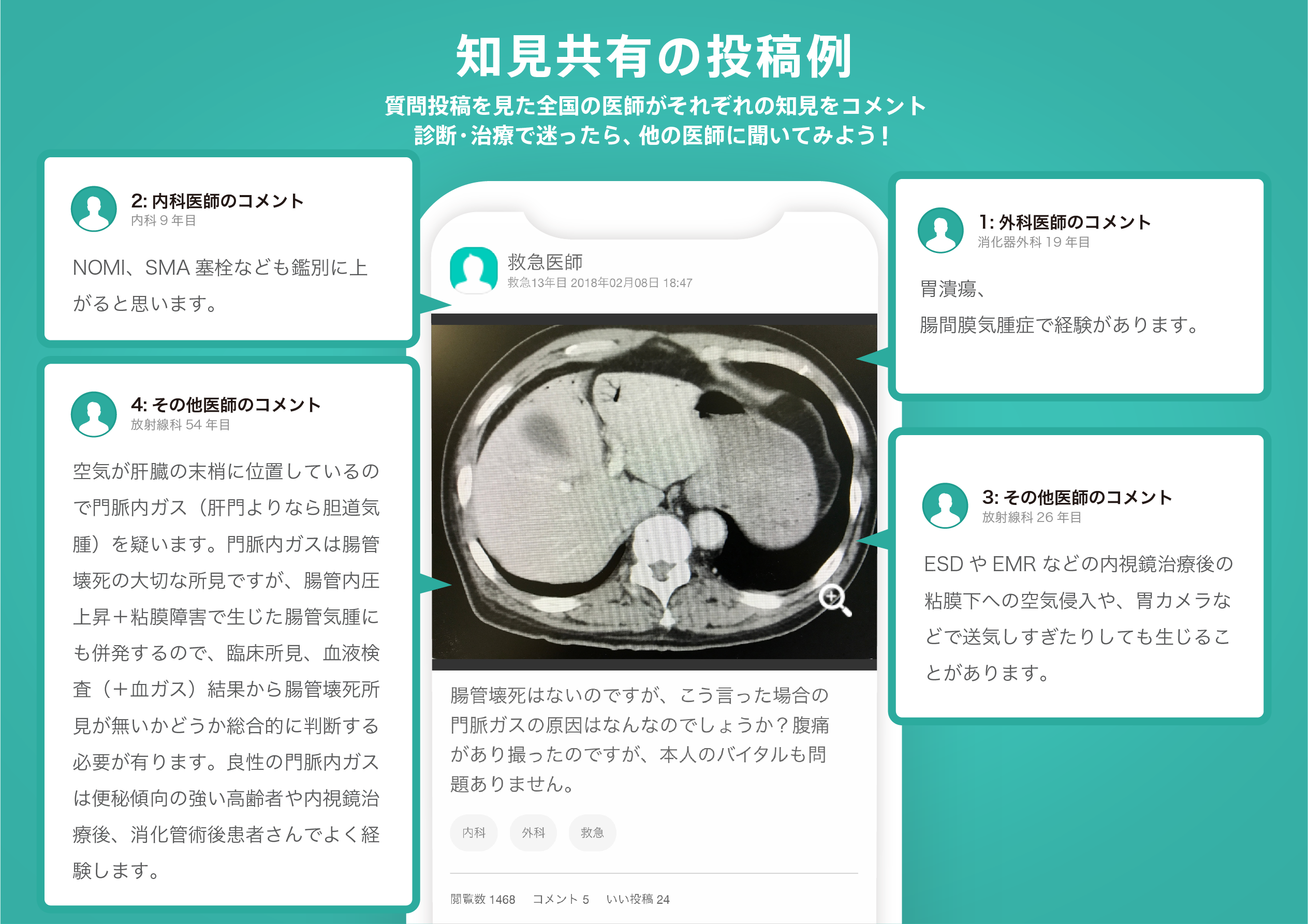
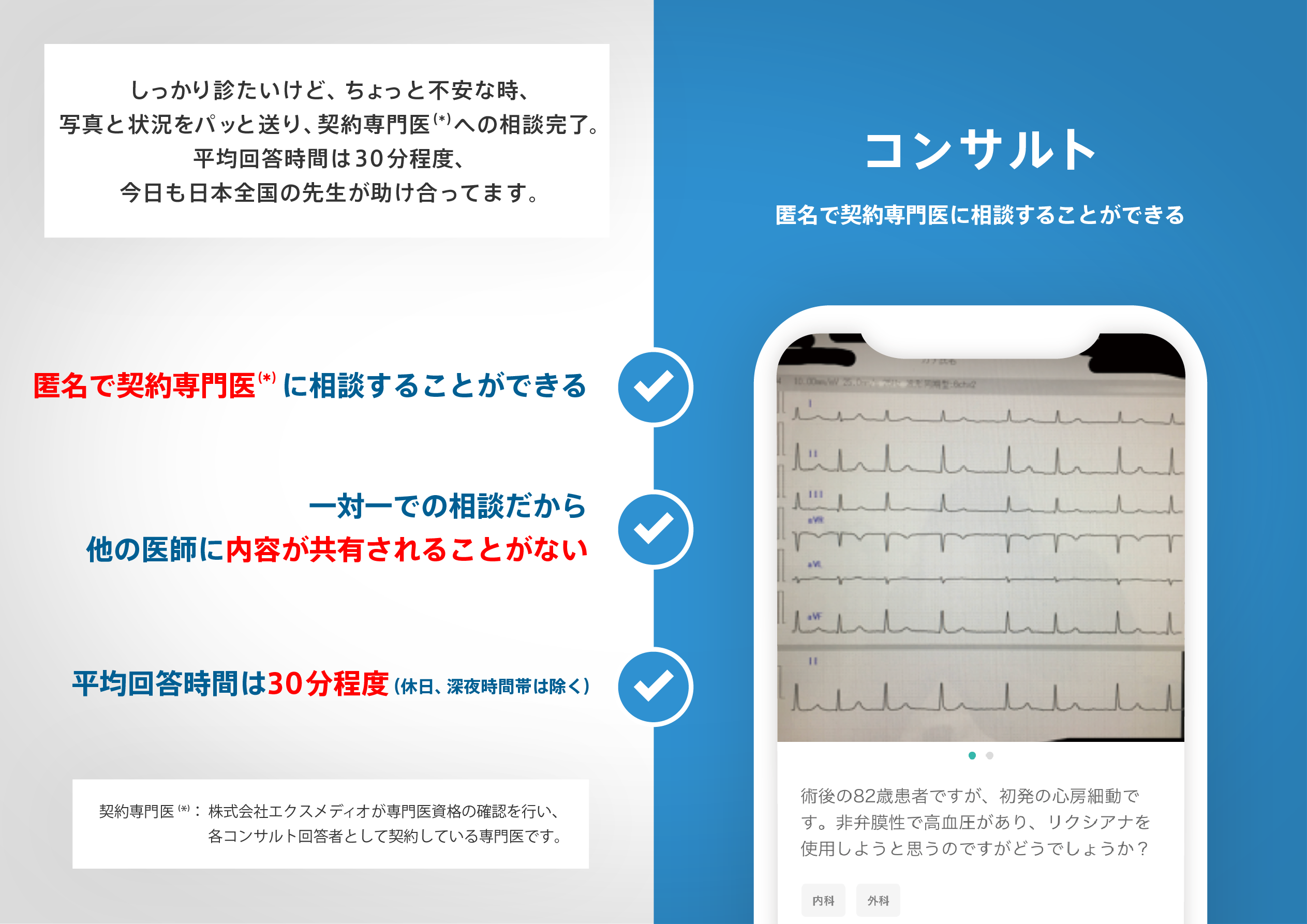
ヒポクラ x マイナビのご紹介

無料会員登録していただくと、さらに便利で効率的な検索が可能になります。