著名医師による解説が無料で読めます
すると翻訳の精度が向上します
目的:私たちの遡及的研究は、前および後部の直接的な複合修復の寿命に対する修理の影響を評価し、修復と交換の修復の寿命を比較することを目的としています。 方法:患者記録は、2000年から2015年の間に恒久的な歯に配置された2+表面を備えた前方および/または後部複合材の修復について遡及的にスクリーニングされました。結果は、成功(さらなる介入なし)、生存1(最初の修復=生存、2番目の修復=故障)、生存2(複数の修復=生存、すべての表面が修復=故障)の3つのレベルで考慮されました。統計分析は、カプランマイヤー統計、ログランクテスト、および共有虚弱を使用した多変量コックス回帰分析を使用して実行されました(P <0.05)。 結果:3239人の患者に置かれた8542回の初期修復物が含まれていました(4.7±4.4年の追跡調査、2.5±0.7表面)。初期修復の寿命は修復によって延長されました(10年後:成功:68.3%、MAFR:3.7%、生存1:77.3%、MAFR:2.5%、生存2:80.4%、MAFR:2.2%; P <0.001)。616修復された修復(4.9±4.2年の追跡調査、3.5±1.0の表面)および264の交換修復(5.6±4.1年の追跡、3.0±0.8サーフェス)を分析しました。修復された修復の成功は、10年後の43.4%(MAFR:8.0%)、さらに修復された生存率(生存1:65.7%、MAFR:4.1%、生存2:74.8%、MAFR:2.9%; P <0.001)になりました。交換修復の成功は、10年後の48.6%(MAFR:7.0%)、修復生存(生存1:67.4%、MAFR:3.9%、P = 0.044;生存2:74.1%、MAFR:3.0%、P = 0.003)。 重要性:修理は、修復物の生存を増やすのに適しています。修復された修復物は、代替品まで続きます。
目的:私たちの遡及的研究は、前および後部の直接的な複合修復の寿命に対する修理の影響を評価し、修復と交換の修復の寿命を比較することを目的としています。 方法:患者記録は、2000年から2015年の間に恒久的な歯に配置された2+表面を備えた前方および/または後部複合材の修復について遡及的にスクリーニングされました。結果は、成功(さらなる介入なし)、生存1(最初の修復=生存、2番目の修復=故障)、生存2(複数の修復=生存、すべての表面が修復=故障)の3つのレベルで考慮されました。統計分析は、カプランマイヤー統計、ログランクテスト、および共有虚弱を使用した多変量コックス回帰分析を使用して実行されました(P <0.05)。 結果:3239人の患者に置かれた8542回の初期修復物が含まれていました(4.7±4.4年の追跡調査、2.5±0.7表面)。初期修復の寿命は修復によって延長されました(10年後:成功:68.3%、MAFR:3.7%、生存1:77.3%、MAFR:2.5%、生存2:80.4%、MAFR:2.2%; P <0.001)。616修復された修復(4.9±4.2年の追跡調査、3.5±1.0の表面)および264の交換修復(5.6±4.1年の追跡、3.0±0.8サーフェス)を分析しました。修復された修復の成功は、10年後の43.4%(MAFR:8.0%)、さらに修復された生存率(生存1:65.7%、MAFR:4.1%、生存2:74.8%、MAFR:2.9%; P <0.001)になりました。交換修復の成功は、10年後の48.6%(MAFR:7.0%)、修復生存(生存1:67.4%、MAFR:3.9%、P = 0.044;生存2:74.1%、MAFR:3.0%、P = 0.003)。 重要性:修理は、修復物の生存を増やすのに適しています。修復された修復物は、代替品まで続きます。
OBJECTIVE: Our retrospective study aimed to assess the impact of repairs on the longevity of anterior and posterior direct composite restorations and to compare longevity of repaired and replacement restorations. METHODS: Patient records were retrospectively screened for anterior and/or posterior composite restorations with 2+ surfaces placed in permanent teeth between 2000 and 2015. During follow-up, repaired and replaced restorations were assessed and mean annual failure rates (mAFR) calculated. Outcome was considered in three levels: Success (no further intervention), survival 1 (first repair=survival, second repair=failure) and survival 2 (more than one repair=survival, all surfaces repaired=failure). Statistical analysis was performed using Kaplan-Meier statistics, log-rank tests, and multi-variate Cox-regression analyses with shared frailty (p<0.05). RESULTS: 8542 initial restorations placed in 3239 patients were included (4.7±4.4 years follow-up, 2.5±0.7 surfaces). Longevity of initial restorations was prolonged by repair(s) (after 10 years: success: 68.3%, mAFR: 3.7%; survival 1: 77.3%, mAFR: 2.5%; survival 2: 80.4%, mAFR: 2.2%; p<0.001). 616 repaired restorations (4.9±4.2 years follow-up, 3.5±1.0 surfaces) and 264 replacement restorations (5.6±4.1 years follow-up, 3.0±0.8 surfaces) were analyzed. Success of repaired restorations amounted to 43.4% after 10 years (mAFR: 8.0%), further repair(s) prolonged survival (survival 1: 65.7%, mAFR: 4.1%; survival 2: 74.8%, mAFR: 2.9%; p<0.001). Success of replacement restorations amounted to 48.6% after 10 years (mAFR: 7.0%), repair(s) prolonged survival (survival 1: 67.4%, mAFR: 3.9%, p=0.044; survival 2: 74.1%, mAFR: 3.0%, p=0.003). SIGNIFICANCE: Repairs are suitable to increase the survival of restorations; repaired restorations last as long as replacements.
医師のための臨床サポートサービス
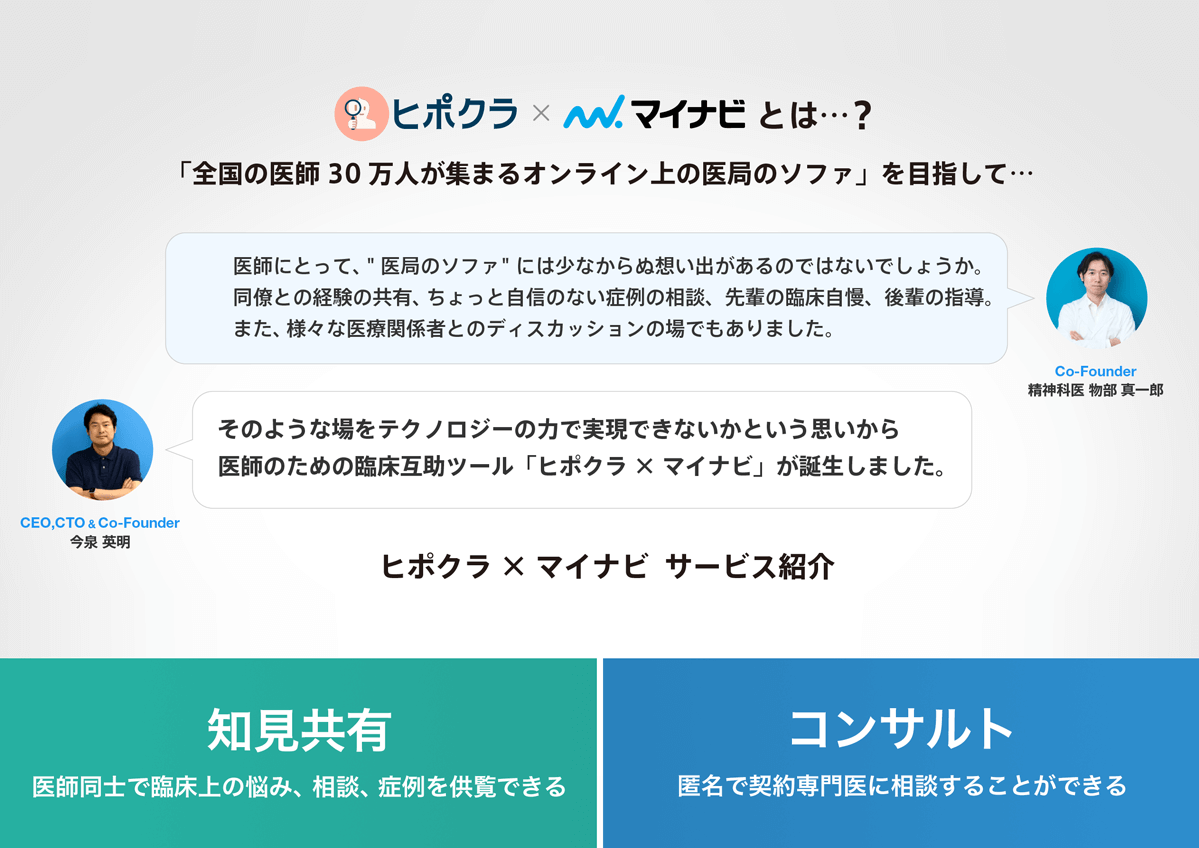
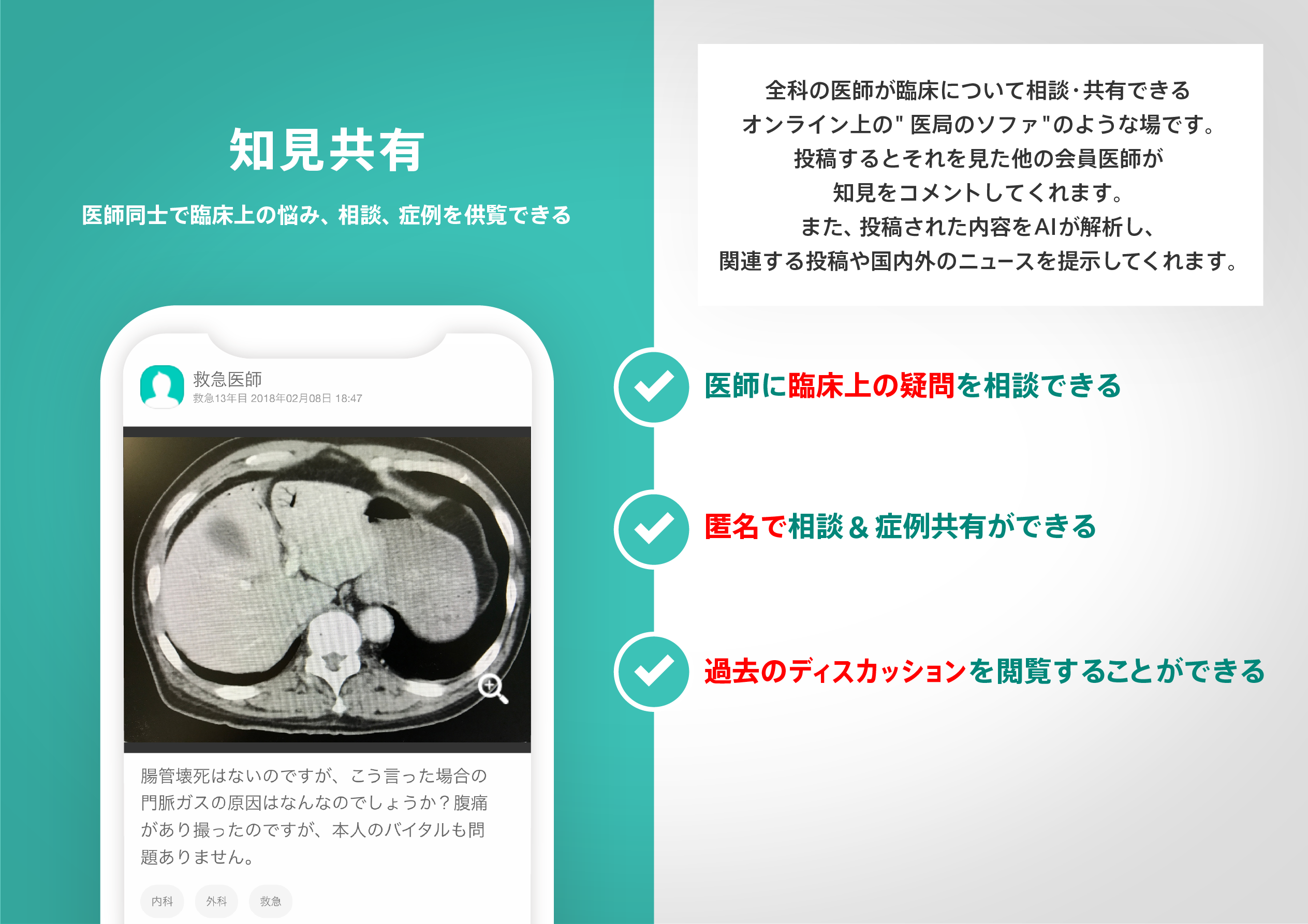
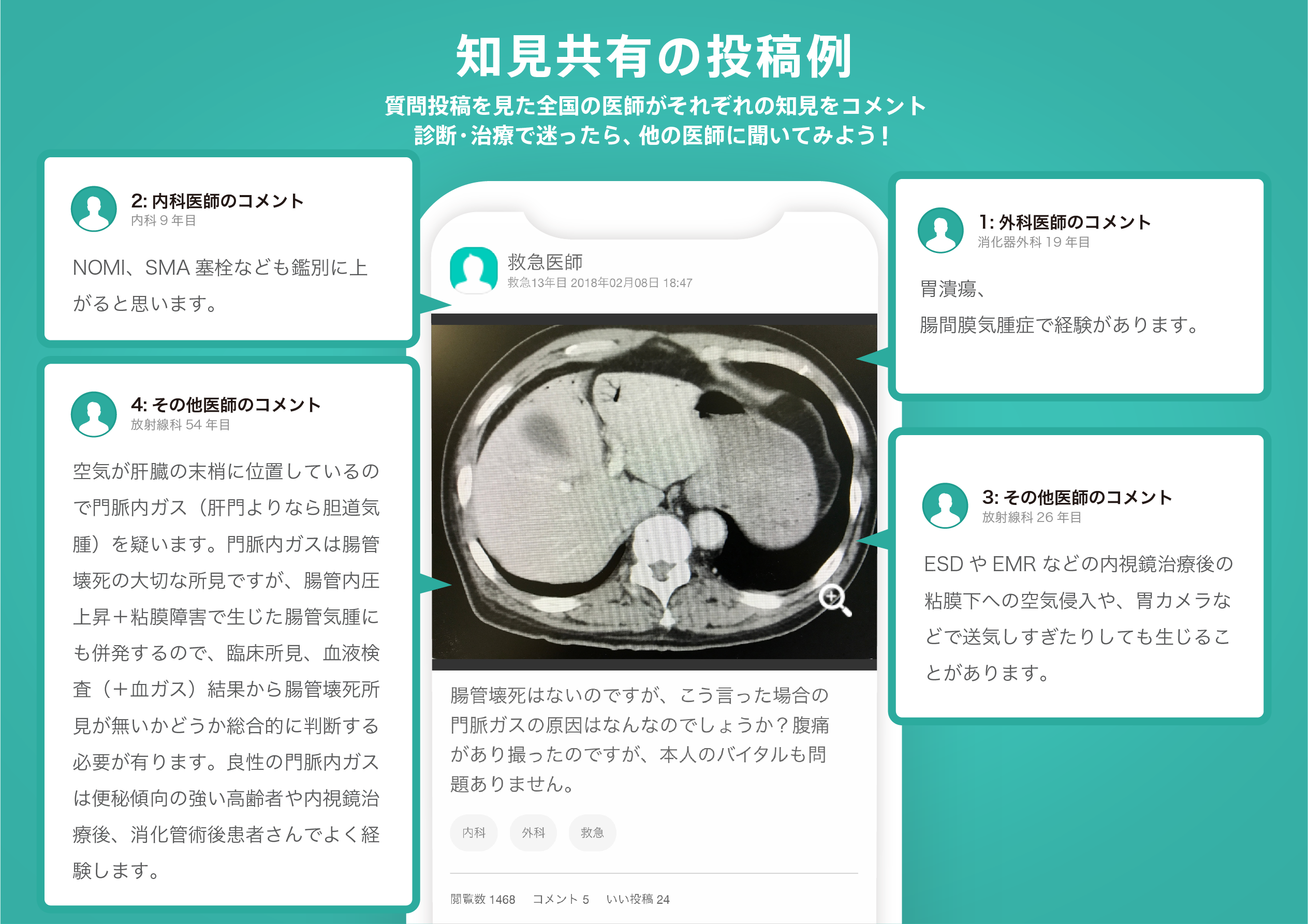
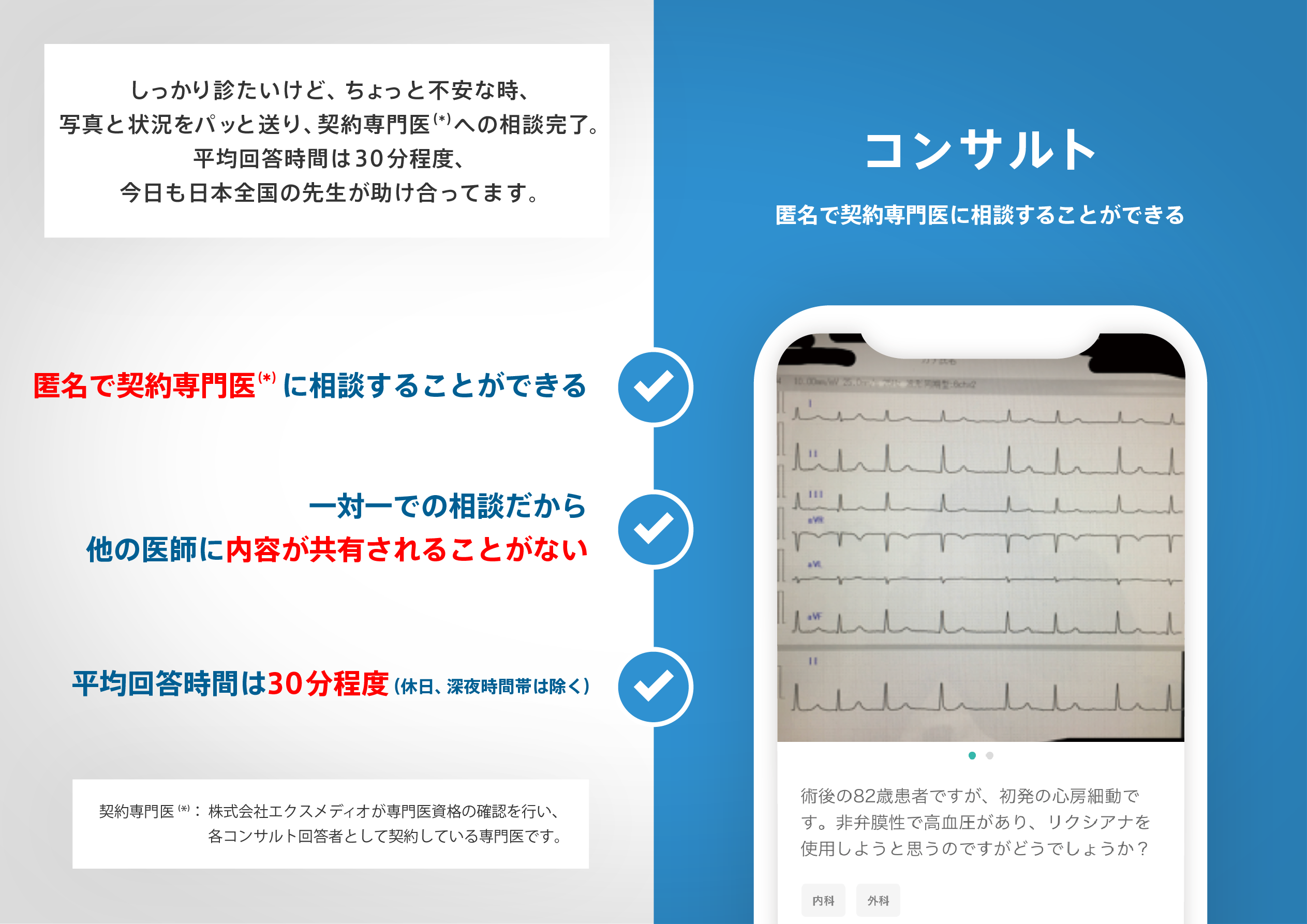
ヒポクラ x マイナビのご紹介

無料会員登録していただくと、さらに便利で効率的な検索が可能になります。