著名医師による解説が無料で読めます
すると翻訳の精度が向上します
目的:子どもの恐怖調査スケジュールサブスケール(CFSS-DS)の親と子のバージョンと、4〜12歳の子供の子供の過去の歯科体験(CPDE)の親と子の評価と子供と子の評価を比較するにはギリシャのサンプル。 方法:大学小児歯科医院(UC)(50.8%)または小児私的診療(PP)で歯科治療を求めている4〜12歳の子供を持つ537の家族(652人の子供)が参加しました。親は社会人口学的アンケートと親のギリシャ語版のCFSS-DSを完了し、子供は子供のギリシャ語版を独立して完成させました。すべての家族がCPDEについての質問に答えました。統計分析は、マルチレベルモデルに基づいていました(P <0.05)。 結果:母親と父親の平均CFSS-DS合計スコアは互いに有意な差はなかったが(P = 0.655)、子供の年齢に関係なく、息子や娘のスコアよりも有意に高かった(P <0.001)。母親の年齢とCFSS-DS契約の間には否定的な関連性がありましたが、父親ではありませんでした。性別に関係なく、子どもと両方の親の間のCPDE評価については不十分な合意がありました。CPDEの親の評価は、子供の歯の恐怖の評価とは関係ありませんでしたが、CPDEの子供の評価は現在の歯の恐怖と有意に関連していました。場所(UCまたはPP)は、CFSS-DSまたはCPDEの親子の違いに有意な影響を与えませんでした。 結論:両親は両方とも息子と娘の歯の恐怖を過大評価しました。親と子供の間のCPDE評価に関する合意が不十分でした。親のCFSS-DSおよびCPDE評価は、子どもの歯の恐怖と以前の歯科経験の貧弱な指標です。
目的:子どもの恐怖調査スケジュールサブスケール(CFSS-DS)の親と子のバージョンと、4〜12歳の子供の子供の過去の歯科体験(CPDE)の親と子の評価と子供と子の評価を比較するにはギリシャのサンプル。 方法:大学小児歯科医院(UC)(50.8%)または小児私的診療(PP)で歯科治療を求めている4〜12歳の子供を持つ537の家族(652人の子供)が参加しました。親は社会人口学的アンケートと親のギリシャ語版のCFSS-DSを完了し、子供は子供のギリシャ語版を独立して完成させました。すべての家族がCPDEについての質問に答えました。統計分析は、マルチレベルモデルに基づいていました(P <0.05)。 結果:母親と父親の平均CFSS-DS合計スコアは互いに有意な差はなかったが(P = 0.655)、子供の年齢に関係なく、息子や娘のスコアよりも有意に高かった(P <0.001)。母親の年齢とCFSS-DS契約の間には否定的な関連性がありましたが、父親ではありませんでした。性別に関係なく、子どもと両方の親の間のCPDE評価については不十分な合意がありました。CPDEの親の評価は、子供の歯の恐怖の評価とは関係ありませんでしたが、CPDEの子供の評価は現在の歯の恐怖と有意に関連していました。場所(UCまたはPP)は、CFSS-DSまたはCPDEの親子の違いに有意な影響を与えませんでした。 結論:両親は両方とも息子と娘の歯の恐怖を過大評価しました。親と子供の間のCPDE評価に関する合意が不十分でした。親のCFSS-DSおよびCPDE評価は、子どもの歯の恐怖と以前の歯科経験の貧弱な指標です。
PURPOSE: To compare the parental and child versions of the Children's Fear Survey Schedule-Dental Subscale (CFSS-DS) and the parental and child evaluations of the Child's Past Dental Experience (CPDE) in 4- to 12-year-old children in a sample from Greece. METHODS: 537 families (652 children) with 4- to 12-year-old children seeking dental care either at a University paediatric dental clinic (UC) (50.8%) or a paediatric private practice (PP) participated. Parents completed a sociodemographic questionnaire and the parental Greek version of the CFSS-DS, and children independently completed the child's Greek version. All family members answered questions about CPDE. Statistical analyses were based on multilevel models (p < 0.05). RESULTS: Mothers' and fathers' mean CFSS-DS total scores were not significantly different from each other (p = 0.655), but were significantly higher than the scores of their sons and daughters (p < 0.001), regardless of the child's age. There was a negative association between mother's age and CFSS-DS agreement, but not for fathers. There was poor agreement for CPDE ratings between children and both parents, regardless of gender. Parents' ratings of CPDE were not related to their assessment of their children's dental fear, whilst the children's ratings of their CPDE were significantly related to their current dental fear. Location (UC or PP) had no significant influence on CFSS-DS or CPDE parental-child differences. CONCLUSIONS: Both parents overestimated their sons' and daughters' dental fear. There was poor agreement on CPDE evaluation between parents and children. Parental CFSS-DS and CPDE evaluations are poor indicators of children's dental fear and prior dental experience.
医師のための臨床サポートサービス
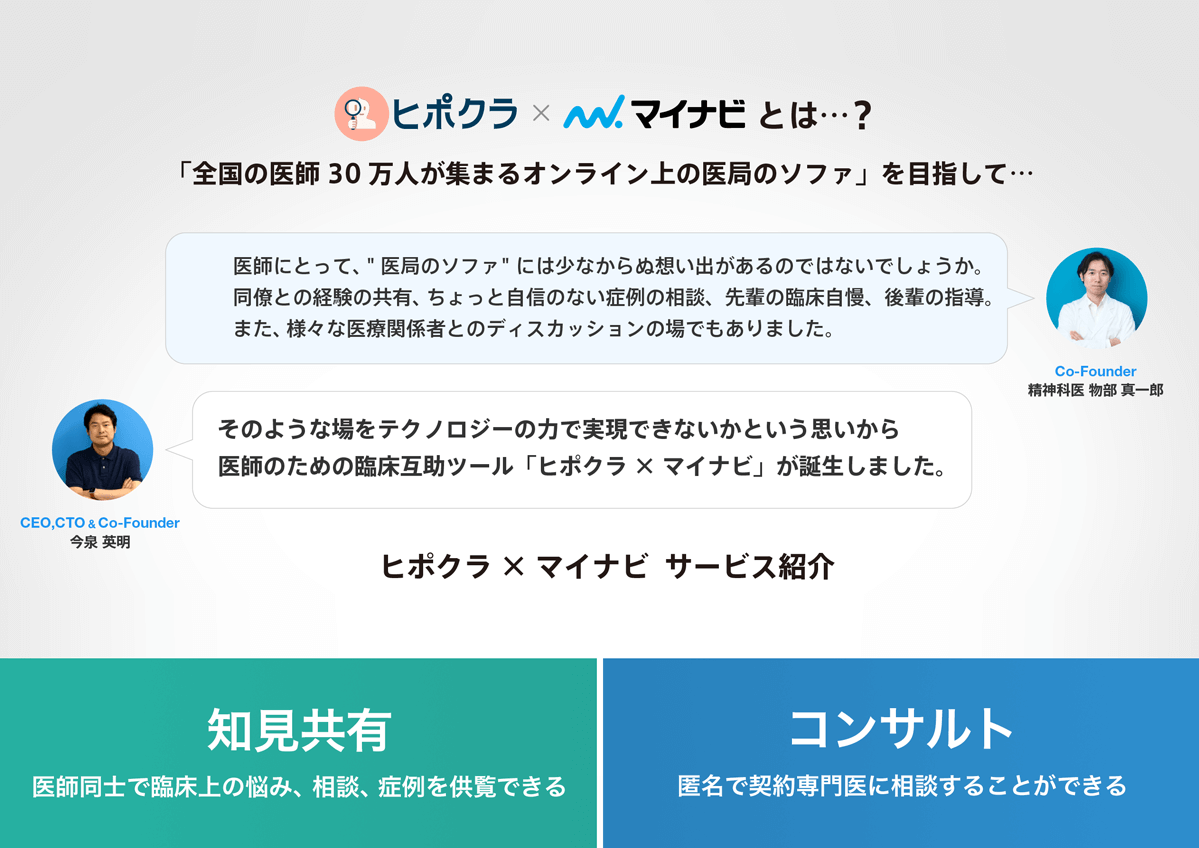
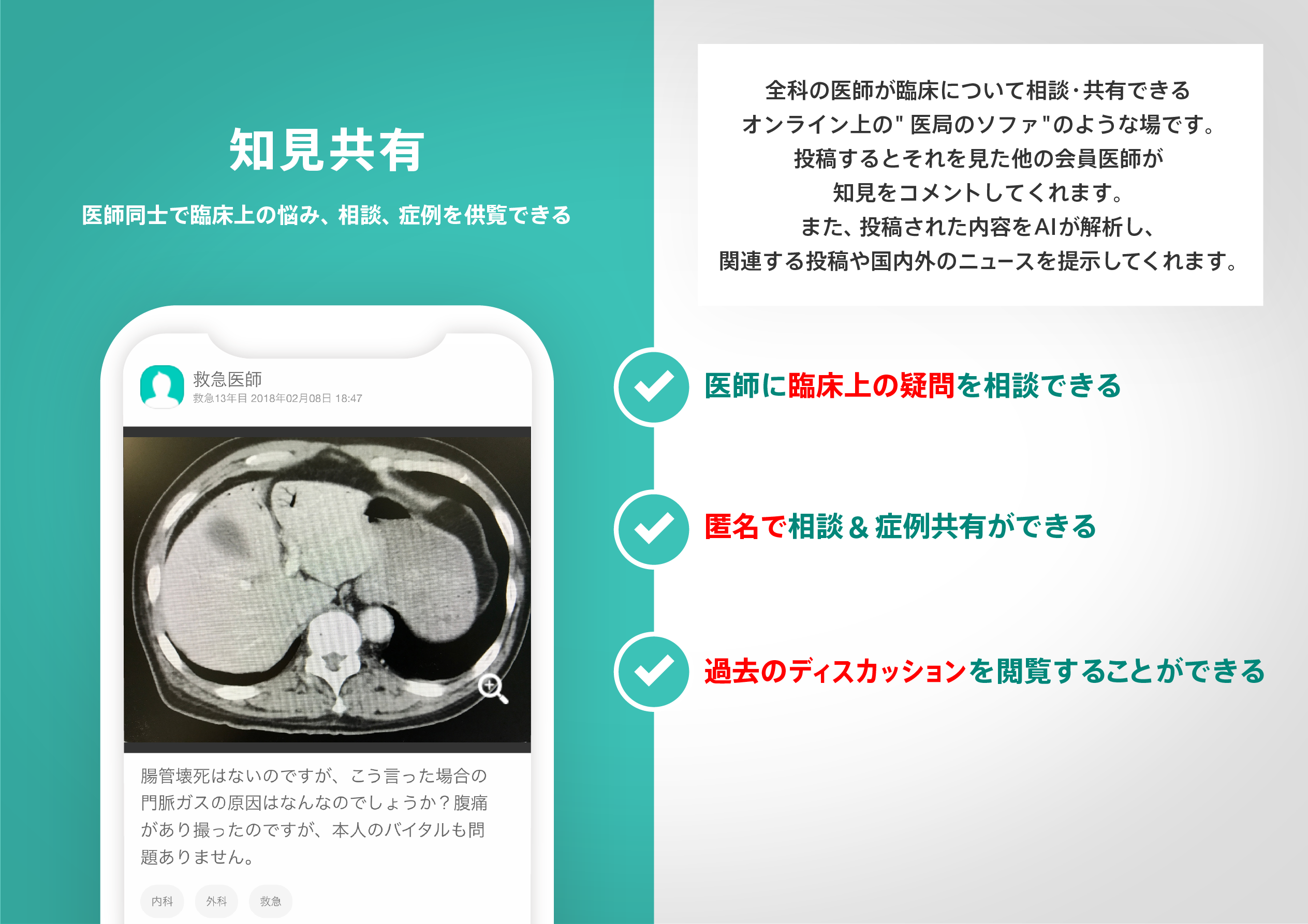
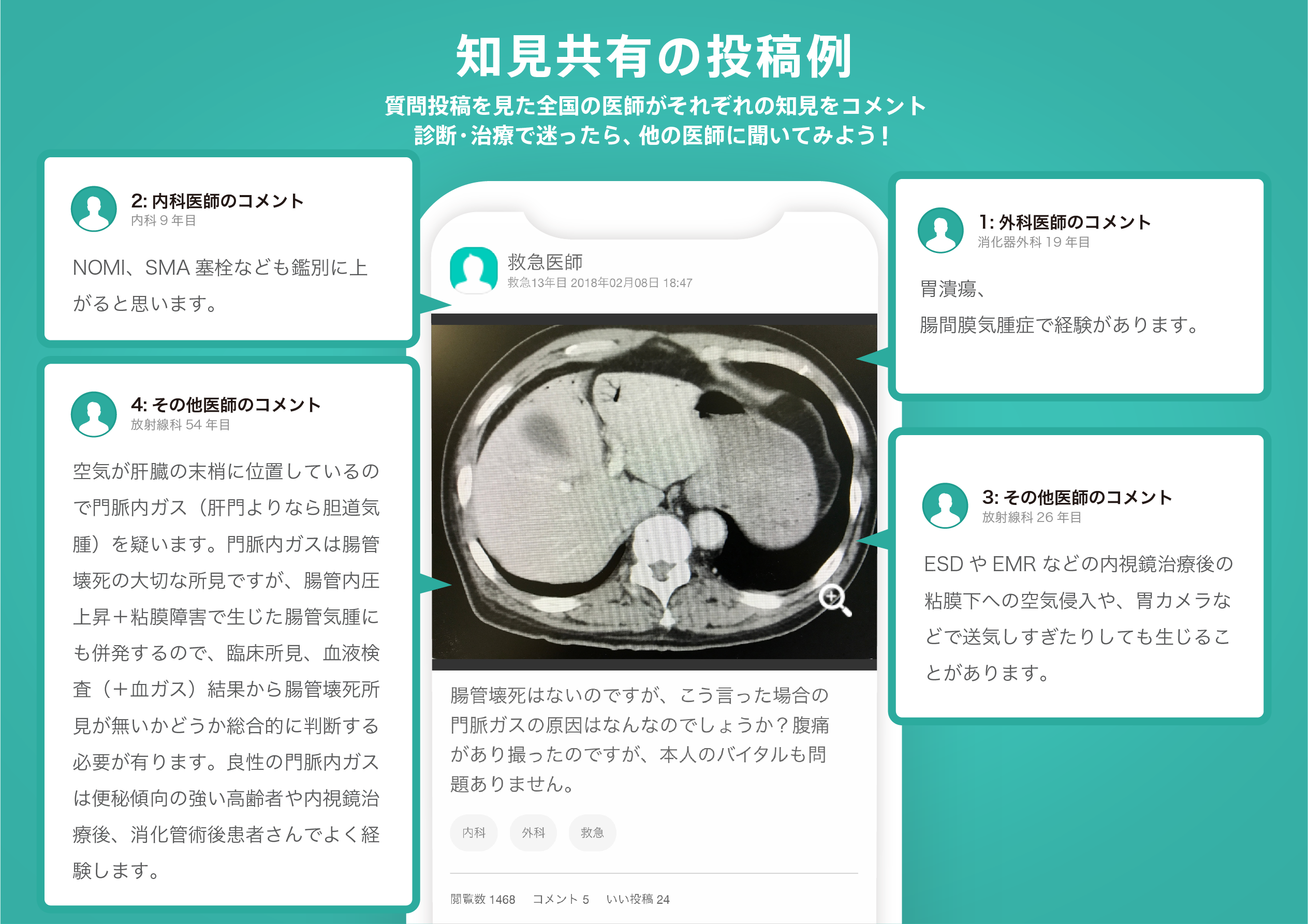
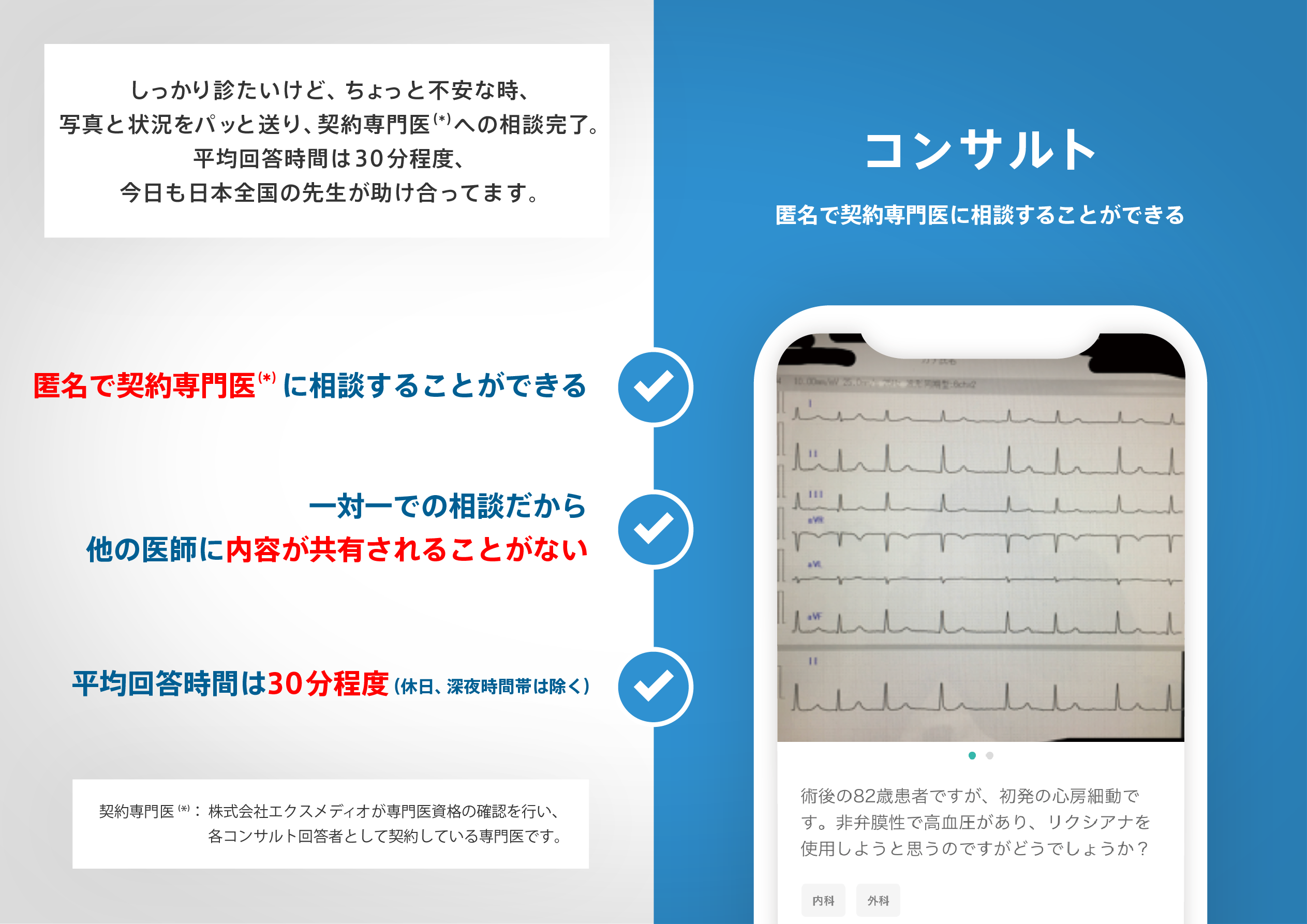
ヒポクラ x マイナビのご紹介

無料会員登録していただくと、さらに便利で効率的な検索が可能になります。