著名医師による解説が無料で読めます
すると翻訳の精度が向上します
背景:直接的な吸入の課題(メタコリンなど)は、間接的な課題(例:運動、非等角度エアロゾル、マンニトールなど)よりも喘息の診断に対してより敏感で具体的ではないと述べられています。ただし、マンニトールの課題と比較したメタコリンの比較感度と特異性を取り巻くデータは矛盾しています。メタコリンが深い総肺容量(TLC)吸入によって吸入されると、気管支収縮の深い吸入阻害は、潮coste(TB)吸入法と比較した場合、診断感度の著しい喪失につながります。生成される気管支保護を伴う深い吸入メタコリン法は、矛盾する感度/特異性データの説明である可能性があると仮定しました。 方法:メタコリンとマンニトールの課題がほぼ同じ個人で行われた27の研究をレビューしました。メタコリンは、13の研究で線量計TLC法と、14の研究で潮の呼吸によって吸入されました。喘息と非アスマティクスの両方において、陽性メタコリン(吸入法によって層別化された)とマンニトールの課題の割合を比較しました。 結果:TLC吸入によりメタコリンが吸入された場合、喘息症の陽性試験の有病率、60.2%(548/910)は、マニトール、58.9%(537/912)に類似していた。対照的に、メタコリンが潮を吸い込んで吸い込まれた場合、喘息の陽性試験83.1%(343/413)の有病率は、マンニトールの2倍以上、41.5%(146/351)でした。非攻撃では、2つのメタコリン法により、TLCおよびTB吸入により、それぞれ18.8%(142/756)および16.2%(27/166)で陽性検査が行われました。これは、913の非喘息患者のマンニトールの全体的な8.3%(n = 76)の正の速度と比較されます。 結論:これらのデータは、メタコリンとマンニトールの感受性と特異性を比較する矛盾するデータがメタコリン吸入の方法によるものであるという仮説をサポートしています。潮の呼吸メタコリン法は、喘息の診断に対して、TLC線量計メタコリンチャレンジ法またはマンニトールチャレンジよりもかなり高い感度を持っています。メタコリンの課題は、最近のガイドラインの推奨事項に従って、潮の呼吸によって実行されるべきです。したがって、メタコリン(より敏感)およびマンニトール(より具体的)には、補完的な診断機能があります。
背景:直接的な吸入の課題(メタコリンなど)は、間接的な課題(例:運動、非等角度エアロゾル、マンニトールなど)よりも喘息の診断に対してより敏感で具体的ではないと述べられています。ただし、マンニトールの課題と比較したメタコリンの比較感度と特異性を取り巻くデータは矛盾しています。メタコリンが深い総肺容量(TLC)吸入によって吸入されると、気管支収縮の深い吸入阻害は、潮coste(TB)吸入法と比較した場合、診断感度の著しい喪失につながります。生成される気管支保護を伴う深い吸入メタコリン法は、矛盾する感度/特異性データの説明である可能性があると仮定しました。 方法:メタコリンとマンニトールの課題がほぼ同じ個人で行われた27の研究をレビューしました。メタコリンは、13の研究で線量計TLC法と、14の研究で潮の呼吸によって吸入されました。喘息と非アスマティクスの両方において、陽性メタコリン(吸入法によって層別化された)とマンニトールの課題の割合を比較しました。 結果:TLC吸入によりメタコリンが吸入された場合、喘息症の陽性試験の有病率、60.2%(548/910)は、マニトール、58.9%(537/912)に類似していた。対照的に、メタコリンが潮を吸い込んで吸い込まれた場合、喘息の陽性試験83.1%(343/413)の有病率は、マンニトールの2倍以上、41.5%(146/351)でした。非攻撃では、2つのメタコリン法により、TLCおよびTB吸入により、それぞれ18.8%(142/756)および16.2%(27/166)で陽性検査が行われました。これは、913の非喘息患者のマンニトールの全体的な8.3%(n = 76)の正の速度と比較されます。 結論:これらのデータは、メタコリンとマンニトールの感受性と特異性を比較する矛盾するデータがメタコリン吸入の方法によるものであるという仮説をサポートしています。潮の呼吸メタコリン法は、喘息の診断に対して、TLC線量計メタコリンチャレンジ法またはマンニトールチャレンジよりもかなり高い感度を持っています。メタコリンの課題は、最近のガイドラインの推奨事項に従って、潮の呼吸によって実行されるべきです。したがって、メタコリン(より敏感)およびマンニトール(より具体的)には、補完的な診断機能があります。
BACKGROUND: Direct inhalation challenges (e.g. methacholine) are stated to be more sensitive and less specific for a diagnosis of asthma than are indirect challenges (e.g. exercise, non-isotonic aerosols, mannitol, etc.). However, data surrounding comparative sensitivity and specificity for methacholine compared to mannitol challenges are conflicting. When methacholine is inhaled by deep total lung capacity (TLC) inhalations, deep inhalation inhibition of bronchoconstriction leads to a marked loss of diagnostic sensitivity when compared to tidal breathing (TB) inhalation methods. We hypothesized that deep inhalation methacholine methods with resulting bronchoprotection may be the explanation for conflicting sensitivity/specificity data. METHODS: We reviewed 27 studies in which methacholine and mannitol challenges were performed in largely the same individuals. Methacholine was inhaled by dosimeter TLC methods in 13 studies and by tidal breathing in 14 studies. We compared the rates of positive methacholine (stratified by inhalation method) and mannitol challenges in both asthmatics and non-asthmatics. RESULTS: When methacholine was inhaled by TLC inhalations the prevalence of positive tests in asthmatics, 60.2% (548/910), was similar to mannitol, 58.9% (537/912). By contrast, when methacholine was inhaled by tidal breathing the prevalence of positive tests in asthmatics 83.1% (343/413) was more than double that of mannitol, 41.5% (146/351). In non-asthmatics, the two methacholine methods resulted in positive tests in 18.8% (142/756) and 16.2% (27/166) by TLC and TB inhalations respectively. This compares to an overall 8.3% (n = 76) positive rate for mannitol in 913 non-asthmatics. CONCLUSION: These data support the hypothesis that the conflicting data comparing methacholine and mannitol sensitivity and specificity are due to the method of methacholine inhalation. Tidal breathing methacholine methods have a substantially greater sensitivity for a diagnosis of asthma than either TLC dosimeter methacholine challenge methods or mannitol challenge. Methacholine challenges should be performed by tidal breathing as per recent guideline recommendations. Methacholine (more sensitive) and mannitol (more specific) will thus have complementary diagnostic features.
医師のための臨床サポートサービス
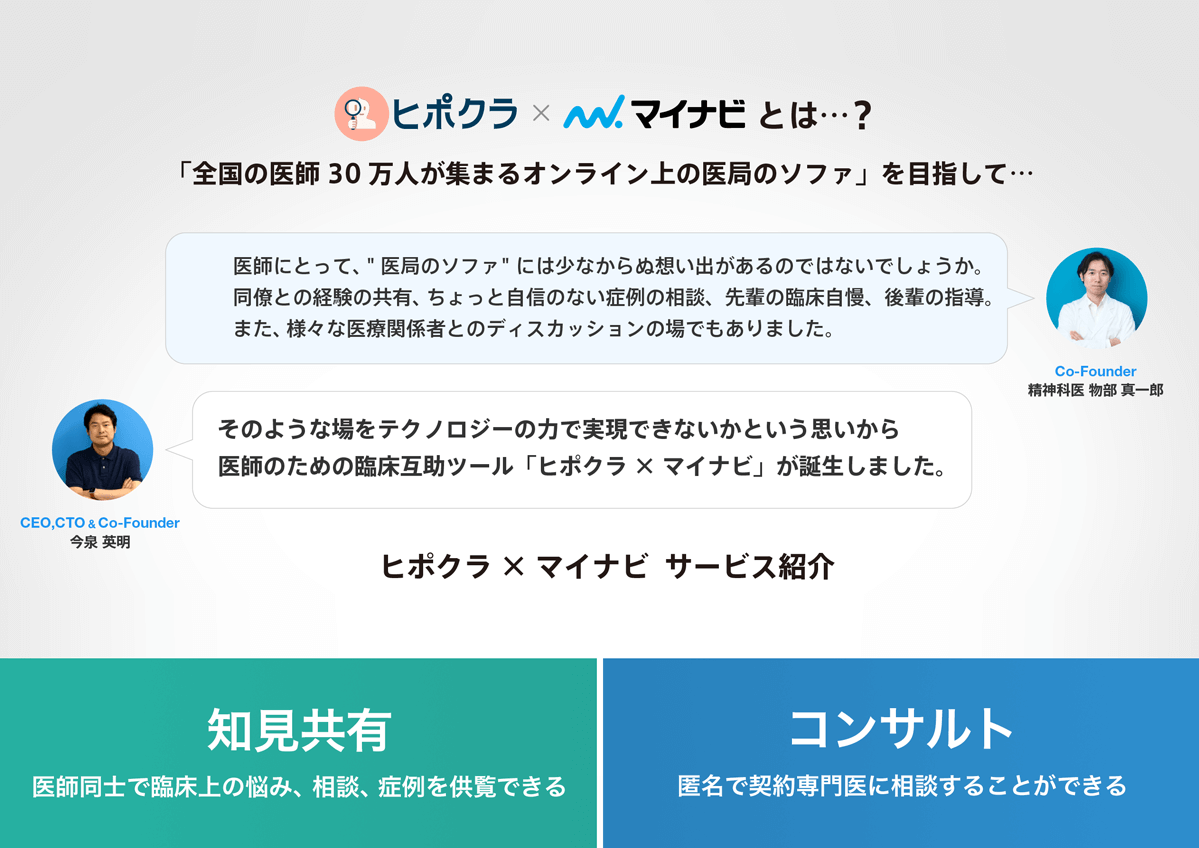
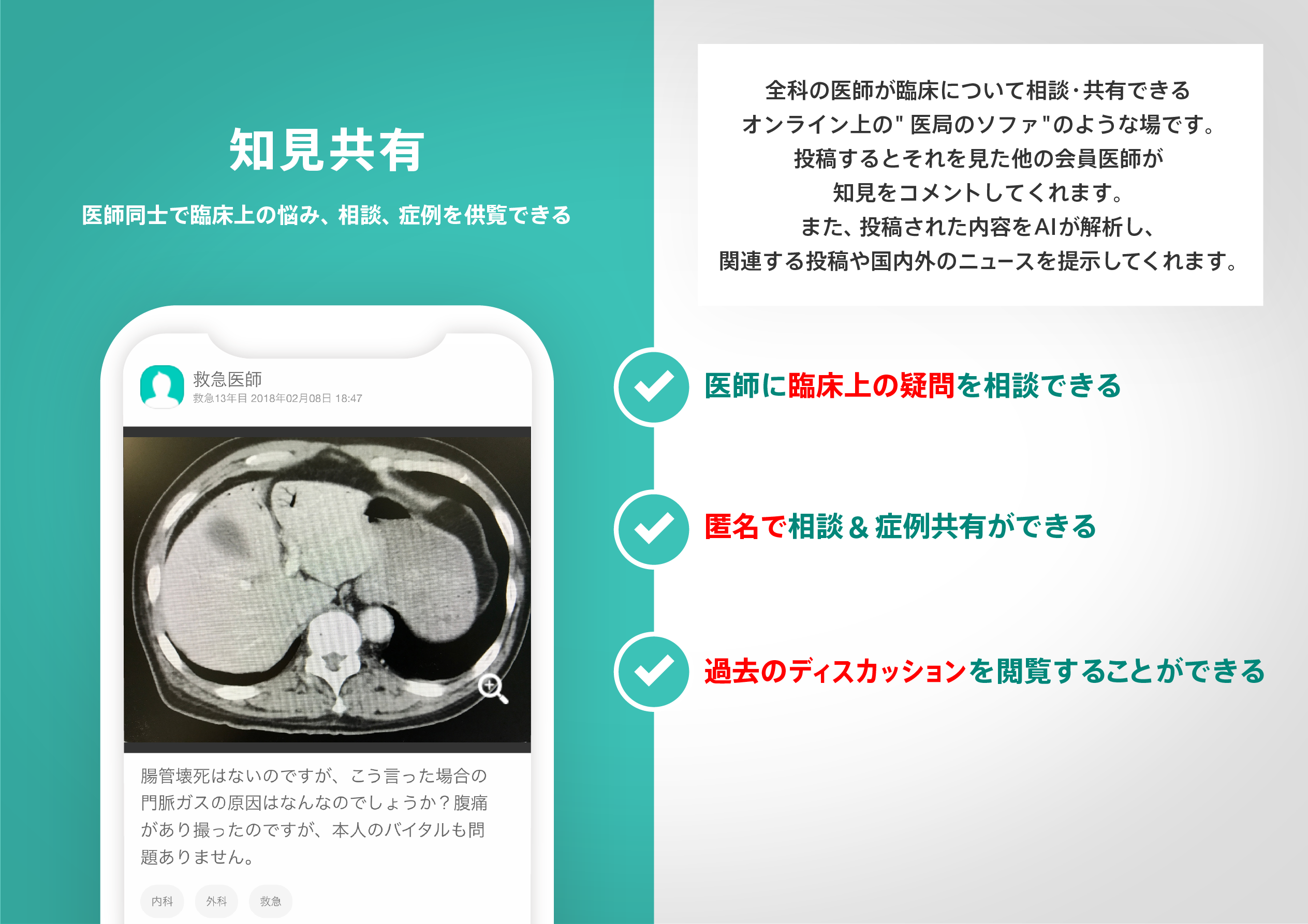
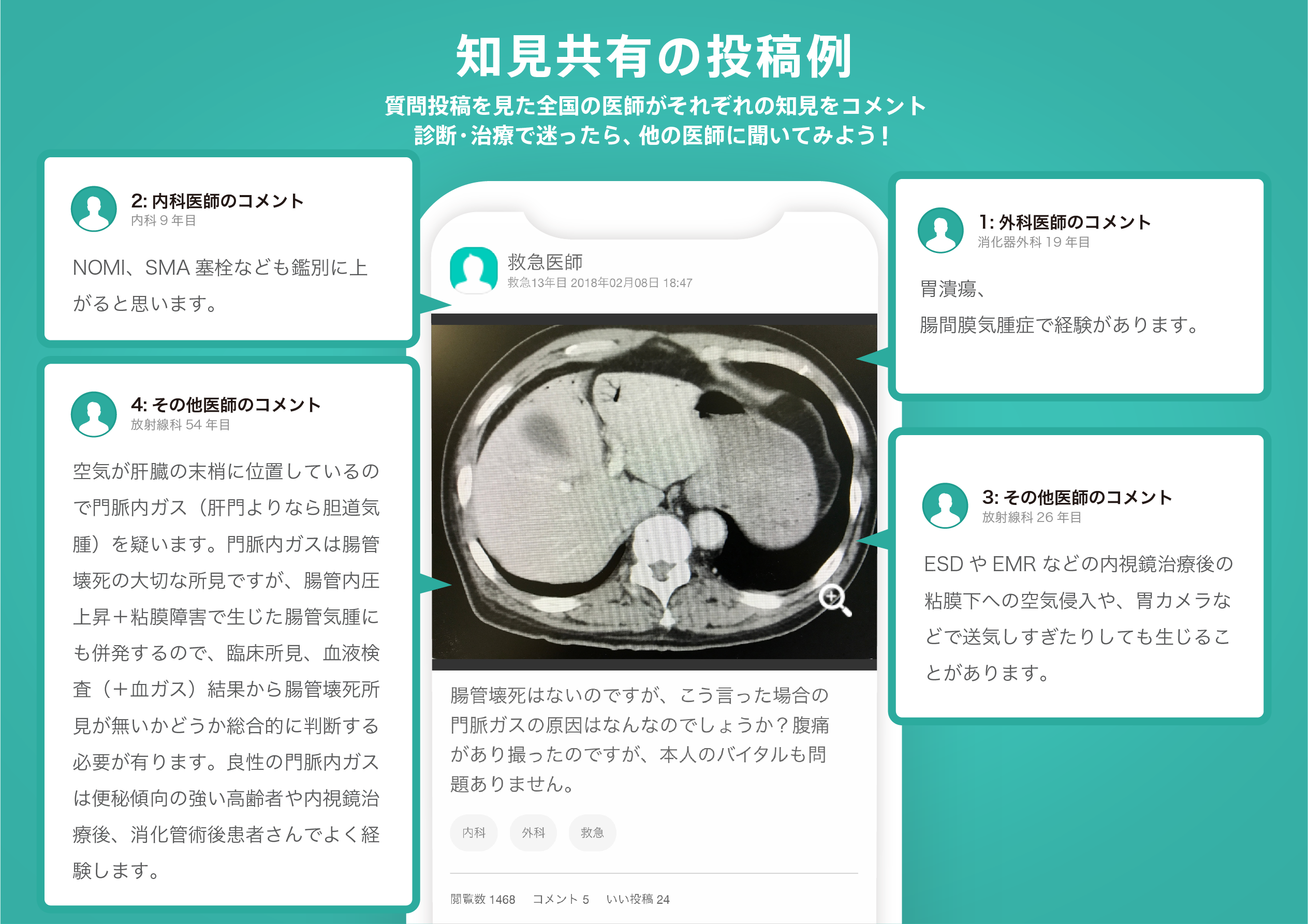
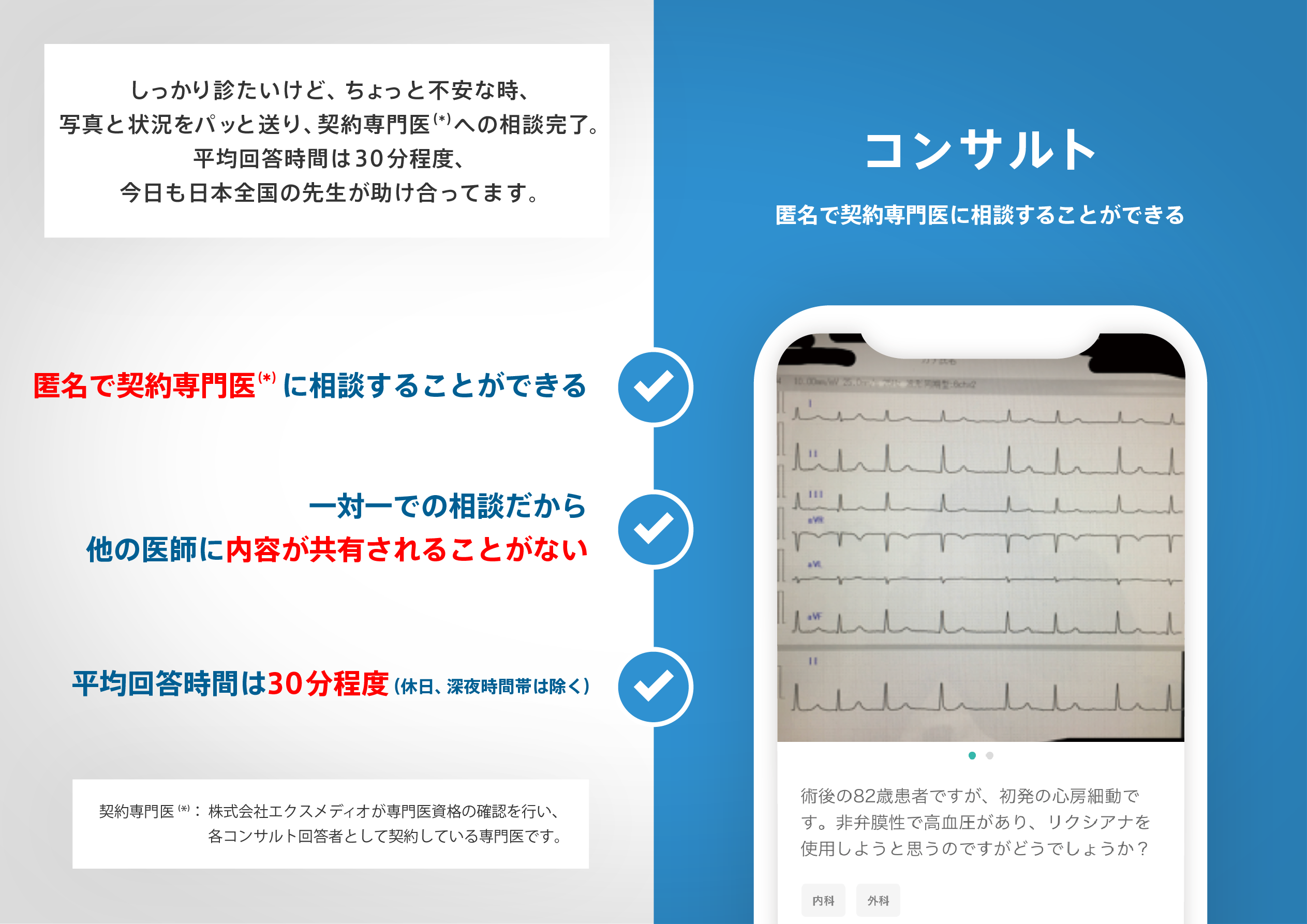
ヒポクラ x マイナビのご紹介

無料会員登録していただくと、さらに便利で効率的な検索が可能になります。