著名医師による解説が無料で読めます
すると翻訳の精度が向上します
過去20年間、純粋で高度に特徴付けられた材料と新しい方法、たとえばナノゲルろ過を可能にし、特性を研究し、一部を修正するために、ヒト胎児および胚性ヘモグロビンを理解することで、我々の理解において、かなりの進歩がなされてきました。誤解。たとえば、ヒト成体、胎児、および胚性ヘモグロビンの構造は非常に類似していますが、それらの間の機能的違いは一次配列効果によるものであると一般に想定されています。しかし、より最近の研究では、サブユニット間の相互作用の強さは非常に異なることが、成体ヘモグロビンと比較して酸素結合特性の変化につながることを示しています。酸素立体構造における胎児ヘモグロビンは、成体ヘモグロビンよりもはるかに強い四量体であり、成人ヘモグロビンよりも70倍少ないダイマーに分離します。この特性は、マラリアに対するその保護効果の基礎を形成する可能性があります。胎児ヘモグロビンの強度の増加の主な原因は、ハイブリッドヘモグロビンフェリックスおよび関連ハイブリッドの研究で実証されているように、ガンマサブユニットのAヘリックス内にあります。in vivoでの胎児ヘモグロビン合成の再活性化は、現在、鎌状赤血球貧血を治療するように設計された臨床的努力の主要な焦点です。なぜなら、鎌状赤血球の凝集を阻害するからです。胎児ヘモグロビンの酸素親和性の増加とDPGに対するその応答の減少の両方のメカニズムは明らかにされています。胎児ヘモグロビンの10〜20%を占めるアセチル化胎児ヘモグロビンは、他の種類のタンパク質アセチル化で同様の役割を示唆するテトラマー構造が有意に弱くなっています。胚性ヘモグロビンは、最も弱い四量体および二量体構造を持っています。一般に、発達中の胎児から胎児まで、そして最終的には成体のタイプとともに、ヘモグロビンファミリーのサブユニット界面の徐々に増加する強度は、in vivo、すなわち存在性の消失と相関します。
過去20年間、純粋で高度に特徴付けられた材料と新しい方法、たとえばナノゲルろ過を可能にし、特性を研究し、一部を修正するために、ヒト胎児および胚性ヘモグロビンを理解することで、我々の理解において、かなりの進歩がなされてきました。誤解。たとえば、ヒト成体、胎児、および胚性ヘモグロビンの構造は非常に類似していますが、それらの間の機能的違いは一次配列効果によるものであると一般に想定されています。しかし、より最近の研究では、サブユニット間の相互作用の強さは非常に異なることが、成体ヘモグロビンと比較して酸素結合特性の変化につながることを示しています。酸素立体構造における胎児ヘモグロビンは、成体ヘモグロビンよりもはるかに強い四量体であり、成人ヘモグロビンよりも70倍少ないダイマーに分離します。この特性は、マラリアに対するその保護効果の基礎を形成する可能性があります。胎児ヘモグロビンの強度の増加の主な原因は、ハイブリッドヘモグロビンフェリックスおよび関連ハイブリッドの研究で実証されているように、ガンマサブユニットのAヘリックス内にあります。in vivoでの胎児ヘモグロビン合成の再活性化は、現在、鎌状赤血球貧血を治療するように設計された臨床的努力の主要な焦点です。なぜなら、鎌状赤血球の凝集を阻害するからです。胎児ヘモグロビンの酸素親和性の増加とDPGに対するその応答の減少の両方のメカニズムは明らかにされています。胎児ヘモグロビンの10〜20%を占めるアセチル化胎児ヘモグロビンは、他の種類のタンパク質アセチル化で同様の役割を示唆するテトラマー構造が有意に弱くなっています。胚性ヘモグロビンは、最も弱い四量体および二量体構造を持っています。一般に、発達中の胎児から胎児まで、そして最終的には成体のタイプとともに、ヘモグロビンファミリーのサブユニット界面の徐々に増加する強度は、in vivo、すなわち存在性の消失と相関します。
During the past two decades, significant advances have been made in our understanding of the human fetal and embryonic hemoglobins made possible by the availability of pure, highly characterized materials and novel methods, e.g., nano gel filtration, to study their properties and to correct some misconceptions. For example, whereas the structures of the human adult, fetal, and embryonic hemoglobins are very similar, it has generally been assumed that functional differences between them are due to primary sequence effects. However, more recent studies indicate that the strengths of the interactions between their subunits are very different leading to changes in their oxygen binding properties compared to adult hemoglobin. Fetal hemoglobin in the oxy conformation is a much stronger tetramer than adult hemoglobin and dissociates to dimers 70-times less than adult hemoglobin. This property may form the basis for its protective effect against malaria. A major source of the increased strength of fetal hemoglobin resides within the A-helix of its gamma subunit as demonstrated in studies with the hybrid hemoglobin Felix and related hybrids. Re-activating fetal hemoglobin synthesis in vivo is currently a major focus of clinical efforts designed to treat sickle cell anemia since it inhibits the aggregation of sickle hemoglobin. The mechanisms for both the increased oxygen affinity of fetal hemoglobin and its decreased response to DPG have been clarified. Acetylated fetal hemoglobin, which makes up 10-20% of total fetal hemoglobin, has a significantly weakened tetramer structure suggesting a similar role for other kinds of protein acetylation. Embryonic hemoglobins have the weakest tetramer and dimer structures. In general, the progressively increasing strength of the subunit interfaces of the hemoglobin family during development from the embryonic to the fetal and ultimately to the adult types correlates with their temporal appearance and disappearance in vivo, i.e., ontogeny.
医師のための臨床サポートサービス
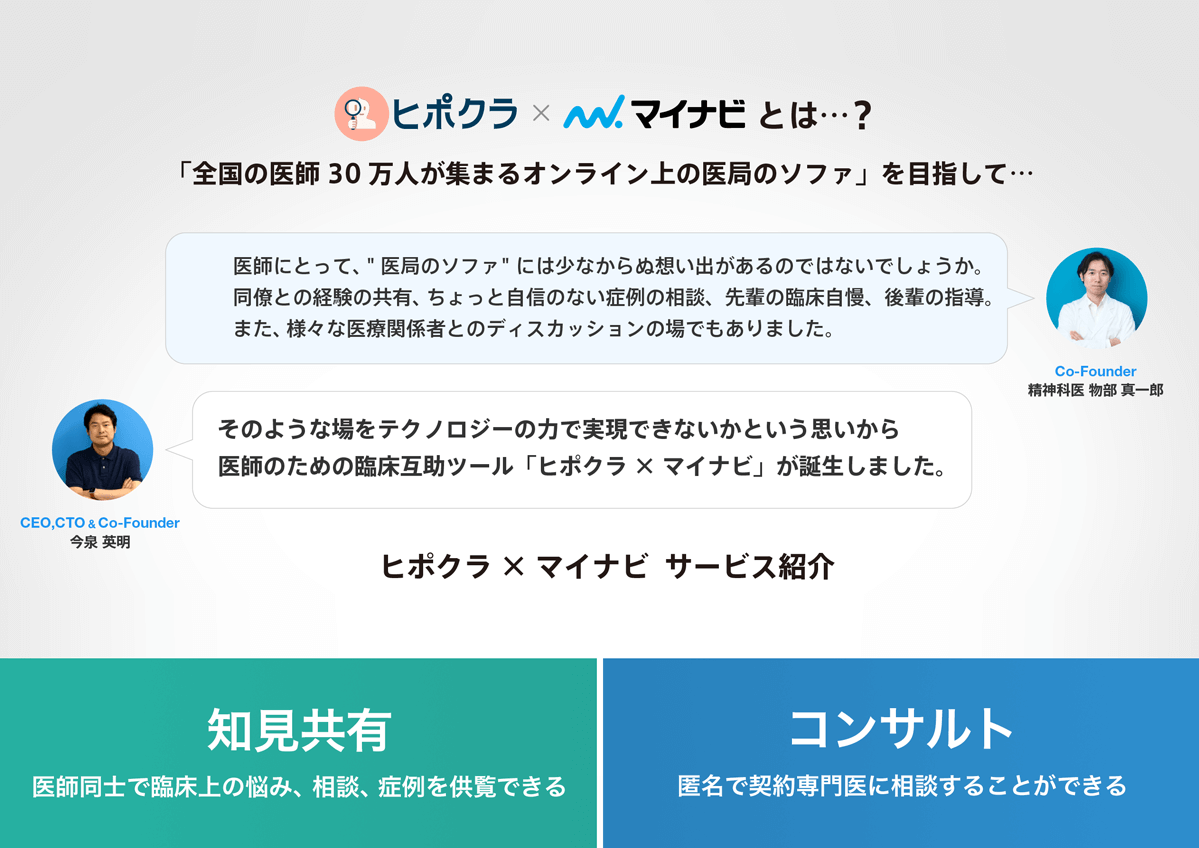
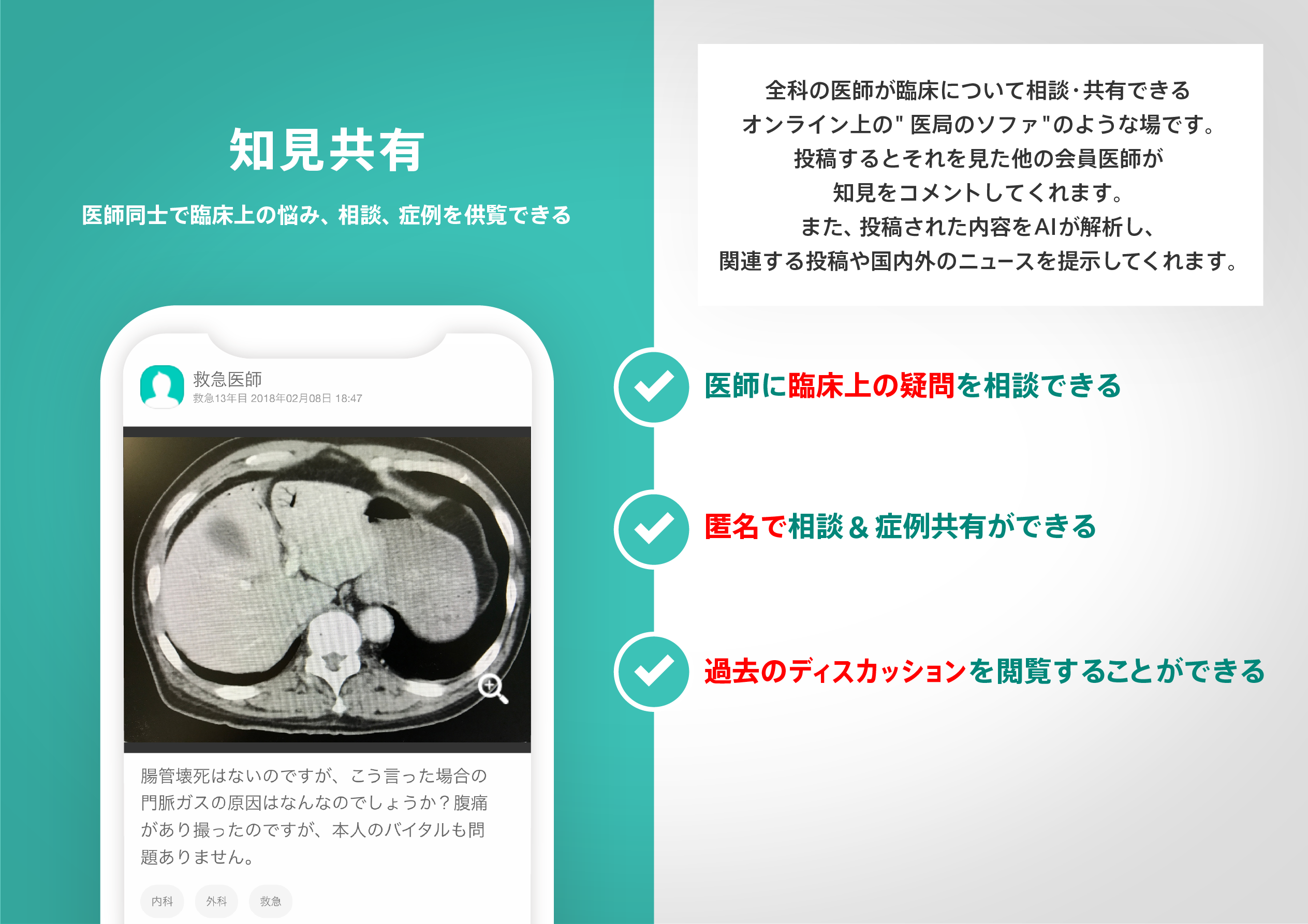
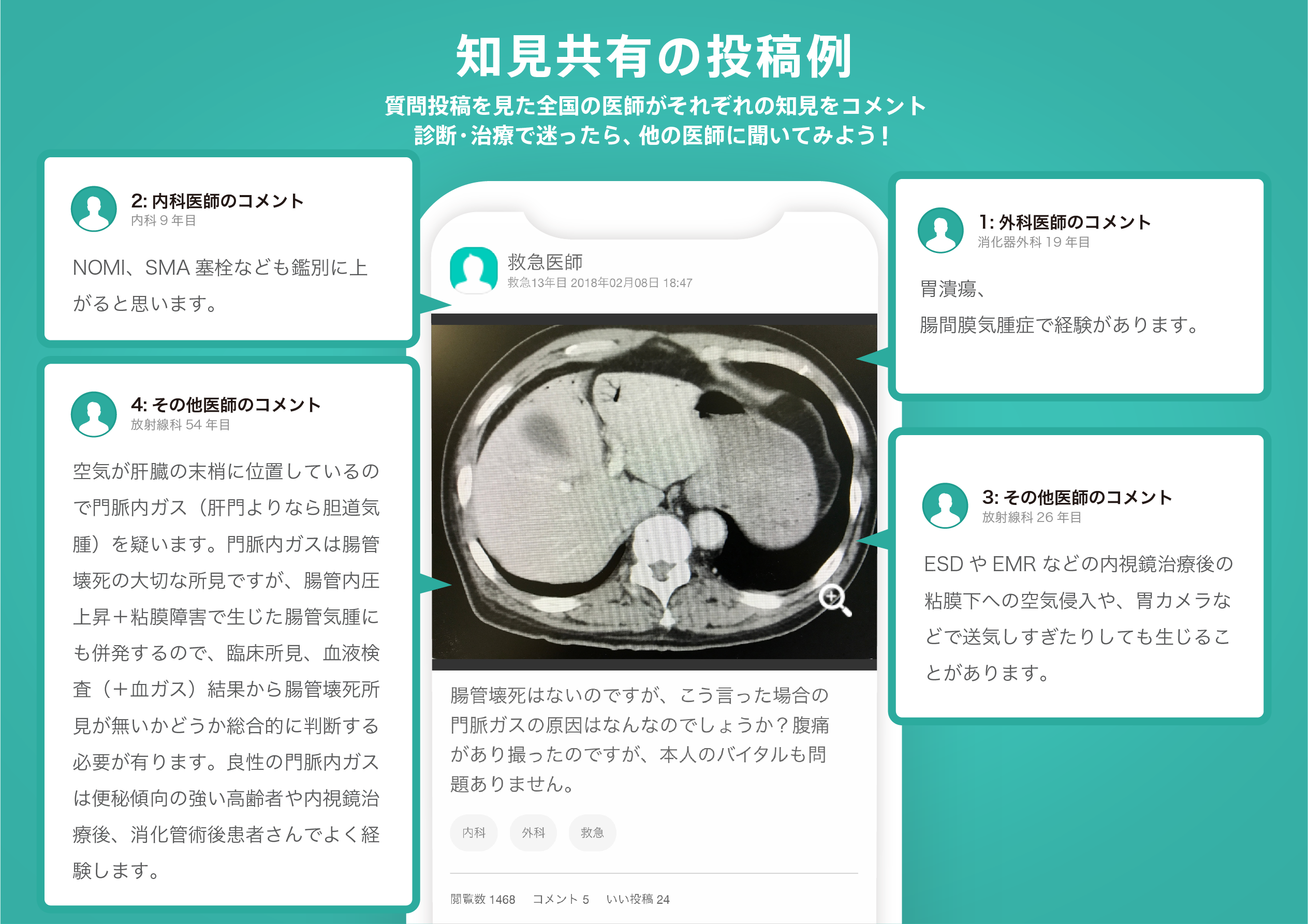
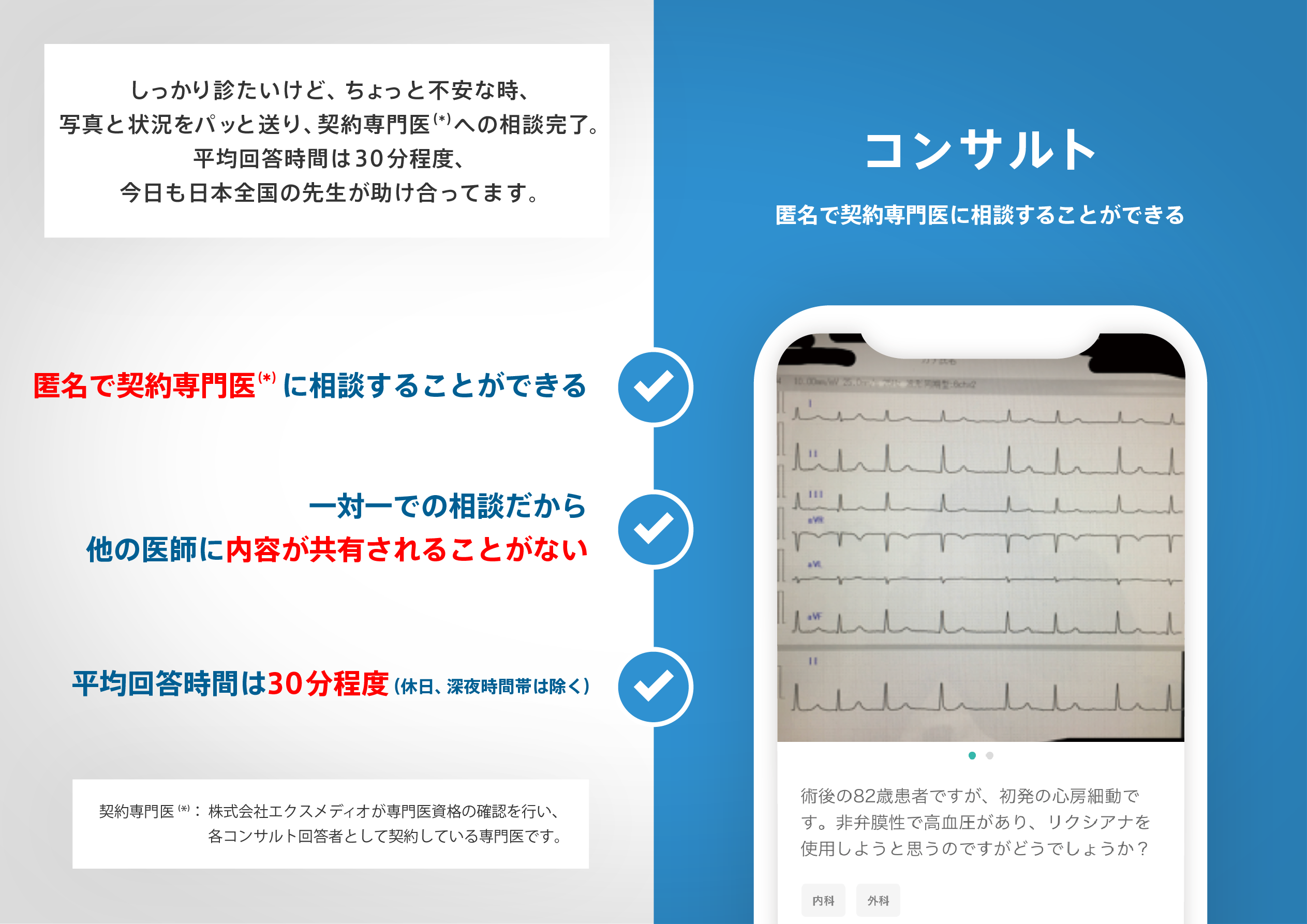
ヒポクラ x マイナビのご紹介

無料会員登録していただくと、さらに便利で効率的な検索が可能になります。