著名医師による解説が無料で読めます
すると翻訳の精度が向上します
Tヘルパータイプ17(TH17)細胞は、いくつかの神経疾患および精神疾患の有害な効果の重要な貢献者として認識されています。したがって、Th17細胞の生産を制御する明確化メカニズムは、広範な障害で新しい介入を開発するための新しい戦略を提供する可能性があります。Th17細胞分化は、グリコーゲンシンターゼキナーゼ-3(GSK3)によって促進されますが、このメカニズムは理解され始めたばかりです。GSK3βおよび複数の選択的薬理学的GSK3阻害剤のT細胞選択的枯渇を使用して、GSK3阻害がC-Cモチーフケモカイン(CCL)20、C-Cモチーフケモカイン受容体(CCR)6、インターロイキン(IL)-9、RUNT関連転写転写物因子(RUNX)1、インターフェロン調節因子(IRF)4およびin vitroでの2日間のTH17細胞分化後のC-MAF mRNA発現。これらの効果は、GSK3阻害がRORγT枯渇細胞のTH17細胞分化を依然として減少させたため、マスターレギュレーター転写因子レチノイン酸受容体関連ORPHAN受容体γT(RORγT)とは無関係であることがわかりました。IL-9はGSK3β-/ - CD4細胞で約9倍下方制御されていたため、TH17細胞分化中のIL-9の再導入により、TH17細胞分化のGSK3欠乏による阻害が廃止されたかどうかをテストしました。IL-9の過剰発現は、GSK3阻害または枯渇によるTh17細胞分化の阻害を逆転させるのに十分であることがわかりました。IL-9は、転写3(STAT3)活性化のシグナルトランスデューサーと活性化因子を介して部分的にTh17細胞分化を促進することがわかりました。全体として、これらの発見は、IL-9がTh17細胞分化のGSK3β依存性増強の重要なメディエーターである可能性を示唆しています。
Tヘルパータイプ17(TH17)細胞は、いくつかの神経疾患および精神疾患の有害な効果の重要な貢献者として認識されています。したがって、Th17細胞の生産を制御する明確化メカニズムは、広範な障害で新しい介入を開発するための新しい戦略を提供する可能性があります。Th17細胞分化は、グリコーゲンシンターゼキナーゼ-3(GSK3)によって促進されますが、このメカニズムは理解され始めたばかりです。GSK3βおよび複数の選択的薬理学的GSK3阻害剤のT細胞選択的枯渇を使用して、GSK3阻害がC-Cモチーフケモカイン(CCL)20、C-Cモチーフケモカイン受容体(CCR)6、インターロイキン(IL)-9、RUNT関連転写転写物因子(RUNX)1、インターフェロン調節因子(IRF)4およびin vitroでの2日間のTH17細胞分化後のC-MAF mRNA発現。これらの効果は、GSK3阻害がRORγT枯渇細胞のTH17細胞分化を依然として減少させたため、マスターレギュレーター転写因子レチノイン酸受容体関連ORPHAN受容体γT(RORγT)とは無関係であることがわかりました。IL-9はGSK3β-/ - CD4細胞で約9倍下方制御されていたため、TH17細胞分化中のIL-9の再導入により、TH17細胞分化のGSK3欠乏による阻害が廃止されたかどうかをテストしました。IL-9の過剰発現は、GSK3阻害または枯渇によるTh17細胞分化の阻害を逆転させるのに十分であることがわかりました。IL-9は、転写3(STAT3)活性化のシグナルトランスデューサーと活性化因子を介して部分的にTh17細胞分化を促進することがわかりました。全体として、これらの発見は、IL-9がTh17細胞分化のGSK3β依存性増強の重要なメディエーターである可能性を示唆しています。
T helper type 17 (Th17) cells are recognized as important contributors to the deleterious effects of several neurological and psychiatric diseases. Clarifying mechanisms that control the production of Th17 cells may therefore provide new strategies for developing novel interventions in a broad spectrum of disorders. Th17 cell differentiation is promoted by glycogen synthase kinase-3 (GSK3), but the mechanisms for this are only beginning to be understood. Using T-cell-selective depletion of GSK3β and multiple selective pharmacological GSK3 inhibitors, we found that GSK3 inhibition decreased C-C motif chemokine (ccl)20, C-C motif chemokine receptor (ccr)6, interleukin (IL)-9, Runt-related transcription factor (Runx)1, interferon regulatory factor (Irf)4 and c-maf mRNA expression after 2 days of Th17 cell differentiation in vitro. These effects were found to be independent of the master regulator transcription factor retinoic acid receptor-related orphan receptor γT (RORγT), as GSK3 inhibition still reduced Th17 cell differentiation in RORγT-depleted cells. Because IL-9 was approximately ninefold down-regulated in GSK3β-/- CD4 cells, we tested if reintroduction of IL-9 during Th17 cell differentiation abolished the inhibition by GSK3 deficiency of Th17 cell differentiation. We found that IL-9 over-expression was sufficient to reverse the inhibition of Th17 cell differentiation by GSK3 inhibition or depletion. We found that IL-9 enhances Th17 cell differentiation in part through signal transducer and activator of transcription 3 (STAT3) activation, and IL-9 also enhances STAT3 binding to the IL-17a promoter. Altogether, these findings suggest that IL-9 might be an important mediator of GSK3β-dependent enhancement of Th17 cell differentiation.
医師のための臨床サポートサービス
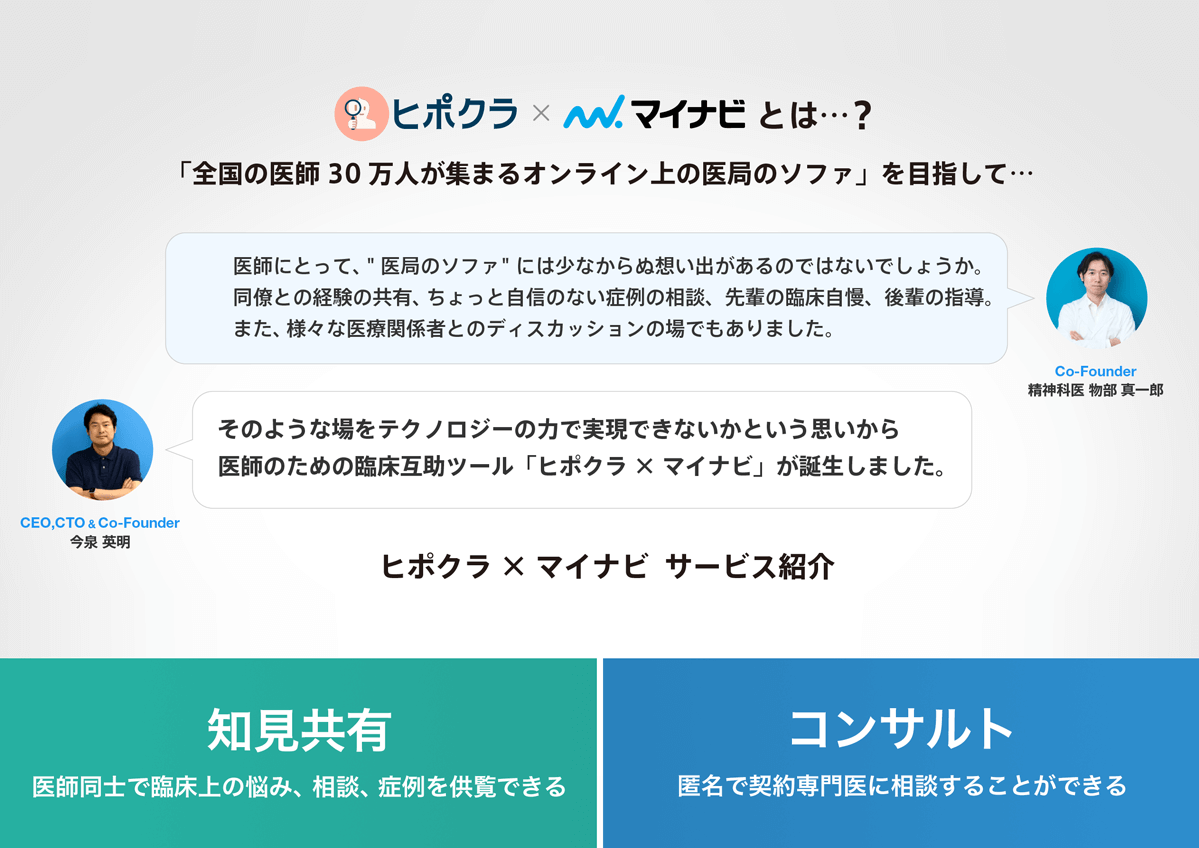
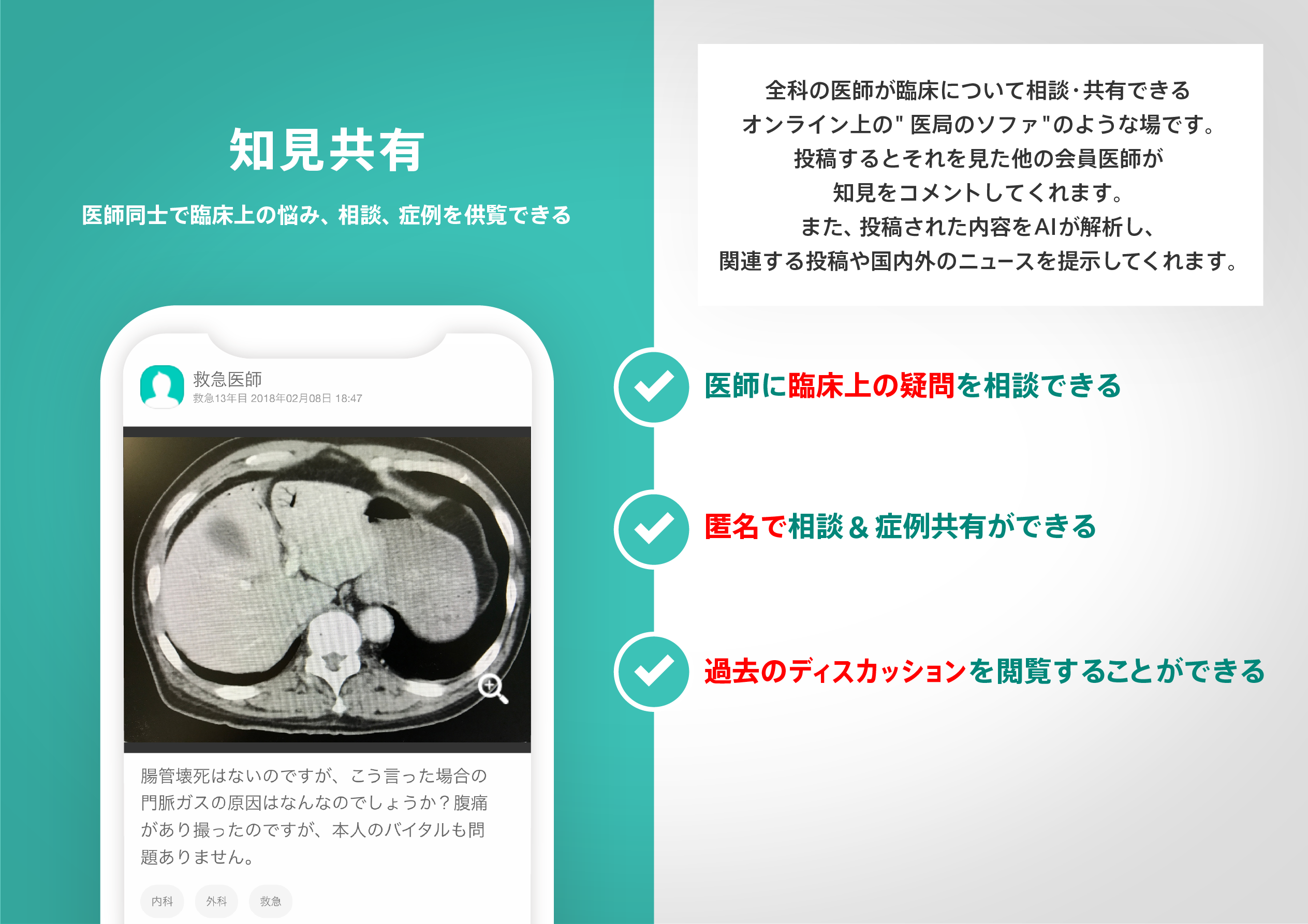
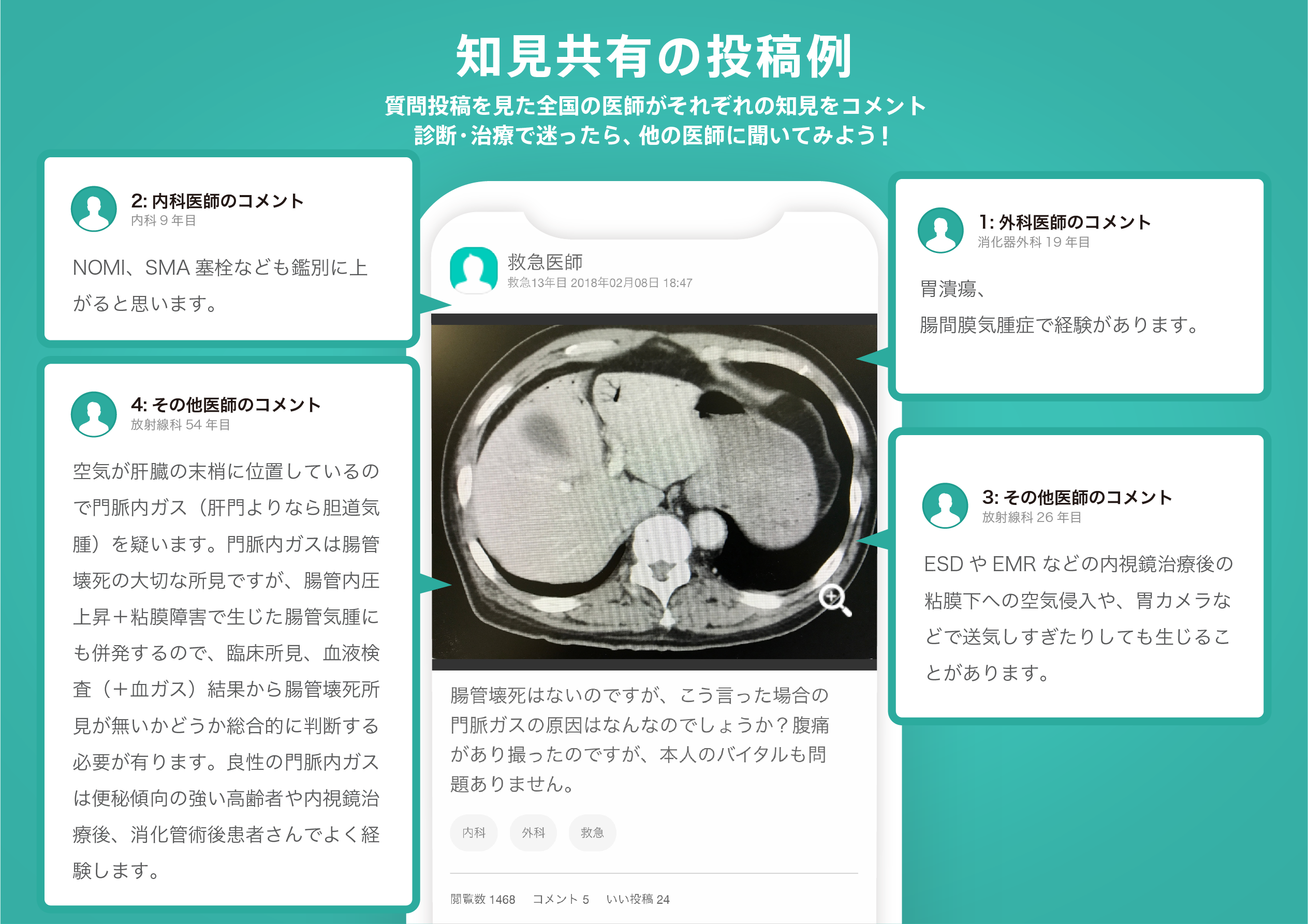
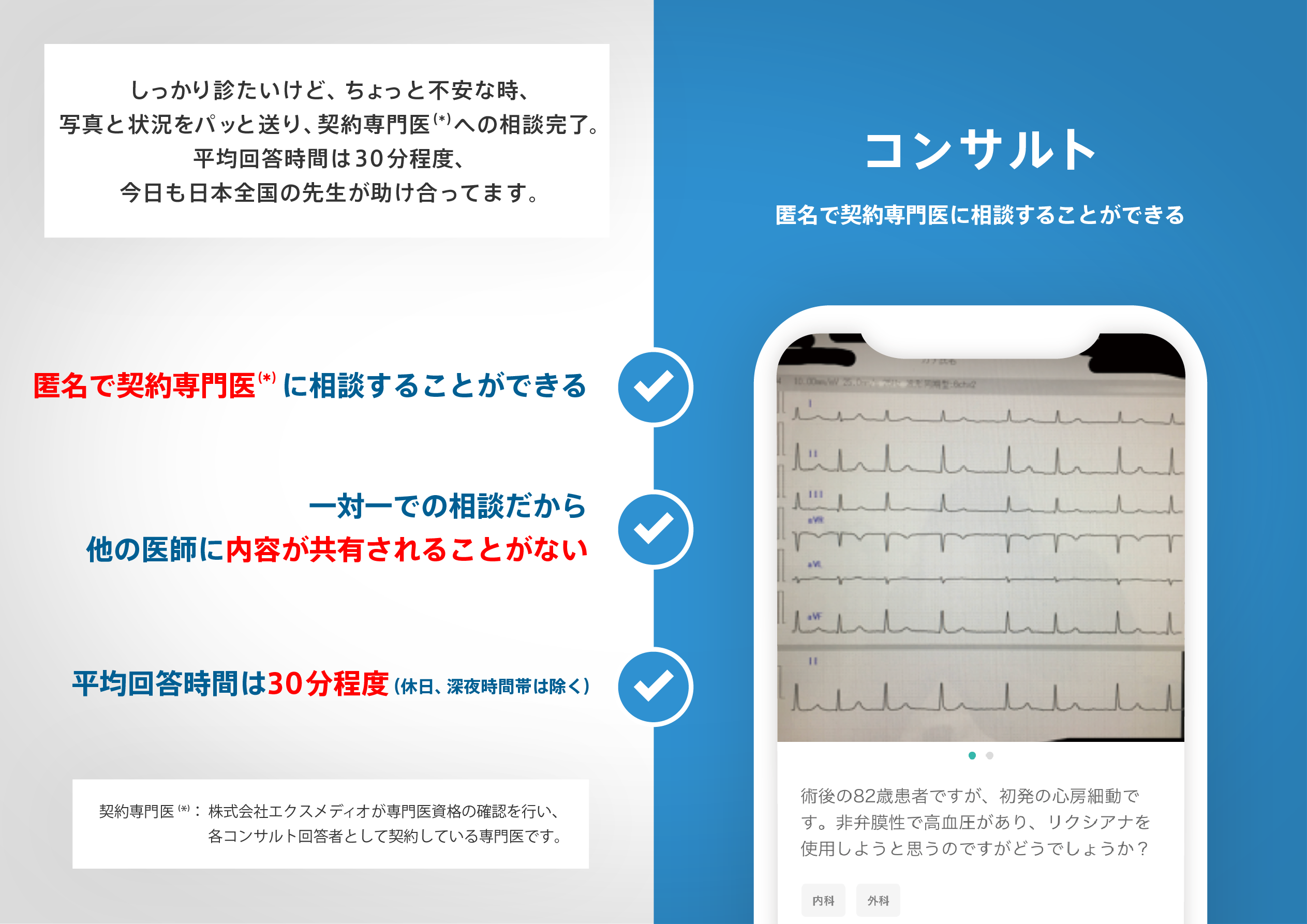
ヒポクラ x マイナビのご紹介

無料会員登録していただくと、さらに便利で効率的な検索が可能になります。