著名医師による解説が無料で読めます
すると翻訳の精度が向上します
はじめに:Covid-19は、過剰な炎症、低酸素症、固定化、およびびまん性血管内凝固のために、静脈および動脈の血栓塞栓症の両方を素因とする可能性があります。ただし、血栓性合併症の発生率に関する報告は利用できません。 方法:症候性急性肺塞栓症(PE)、ディープベイン血栓症、虚血性脳卒中、心筋梗塞または全身性動脈塞栓症のすべてのCOVID-19病院の全身性動脈塞栓症の複合結果の発生率を評価しました。オランダ教育病院。 結果:23人が死亡し、22人が生存された(12%)、139人(76%)が2020年4月5日に退院した(13%)、22人が死亡した184人のICU患者を研究しました。最小標準投与量血栓症。複合結果の累積発生率は31%(95%CI 20-41)であり、そのうちCTPAおよび/または超音波検査により、VTEは27%(95%CI 17-37%)および3.7%(95%の動脈血栓イベントで確認されました。CI 0-8.2%)。PEは、最も頻繁な血栓性合併症でした(n = 25、81%)。年齢(年間調整済みハザード比(AHR)1.05/年、95%CI 1.004-1.01)および凝固障害は、プロトロンビン時間> 3 sまたは活性化された部分トロンボプラスチン時間> 5 s(AHR 4.1、95%CI 1.9-9.1)は、血栓性合併症の独立した予測因子でした。 結論:COVID-19感染症のICU患者における血栓性合併症の31%の発生率は著しく高い。我々の発見は、ICUに入院したすべてのCOVID-19患者に薬理学的血栓症の予防を厳密に適用するという推奨を強化し、無作為化された証拠がない場合でも、高栄養用量への予防を増加させることを強く示唆しています。
はじめに:Covid-19は、過剰な炎症、低酸素症、固定化、およびびまん性血管内凝固のために、静脈および動脈の血栓塞栓症の両方を素因とする可能性があります。ただし、血栓性合併症の発生率に関する報告は利用できません。 方法:症候性急性肺塞栓症(PE)、ディープベイン血栓症、虚血性脳卒中、心筋梗塞または全身性動脈塞栓症のすべてのCOVID-19病院の全身性動脈塞栓症の複合結果の発生率を評価しました。オランダ教育病院。 結果:23人が死亡し、22人が生存された(12%)、139人(76%)が2020年4月5日に退院した(13%)、22人が死亡した184人のICU患者を研究しました。最小標準投与量血栓症。複合結果の累積発生率は31%(95%CI 20-41)であり、そのうちCTPAおよび/または超音波検査により、VTEは27%(95%CI 17-37%)および3.7%(95%の動脈血栓イベントで確認されました。CI 0-8.2%)。PEは、最も頻繁な血栓性合併症でした(n = 25、81%)。年齢(年間調整済みハザード比(AHR)1.05/年、95%CI 1.004-1.01)および凝固障害は、プロトロンビン時間> 3 sまたは活性化された部分トロンボプラスチン時間> 5 s(AHR 4.1、95%CI 1.9-9.1)は、血栓性合併症の独立した予測因子でした。 結論:COVID-19感染症のICU患者における血栓性合併症の31%の発生率は著しく高い。我々の発見は、ICUに入院したすべてのCOVID-19患者に薬理学的血栓症の予防を厳密に適用するという推奨を強化し、無作為化された証拠がない場合でも、高栄養用量への予防を増加させることを強く示唆しています。
INTRODUCTION: COVID-19 may predispose to both venous and arterial thromboembolism due to excessive inflammation, hypoxia, immobilisation and diffuse intravascular coagulation. Reports on the incidence of thrombotic complications are however not available. METHODS: We evaluated the incidence of the composite outcome of symptomatic acute pulmonary embolism (PE), deep-vein thrombosis, ischemic stroke, myocardial infarction or systemic arterial embolism in all COVID-19 patients admitted to the ICU of 2 Dutch university hospitals and 1 Dutch teaching hospital. RESULTS: We studied 184 ICU patients with proven COVID-19 pneumonia of whom 23 died (13%), 22 were discharged alive (12%) and 139 (76%) were still on the ICU on April 5th 2020. All patients received at least standard doses thromboprophylaxis. The cumulative incidence of the composite outcome was 31% (95%CI 20-41), of which CTPA and/or ultrasonography confirmed VTE in 27% (95%CI 17-37%) and arterial thrombotic events in 3.7% (95%CI 0-8.2%). PE was the most frequent thrombotic complication (n = 25, 81%). Age (adjusted hazard ratio (aHR) 1.05/per year, 95%CI 1.004-1.01) and coagulopathy, defined as spontaneous prolongation of the prothrombin time > 3 s or activated partial thromboplastin time > 5 s (aHR 4.1, 95%CI 1.9-9.1), were independent predictors of thrombotic complications. CONCLUSION: The 31% incidence of thrombotic complications in ICU patients with COVID-19 infections is remarkably high. Our findings reinforce the recommendation to strictly apply pharmacological thrombosis prophylaxis in all COVID-19 patients admitted to the ICU, and are strongly suggestive of increasing the prophylaxis towards high-prophylactic doses, even in the absence of randomized evidence.
医師のための臨床サポートサービス
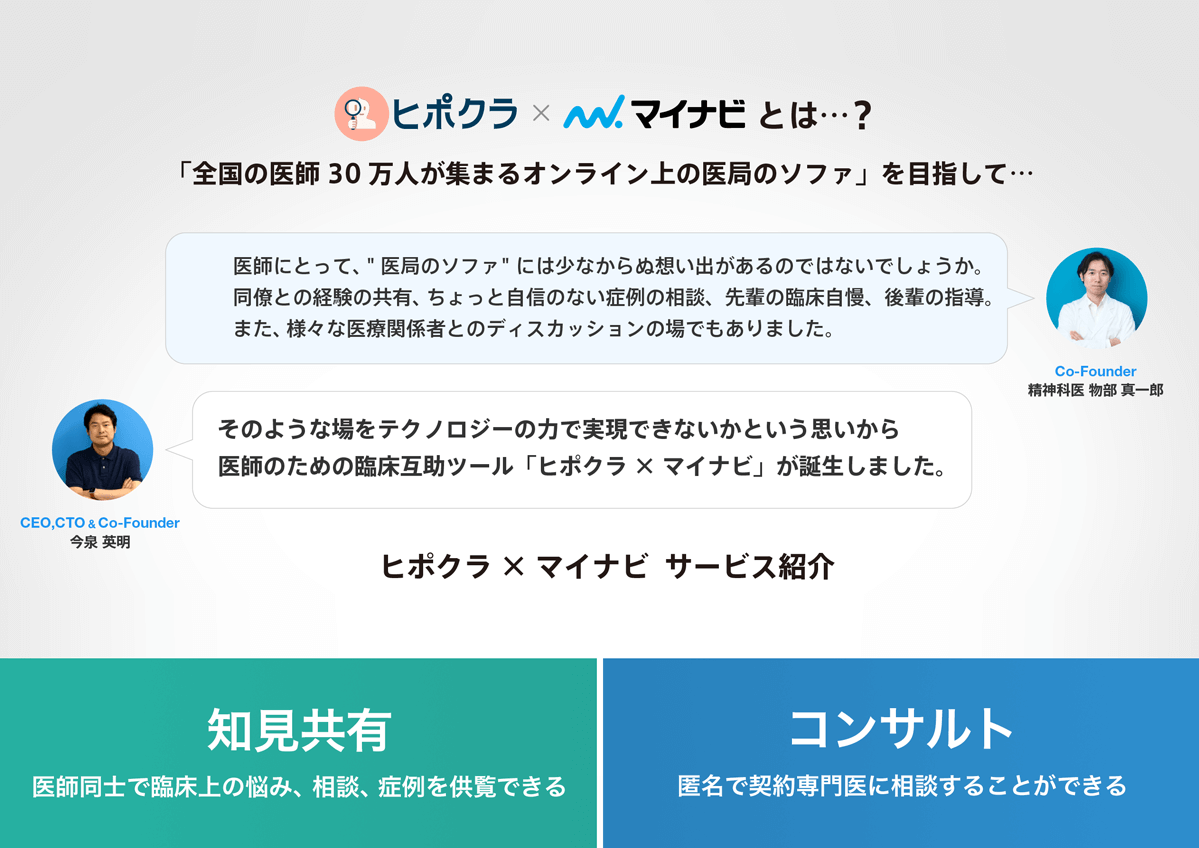
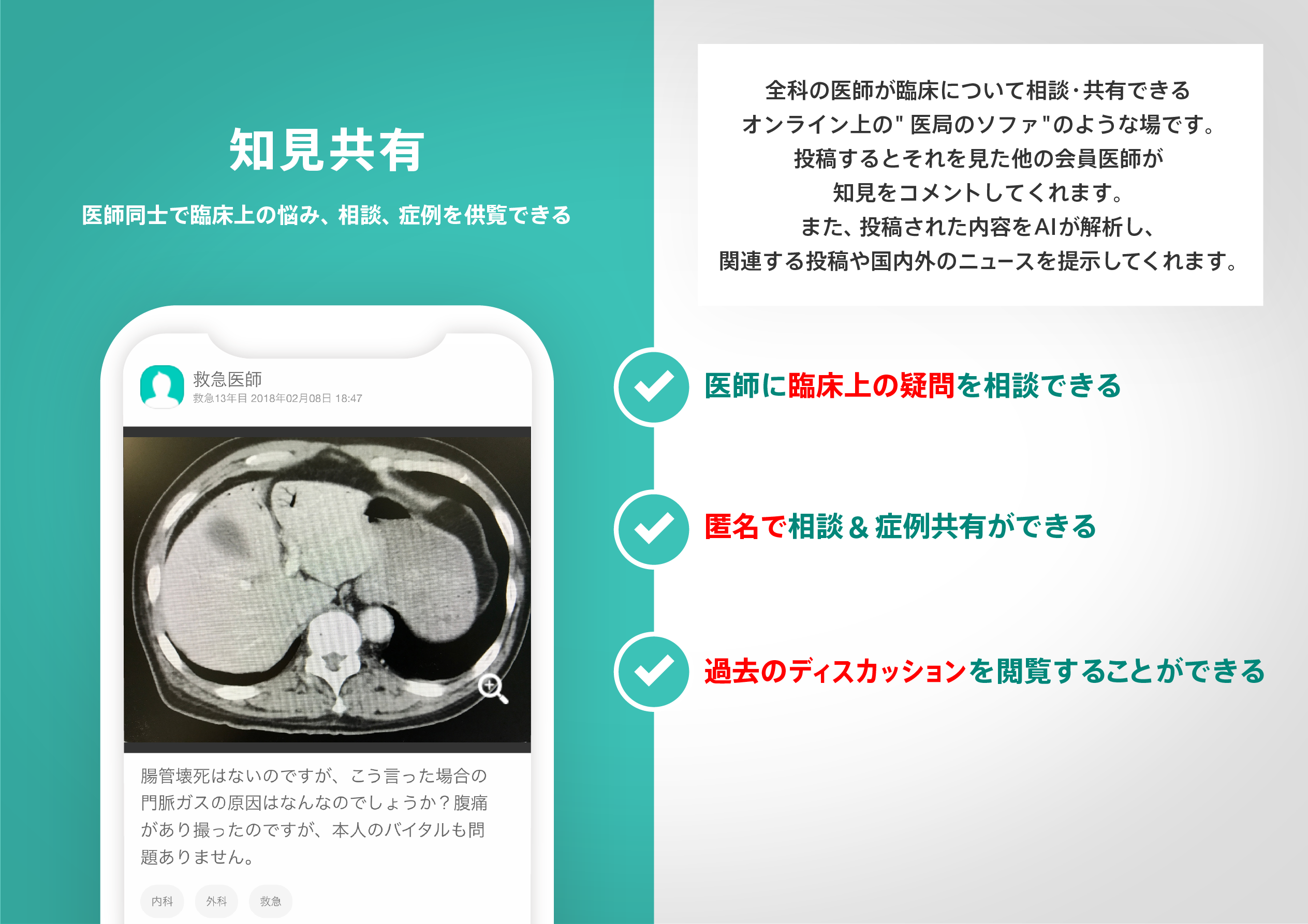
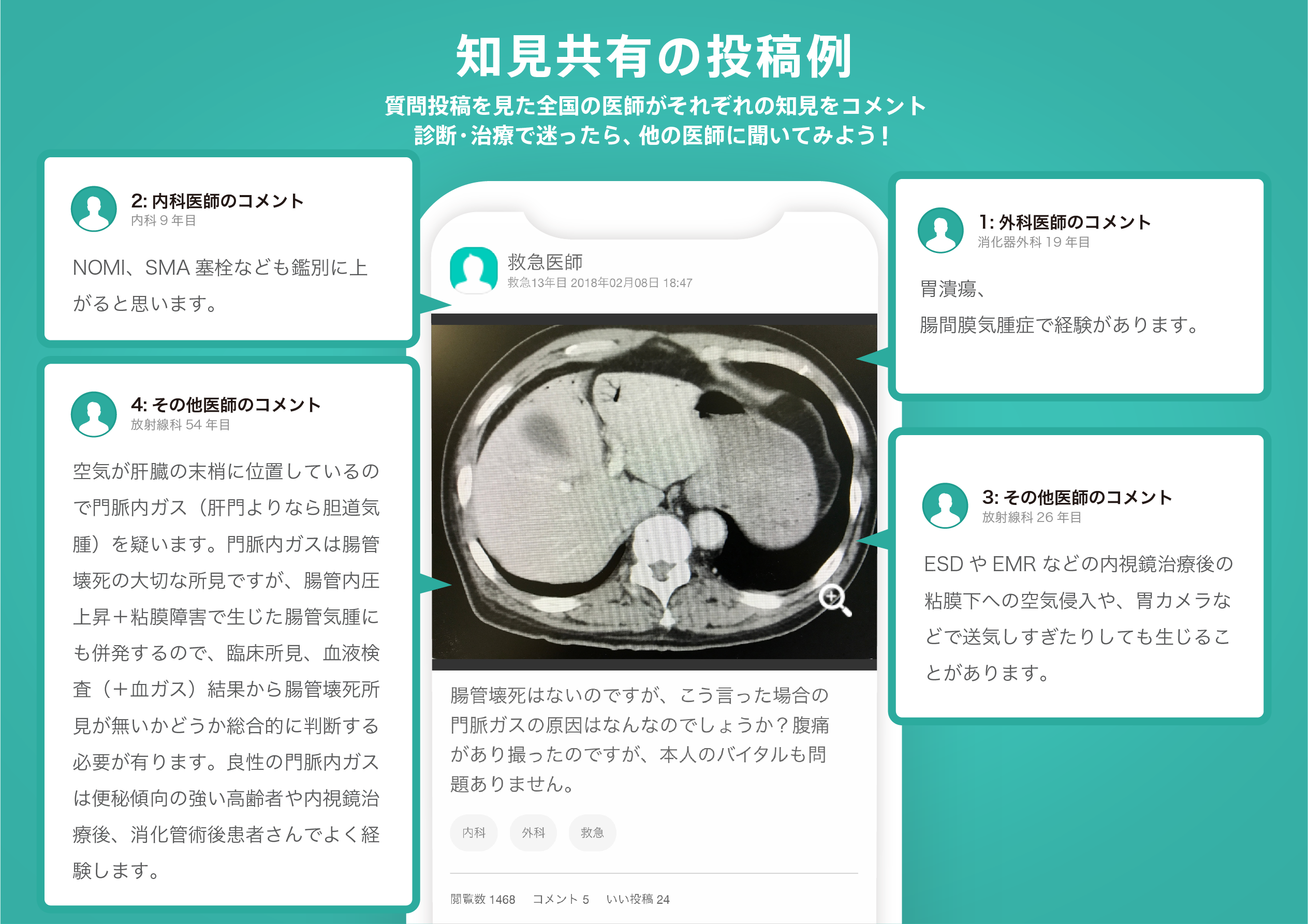
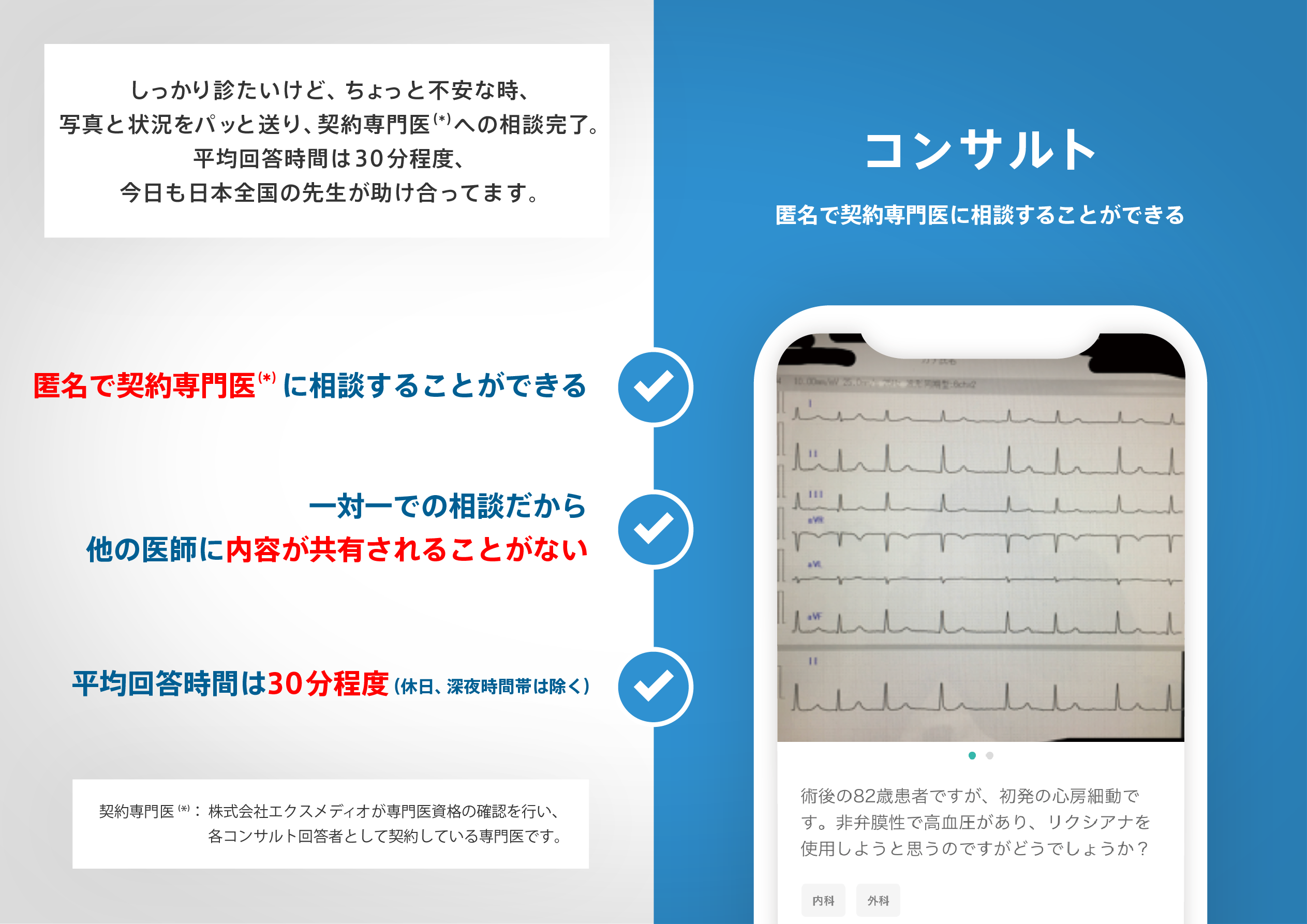
ヒポクラ x マイナビのご紹介

無料会員登録していただくと、さらに便利で効率的な検索が可能になります。