著名医師による解説が無料で読めます
すると翻訳の精度が向上します
動的同意(DC)は、モデルであり、特定のWebベースのツールであり、時間の経過に伴う参加者同意の選択の明確で詳細なコミュニケーションと記録を可能にします。DCモデルにより、個人は個人の研究情報がどのように使用されているかを知り、決定することができ、プライバシーとデータ保護法で提供される法的権利を行使する方法を提供します。DCツールは柔軟で対応し、研究データ共有における法的および倫理的要件を満たし、オンラインの健康情報を維持できるようにします。DCは、まれな疾患やゲノミクスで使用されており、人々が自分のデータに関する好みを制御し、表現できるようにしています。しかし、DCは、生物科学的および遺伝的遺産の歴史的コレクションや、アボリジニとトーレス海峡島民(オーストラリアのファーストピープルズ)を含む文脈との関係で調査されたことはありません。遺伝的およびゲノム研究におけるオーストラリア全土のファーストピープルによる関心の高まり、およびコミュニティの健康と福祉プロジェクトに参加するための研究者からの招待の増加に応じて、この記事では、これらの文脈におけるDCの法的および倫理的属性と課題を検証します。また、ベストプラクティスの研究とデータ分析と意味のある縦断的な個人および家族の参加を尊重する文化的用語でDCを定義(または再定義する)方法として、ファーストピープルズの文化的視点、ガバナンス、リーダーシップを含める機会を探ります。
動的同意(DC)は、モデルであり、特定のWebベースのツールであり、時間の経過に伴う参加者同意の選択の明確で詳細なコミュニケーションと記録を可能にします。DCモデルにより、個人は個人の研究情報がどのように使用されているかを知り、決定することができ、プライバシーとデータ保護法で提供される法的権利を行使する方法を提供します。DCツールは柔軟で対応し、研究データ共有における法的および倫理的要件を満たし、オンラインの健康情報を維持できるようにします。DCは、まれな疾患やゲノミクスで使用されており、人々が自分のデータに関する好みを制御し、表現できるようにしています。しかし、DCは、生物科学的および遺伝的遺産の歴史的コレクションや、アボリジニとトーレス海峡島民(オーストラリアのファーストピープルズ)を含む文脈との関係で調査されたことはありません。遺伝的およびゲノム研究におけるオーストラリア全土のファーストピープルによる関心の高まり、およびコミュニティの健康と福祉プロジェクトに参加するための研究者からの招待の増加に応じて、この記事では、これらの文脈におけるDCの法的および倫理的属性と課題を検証します。また、ベストプラクティスの研究とデータ分析と意味のある縦断的な個人および家族の参加を尊重する文化的用語でDCを定義(または再定義する)方法として、ファーストピープルズの文化的視点、ガバナンス、リーダーシップを含める機会を探ります。
Dynamic Consent (DC) is both a model and a specific web-based tool that enables clear, granular communication and recording of participant consent choices over time. The DC model enables individuals to know and to decide how personal research information is being used and provides a way in which to exercise legal rights provided in privacy and data protection law. The DC tool is flexible and responsive, enabling legal and ethical requirements in research data sharing to be met and for online health information to be maintained. DC has been used in rare diseases and genomics, to enable people to control and express their preferences regarding their own data. However, DC has never been explored in relationship to historical collections of bioscientific and genetic heritage or to contexts involving Aboriginal and Torres Strait Islander people (First Peoples of Australia). In response to the growing interest by First Peoples throughout Australia in genetic and genomic research, and the increasing number of invitations from researchers to participate in community health and wellbeing projects, this article examines the legal and ethical attributes and challenges of DC in these contexts. It also explores opportunities for including First Peoples' cultural perspectives, governance, and leadership as a method for defining (or redefining) DC on cultural terms that engage best practice research and data analysis as well as respect for meaningful and longitudinal individual and family participation.
医師のための臨床サポートサービス
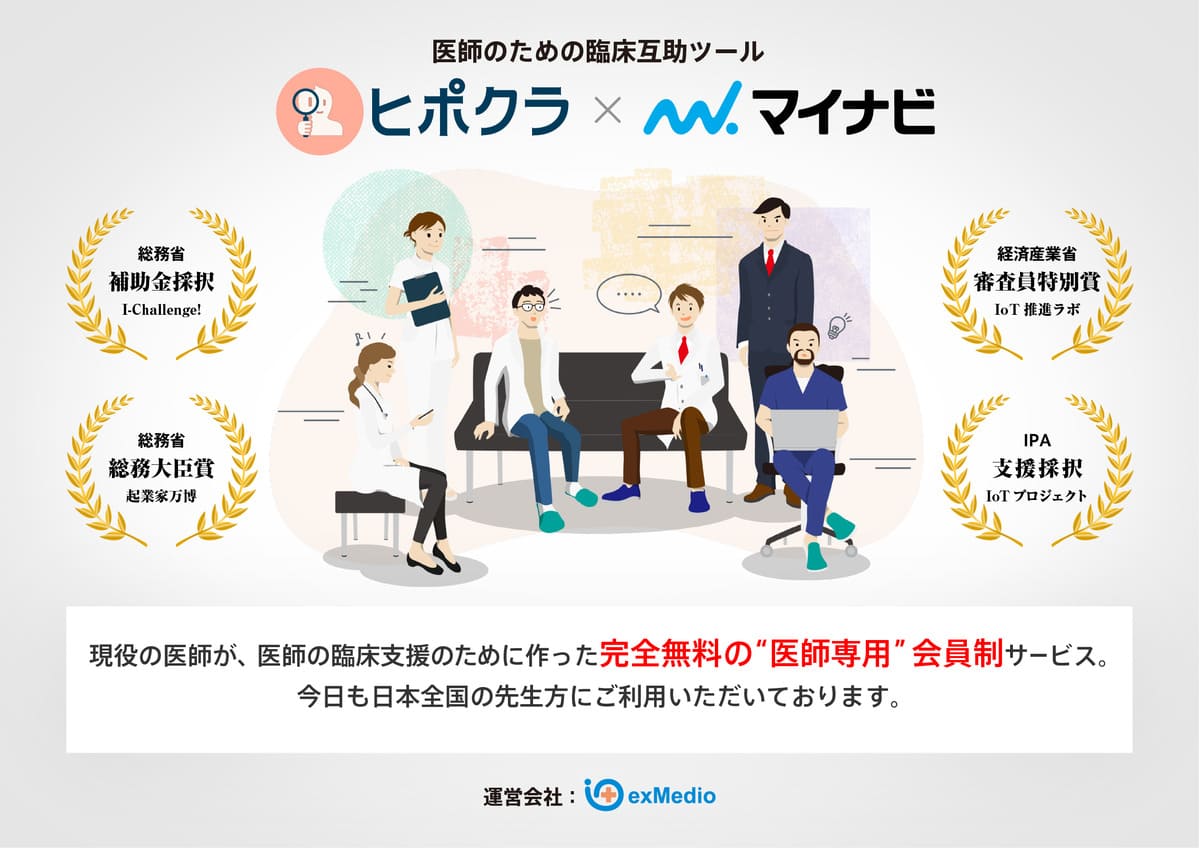
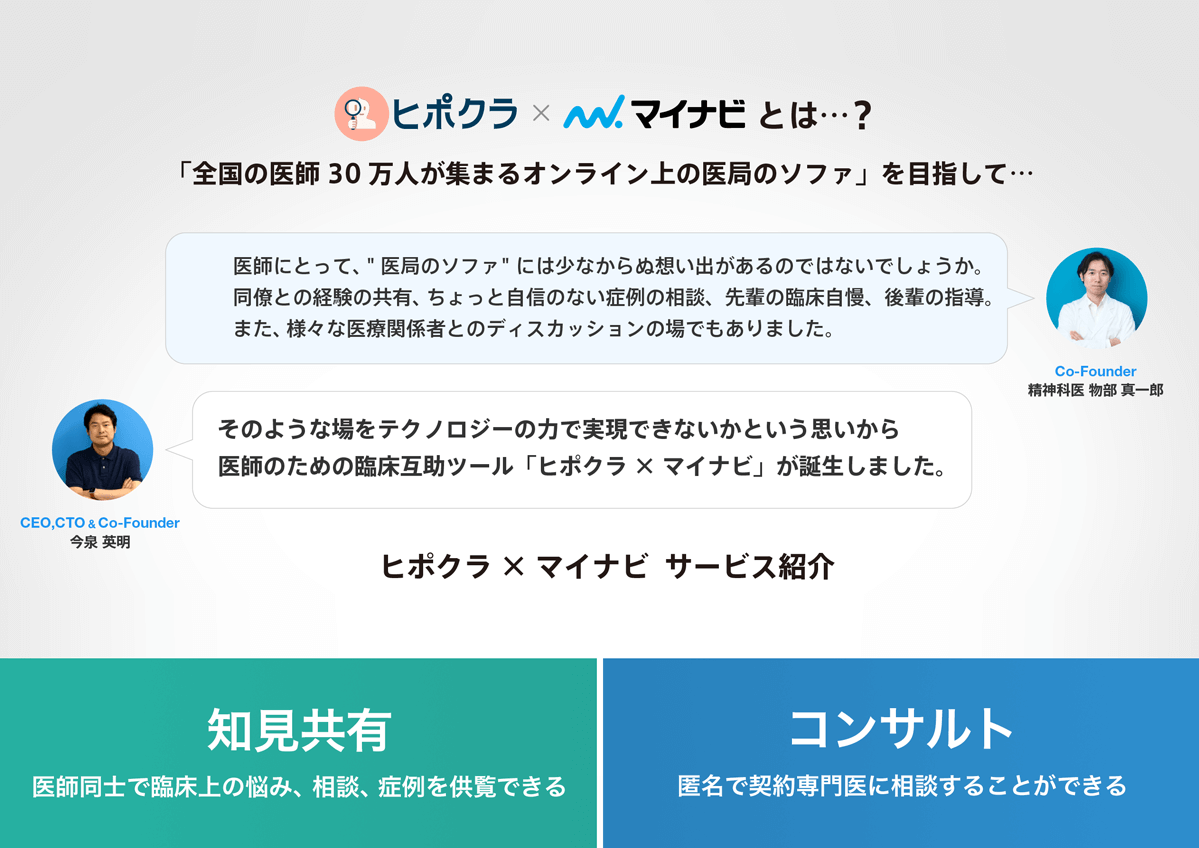
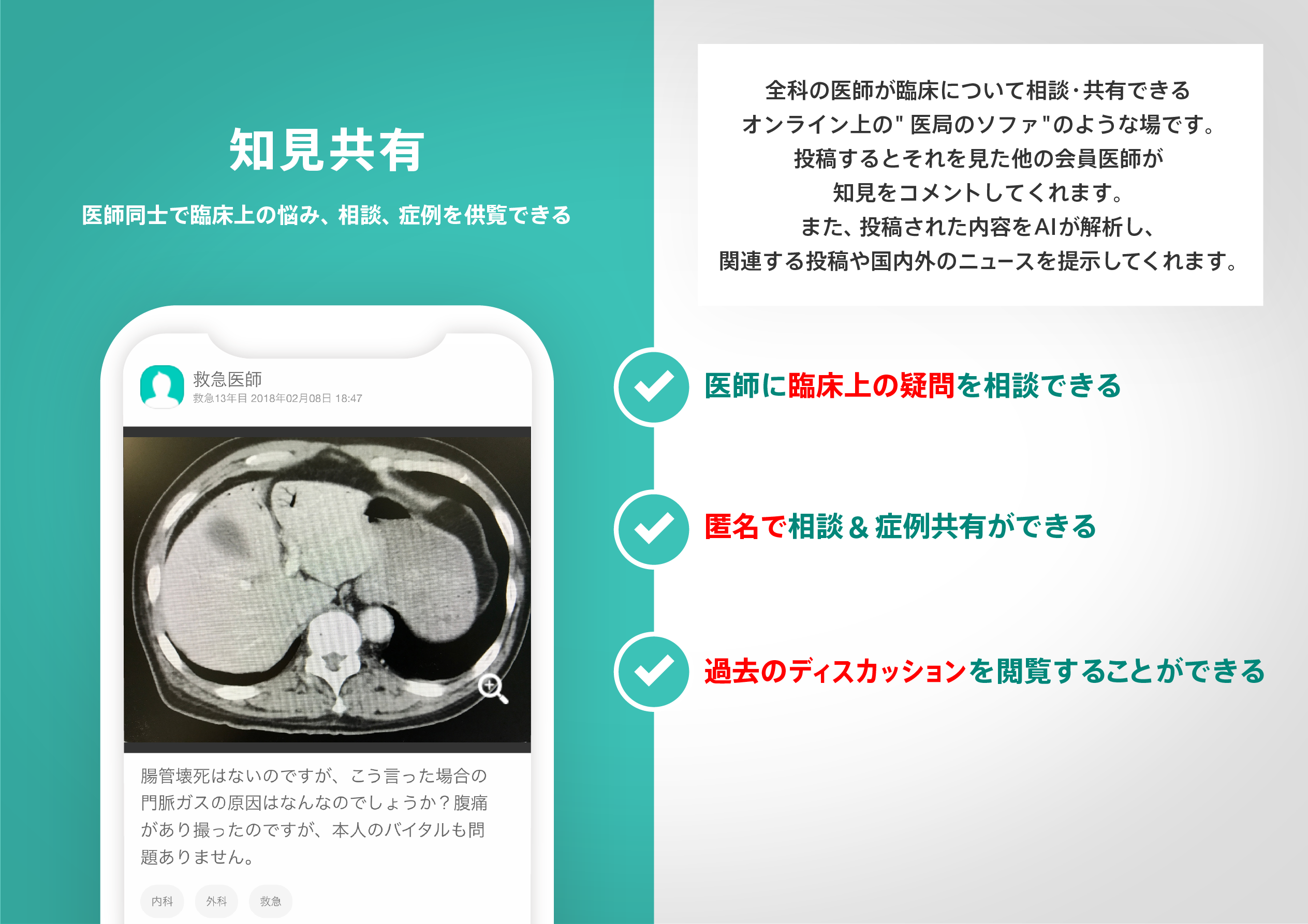
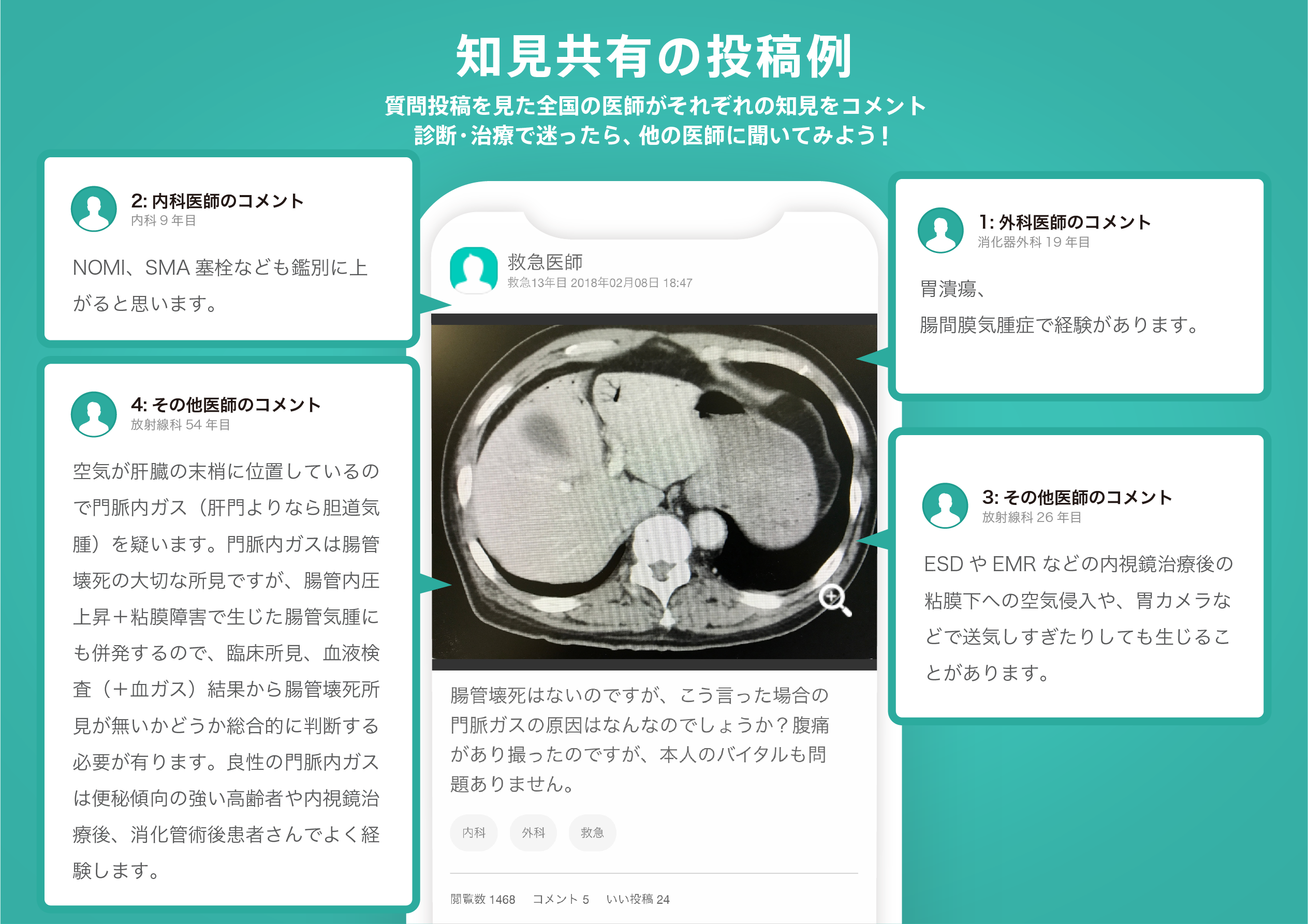
ヒポクラ x マイナビのご紹介
無料会員登録していただくと、さらに便利で効率的な検索が可能になります。