著名医師による解説が無料で読めます
すると翻訳の精度が向上します
目的:口唇裂および/または口蓋(CL/P)で生まれた子供の心理社会的調整を決定する。 設計:心理社会的転帰の縦断的分析と公開された規範との断面比較。 設定:英国裂け目センターでの遡及的臨床監査。 参加者:5歳(n = 658)、10(n = 415)、および15(n = 171)でCL/Pで生まれた1174人の参加者が利用可能なデータ、サンプルのサブセットの縦断的データ(n = 168)および10および15(n = 49)。 主な結果尺度:親のレポートの強みと困難アンケート(SDQ)。 結果:子供の大部分は、全体的な調整のために平均範囲で得点しました。CL/Pで生まれた子供は、5歳と10歳の規範データに比べて平均SDQスコアが有意に高くなりました。縦断分析は、5歳の調整が10歳での調整の重要な予測因子であることを強調しました。ただし、年齢と性別の影響の効果サイズは小さかった。裂け目の種類は、どの年齢でもSDQスコアの重要な予測因子ではありませんでした。 結論:裂け目で生まれた5歳と10歳の子供は、一般人口よりも全体的な心理社会的困難を経験する可能性があります。子どもたちが困難を経験するSDQのドメインは、年齢と性別の影響を受ける可能性があります。将来の研究では、心理社会的調整における、言語、言語、聴覚障害など、裂け目関連の問題の特定の影響に焦点を当てる必要があります。
目的:口唇裂および/または口蓋(CL/P)で生まれた子供の心理社会的調整を決定する。 設計:心理社会的転帰の縦断的分析と公開された規範との断面比較。 設定:英国裂け目センターでの遡及的臨床監査。 参加者:5歳(n = 658)、10(n = 415)、および15(n = 171)でCL/Pで生まれた1174人の参加者が利用可能なデータ、サンプルのサブセットの縦断的データ(n = 168)および10および15(n = 49)。 主な結果尺度:親のレポートの強みと困難アンケート(SDQ)。 結果:子供の大部分は、全体的な調整のために平均範囲で得点しました。CL/Pで生まれた子供は、5歳と10歳の規範データに比べて平均SDQスコアが有意に高くなりました。縦断分析は、5歳の調整が10歳での調整の重要な予測因子であることを強調しました。ただし、年齢と性別の影響の効果サイズは小さかった。裂け目の種類は、どの年齢でもSDQスコアの重要な予測因子ではありませんでした。 結論:裂け目で生まれた5歳と10歳の子供は、一般人口よりも全体的な心理社会的困難を経験する可能性があります。子どもたちが困難を経験するSDQのドメインは、年齢と性別の影響を受ける可能性があります。将来の研究では、心理社会的調整における、言語、言語、聴覚障害など、裂け目関連の問題の特定の影響に焦点を当てる必要があります。
OBJECTIVE: To determine the psychosocial adjustment of children born with a cleft lip and/or palate (CL/P). DESIGN: Longitudinal analyses of psychosocial outcomes and cross-sectional comparison with published norms. SETTING: Retrospective clinical audit at a UK cleft center. PARTICIPANTS: Data available for 1174 participants born with a CL/P at ages 5 (n = 658), 10 (n = 415), and 15 (n = 171), with longitudinal data for a subset of the sample at 5 and 10 (n = 168) and 10 and 15 (n = 49). MAIN OUTCOME MEASURE: Parental-report Strengths and Difficulties Questionnaire (SDQ). RESULTS: The majority of children scored in the average range for overall adjustment. Children born with CL/P had significantly higher mean overall SDQ scores relative to normative data at ages 5 and 10. Longitudinal analysis highlighted that adjustment at age 5 was a significant predictor of adjustment at age 10. Gender was another significant predictor of adjustment at age 5 and 10, with boys reporting more problems than girls. However, effect sizes for the impact of age and gender were small. Cleft type was not a significant predictor of SDQ score at any age. CONCLUSIONS: Children aged 5 and 10 years of age born with a cleft may experience greater overall psychosocial difficulties than the general population. The domains on the SDQ on which children experience difficulty may be influenced by age and gender. Future research should focus on the specific impact of cleft-related issues, including speech, language, and hearing difficulties, on psychosocial adjustment.
医師のための臨床サポートサービス
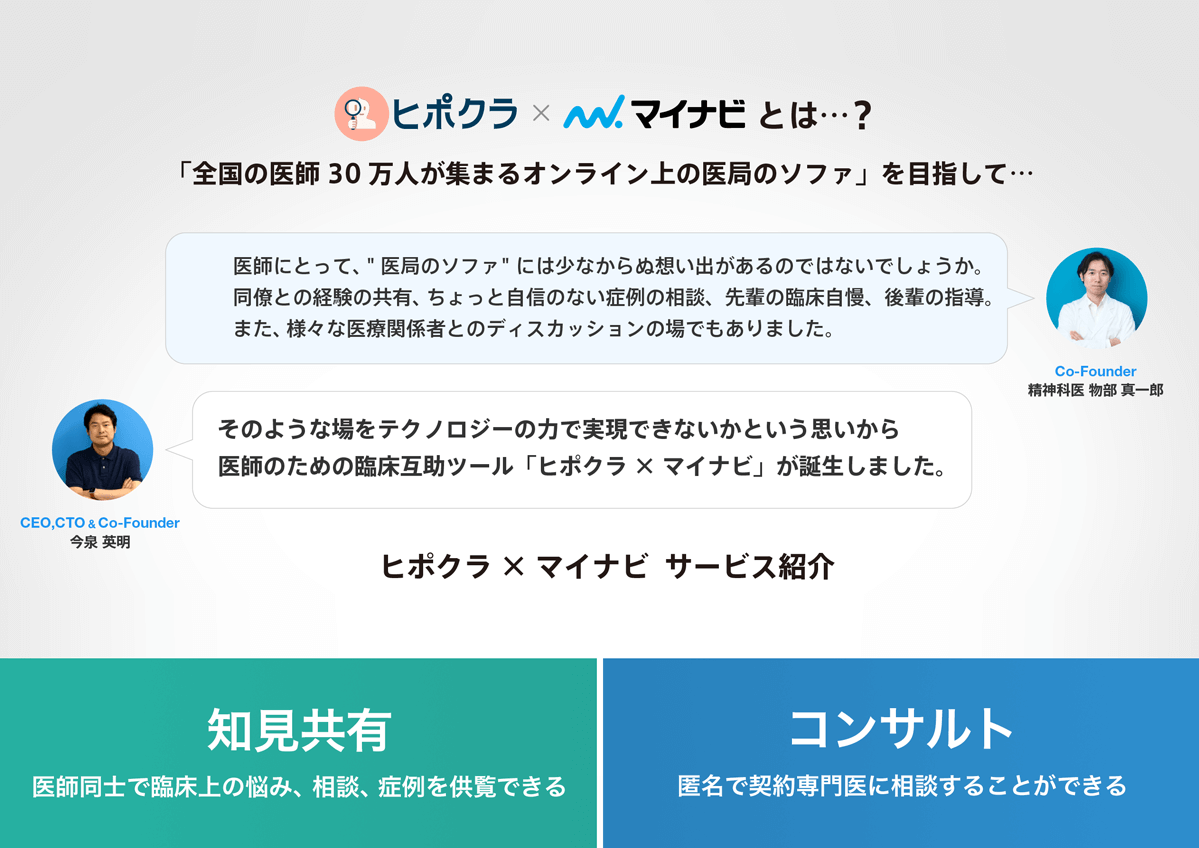
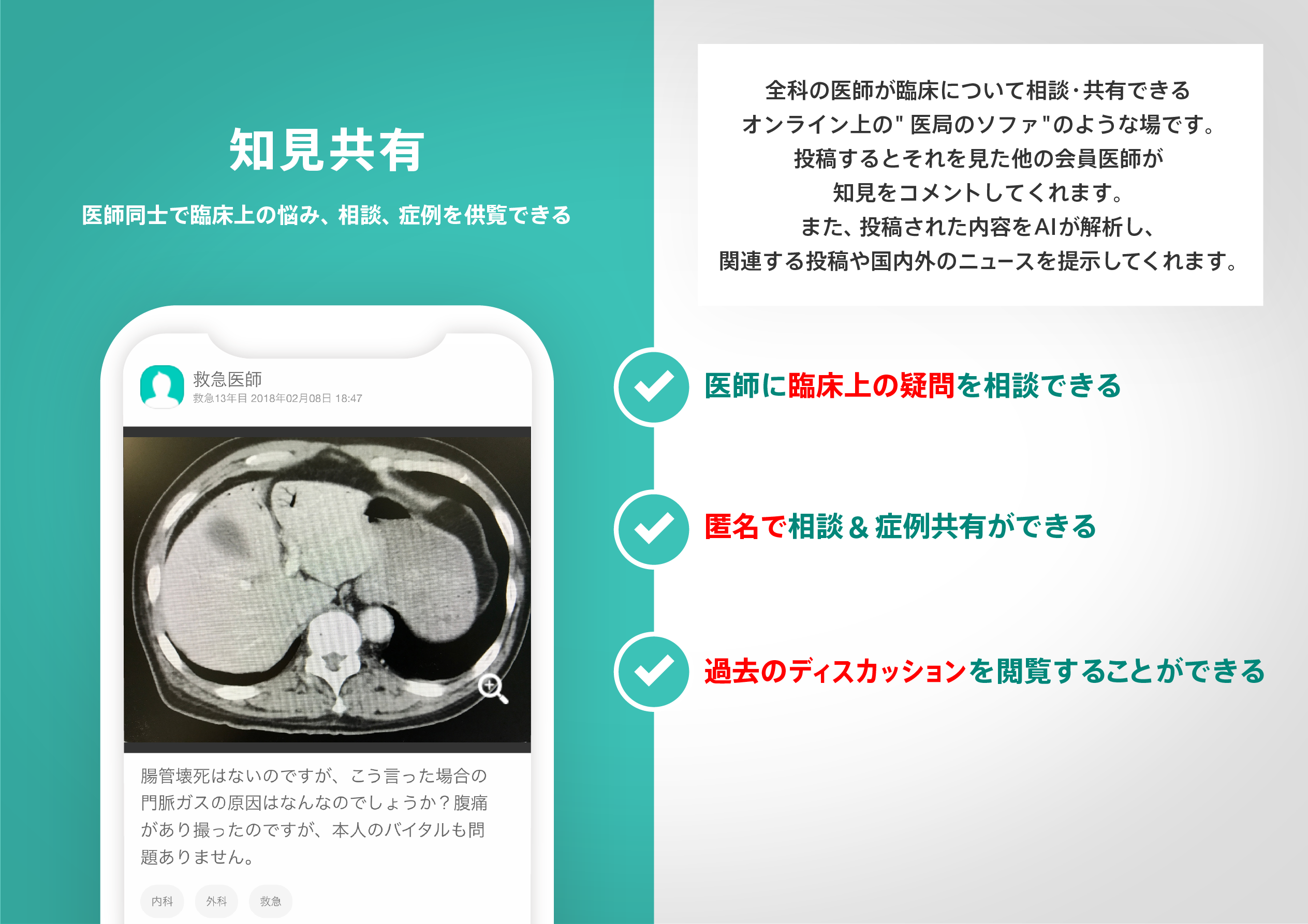
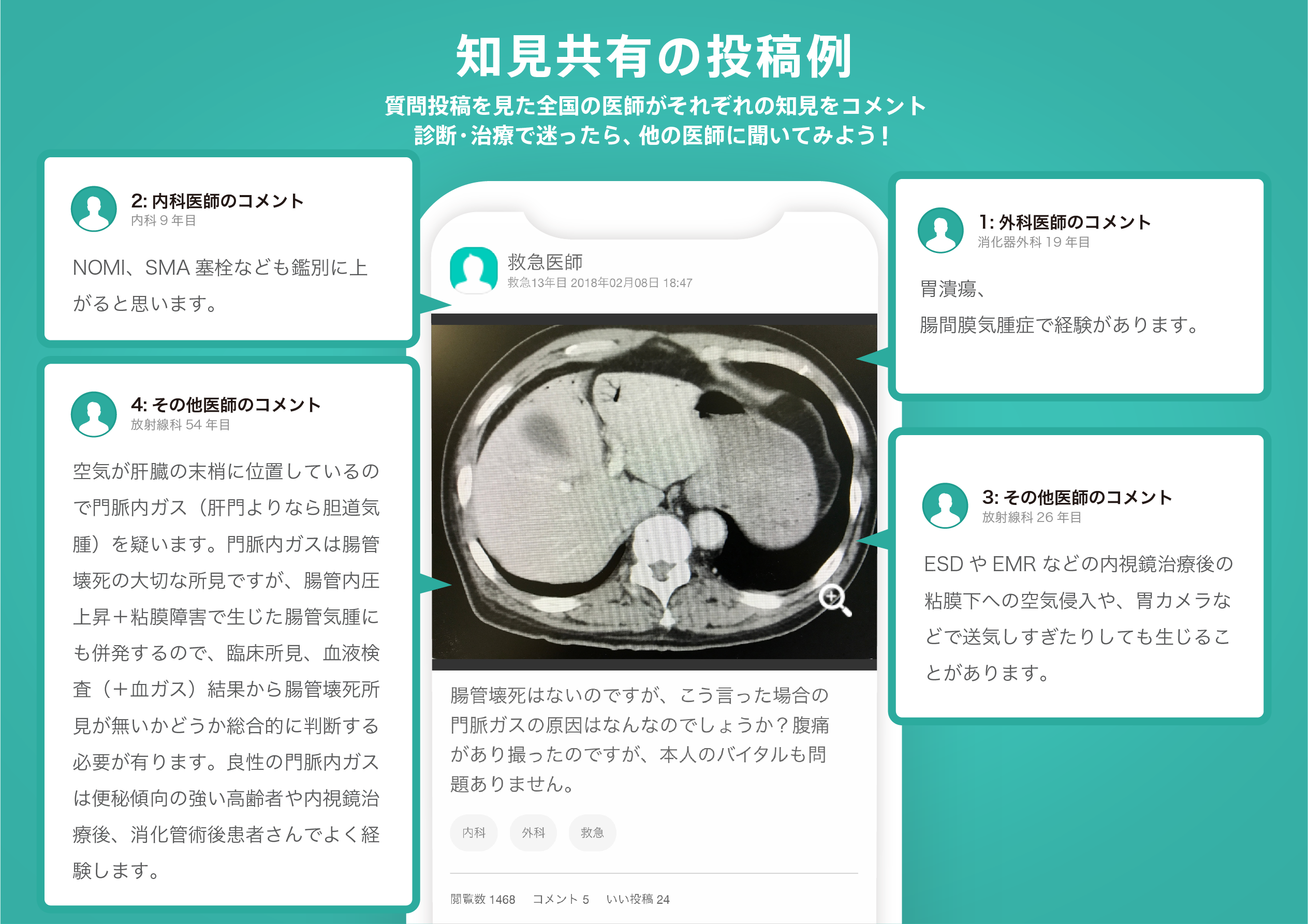
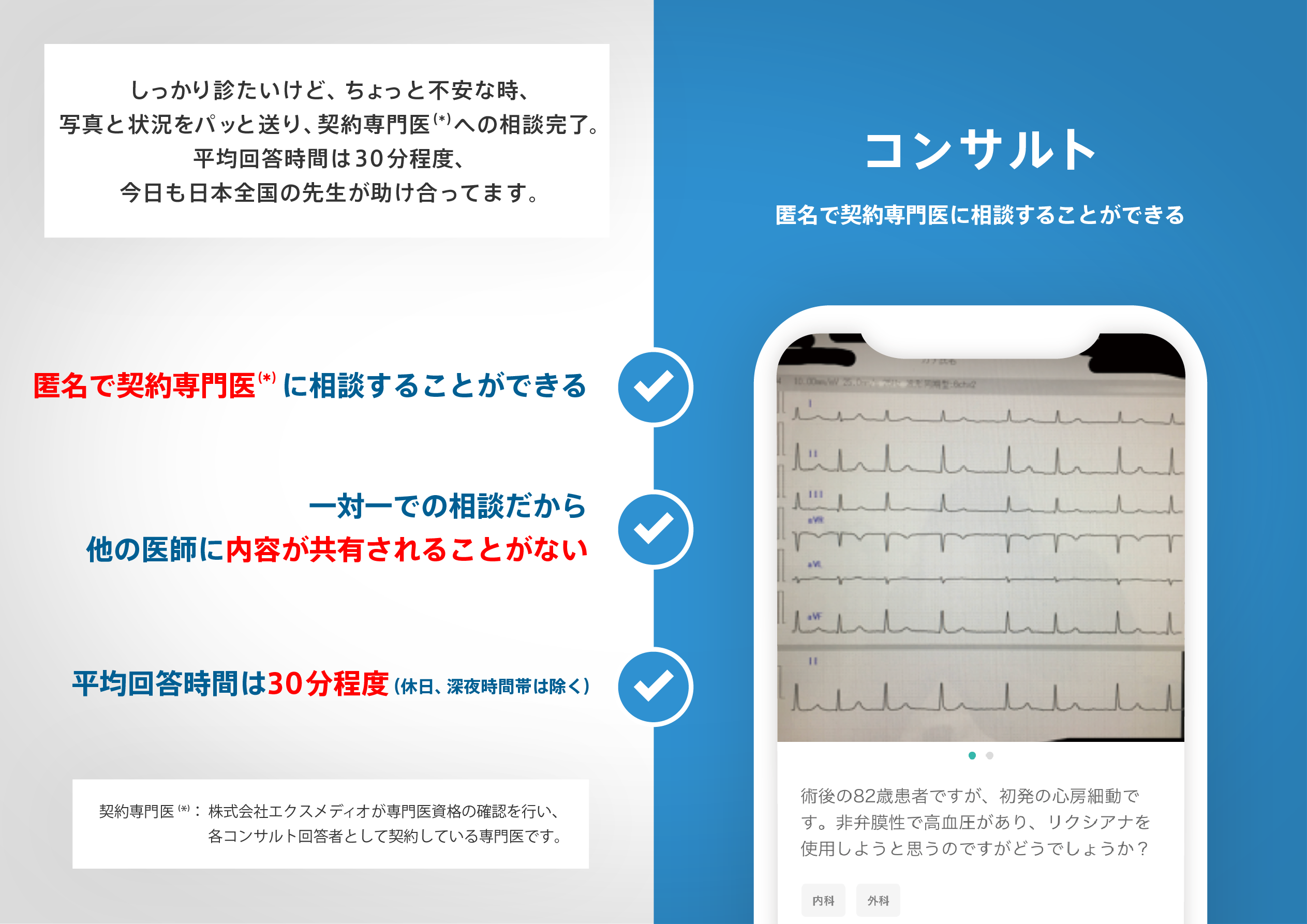
ヒポクラ x マイナビのご紹介

無料会員登録していただくと、さらに便利で効率的な検索が可能になります。