著名医師による解説が無料で読めます
すると翻訳の精度が向上します
トランスロケータータンパク質18 kDa(TSPO PET)を標的とするリガンドを使用したポジトロン放出断層撮影は、in vivoの中枢神経系のグリア炎症反応を視覚化および定量化する革新的な方法です。他のいくつかの神経精神障害と比較して、統合失調症および関連する精神病障害におけるTSPO PETの発見は、かなり不均一でした。昨年、このトピックに関する2つの矛盾するメタ分析が公開されています。1つはTSPO摂取の減少の証拠を主張し、もう1つは選択のTSPO取り込みの増加を観察しました。この論文では、精神病のTSPO PET所見の観察された変動性を説明する可能性のある5つの仮説、つまり(1)炎症性表現型は精神病患者のサブグループにのみ存在することをレビューして議論します。(2)不均一性は、抗精神病薬の干渉によって引き起こされます。(3)研究集団(年齢、性別、BMI、喫煙、物質使用など)における他の臨床交絡因子の干渉。または(4)研究間の方法論的変動性(トレーサーと運動モデルの選択、ジェノタイピング、研究力、および日中の効果など)。(5)TSPO発現の変化の根底にあるグリア応答自体は異質で動的です。最後に、これらの異なる不均一性を緩和するための将来の研究提案に関する4つの重要な推奨事項を提案します。
トランスロケータータンパク質18 kDa(TSPO PET)を標的とするリガンドを使用したポジトロン放出断層撮影は、in vivoの中枢神経系のグリア炎症反応を視覚化および定量化する革新的な方法です。他のいくつかの神経精神障害と比較して、統合失調症および関連する精神病障害におけるTSPO PETの発見は、かなり不均一でした。昨年、このトピックに関する2つの矛盾するメタ分析が公開されています。1つはTSPO摂取の減少の証拠を主張し、もう1つは選択のTSPO取り込みの増加を観察しました。この論文では、精神病のTSPO PET所見の観察された変動性を説明する可能性のある5つの仮説、つまり(1)炎症性表現型は精神病患者のサブグループにのみ存在することをレビューして議論します。(2)不均一性は、抗精神病薬の干渉によって引き起こされます。(3)研究集団(年齢、性別、BMI、喫煙、物質使用など)における他の臨床交絡因子の干渉。または(4)研究間の方法論的変動性(トレーサーと運動モデルの選択、ジェノタイピング、研究力、および日中の効果など)。(5)TSPO発現の変化の根底にあるグリア応答自体は異質で動的です。最後に、これらの異なる不均一性を緩和するための将来の研究提案に関する4つの重要な推奨事項を提案します。
Positron emission tomography using ligands targeting translocator protein 18 kDa (TSPO PET) is an innovative method to visualize and quantify glial inflammatory responses in the central nervous system in vivo. Compared to some other neuropsychiatric disorders, findings of TSPO PET in schizophrenia and related psychotic disorders have been considerably more heterogeneous. Two conflicting meta-analyses have been published on the topic within the last year: one asserting evidence for decreased TSPO uptake, while the other observed increased TSPO uptake in a selection of studies. In this paper, we review and discuss five hypotheses which may explain the observed variability of TSPO PET findings in psychotic illness, namely that (1) an inflammatory phenotype is only present in a subgroup of psychosis patients; (2) heterogeneity is caused by interference of antipsychotic medication; (3) interference of other clinical confounders in the study populations (such as age, sex, BMI, smoking, and substance use); or (4) methodological variability between studies (such as choice of tracer and kinetic model, genotyping, study power, and diurnal effects); and (5) the glial responses underlying changes in TSPO expression are themselves heterogeneous and dynamic. Finally, we propose four key recommendations for future research proposals to mitigate these different causes of heterogeneity.
医師のための臨床サポートサービス
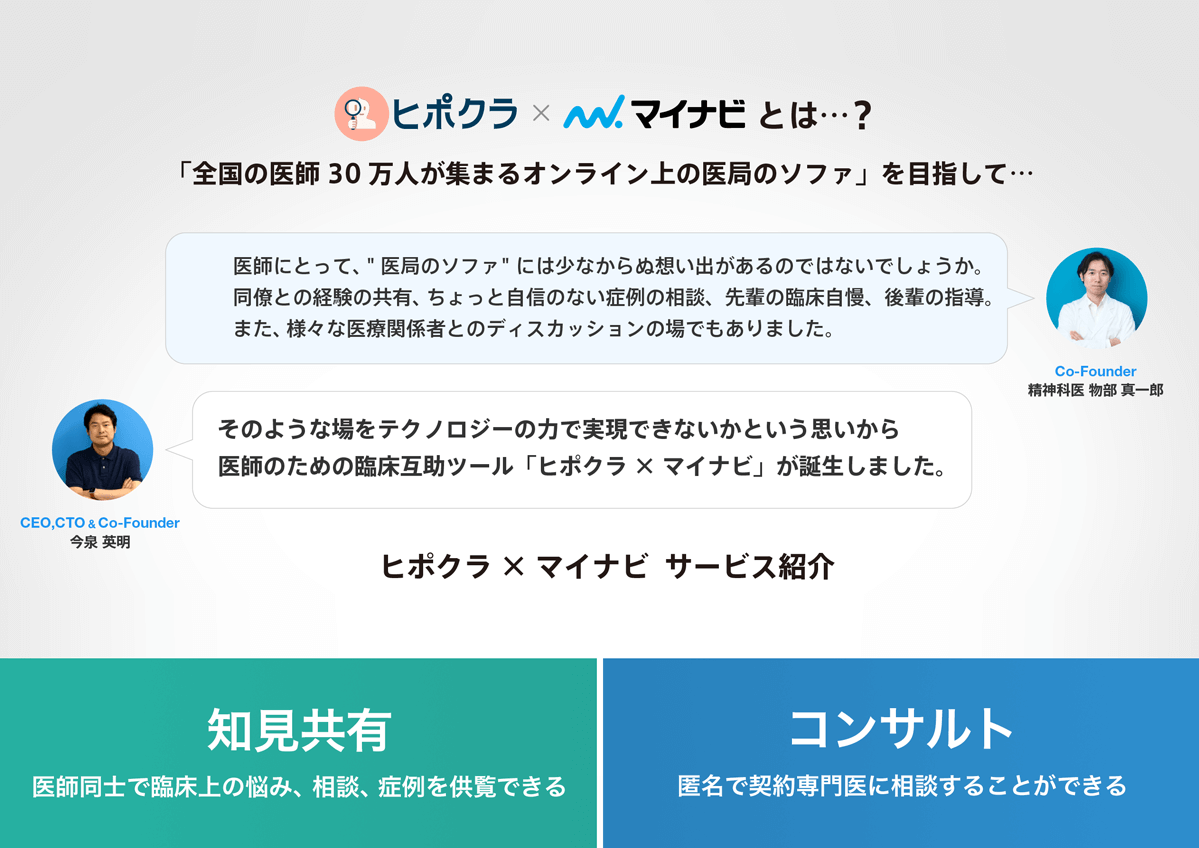
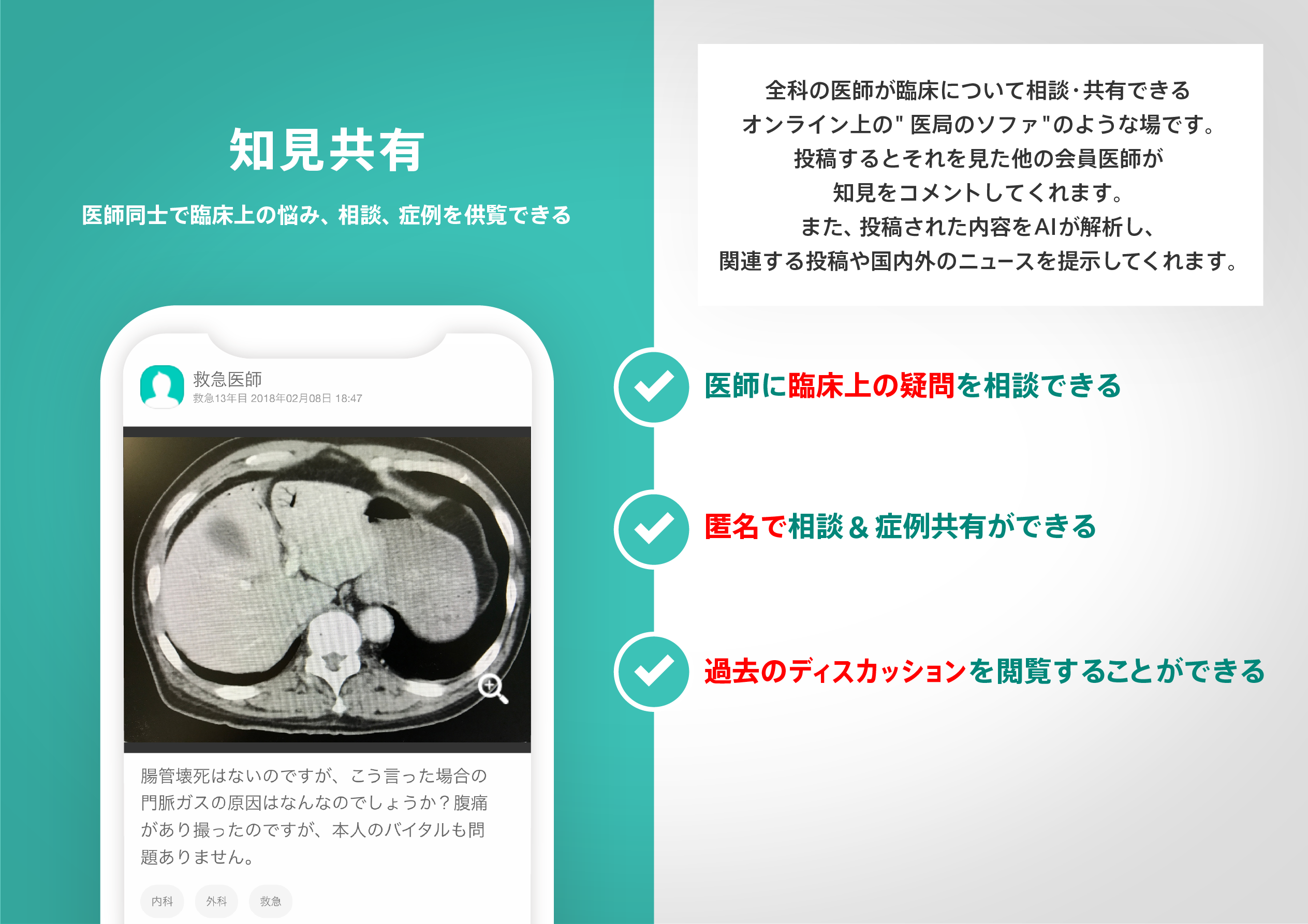
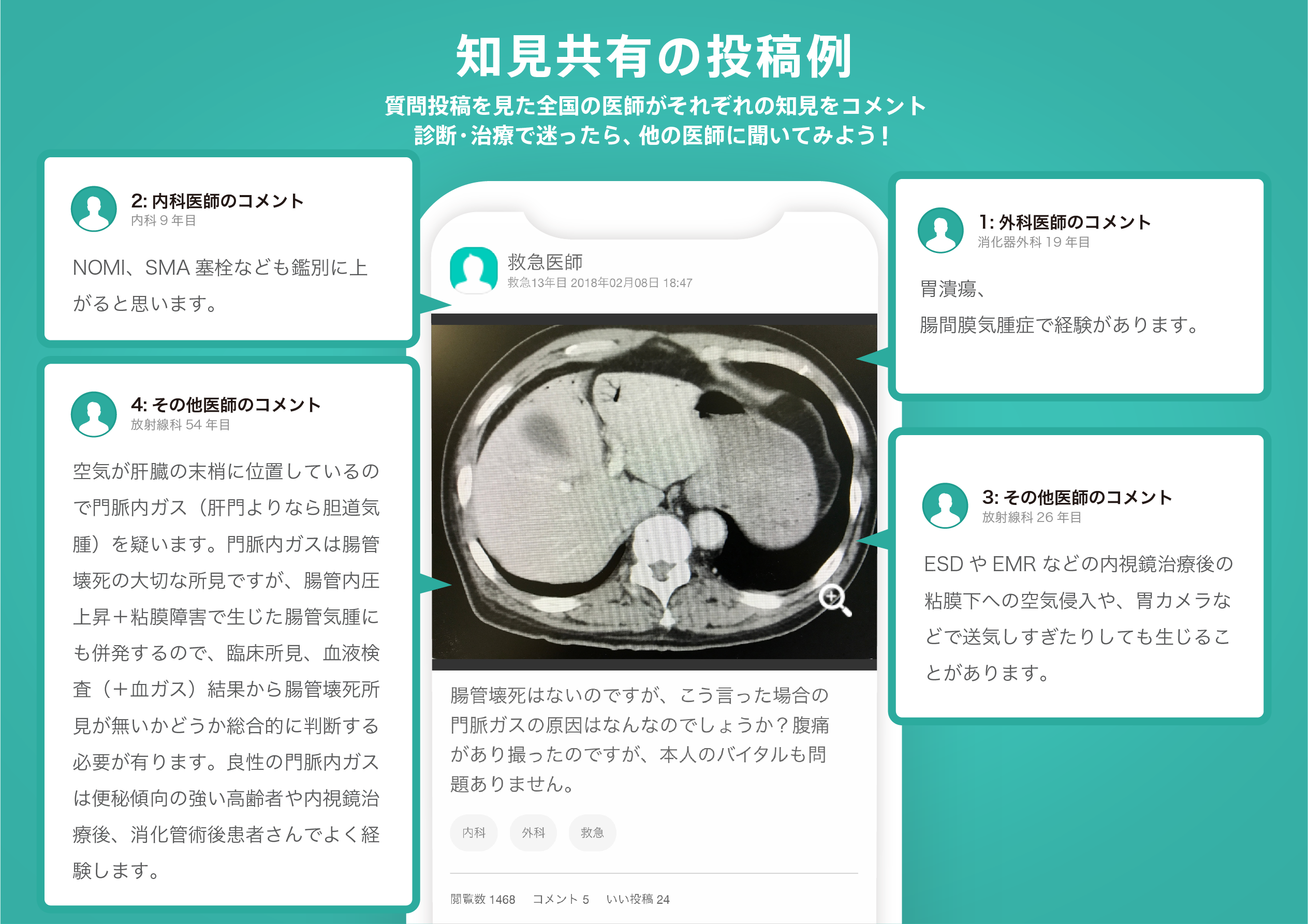
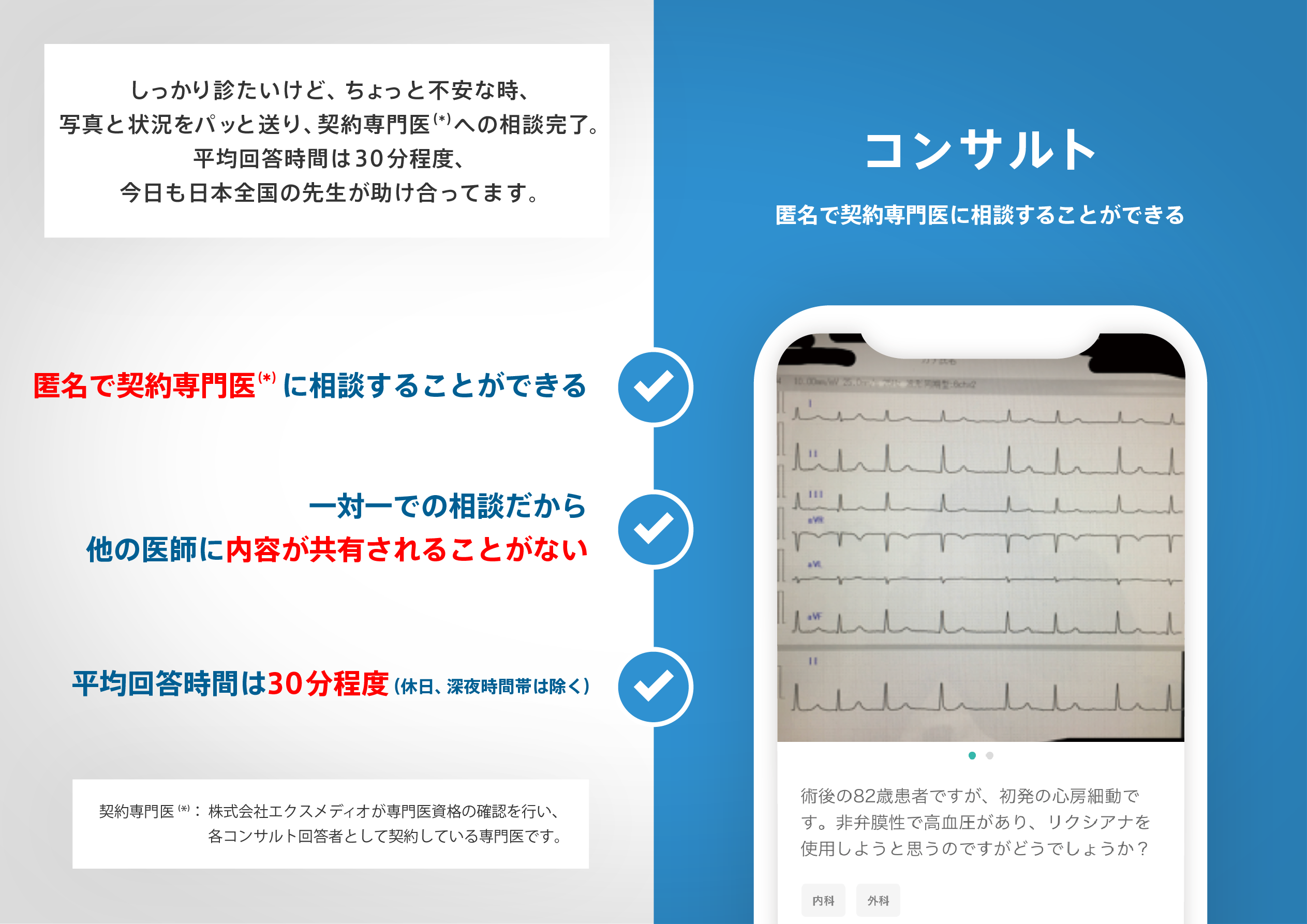
ヒポクラ x マイナビのご紹介

無料会員登録していただくと、さらに便利で効率的な検索が可能になります。