著名医師による解説が無料で読めます
すると翻訳の精度が向上します
背景:新しい診断基準CSFバイオマーカーの特定のパターンの存在に関するin vivoで識別可能な臨床生物学的実体としてアルツハイマー病(AD)を考慮します。 目的:ここでは、経頭蓋磁気刺激を使用して、CSFバイオマーカープロファイルに従って層別化された記憶クリニックで初めて入院した海馬型記憶障害の患者における皮質可塑性と感覚運動統合のメカニズムを調査しました。 方法:73人の患者が募集され、新しい診断基準に従って3つのグループに分割されました。1)軽度認知障害(MCI)患者(n = 21)。前駆AD(プロアド)患者(n = 24);マニフェスト認知症(ADD)患者(n = 28)のAD。募集時に、すべての患者は診断目的でCSFサンプリングを受けました。LTP様皮質の可塑性、短い皮質内阻害(SICI)および短い求心性阻害(SAI)を調査するために、反復とペアパルス経頭蓋磁気刺激プロトコルを実施しました。患者は、臨床的進行または認知症への変換を監視するために3年間フォローアップされました。 結果:MCI患者は、LTP様皮質可塑性の中程度であるが有意な障害を示したが、ADDおよびPROADグループはLTP様皮質可塑性のより深刻な喪失を示した。LTD様皮質の可塑性、SICIおよびSAIプロトコルに違いは観察されませんでした。Kaplan-Meyerの分析により、認知症に変換するプロアド患者とMCI患者は、最初の評価時にLTP様の可塑性が弱かったことが示されました。 結論:LTP様皮質可塑性は、CSFバイオマーカーに基づく新しい診断基準と識別可能なADの前駆段階で記憶障害のある患者における認知症への臨床的進行を予測するための新しいバイオマーカーである可能性があります。
背景:新しい診断基準CSFバイオマーカーの特定のパターンの存在に関するin vivoで識別可能な臨床生物学的実体としてアルツハイマー病(AD)を考慮します。 目的:ここでは、経頭蓋磁気刺激を使用して、CSFバイオマーカープロファイルに従って層別化された記憶クリニックで初めて入院した海馬型記憶障害の患者における皮質可塑性と感覚運動統合のメカニズムを調査しました。 方法:73人の患者が募集され、新しい診断基準に従って3つのグループに分割されました。1)軽度認知障害(MCI)患者(n = 21)。前駆AD(プロアド)患者(n = 24);マニフェスト認知症(ADD)患者(n = 28)のAD。募集時に、すべての患者は診断目的でCSFサンプリングを受けました。LTP様皮質の可塑性、短い皮質内阻害(SICI)および短い求心性阻害(SAI)を調査するために、反復とペアパルス経頭蓋磁気刺激プロトコルを実施しました。患者は、臨床的進行または認知症への変換を監視するために3年間フォローアップされました。 結果:MCI患者は、LTP様皮質可塑性の中程度であるが有意な障害を示したが、ADDおよびPROADグループはLTP様皮質可塑性のより深刻な喪失を示した。LTD様皮質の可塑性、SICIおよびSAIプロトコルに違いは観察されませんでした。Kaplan-Meyerの分析により、認知症に変換するプロアド患者とMCI患者は、最初の評価時にLTP様の可塑性が弱かったことが示されました。 結論:LTP様皮質可塑性は、CSFバイオマーカーに基づく新しい診断基準と識別可能なADの前駆段階で記憶障害のある患者における認知症への臨床的進行を予測するための新しいバイオマーカーである可能性があります。
BACKGROUND: New diagnostic criteria consider Alzheimer's disease (AD) as a clinico-biological entity identifiable in vivo on the presence of specific patterns of CSF biomarkers. OBJECTIVE: Here we used transcranial magnetic stimulation to investigate the mechanisms of cortical plasticity and sensory-motor integration in patients with hippocampal-type memory impairment admitted for the first time in the memory clinic stratified according to CSF biomarkers profile. METHODS: Seventy-three patients were recruited and divided in three groups according to the new diagnostic criteria: 1) Mild Cognitive Impaired (MCI) patients (n = 21); Prodromal AD (PROAD) patients (n = 24); AD with manifest dementia (ADD) patients (n = 28). At time of recruitment all patients underwent CSF sampling for diagnostic purposes. Repetitive and paired-pulse transcranial magnetic stimulation protocols were performed to investigate LTP-like and LTD-like cortical plasticity, short intracortical inhibition (SICI) and short afferent inhibition (SAI). Patients were the followed up during three years to monitor the clinical progression or the conversion to dementia. RESULTS: MCI patients showed a moderate but significant impairment of LTP-like cortical plasticity, while ADD and PROAD groups showed a more severe loss of LTP-like cortical plasticity. No differences were observed for LTD-like cortical plasticity, SICI and SAI protocols. Kaplan-Meyer analyses showed that PROAD and MCI patients converting to dementia had weaker LTP-like plasticity at time of first evaluation. CONCLUSION: LTP-like cortical plasticity could be a novel biomarker to predict the clinical progression to dementia in patients with memory impairment at prodromal stages of AD identifiable with the new diagnostic criteria based on CSF biomarkers.
医師のための臨床サポートサービス
ヒポクラ x マイナビのご紹介


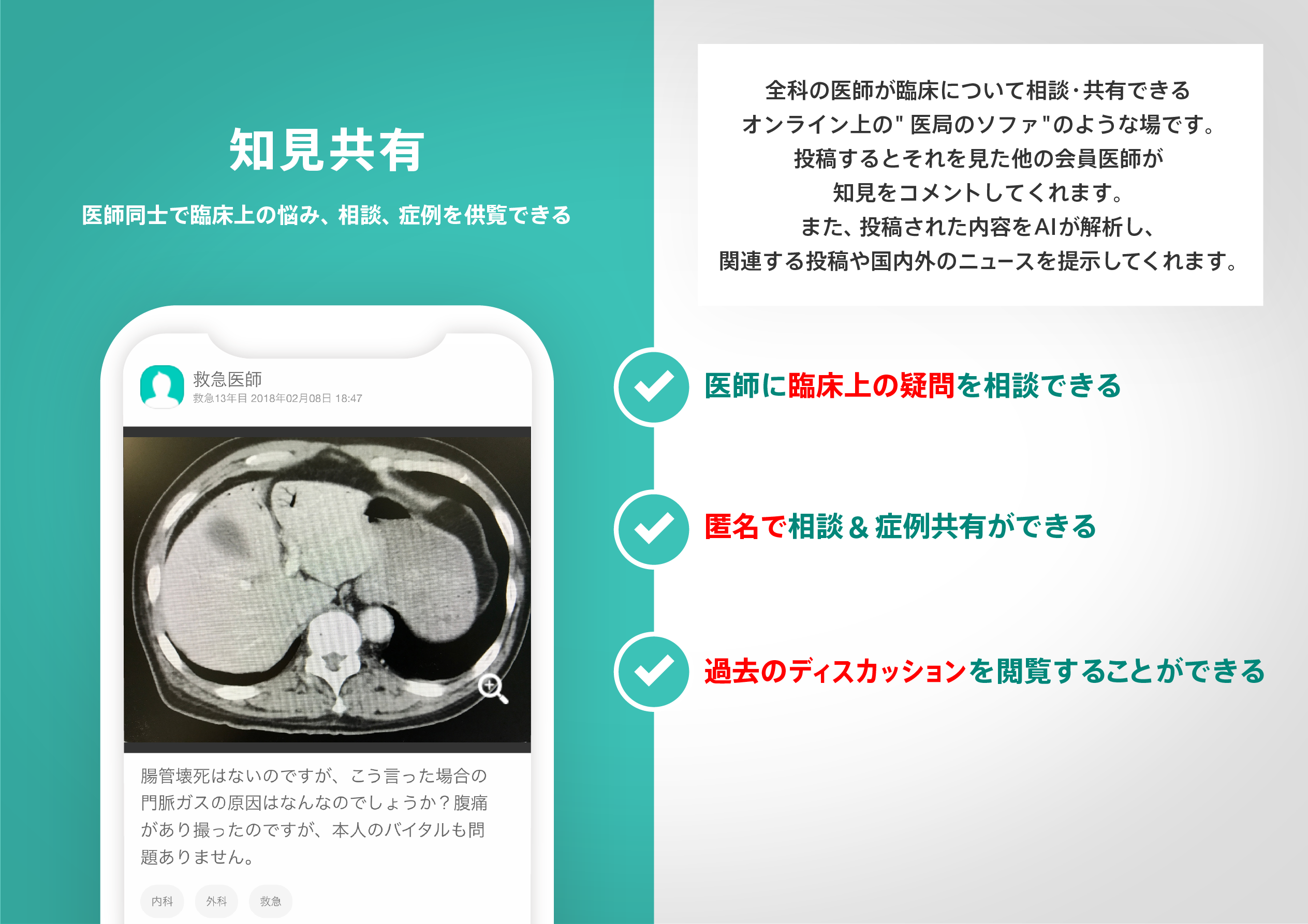
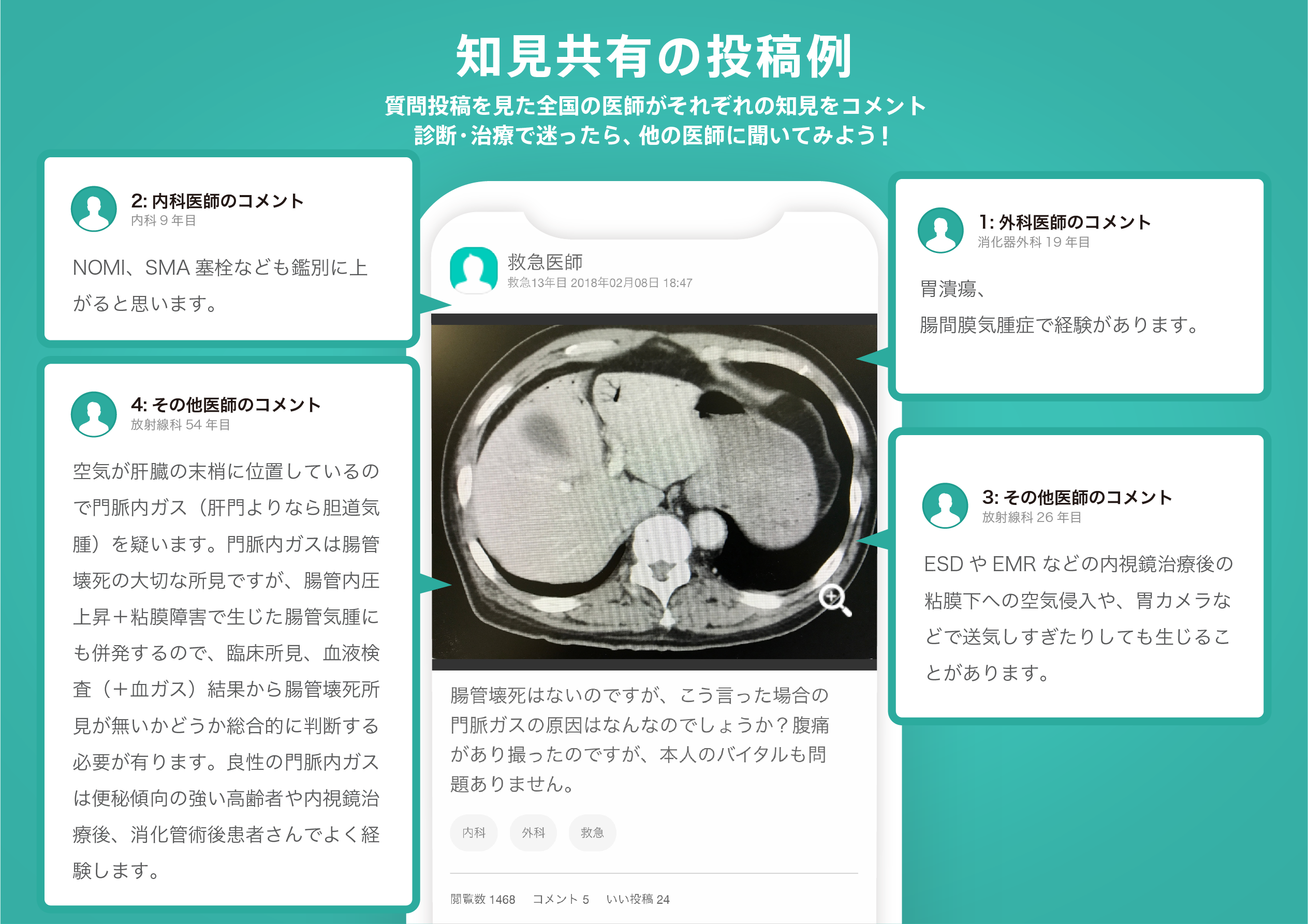

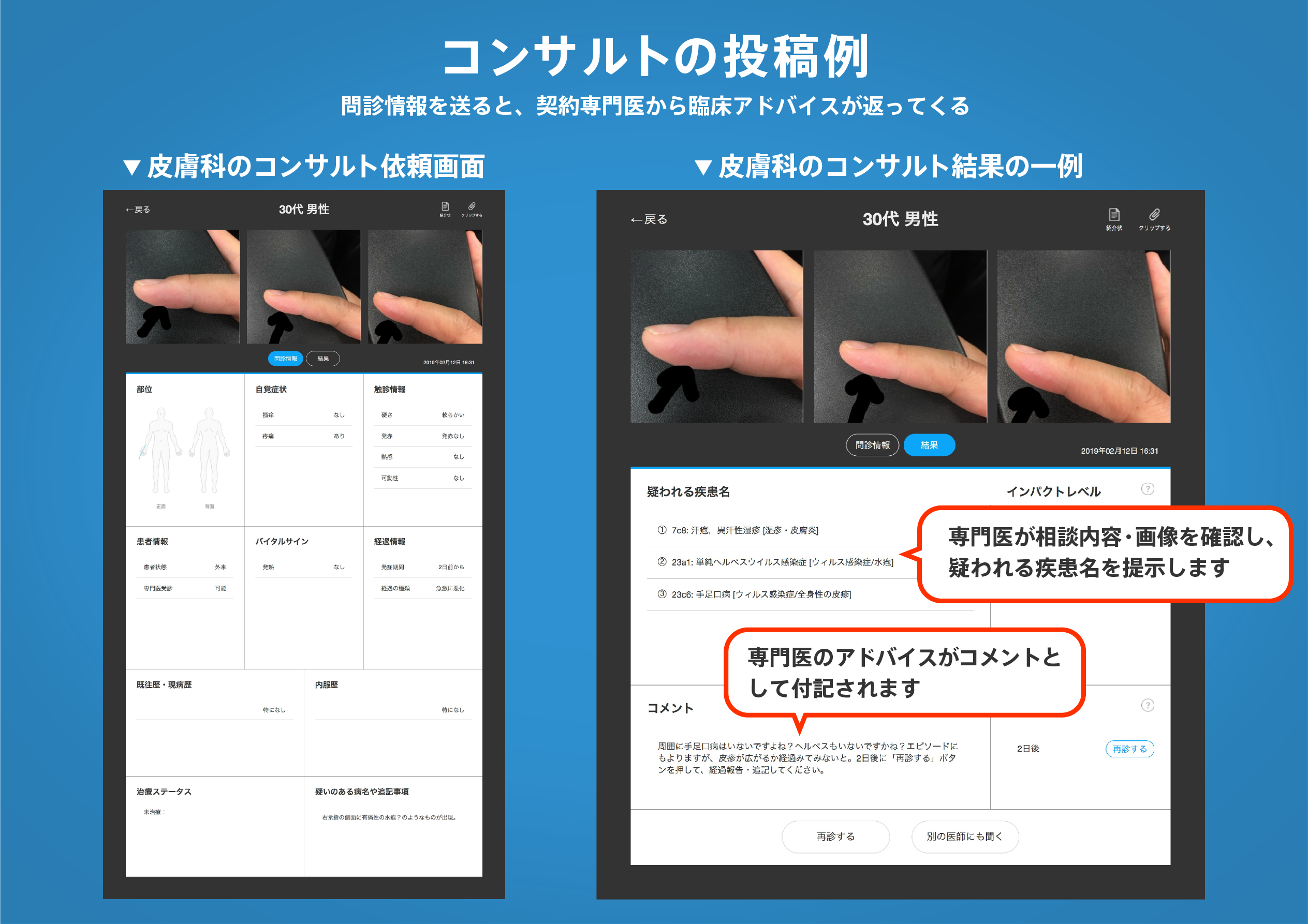

無料会員登録していただくと、さらに便利で効率的な検索が可能になります。