著名医師による解説が無料で読めます
すると翻訳の精度が向上します
背景:西洋諸国では、審美性鼻形成術のために入院した患者の鼻のプロファイルにより、背側のこぶ還元手術が一般的です。ハンプを減らすための多くのテクニックがあります。現在、背部を保存できるようにする背側のこぶ削減技術は非常に人気があります。 目的:現在の研究では、著者は手放しの手法のいくつかのアプローチについて説明しています。これらのアプローチは、患者のニーズに基づいて適切な手法を選択することを目的としています。 方法:手術を受けた鼻こなら変形の患者が調査されました。51人の患者が選択基準を満たし、その記録が評価されました。この研究に含まれたすべての患者は、1年間のフォローアップ任命で鼻形成術の結果評価(ROE)アンケートで評価されました。本研究では、外科医によって6つのアプローチが行われた。 結果:1年の手術の前後のROEスコアを比較しました。手術前のROEスコアの中央値は65.2でした。スコアの中央値は、手術の1年後に90.2ポイントでした。ROEスコアは、手術の前後に大幅に増加しました(p <0.001)。患者の満足度は、含まれている患者の92%で優れていることがわかりました。合併症はなく、修正手術の必要はありませんでした。 結論:レットダウン技術のこれらの新しいアプローチは、より良い短期および長期の化粧品および機能的結果を可能にし、外科医は、失望したテクニックの候補者である患者に最適な選択肢を選択できるようになります。鼻血がある患者の術前イメージングは、外科医と患者の両方にいくつかの利点を提供します。 証拠のレベルIV:このジャーナルでは、著者が各記事にレベルの証拠を割り当てることを要求しています。これらのエビデンスに基づいた医療評価の完全な説明については、著者www.springer.com/00266の目次またはオンライン指示を参照してください。
背景:西洋諸国では、審美性鼻形成術のために入院した患者の鼻のプロファイルにより、背側のこぶ還元手術が一般的です。ハンプを減らすための多くのテクニックがあります。現在、背部を保存できるようにする背側のこぶ削減技術は非常に人気があります。 目的:現在の研究では、著者は手放しの手法のいくつかのアプローチについて説明しています。これらのアプローチは、患者のニーズに基づいて適切な手法を選択することを目的としています。 方法:手術を受けた鼻こなら変形の患者が調査されました。51人の患者が選択基準を満たし、その記録が評価されました。この研究に含まれたすべての患者は、1年間のフォローアップ任命で鼻形成術の結果評価(ROE)アンケートで評価されました。本研究では、外科医によって6つのアプローチが行われた。 結果:1年の手術の前後のROEスコアを比較しました。手術前のROEスコアの中央値は65.2でした。スコアの中央値は、手術の1年後に90.2ポイントでした。ROEスコアは、手術の前後に大幅に増加しました(p <0.001)。患者の満足度は、含まれている患者の92%で優れていることがわかりました。合併症はなく、修正手術の必要はありませんでした。 結論:レットダウン技術のこれらの新しいアプローチは、より良い短期および長期の化粧品および機能的結果を可能にし、外科医は、失望したテクニックの候補者である患者に最適な選択肢を選択できるようになります。鼻血がある患者の術前イメージングは、外科医と患者の両方にいくつかの利点を提供します。 証拠のレベルIV:このジャーナルでは、著者が各記事にレベルの証拠を割り当てることを要求しています。これらのエビデンスに基づいた医療評価の完全な説明については、著者www.springer.com/00266の目次またはオンライン指示を参照してください。
BACKGROUND: In Western countries, dorsal hump reduction surgery is prevalent due to the nasal profiles of the patients admitted for esthetic rhinoplasty operations. There are numerous techniques for hump reduction. Currently, dorsal hump reduction techniques that allow the dorsum to be preserved are highly popular. OBJECTIVES: In the present research, the author describes several approaches for the let-down technique. These approaches are aimed at selecting the appropriate technique based on the patients' needs. METHODS: The patients with nasal hump deformities who had undergone operations were investigated. Fifty-one patients met the inclusion criteria and their records were assessed. All patients who were included in the study were assessed with the Rhinoplasty Outcome Evaluation (ROE) questionnaire at their one-year follow-up appointment. In the present study, six approaches were performed by the surgeon for the let-down technique. RESULTS: The ROE scores before and after 1 year of surgery were compared. The median of the ROE score before surgery was 65.2. The median score was 90.2 points 1 year after surgery. The ROE score significantly increased before and after surgery (p < 0.001). The patient satisfaction was found to be excellent in 92% of the included patients. There were no complications, and there was no need for revision surgery. CONCLUSION: These new approaches for the let-down technique will allow better short- and long-term cosmetic and functional outcomes and will enable surgeons to choose the best option for patients who are candidates for the let-down technique. Preoperative imaging of patients with nasal humps will also provide several advantages for both the surgeon and the patients. LEVEL OF EVIDENCE IV: This journal requires that authors assign a level of evidence to each article. For a full description of these Evidence-Based Medicine ratings, please refer to the Table of Contents or the online Instructions to Authors www.springer.com/00266 .
医師のための臨床サポートサービス
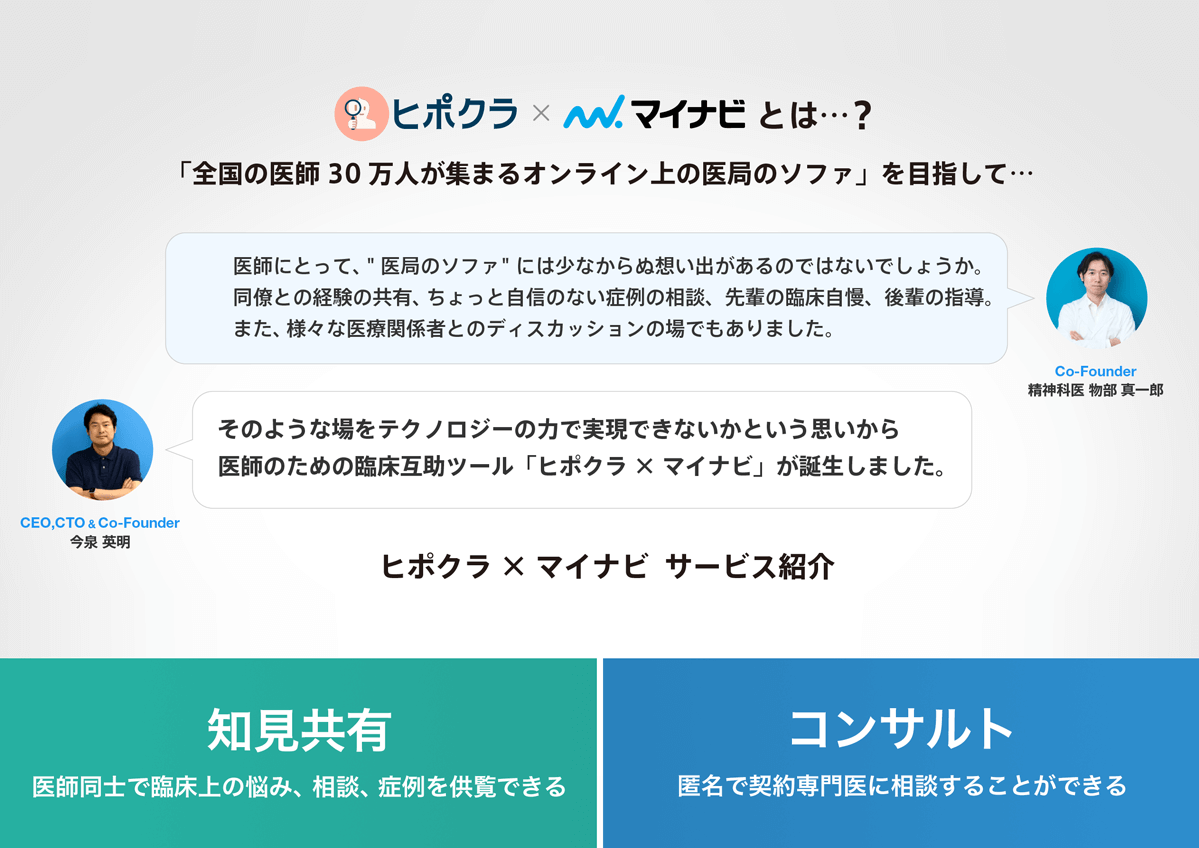
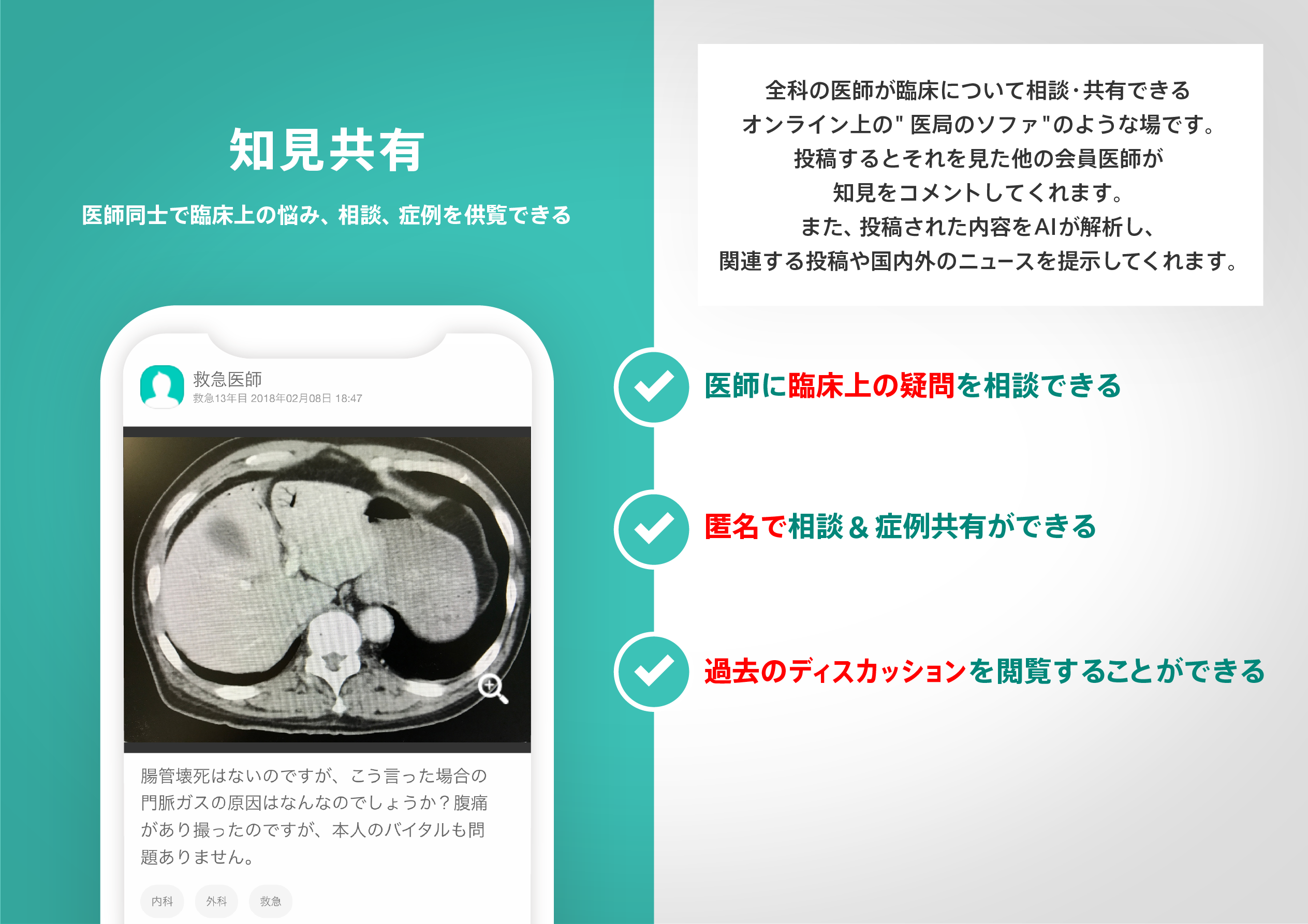
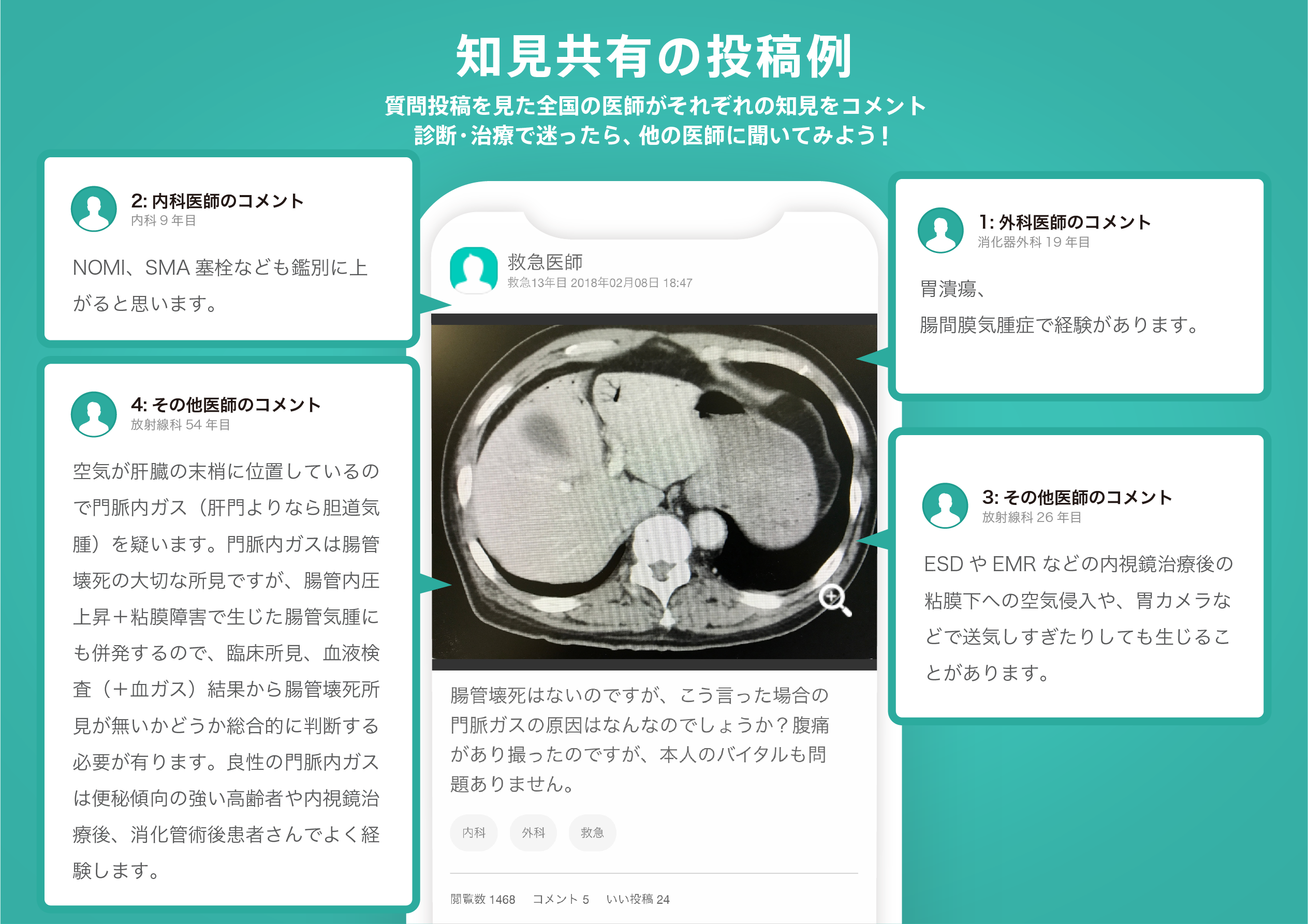
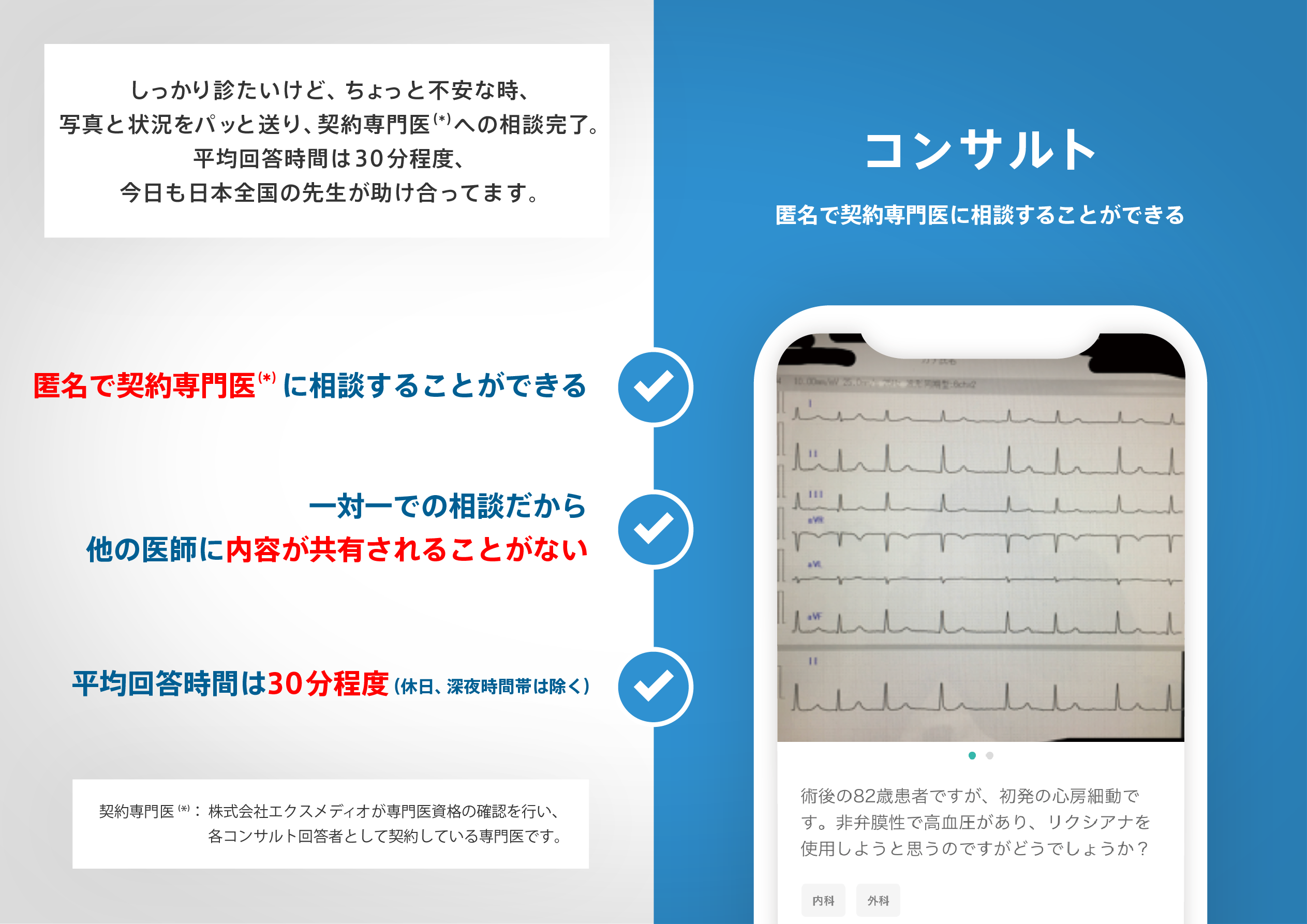
ヒポクラ x マイナビのご紹介

無料会員登録していただくと、さらに便利で効率的な検索が可能になります。