著名医師による解説が無料で読めます
すると翻訳の精度が向上します
Brivaracetam(BRV)は、欧州連合(EU)の4歳以上の患者における二次的な一般化を伴う焦点(部分発症)発作の補助的な治療に適応されています。継続的な12か月の前向き、非介入後の市販後研究(EP0077; NCT02687711)は、ヨーロッパの補助BRVで治療を受けている患者に関する実世界の情報を収集しています。この研究では、BRVは日常的な臨床診療と製品特性のEUの要約に従って規定されています。この2番目の暫定分析では、最大6か月の治療に対する有効性、忍容性、健康関連の生活の質の結果を評価しました。カットオフ日(2018年4月13日)に、5か国の266人の患者が訪問1、24.1%(64/266)が研究を完了し、37.6%(100/266)が進行中、38.3%(102/266)中止した。合計で、261人の患者が少なくとも1回のBRVを持ち、分析に含まれていました。患者は、てんかん診断から23。2年後の平均時間、平均8寿命のAED(研究入力前に廃止され、研究侵入時に付随するAEDの合計)、および3ヶ月の遡及的な28日あたり5つの局所発作の中央値の中央値がありました。ベースライン。患者の66.3%は、推奨開始範囲内(50〜100 mg/日)内で用量でBRVを開始し、患者の87.1%が研究中に推奨用量範囲(50〜200 mg/日)内でBRVモード用量を投与されました。保持率は、3か月で79.1%(n = 239)、6か月で62.1%(n = 211)でした。局所発作の50%のレスポンダー率は、3か月で46.8%(n = 139)、6か月で53.6%(n = 97)でした。発作のない患者の割合は、治療の3か月と6か月のそれぞれ10.7%(21/196)および7.5%(15/199)でした。ベースラインから3か月および6か月までの28日あたりの局所発作頻度の中央値減少率は、それぞれ34.6%(n = 139)および53.3%(n = 97)でした。全体として、患者の44.2%が改善し、15.4%がてんかんの在庫形式で患者の重み付けされた生活の質が悪化し、ベースラインから6ヶ月から6か月の合計スコアがありました(n = 52)。患者の51.0%(133/261)で、少なくとも1つの治療に浸透性の有害事象(TEAE)が報告され、患者の34.5%(90/261)が薬物関連のTEEを有していました。最も一般的な薬物関連の茶(患者の5%以上)は、薬物の効果がない(7.7%)、発作(6.5%)、疲労(6.1%)でした。この6か月間の暫定分析では、BRVは5つのヨーロッパ諸国で臨床診療で使用された場合に有効性を示しました。BRVは忍容性が高く、新しい安全シグナルは観察されませんでした。
Brivaracetam(BRV)は、欧州連合(EU)の4歳以上の患者における二次的な一般化を伴う焦点(部分発症)発作の補助的な治療に適応されています。継続的な12か月の前向き、非介入後の市販後研究(EP0077; NCT02687711)は、ヨーロッパの補助BRVで治療を受けている患者に関する実世界の情報を収集しています。この研究では、BRVは日常的な臨床診療と製品特性のEUの要約に従って規定されています。この2番目の暫定分析では、最大6か月の治療に対する有効性、忍容性、健康関連の生活の質の結果を評価しました。カットオフ日(2018年4月13日)に、5か国の266人の患者が訪問1、24.1%(64/266)が研究を完了し、37.6%(100/266)が進行中、38.3%(102/266)中止した。合計で、261人の患者が少なくとも1回のBRVを持ち、分析に含まれていました。患者は、てんかん診断から23。2年後の平均時間、平均8寿命のAED(研究入力前に廃止され、研究侵入時に付随するAEDの合計)、および3ヶ月の遡及的な28日あたり5つの局所発作の中央値の中央値がありました。ベースライン。患者の66.3%は、推奨開始範囲内(50〜100 mg/日)内で用量でBRVを開始し、患者の87.1%が研究中に推奨用量範囲(50〜200 mg/日)内でBRVモード用量を投与されました。保持率は、3か月で79.1%(n = 239)、6か月で62.1%(n = 211)でした。局所発作の50%のレスポンダー率は、3か月で46.8%(n = 139)、6か月で53.6%(n = 97)でした。発作のない患者の割合は、治療の3か月と6か月のそれぞれ10.7%(21/196)および7.5%(15/199)でした。ベースラインから3か月および6か月までの28日あたりの局所発作頻度の中央値減少率は、それぞれ34.6%(n = 139)および53.3%(n = 97)でした。全体として、患者の44.2%が改善し、15.4%がてんかんの在庫形式で患者の重み付けされた生活の質が悪化し、ベースラインから6ヶ月から6か月の合計スコアがありました(n = 52)。患者の51.0%(133/261)で、少なくとも1つの治療に浸透性の有害事象(TEAE)が報告され、患者の34.5%(90/261)が薬物関連のTEEを有していました。最も一般的な薬物関連の茶(患者の5%以上)は、薬物の効果がない(7.7%)、発作(6.5%)、疲労(6.1%)でした。この6か月間の暫定分析では、BRVは5つのヨーロッパ諸国で臨床診療で使用された場合に有効性を示しました。BRVは忍容性が高く、新しい安全シグナルは観察されませんでした。
Brivaracetam (BRV) is indicated for adjunctive treatment of focal (partial-onset) seizures with or without secondary generalisation in patients 4 years of age and older in the European Union (EU). An ongoing 12-month, prospective, non-interventional post-marketing study (EP0077; NCT02687711) is collecting real-world information on patients receiving treatment with adjunctive BRV in Europe. In this study, BRV is prescribed according to routine clinical practice and the EU Summary of Product Characteristics. This second interim analysis assessed effectiveness, tolerability and health-related quality of life outcomes for up to 6 months of treatment. At the cut-off date (13 April 2018), 266 patients from five countries had attended Visit 1, 24.1 % (64/266) had completed the study, 37.6 % (100/266) were ongoing, and 38.3 % (102/266) had discontinued. In total, 261 patients had at least one dose of BRV and were included in the analyses. Patients had a mean time since epilepsy diagnosis of 23.2 years, a mean of eight lifetime AEDs (sum of AEDs discontinued prior to study entry and concomitant at study entry), and a median of five focal seizures per 28 days during the 3-month retrospective Baseline. 66.3 % of patients initiated BRV at a dose within the recommended starting range (50-100 mg/day) and 87.1 % of patients received BRV modal doses within the recommended dose range (50-200 mg/day) during the study. Retention rates were 79.1 % (N = 239) at 3 months and 62.1 % (N = 211) at 6 months. The 50 % responder rates for focal seizures were 46.8 % (N = 139) at 3 months and 53.6 % (N = 97) at 6 months. The proportions of patients who were seizure-free were 10.7 % (21/196) and 7.5 % (15/199) at 3 and 6 months of treatment, respectively. Median percent reductions in focal seizure frequency per 28 days from Baseline to 3 and 6 months were 34.6 % (N = 139) and 53.3 % (N = 97), respectively. Overall, 44.2 % of patients had an improvement and 15.4 % had a worsening in Patient Weighted Quality of Life in Epilepsy Inventory-Form 31 total score from Baseline to 6 months (N = 52). At least one treatment-emergent adverse event (TEAE) was reported in 51.0 % (133/261) of patients, and 34.5 % (90/261) of patients had drug-related TEAEs. The most common drug-related TEAEs (≥5% of patients) were drug ineffective (7.7 %), seizure (6.5 %), and fatigue (6.1 %). In this 6-month interim analysis, BRV showed effectiveness when used in clinical practice in five European countries. BRV was well tolerated, and no new safety signals were observed.
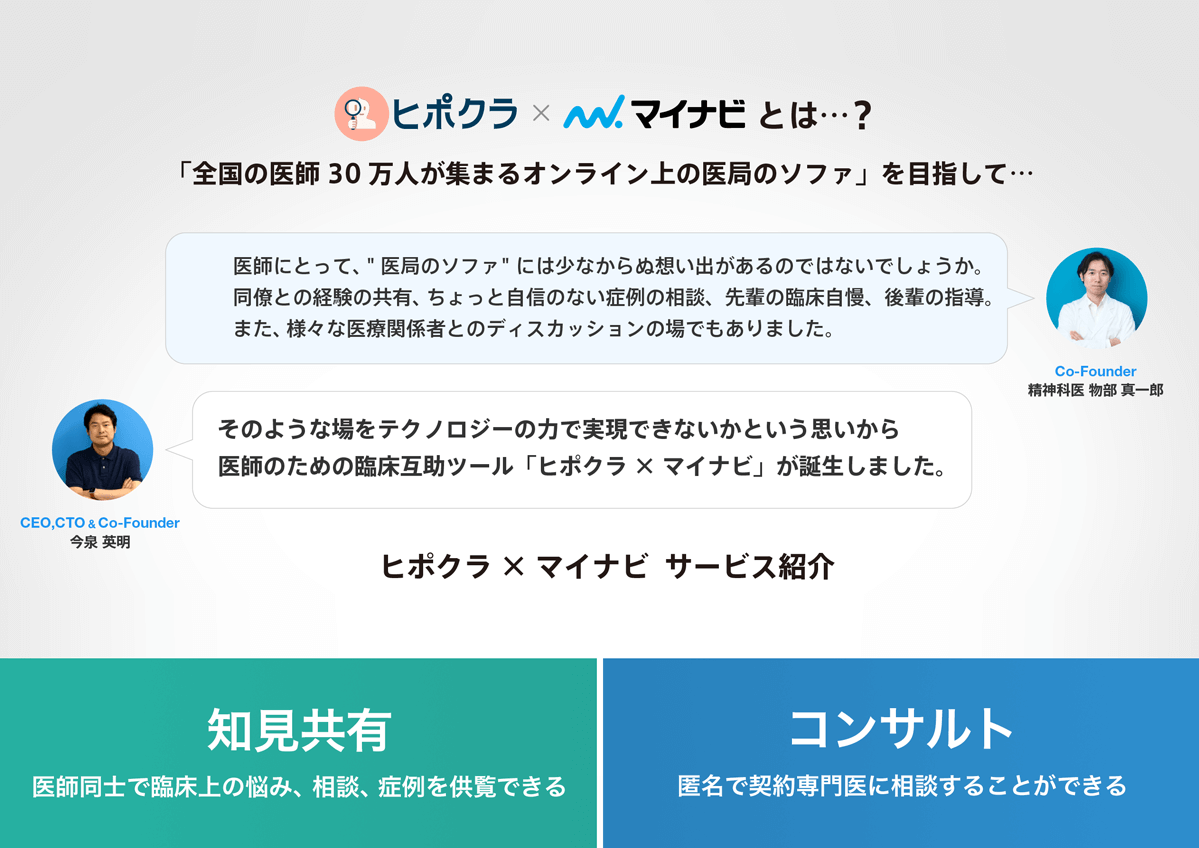
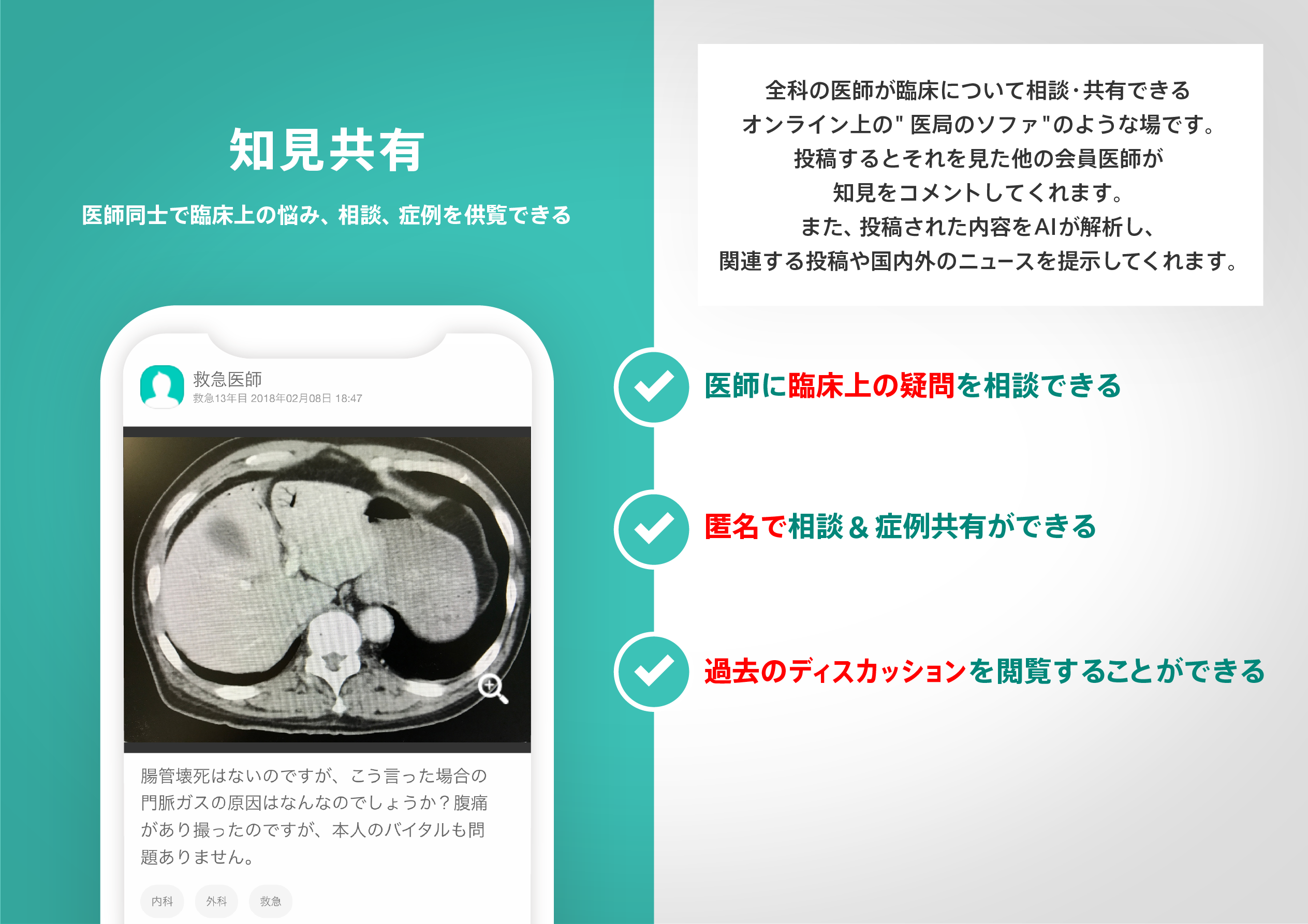
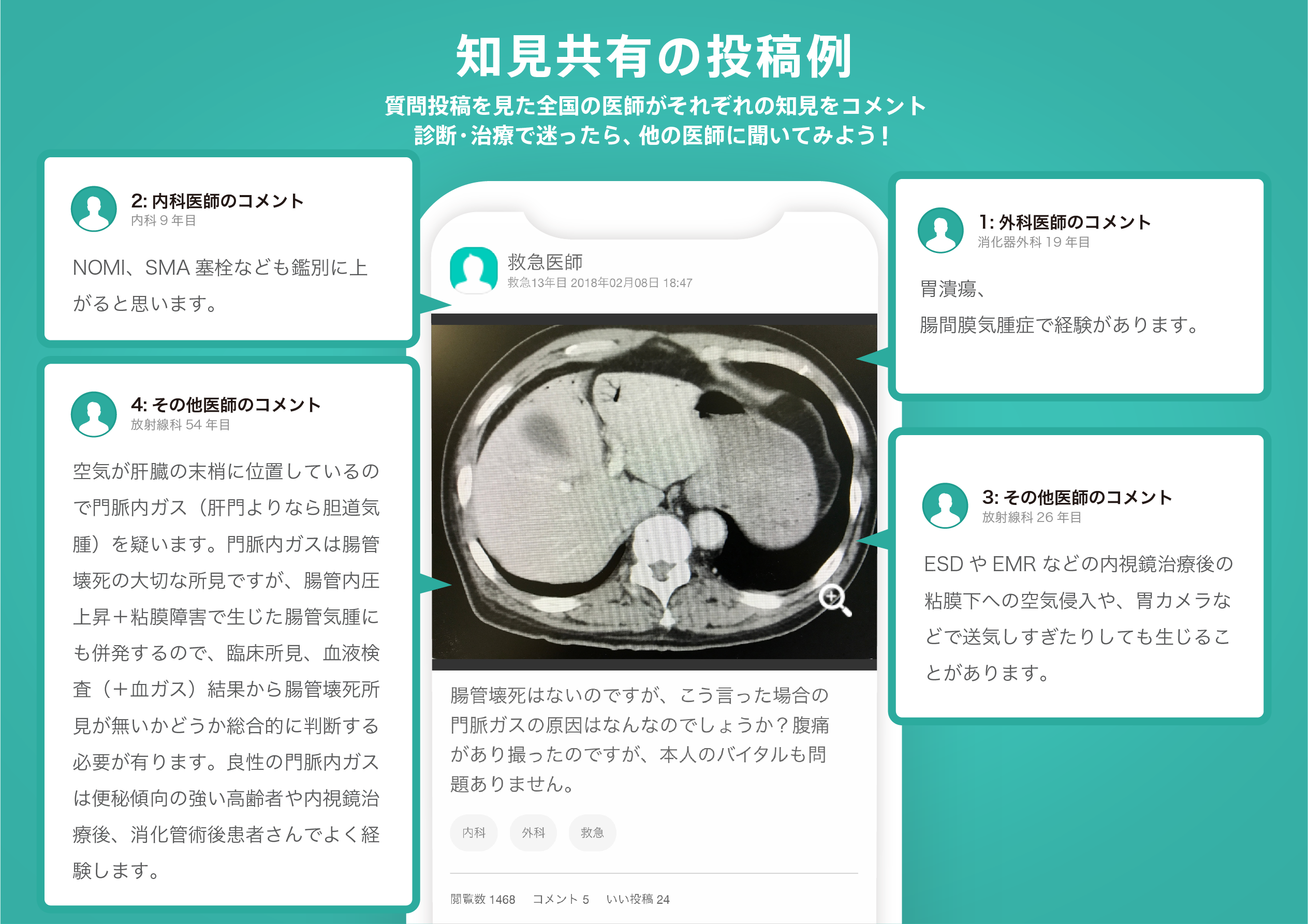
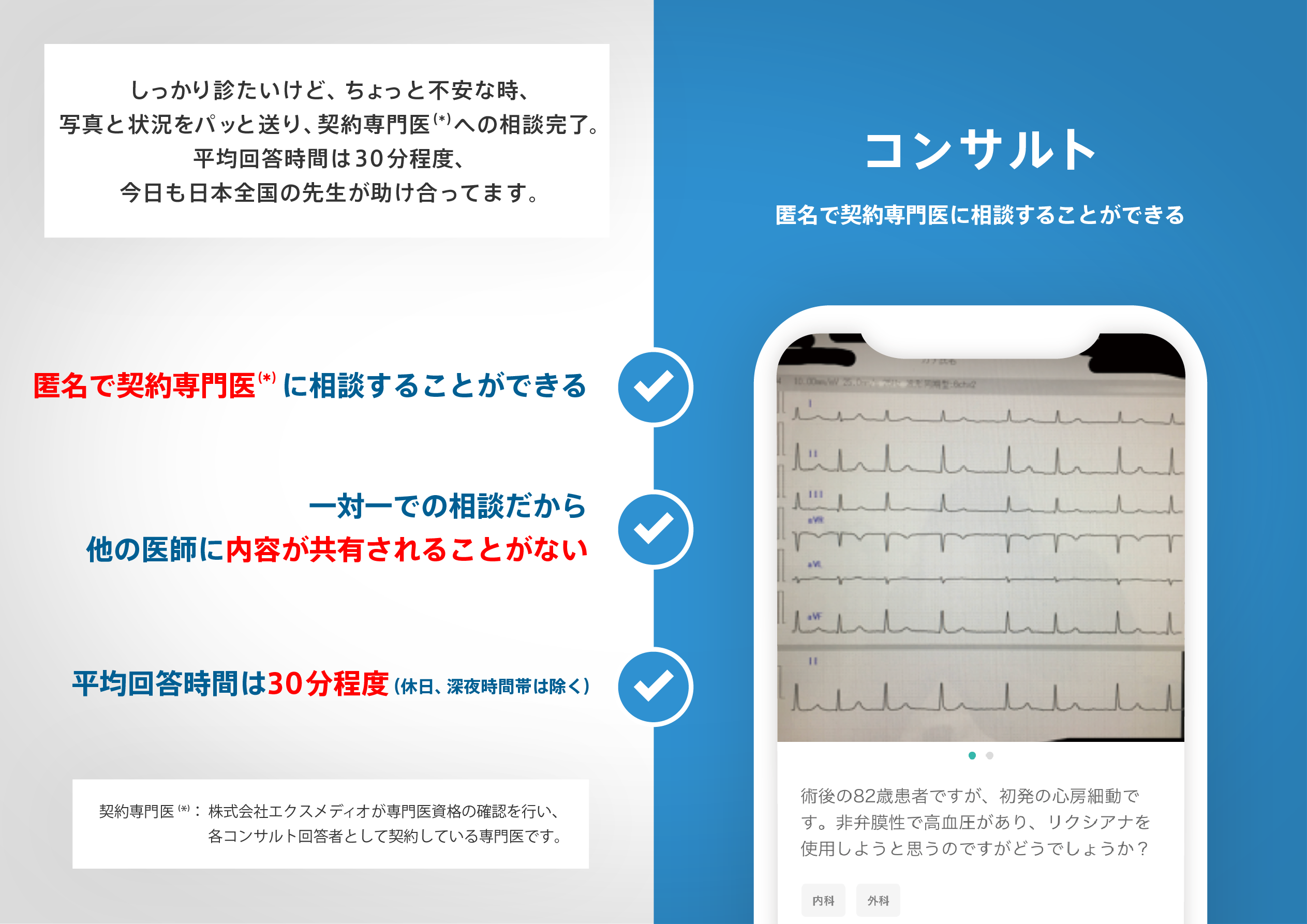
医師のための臨床サポートサービス
ヒポクラ x マイナビのご紹介

無料会員登録していただくと、さらに便利で効率的な検索が可能になります。