著名医師による解説が無料で読めます
すると翻訳の精度が向上します
目的:コンピューター支援設計とコンピューター支援製造(CAD/CAM)によって生成される間接的な歯科修復物は、毎日の歯科診療で比較的新しいものです。本研究の目的は、直接複合修復物と間接的なCAD/CAM生成修復物(複合、セラミック、ハイブリッド)のモノマー放出を比較することでした。 方法:3つの間接材料(Cerasmart、Vitablocs Mark IIおよびVita Enamic)と1つの複合材料(ClearFil AP-X)から同一のクラウン修復物を調製しました。回復ごとに、8つのクラウン修復物を歯サンプルに溶け、2.5mlの水抽出溶媒に浸しました。さらに、各修復タイプの3つの非lutedクラウンも抽出溶媒に浸され、コントロールとして機能しました。毎週、8週間の間に抽出溶媒を収集してリフレッシュしました。放出されたモノマーは、超パフォーマンス液体クロマトグラフィータンデム質量分析を使用して定量化されました。 結果:間接的な修復物は、直接的な修復物よりも大幅に低い残留モノマーを放出し、Luted間接修復によって放出されるモノマーは、主にセメンテーションに使用される複合材料に由来します。直接修復物によって放出されるモノマーの量は、光重合の時間に大きく依存していました。 重要性:モノマーの放出の観点から、間接的な修復は、患者への曝露を残留モノマーに制限するための直接的な修復の良い代替手段です。セメント層が可能な限り薄くなり、このセメント層からのモノマーの放出が可能な限り低いままであるように、間接復元の適合を理想的に設計することが重要です。
目的:コンピューター支援設計とコンピューター支援製造(CAD/CAM)によって生成される間接的な歯科修復物は、毎日の歯科診療で比較的新しいものです。本研究の目的は、直接複合修復物と間接的なCAD/CAM生成修復物(複合、セラミック、ハイブリッド)のモノマー放出を比較することでした。 方法:3つの間接材料(Cerasmart、Vitablocs Mark IIおよびVita Enamic)と1つの複合材料(ClearFil AP-X)から同一のクラウン修復物を調製しました。回復ごとに、8つのクラウン修復物を歯サンプルに溶け、2.5mlの水抽出溶媒に浸しました。さらに、各修復タイプの3つの非lutedクラウンも抽出溶媒に浸され、コントロールとして機能しました。毎週、8週間の間に抽出溶媒を収集してリフレッシュしました。放出されたモノマーは、超パフォーマンス液体クロマトグラフィータンデム質量分析を使用して定量化されました。 結果:間接的な修復物は、直接的な修復物よりも大幅に低い残留モノマーを放出し、Luted間接修復によって放出されるモノマーは、主にセメンテーションに使用される複合材料に由来します。直接修復物によって放出されるモノマーの量は、光重合の時間に大きく依存していました。 重要性:モノマーの放出の観点から、間接的な修復は、患者への曝露を残留モノマーに制限するための直接的な修復の良い代替手段です。セメント層が可能な限り薄くなり、このセメント層からのモノマーの放出が可能な限り低いままであるように、間接復元の適合を理想的に設計することが重要です。
OBJECTIVES: Indirect dental restorations produced by computer-aided design and computer-aided manufacturing (CAD/CAM) are relatively new in daily dental practice. The aim of the present study was to compare the monomer release between direct composite restorations and indirect CAD/CAM produced restorations (composite, ceramic and hybrid). METHODS: Identical crown restorations were prepared from three indirect materials (Cerasmart, Vitablocs Mark II and Vita Enamic) and one composite material (Clearfil AP-X). For each restoration, eight crown restorations were luted onto tooth samples and immersed into 2.5mL of an aqueous extraction solvent. Additionally, three nonluted crowns of each restoration type were also immersed in the extraction solvent, and served as controls. Every week, the extraction solvent was collected and refreshed, during a period of 8 weeks. The released monomers were quantified using ultra-performance liquid chromatography-tandem mass spectrometry. RESULTS: Indirect restorations release significantly lower quantities of residual monomers than direct restorations, and the monomers released by the luted indirect restorations are mainly derived from the composite material used for cementation. The quantity of monomers released by direct restorations greatly depended on the time of light polymerization. SIGNIFICANCE: In terms of monomer release, indirect restorations are a good alternative to direct restorations to limit patient exposure to residual monomers. It is important to ideally design the fit of indirect restoration so that the cement layer is as thin as possible and the monomer release from this cement layer remains as low as possible.
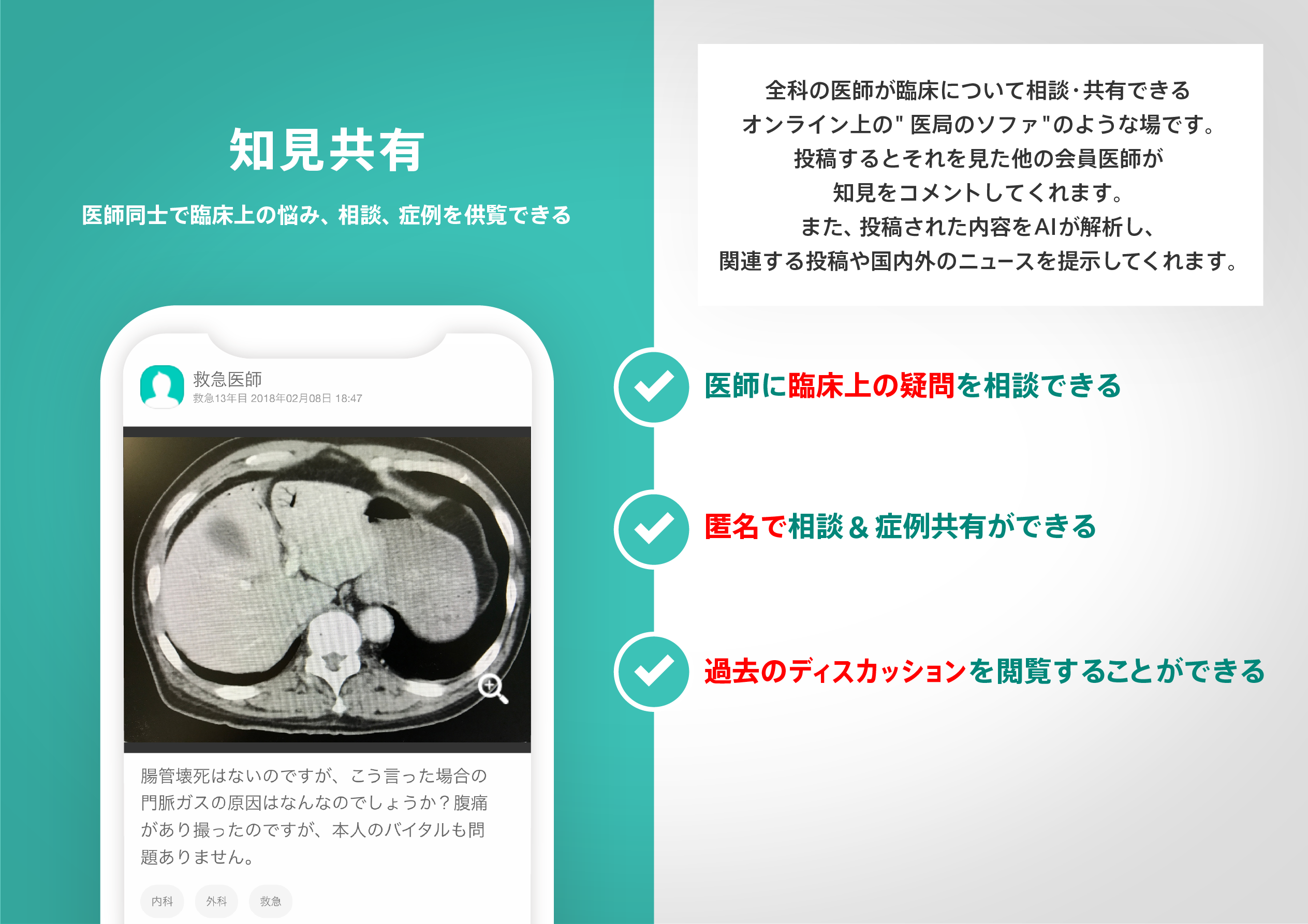
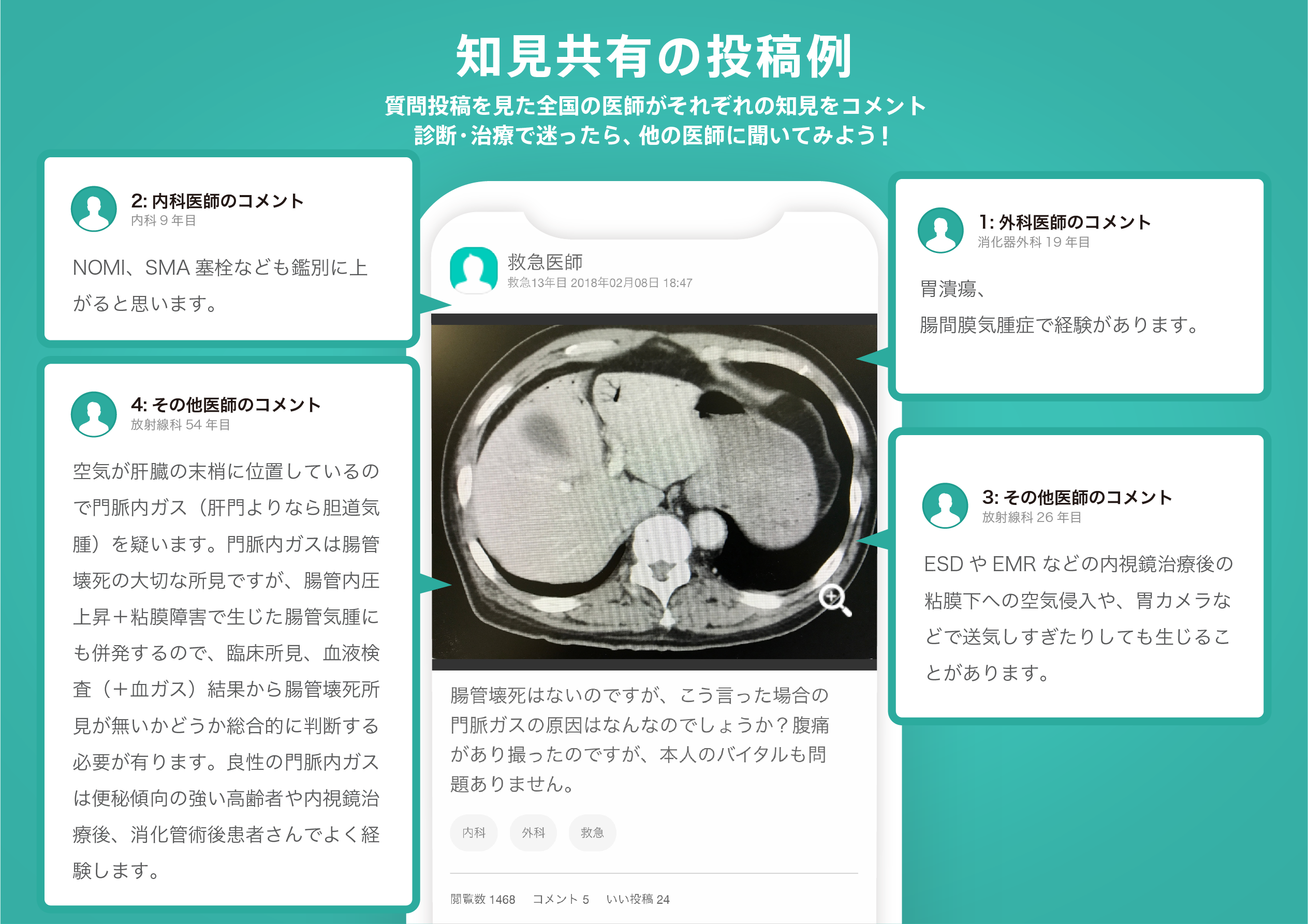
医師のための臨床サポートサービス
ヒポクラ x マイナビのご紹介
無料会員登録していただくと、さらに便利で効率的な検索が可能になります。