著名医師による解説が無料で読めます
すると翻訳の精度が向上します
背景:2つの海洋菌、Trichoderma sp。D-Galacturonic酸とペクチンで成長できるConiochaeta sp。は、ムコ酸生産のエンジニアの宿主として選択され、プラットフォーム化学物質の生産に対する海洋菌の適合性を評価しました。d-galacturonic酸からの粘液(ガラクタル)酸のバイオテクノロジー産生の経路は単純であり、ゲノム、最適に1つの欠失、1つの挿入の最小限の修飾が必要です。ペクチンの主要成分であるD-Galacturonic酸は、ペクチンが豊富な廃棄物が豊富であるため、生体変換の潜在的な基質です。 結果:Trichoderma sp。LF328およびConiochaeta sp。MF729は、CRISPR-CAS9を使用してD-Galacturonic酸を粘液酸に酸化し、細菌の尿酸デヒドロゲナーゼをコードする遺伝子を挿入する際にD-ガランシュロン酸異化の内因性経路を破壊しました。尿酸デヒドロゲナーゼは、両方の海洋株でfuc辱された合成発現システムの制御下で発現しました。海洋三位内膜形質転換体は、等モル量でD-ガランシュロン酸から25 g L-1粘液酸を生成しました。収量は1.0〜1.1 gムコ酸[G d-ガラクトロン酸を利用] -1でした。D-キシロースと乳糖は好ましい共層でした。エンジニアリングマリントリコデルマsp。これまでの文献に記載されている最高のTrichoderma reesei株(D-161646)よりも生産的であり、ムコ酸を生成するように設計されていました。海洋円錐形成剤を使用すると、D-グルコースが好ましい共層でしたが、最高収率は0.82 g-1でした。D-ガラクトロン酸の一部は依然として代謝されました。Coniochaeta sp。形質転換体は、ペクチンから粘液酸を生成するために適切なペクチナーゼを生成しましたが、Trichoderma sp。形質転換体はそうではありませんでした。 結論:両方の海洋種がCRISPR-CAS9を使用して成功裏に設計され、合成発現システムは両方の種で機能しました。Coniochaeta sp。形質転換体はペクチンから直接粘液酸を産生し、D-ガラクトロン酸の代謝は完全に破壊されず、粘液酸量は低かった。D-ガラクトゥロン経路は、海洋トリコデルマsp。の形質転換体で完全に破壊されました。これは、同様の条件下で成長した場合、以前に構築されたT. reeSei粘液酸産生株よりも多くの粘液酸を生成しました。これは、海洋菌類が生産生物として有用である可能性があることを実証しました。これは、天然の酵素や生物活性化合物だけでなく、他の化合物にも役立ちます。
背景:2つの海洋菌、Trichoderma sp。D-Galacturonic酸とペクチンで成長できるConiochaeta sp。は、ムコ酸生産のエンジニアの宿主として選択され、プラットフォーム化学物質の生産に対する海洋菌の適合性を評価しました。d-galacturonic酸からの粘液(ガラクタル)酸のバイオテクノロジー産生の経路は単純であり、ゲノム、最適に1つの欠失、1つの挿入の最小限の修飾が必要です。ペクチンの主要成分であるD-Galacturonic酸は、ペクチンが豊富な廃棄物が豊富であるため、生体変換の潜在的な基質です。 結果:Trichoderma sp。LF328およびConiochaeta sp。MF729は、CRISPR-CAS9を使用してD-Galacturonic酸を粘液酸に酸化し、細菌の尿酸デヒドロゲナーゼをコードする遺伝子を挿入する際にD-ガランシュロン酸異化の内因性経路を破壊しました。尿酸デヒドロゲナーゼは、両方の海洋株でfuc辱された合成発現システムの制御下で発現しました。海洋三位内膜形質転換体は、等モル量でD-ガランシュロン酸から25 g L-1粘液酸を生成しました。収量は1.0〜1.1 gムコ酸[G d-ガラクトロン酸を利用] -1でした。D-キシロースと乳糖は好ましい共層でした。エンジニアリングマリントリコデルマsp。これまでの文献に記載されている最高のTrichoderma reesei株(D-161646)よりも生産的であり、ムコ酸を生成するように設計されていました。海洋円錐形成剤を使用すると、D-グルコースが好ましい共層でしたが、最高収率は0.82 g-1でした。D-ガラクトロン酸の一部は依然として代謝されました。Coniochaeta sp。形質転換体は、ペクチンから粘液酸を生成するために適切なペクチナーゼを生成しましたが、Trichoderma sp。形質転換体はそうではありませんでした。 結論:両方の海洋種がCRISPR-CAS9を使用して成功裏に設計され、合成発現システムは両方の種で機能しました。Coniochaeta sp。形質転換体はペクチンから直接粘液酸を産生し、D-ガラクトロン酸の代謝は完全に破壊されず、粘液酸量は低かった。D-ガラクトゥロン経路は、海洋トリコデルマsp。の形質転換体で完全に破壊されました。これは、同様の条件下で成長した場合、以前に構築されたT. reeSei粘液酸産生株よりも多くの粘液酸を生成しました。これは、海洋菌類が生産生物として有用である可能性があることを実証しました。これは、天然の酵素や生物活性化合物だけでなく、他の化合物にも役立ちます。
BACKGROUND: Two marine fungi, a Trichoderma sp. and a Coniochaeta sp., which can grow on D-galacturonic acid and pectin, were selected as hosts to engineer for mucic acid production, assessing the suitability of marine fungi for production of platform chemicals. The pathway for biotechnologcial production of mucic (galactaric) acid from D-galacturonic acid is simple and requires minimal modification of the genome, optimally one deletion and one insertion. D-Galacturonic acid, the main component of pectin, is a potential substrate for bioconversion, since pectin-rich waste is abundant. RESULTS: Trichoderma sp. LF328 and Coniochaeta sp. MF729 were engineered using CRISPR-Cas9 to oxidize D-galacturonic acid to mucic acid, disrupting the endogenous pathway for D-galacturonic acid catabolism when inserting a gene encoding bacterial uronate dehydrogenase. The uronate dehydrogenase was expressed under control of a synthetic expression system, which fucntioned in both marine strains. The marine Trichoderma transformants produced 25 g L-1 mucic acid from D-galacturonic acid in equimolar amounts: the yield was 1.0 to 1.1 g mucic acid [g D-galacturonic acid utilized]-1. D-Xylose and lactose were the preferred co-substrates. The engineered marine Trichoderma sp. was more productive than the best Trichoderma reesei strain (D-161646) described in the literature to date, that had been engineered to produce mucic acid. With marine Coniochaeta transformants, D-glucose was the preferred co-substrate, but the highest yield was 0.82 g g-1: a portion of D-galacturonic acid was still metabolized. Coniochaeta sp. transformants produced adequate pectinases to produce mucic acid from pectin, but Trichoderma sp. transformants did not. CONCLUSIONS: Both marine species were successfully engineered using CRISPR-Cas9 and the synthetic expression system was functional in both species. Although Coniochaeta sp. transformants produced mucic acid directly from pectin, the metabolism of D-galacturonic acid was not completely disrupted and mucic acid amounts were low. The D-galacturonic pathway was completely disrupted in the transformants of the marine Trichoderma sp., which produced more mucic acid than a previously constructed T. reesei mucic acid producing strain, when grown under similar conditions. This demonstrated that marine fungi may be useful as production organisms, not only for native enzymes or bioactive compounds, but also for other compounds.
医師のための臨床サポートサービス
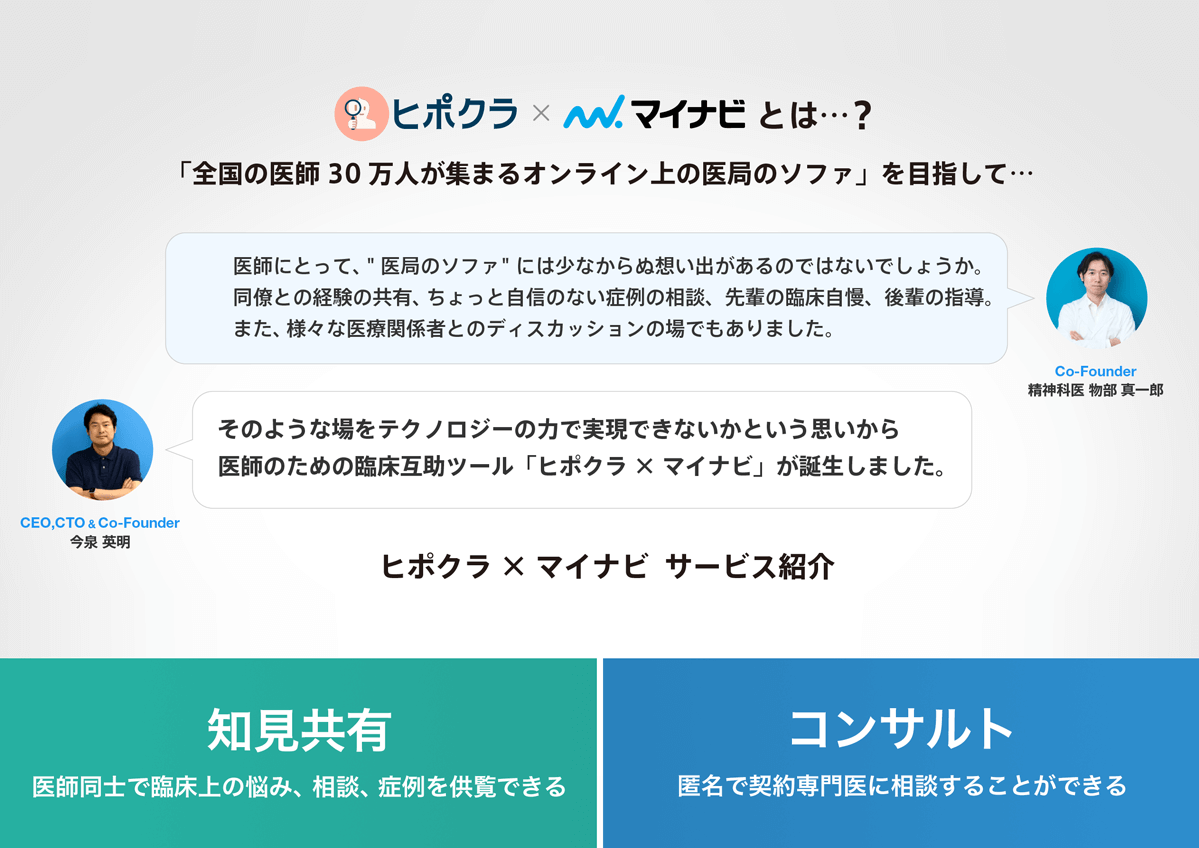
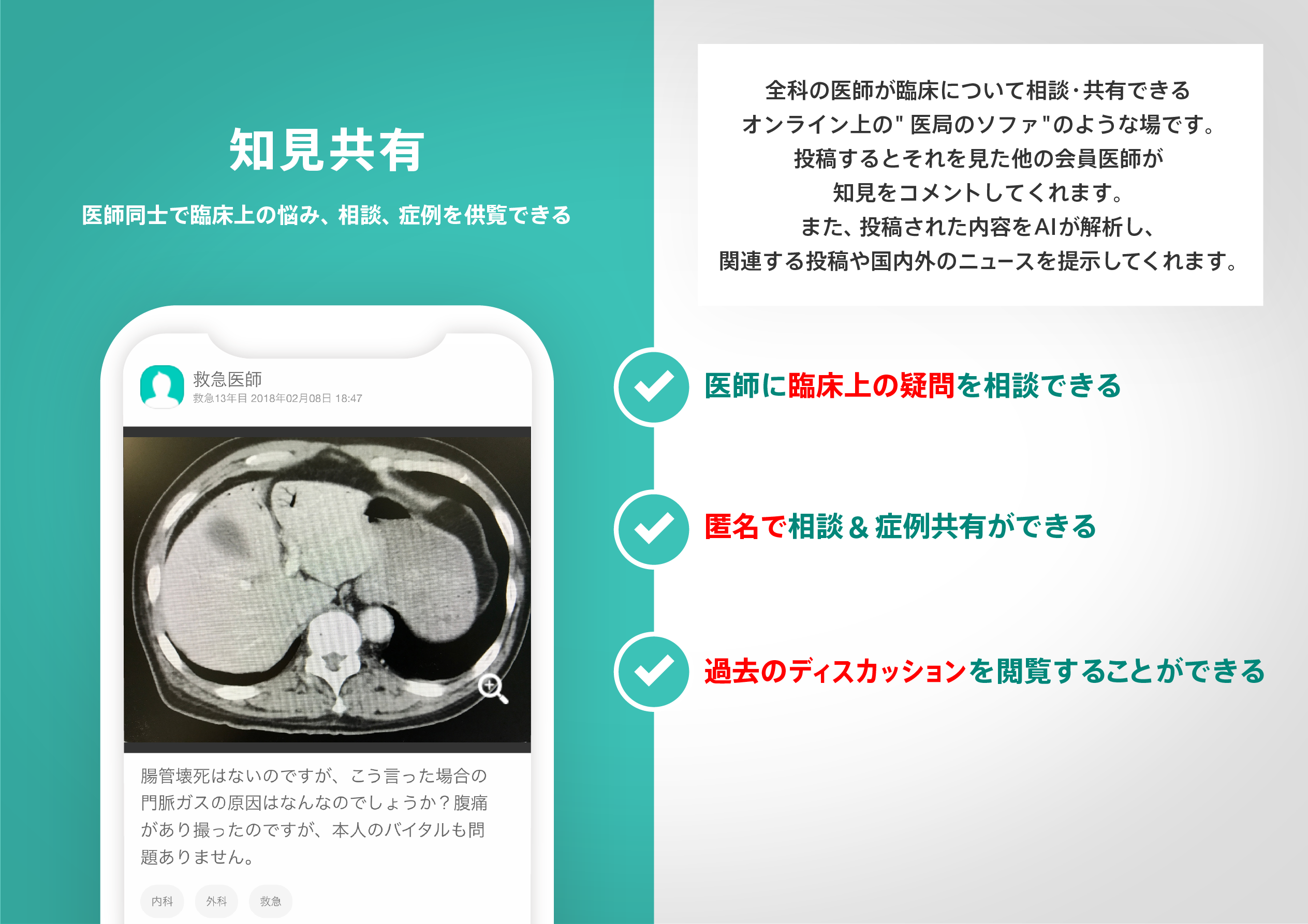
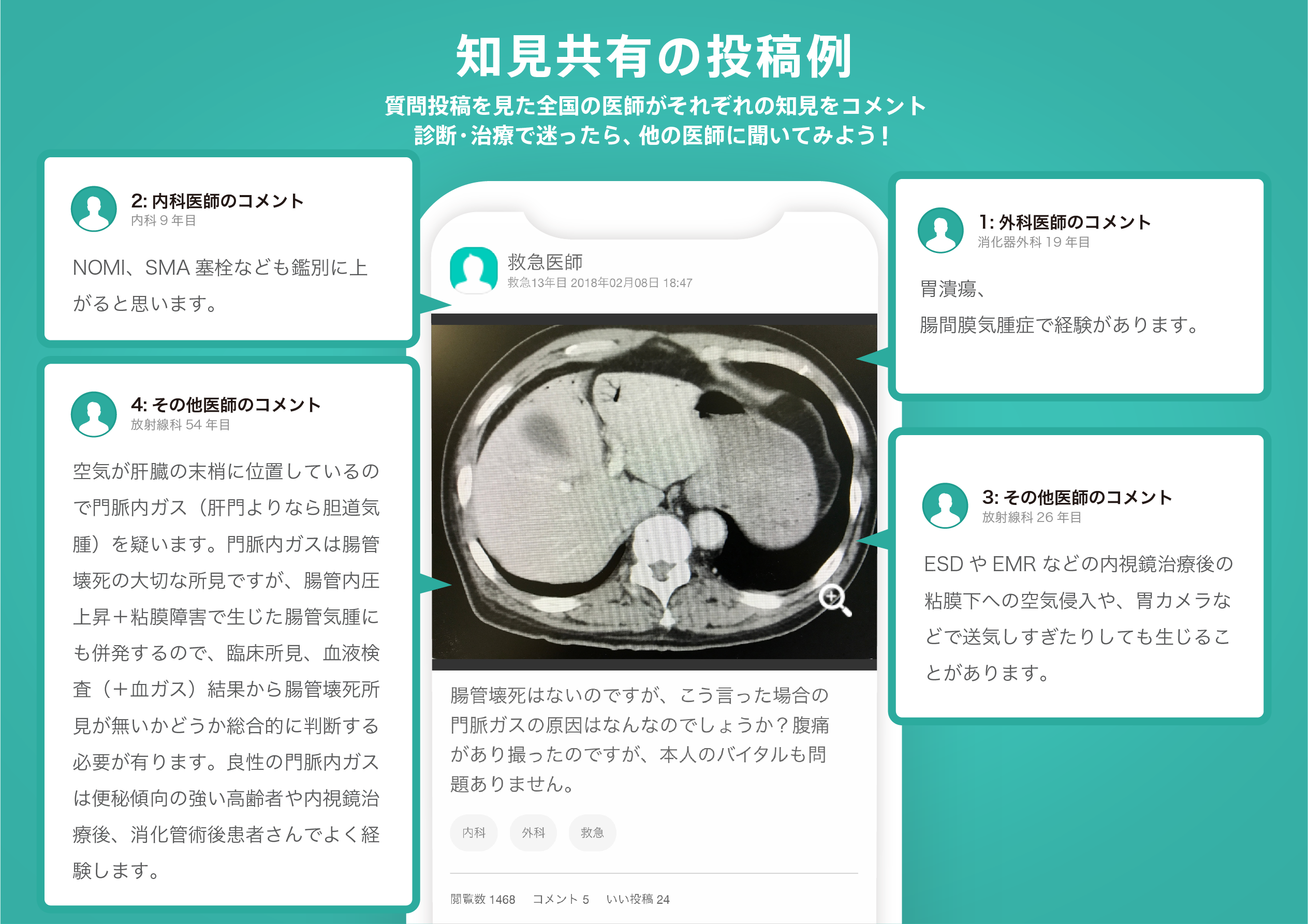
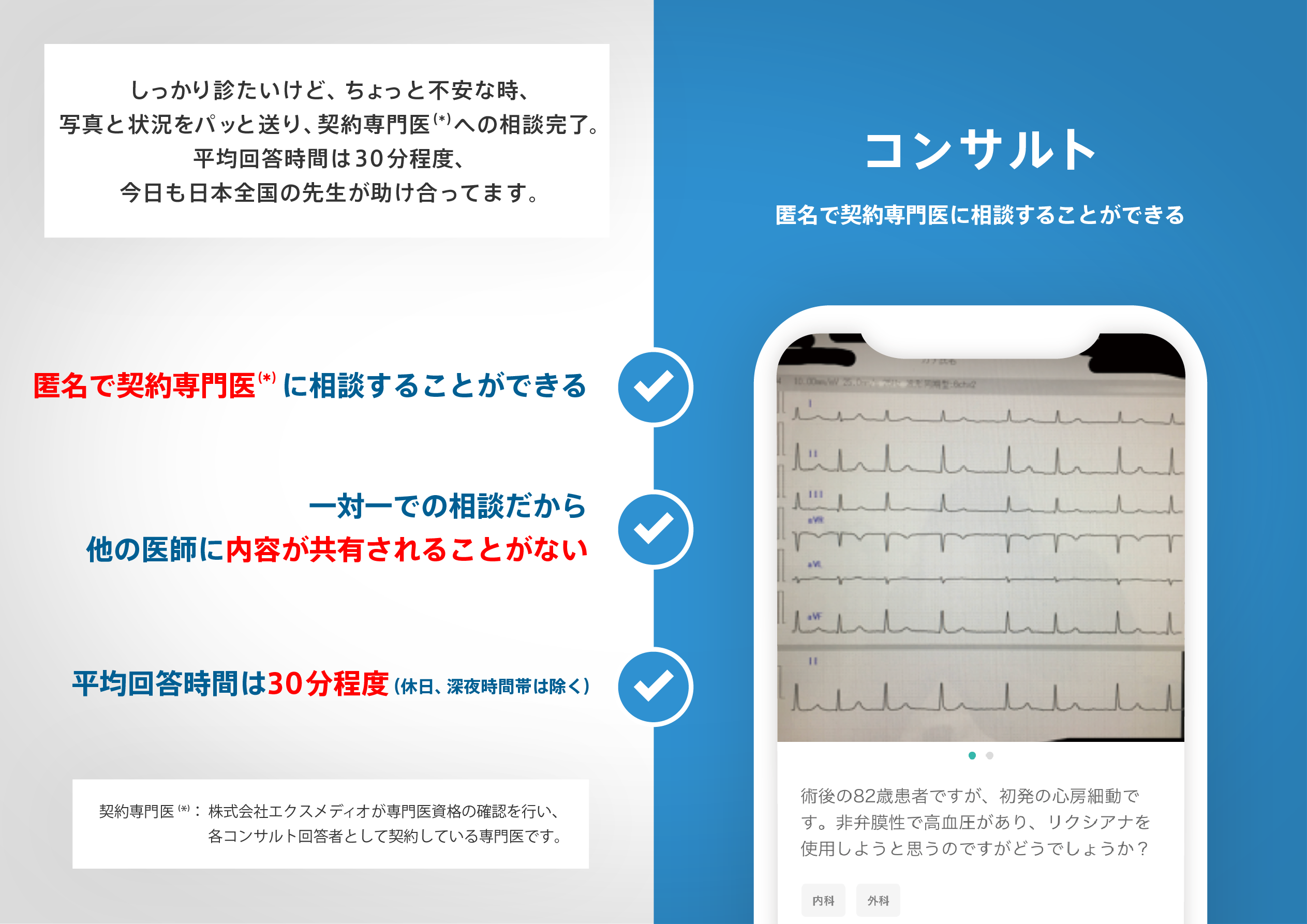
ヒポクラ x マイナビのご紹介

無料会員登録していただくと、さらに便利で効率的な検索が可能になります。