著名医師による解説が無料で読めます
すると翻訳の精度が向上します
目的:この論文は、異なるレベルのプレストローク機能依存性、その長期転帰、および5年死亡率の決定要因を持つ虚血脳卒中患者の臨床的特徴を調べることを目的としています。 材料と方法:人口統計、併存疾患、治療、および長期死亡率、および5899人のプレストローク依存性虚血性脳卒中患者の依存性レベルによって層別化され、148人のプレストーク非依存患者の同時コホートと比較して説明します。この研究は、スウェーデンの全国脳卒中登録簿であるRiksstrokeの2016年の調査データに基づいており、患者は3か月、12か月、3年または5年で追跡されました。死亡率予測分析のためにCOX回帰を使用し、損失から追跡調査までのバイアスを最小限に抑えるために複数の補完を実行しました。 結果:プレストロークの依存度が高まると、併存疾患の負担が高く、薬物処方が低く、予後はあまり好ましくありませんでした。3年で、死亡または劣化した割合は、それぞれ82.6%、87.5%、86.3%でした。中程度の依存では、予後は比較的好ましいものでした。3か月の死亡率は、重度の依存で見られるものの半分でした(25.3%対49.6%)。さまざまなプレストローク機能依存性レベルのグループ間の全体的な結果の違いは、すべてのフォローアップ時点で統計的に有意でした(p <.05)。 結論:異なるレベルのプレストローク依存性のグループの間には大きな不均一性がありました。中程度の依存性のものは、比較的好ましい予後がありました。異なる依存レベルの患者に個別に対処する必要があり、このグループを特徴付けるさらなる研究が必要であり、管理戦略を調査する必要があります。
目的:この論文は、異なるレベルのプレストローク機能依存性、その長期転帰、および5年死亡率の決定要因を持つ虚血脳卒中患者の臨床的特徴を調べることを目的としています。 材料と方法:人口統計、併存疾患、治療、および長期死亡率、および5899人のプレストローク依存性虚血性脳卒中患者の依存性レベルによって層別化され、148人のプレストーク非依存患者の同時コホートと比較して説明します。この研究は、スウェーデンの全国脳卒中登録簿であるRiksstrokeの2016年の調査データに基づいており、患者は3か月、12か月、3年または5年で追跡されました。死亡率予測分析のためにCOX回帰を使用し、損失から追跡調査までのバイアスを最小限に抑えるために複数の補完を実行しました。 結果:プレストロークの依存度が高まると、併存疾患の負担が高く、薬物処方が低く、予後はあまり好ましくありませんでした。3年で、死亡または劣化した割合は、それぞれ82.6%、87.5%、86.3%でした。中程度の依存では、予後は比較的好ましいものでした。3か月の死亡率は、重度の依存で見られるものの半分でした(25.3%対49.6%)。さまざまなプレストローク機能依存性レベルのグループ間の全体的な結果の違いは、すべてのフォローアップ時点で統計的に有意でした(p <.05)。 結論:異なるレベルのプレストローク依存性のグループの間には大きな不均一性がありました。中程度の依存性のものは、比較的好ましい予後がありました。異なる依存レベルの患者に個別に対処する必要があり、このグループを特徴付けるさらなる研究が必要であり、管理戦略を調査する必要があります。
OBJECTIVE: This paper aims at examining the clinical characteristics of ischemic stroke patients with different levels of prestroke functional dependency, their long-term outcome, and determinants of five-year mortality. MATERIALS AND METHODS: We describe demographics, comorbidity, treatment, as well as long-term mortality, and functional status of 5899 prestroke-dependent ischemic stroke patients stratified by dependency level and compared to a concurrent cohort of 14 148 prestroke-independent patients. The study was based on 2016 survey data from Riksstroke, the Swedish national stroke register, and patients were followed up at three months, 12 months, and either at three or five years. We used Cox regression for mortality predictor analysis and multiple imputation was performed to minimize bias from loss to follow-up. RESULTS: With increasing level of prestroke dependency, comorbidity burden was higher, drug prescription lower, and prognosis less favorable. At three years, the proportion that had died or deteriorated were 82.6%, 87.5%, and 86.3% in moderate, moderately severe, and severe dependency, respectively. In moderate dependency, prognosis was relatively favorable: Three-month mortality was half of that seen in severe dependency (25.3% versus 49.6%). Differences in overall outcome between groups of varying prestroke functional dependency level were statistically significant (P < .05) at all follow-up time points. CONCLUSIONS: There was great heterogeneity between groups of different level of prestroke dependency; those of moderate dependency had a relatively favorable prognosis. Patients of different prestroke level of dependency need to be addressed separately, and further research is needed characterizing this group and exploring management strategies.
医師のための臨床サポートサービス
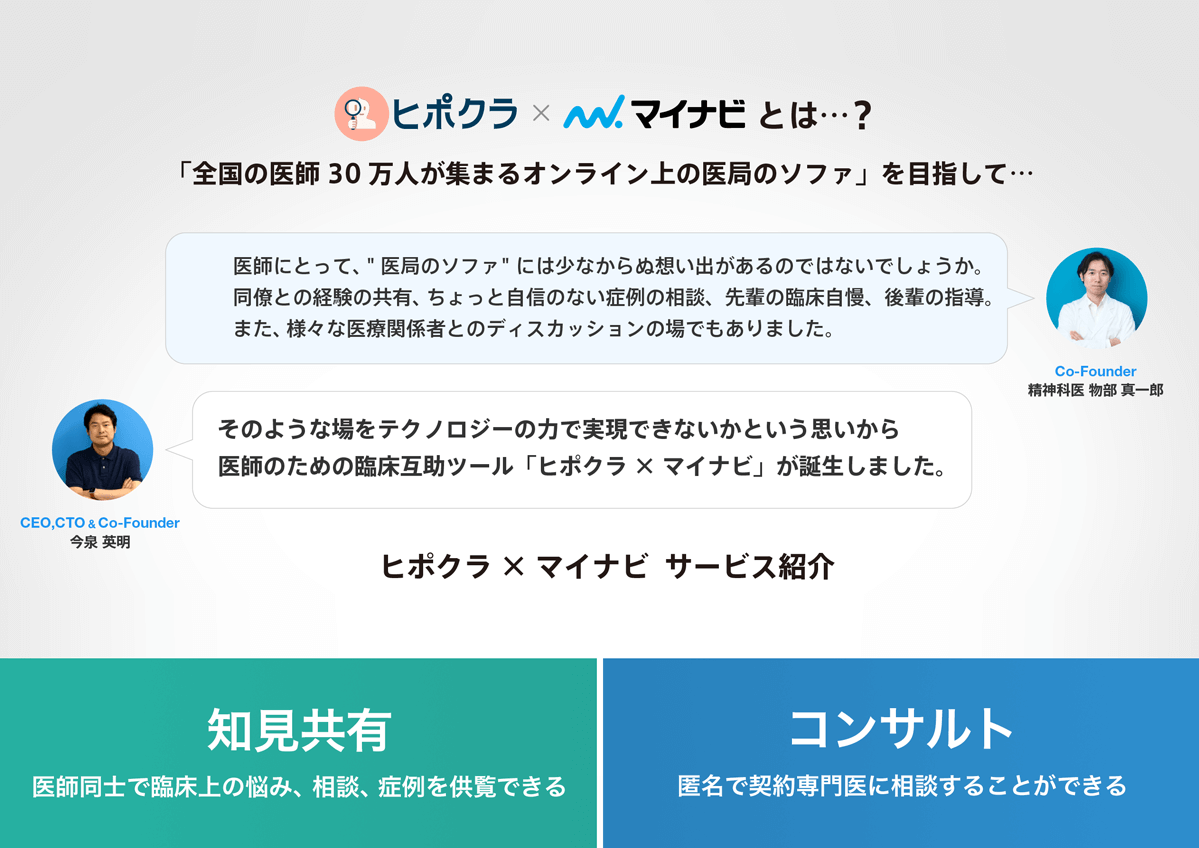
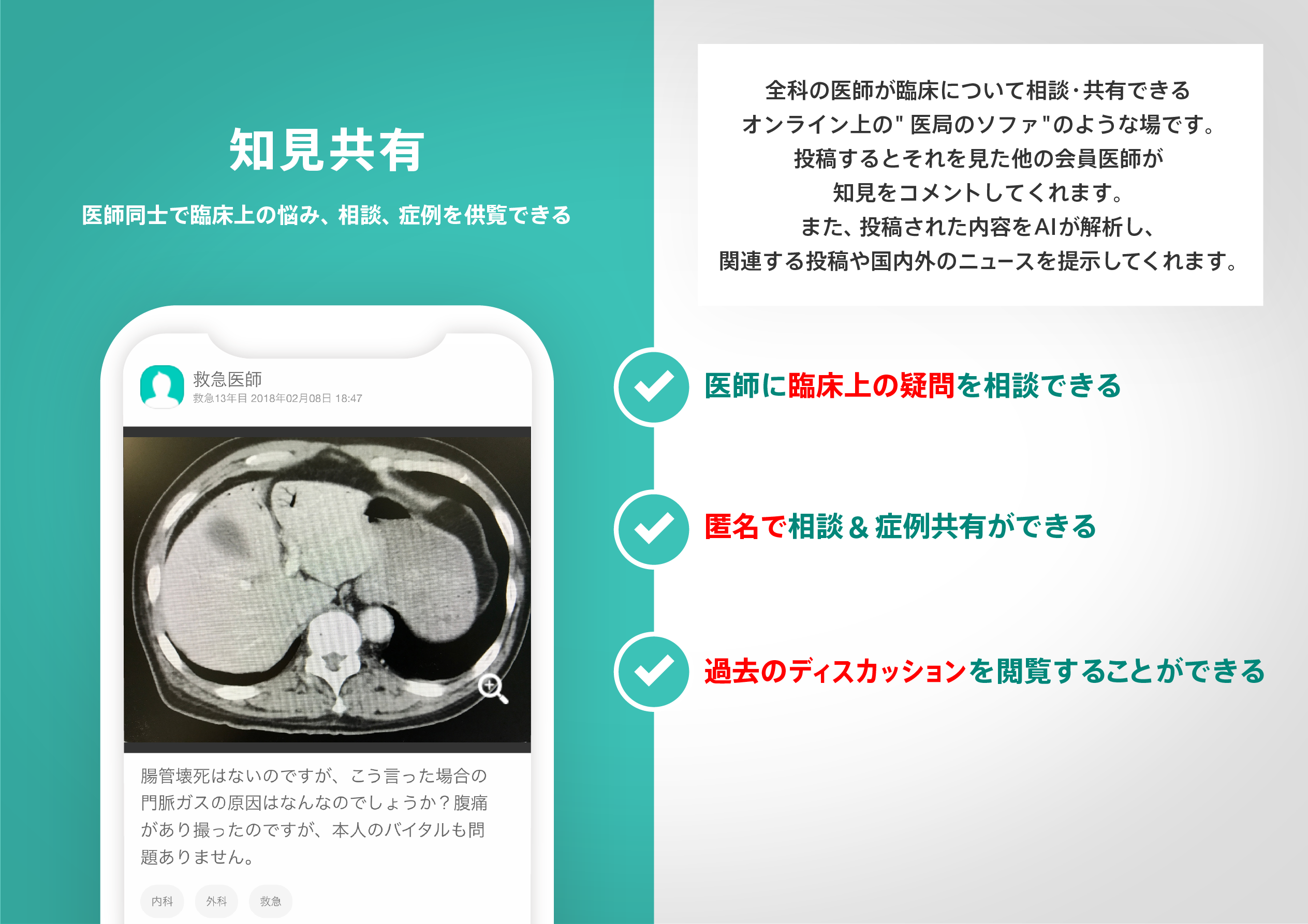
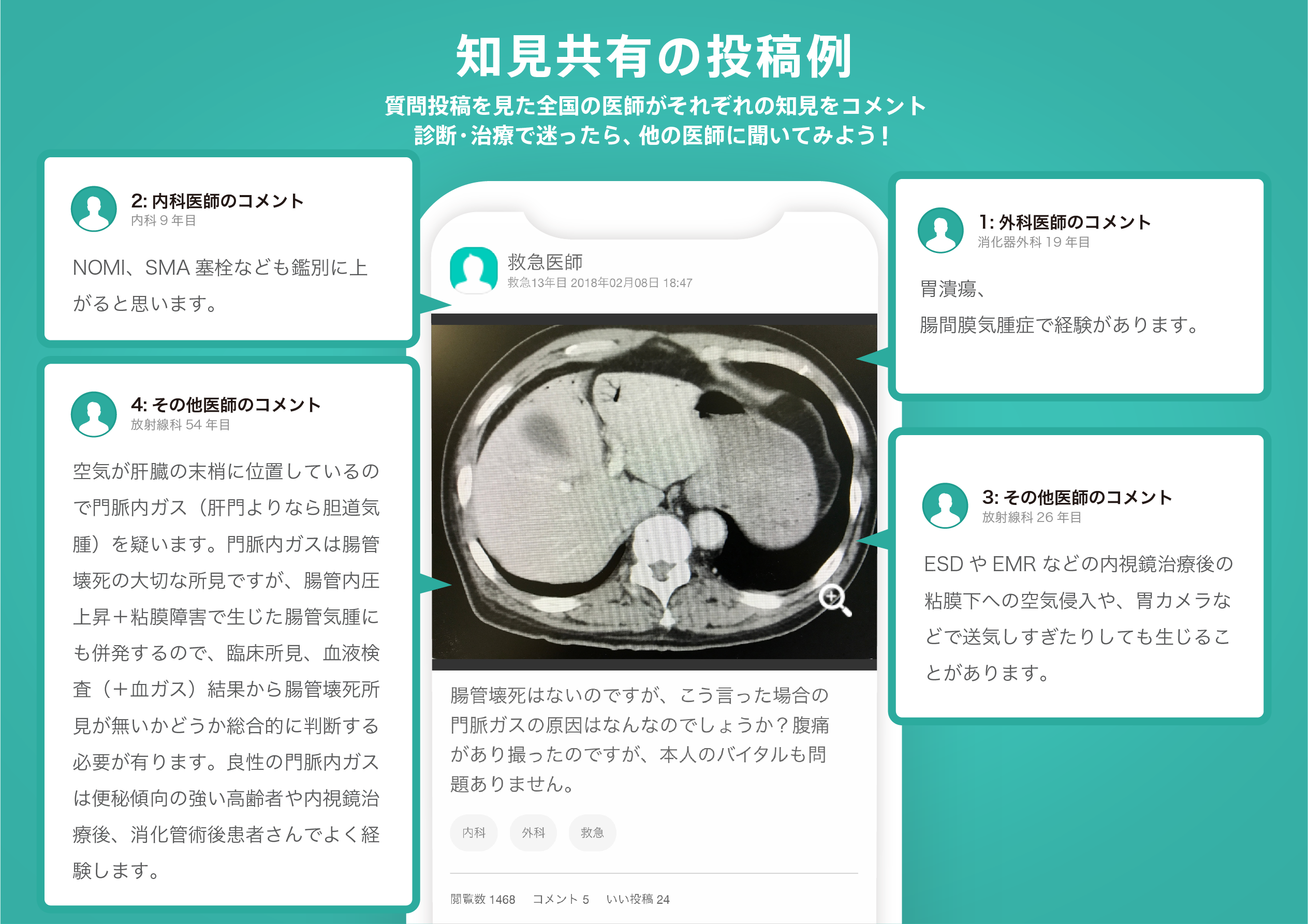
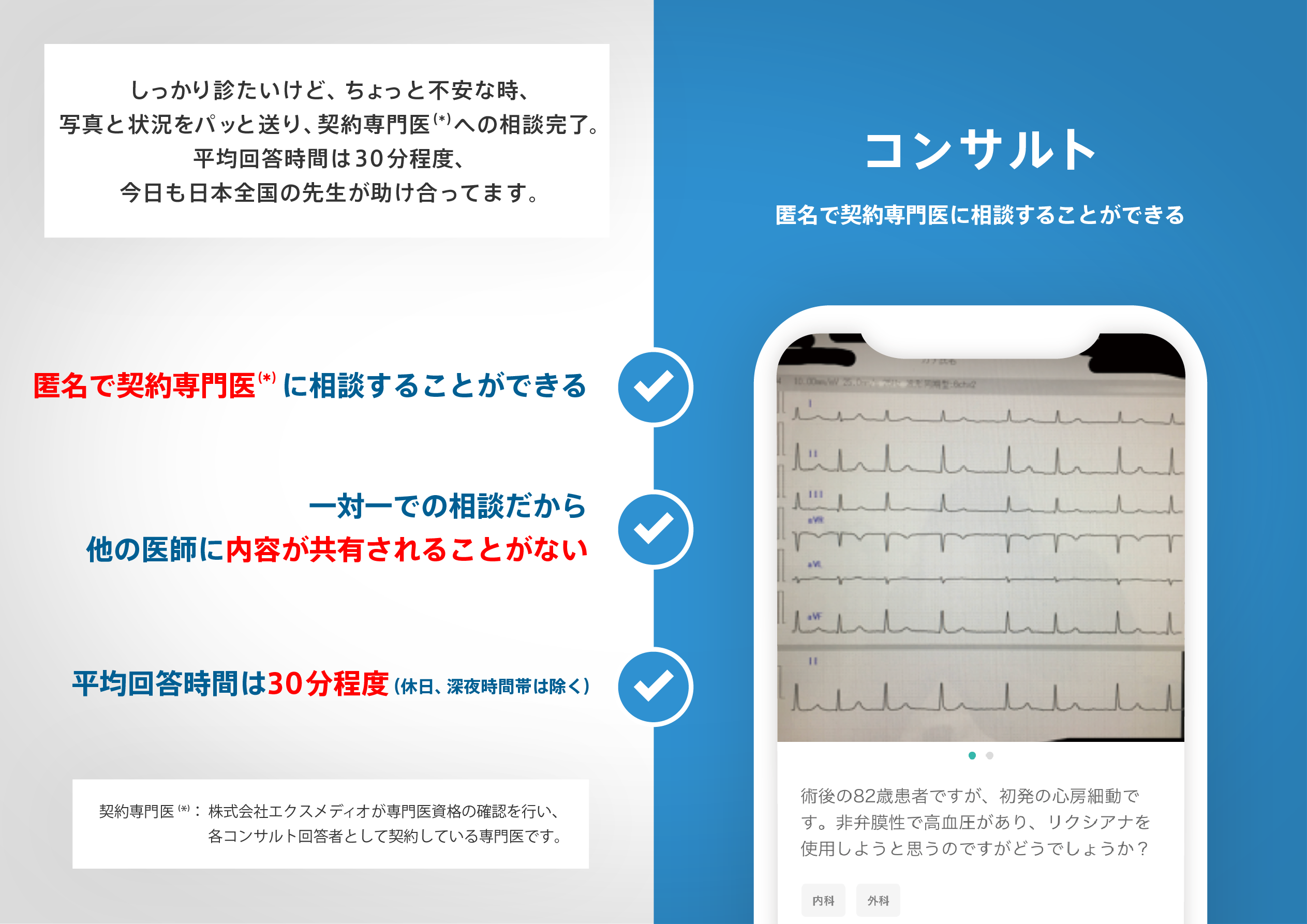
ヒポクラ x マイナビのご紹介

無料会員登録していただくと、さらに便利で効率的な検索が可能になります。