著名医師による解説が無料で読めます
すると翻訳の精度が向上します
はじめに:高血圧の適切な制御は世界的な課題であり、心血管疾患の危険因子を減らすための鍵です。この研究では、マレーシアのプライマリケアクリニックの高血圧患者の管理を評価します。 方法:高血圧と診断され、2016年11月1日から2019年6月30日までに少なくとも1回訪問した30歳以上の患者に対して、マレーシアの20の選択された公共ケアクリニックからの13の784の医療記録の横断分析が行われました。 結果:高血圧患者の約50%は肥満、65歳以上の年齢の38.4%、71.2%が少なくとも1つの併存疾患、約3分の1が降圧単剤療法を受けていました。糖尿病性タンパク尿症の高血圧患者の約3分の2は、降圧薬の適切な選択を処方されました。患者の約半数は、標的の少なくとも70%を投与され、42.8%がBPを適切に制御していました。共変量を調整した後、運動に関するカウンセリングを受けた患者は、適切なBPコントロールと正の関連がありました。逆に、2人以上の降圧薬で処方された患者は、良好なBPコントロールと負の関連がありました。 結論:これらの発見は、BP制御が最適ではなく、ガイドラインと実際の臨床慣行のギャップが発生し、ケアの過程で不足していることを示しています。これは、高血圧管理の質を向上させ、最終的には結果を改善するための現在の戦略とアプローチの再評価を保証します。
はじめに:高血圧の適切な制御は世界的な課題であり、心血管疾患の危険因子を減らすための鍵です。この研究では、マレーシアのプライマリケアクリニックの高血圧患者の管理を評価します。 方法:高血圧と診断され、2016年11月1日から2019年6月30日までに少なくとも1回訪問した30歳以上の患者に対して、マレーシアの20の選択された公共ケアクリニックからの13の784の医療記録の横断分析が行われました。 結果:高血圧患者の約50%は肥満、65歳以上の年齢の38.4%、71.2%が少なくとも1つの併存疾患、約3分の1が降圧単剤療法を受けていました。糖尿病性タンパク尿症の高血圧患者の約3分の2は、降圧薬の適切な選択を処方されました。患者の約半数は、標的の少なくとも70%を投与され、42.8%がBPを適切に制御していました。共変量を調整した後、運動に関するカウンセリングを受けた患者は、適切なBPコントロールと正の関連がありました。逆に、2人以上の降圧薬で処方された患者は、良好なBPコントロールと負の関連がありました。 結論:これらの発見は、BP制御が最適ではなく、ガイドラインと実際の臨床慣行のギャップが発生し、ケアの過程で不足していることを示しています。これは、高血圧管理の質を向上させ、最終的には結果を改善するための現在の戦略とアプローチの再評価を保証します。
INTRODUCTION: Adequate control of hypertension is a global challenge and is the key to reduce cardiovascular disease risk factors. This study evaluates management of hypertensive patients in primary care clinics in Malaysia. METHODS: A cross-sectional analysis of 13 784 medical records from 20 selected public primary care clinics in Malaysia was performed for patients aged ≥30 years old who were diagnosed with hypertension and had at least one visit between 1st November 2016 and 30th June 2019. Multivariable logistic regression adjusted for complex survey design was used to determine the association between process of care and blood pressure (BP) control among the hypertensive patients. RESULTS: Approximately 50% of hypertensive patients were obese, 38.4% of age ≥65 years old, 71.2% had at least one comorbidity and approximately one-third were on antihypertensive monotherapy. Approximately two-third of the hypertensive patients with diabetic proteinuria were prescribed with the appropriate choice of antihypertensive agents. Approximately half of the patients received at least 70% of the target indicated care and 42.8% had adequately controlled BP. After adjusting for covariates, patients who received counseling on exercise were positively associated with adequate BP control. Conversely, patients who were prescribed with two or more antihypertensive agents were negatively associated with good BP control. CONCLUSIONS: These findings indicated that BP control was suboptimal and deficient in the process of care with consequent gaps in guidelines and actual clinical practices. This warrants a re-evaluation of the current strategies and approaches to improve the quality of hypertension management and ultimately to improve outcome.
医師のための臨床サポートサービス
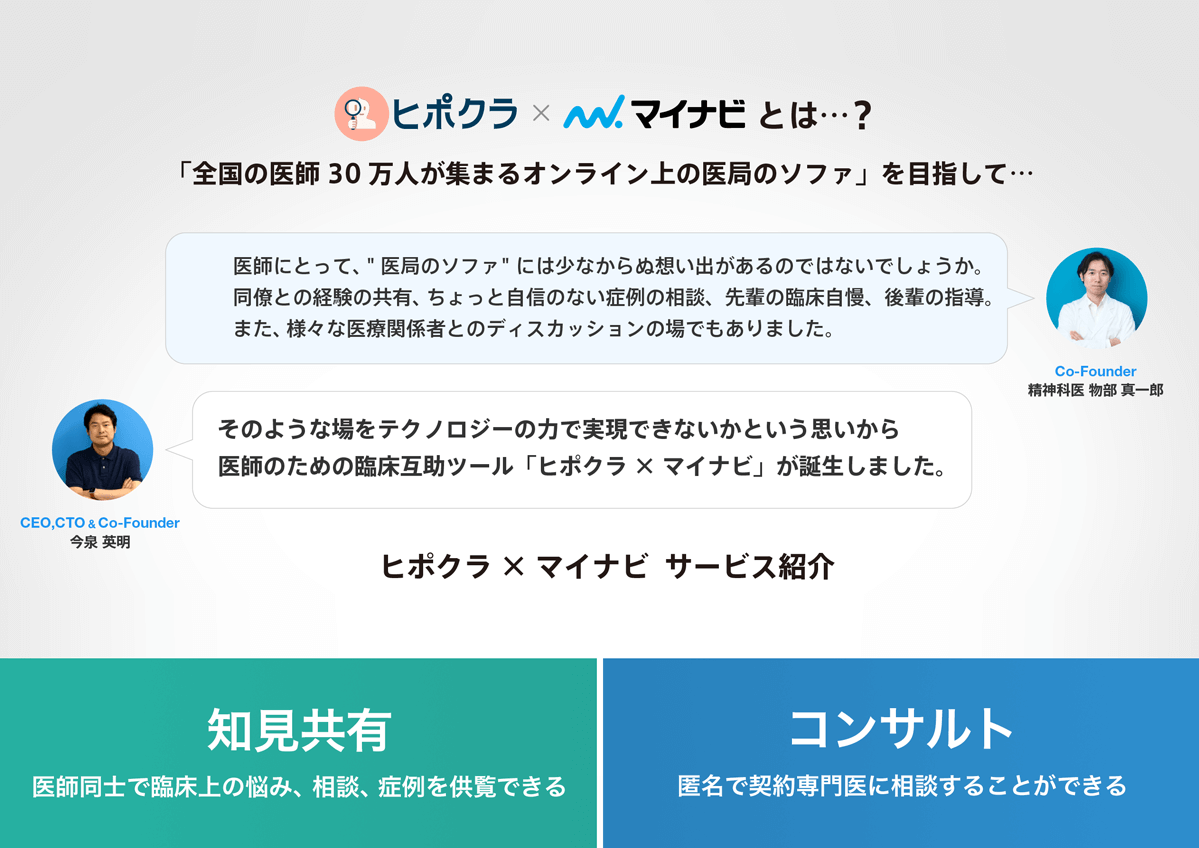
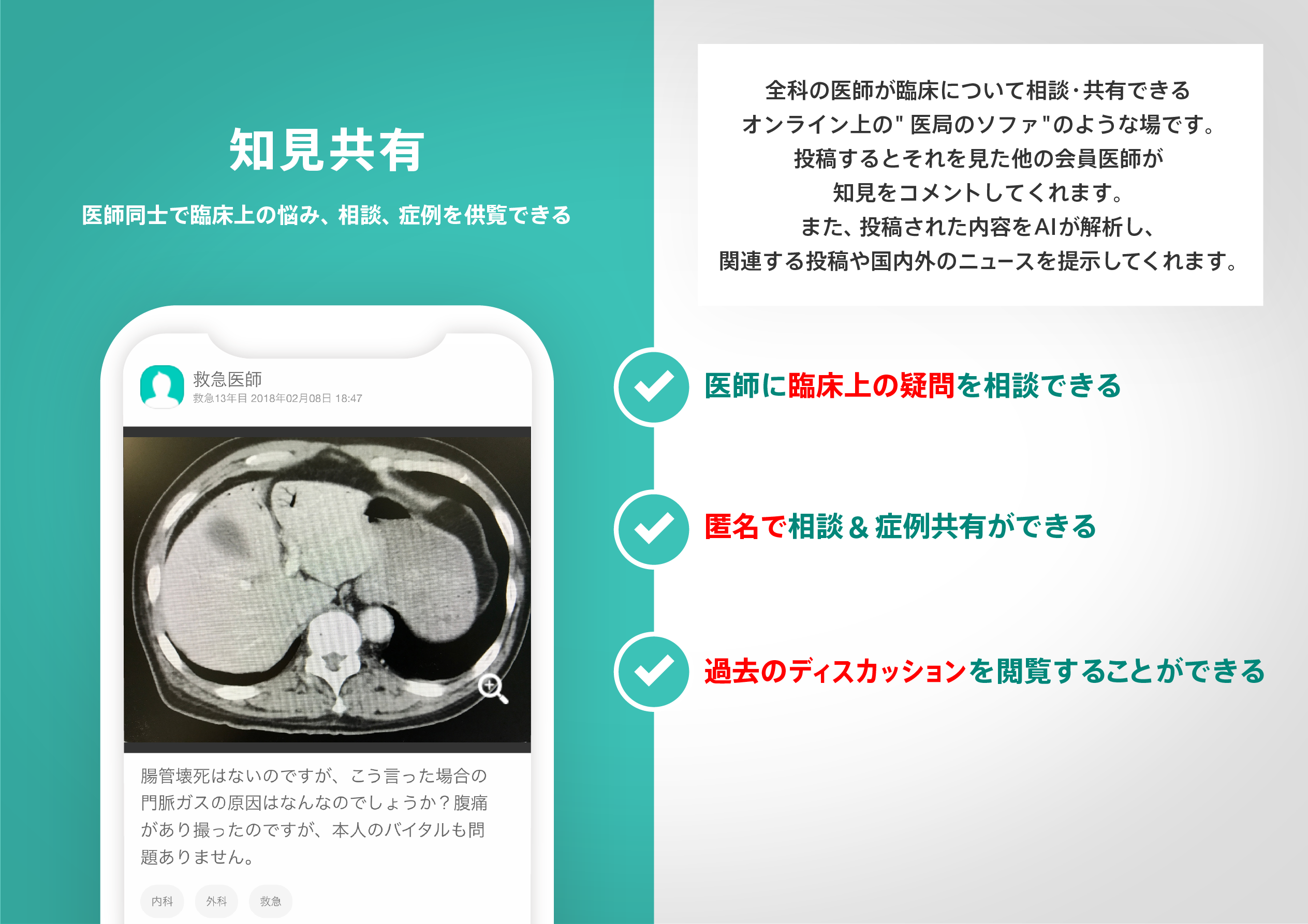
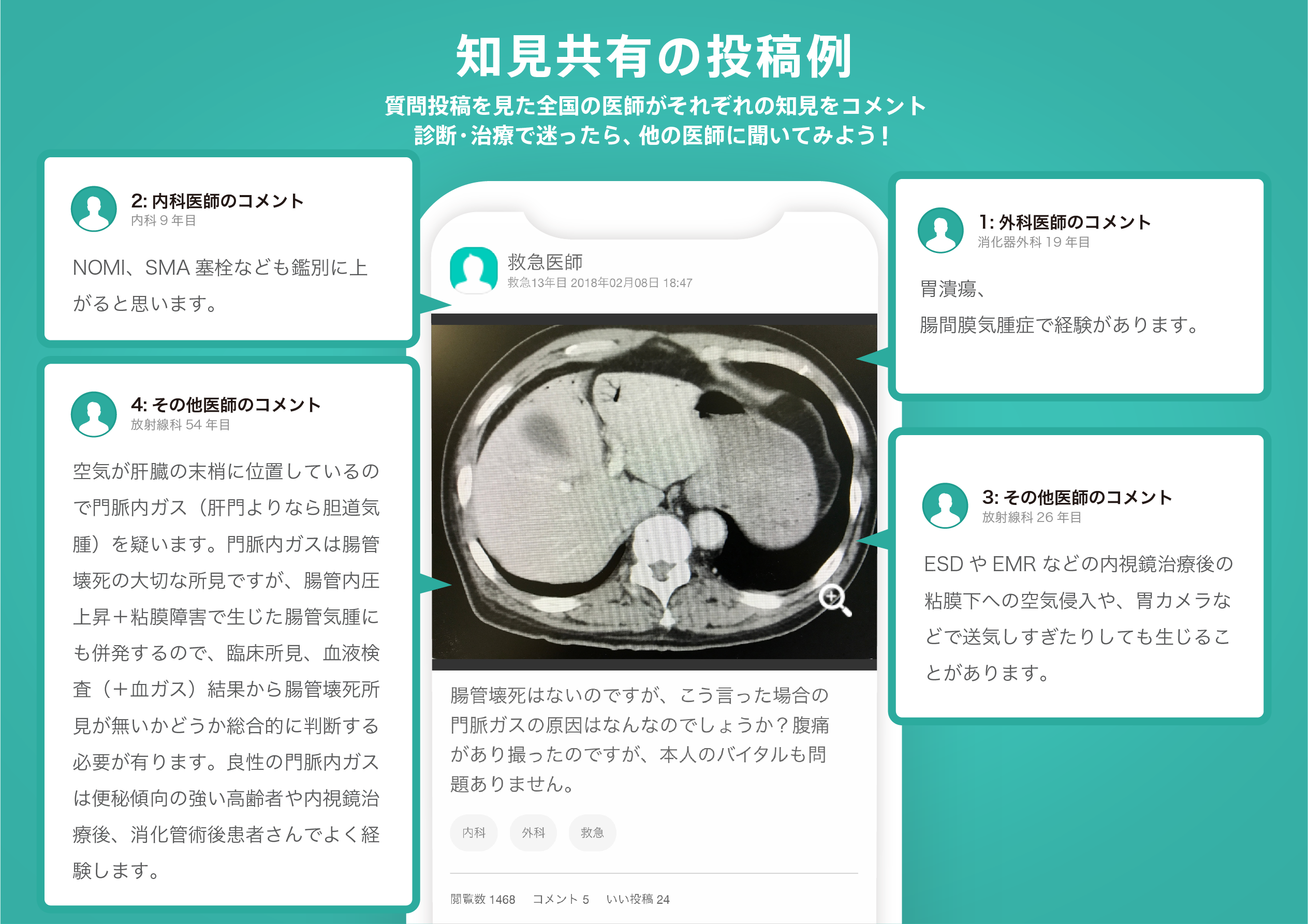
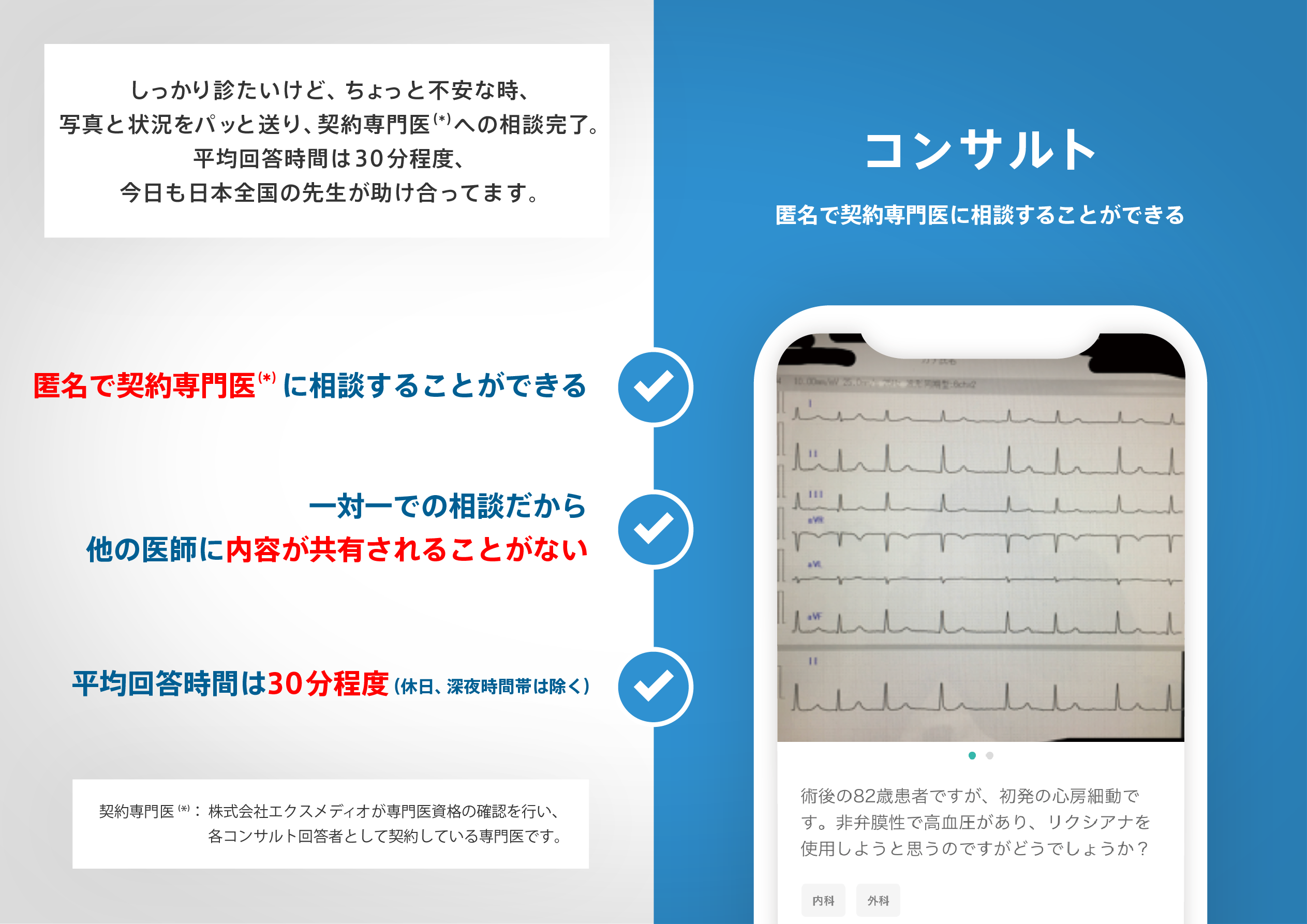
ヒポクラ x マイナビのご紹介

無料会員登録していただくと、さらに便利で効率的な検索が可能になります。