著名医師による解説が無料で読めます
すると翻訳の精度が向上します
プラスチック汚染は、世界中の沿岸および海洋生態系における深刻な人為的問題として認識されています。人為的発生源によるそれぞれの水生生態系への成長したプラスチック汚染物質の前例のない継続的な蓄積は、生態系構造、機能、およびその結果、サービスと価値に対する直接的および/または間接的な中断を引き起こします。陸上および海ベースのソースは、海に入るさまざまなモードのこれらの汚染物質の主要な供給源です。このレビューペーパーでは、沿岸および海洋環境でのプラスチック汚染に関連するさまざまな側面の強調に焦点を当てました。プラスチック汚染物質は、さまざまな形の生態系に分布しており、巨大な、大騒ぎ、メソプラスティック、マイクロプラスチックなどのサイズの変動が異なります。原発性および二次形態のマイクロプラスチックは、海洋および沿岸の生息地の水、堆積物、および生物相の広範な分布を明らかにしています。さまざまな沿岸および海洋生態系のマイクロプラスチックレベルは、世界のさまざまな水生環境での堆積物中の0.001-140粒子/m3および0.2-8766粒子/m3からほぼ範囲でした。沿岸および海洋生物のマイクロプラスチック蓄積率は、0.1〜15,033カウントで変化しました。したがって、プラスチック汚染は、生態学的および社会経済的効果と組み合わせたいくつかの種類の否定的な結果を生み出します。エンタングルメント、プラスチックの摂取による毒物学的効果、窒息、飢star、分散、生物のra、新しい生息地の提供、および侵襲的種の導入は、生物多様性と栄養関係に対する脅威の増大とともに重要な生態学的効果です。劣化(生態系の変化)と海洋システムの修正は、生態系サービスと価値の損失に関連しています。その結果、この新たな汚染物質は、観光、漁業、輸送、および人間の健康に悪影響を与えることにより、社会経済的側面に影響を与えます。プラスチック汚染物質の蓄積源の防止、3R(リサイクルリューズの削減)、認識と能力の構築、および生産者/製造業者の責任は、プラスチック汚染の問題に対処するための実用的なアプローチです。グローバル、地域、および国家レベルの既存および採用された政策、法律、規制、およびイニシアチブは、海洋および沿岸地帯のプラスチックの破片を減らす上で重要な役割を果たします。主要な研究ギャップに関する提案/ソリューションの開発は、効果的な科学的な方法でこの環境問題に対処するための新しい経路を開くことができます。結論として、このペーパーでは、海洋生態系におけるプラスチック汚染の現在の状態を示して、近い将来、プラスチックのない健康的な青い海を人々に認識させます。
プラスチック汚染は、世界中の沿岸および海洋生態系における深刻な人為的問題として認識されています。人為的発生源によるそれぞれの水生生態系への成長したプラスチック汚染物質の前例のない継続的な蓄積は、生態系構造、機能、およびその結果、サービスと価値に対する直接的および/または間接的な中断を引き起こします。陸上および海ベースのソースは、海に入るさまざまなモードのこれらの汚染物質の主要な供給源です。このレビューペーパーでは、沿岸および海洋環境でのプラスチック汚染に関連するさまざまな側面の強調に焦点を当てました。プラスチック汚染物質は、さまざまな形の生態系に分布しており、巨大な、大騒ぎ、メソプラスティック、マイクロプラスチックなどのサイズの変動が異なります。原発性および二次形態のマイクロプラスチックは、海洋および沿岸の生息地の水、堆積物、および生物相の広範な分布を明らかにしています。さまざまな沿岸および海洋生態系のマイクロプラスチックレベルは、世界のさまざまな水生環境での堆積物中の0.001-140粒子/m3および0.2-8766粒子/m3からほぼ範囲でした。沿岸および海洋生物のマイクロプラスチック蓄積率は、0.1〜15,033カウントで変化しました。したがって、プラスチック汚染は、生態学的および社会経済的効果と組み合わせたいくつかの種類の否定的な結果を生み出します。エンタングルメント、プラスチックの摂取による毒物学的効果、窒息、飢star、分散、生物のra、新しい生息地の提供、および侵襲的種の導入は、生物多様性と栄養関係に対する脅威の増大とともに重要な生態学的効果です。劣化(生態系の変化)と海洋システムの修正は、生態系サービスと価値の損失に関連しています。その結果、この新たな汚染物質は、観光、漁業、輸送、および人間の健康に悪影響を与えることにより、社会経済的側面に影響を与えます。プラスチック汚染物質の蓄積源の防止、3R(リサイクルリューズの削減)、認識と能力の構築、および生産者/製造業者の責任は、プラスチック汚染の問題に対処するための実用的なアプローチです。グローバル、地域、および国家レベルの既存および採用された政策、法律、規制、およびイニシアチブは、海洋および沿岸地帯のプラスチックの破片を減らす上で重要な役割を果たします。主要な研究ギャップに関する提案/ソリューションの開発は、効果的な科学的な方法でこの環境問題に対処するための新しい経路を開くことができます。結論として、このペーパーでは、海洋生態系におけるプラスチック汚染の現在の状態を示して、近い将来、プラスチックのない健康的な青い海を人々に認識させます。
Plastic pollution is recognized as a severe anthropogenic issue in the coastal and marine ecosystems across the world. Unprecedented and continuous accumulation of growing plastic contaminants into any respective aquatic ecosystem by the anthropogenic sources causes direct and/or indirect interruption to ecosystem structure, functions, and consequently, services and values. Land-based and sea-based sources are the primary sources of these contaminants in various modes that enter the ocean. In this review paper, we focused on highlighting different aspects related to plastic pollution in coastal and marine environments. Plastic pollutants are distributed in the ecosystems in different forms, with different size variations as megaplastic, macroplastic, mesoplastic, and microplastic. Microplastics in primary and secondary forms reveal a widespread distribution in the water, sediment, and biota of the marine and coastal habitats. The microplastic level of different coastal and marine ecosystems nearly ranged from 0.001-140 particles/m3 in water and 0.2-8766 particles/m3 in sediments at different aquatic environments over the world. The microplastic accumulation rate of coastal and marine organisms varied at 0.1-15,033 counts. Accordingly, plastic pollution creates several kinds of negative consequences combined with ecological and socio-economic effects. Entanglement, toxicological effects via ingestion of plastics, suffocation, starvation, dispersal, and rafting of organisms, provision of new habitats, and introduction of invasive species are significant ecological effects with growing threats to biodiversity and trophic relationships. Degradation (changes in the ecosystem state) and modifications of marine systems are associated with loss of ecosystem services and values. Consequently, this emerging contaminant affects the socio-economic aspects through negative impacts on tourism, fishery, shipping, and human health. Preventing accumulation sources of plastic pollutants, 3Rs (Reduce-Recycle-Reuse), awareness & capacity building, and producer/manufacturer responsibility are practical approaches toward addressing the issue of plastic pollution. Existing and adopted policies, legislations, regulations, and initiatives at global, regional, and national level play a vital role in reducing plastic debris in the marine and coastal zones. Development of proposals/solutions on key research gaps can open a novel pathway to address this environmental issue in an effective scientific manner. In conclusion, this paper demonstrates the current status of plastic pollution in the marine ecosystem to make aware people of a plastic-free, healthy blue ocean in the near future.
医師のための臨床サポートサービス
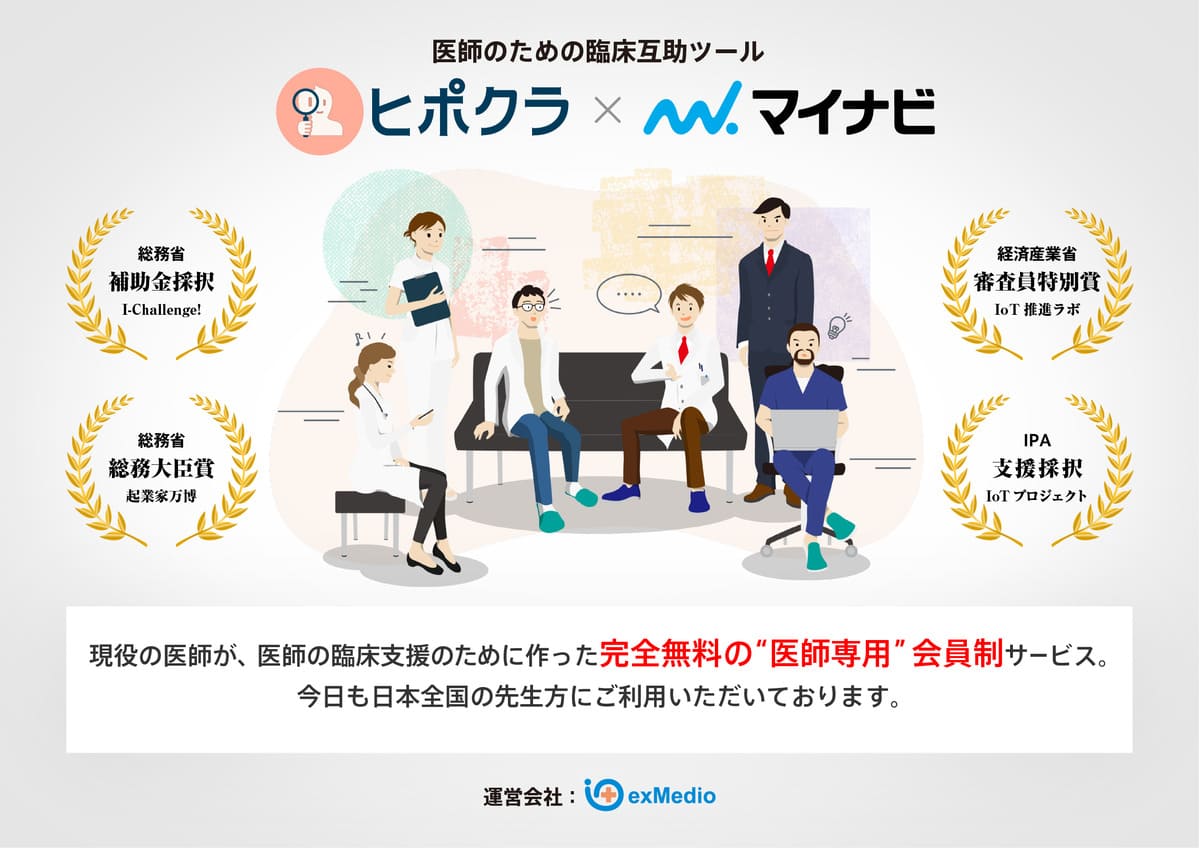
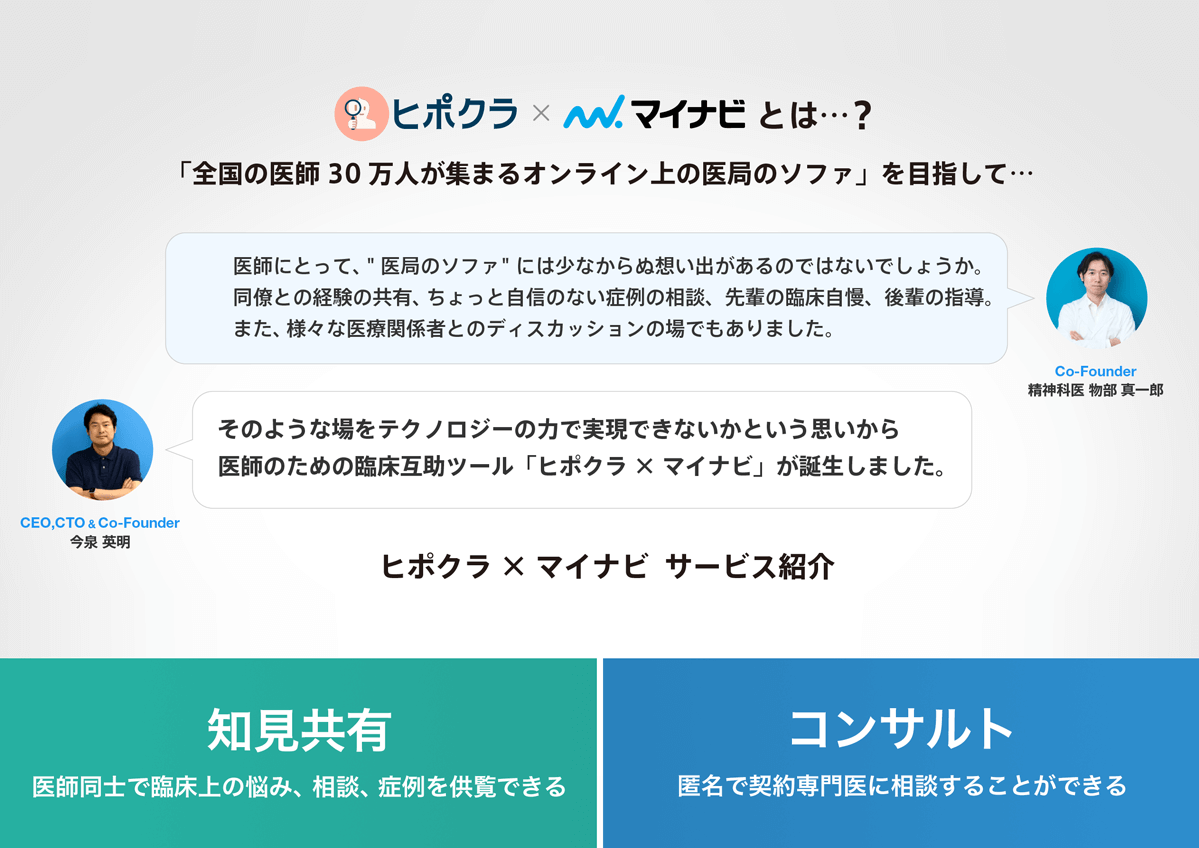
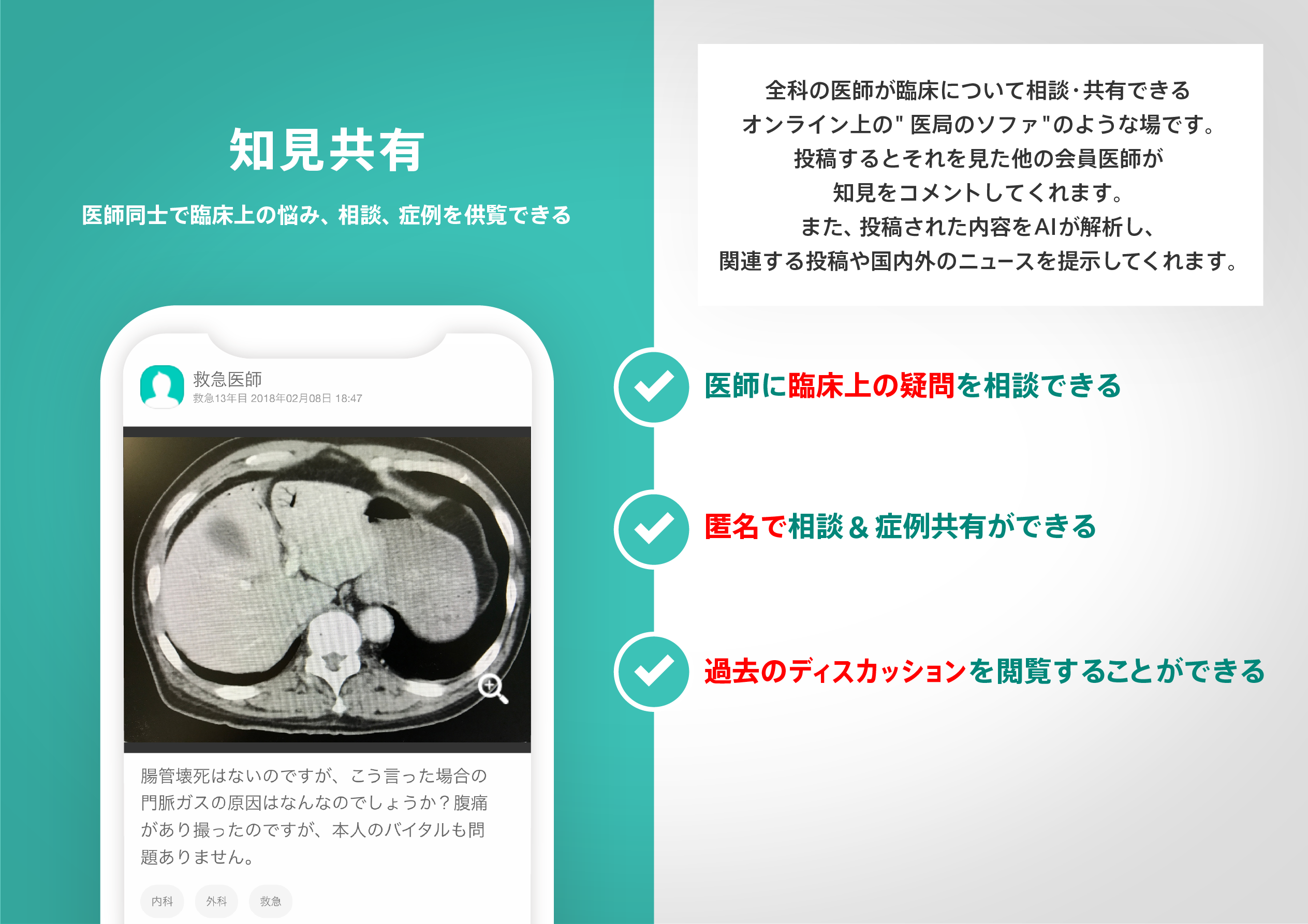
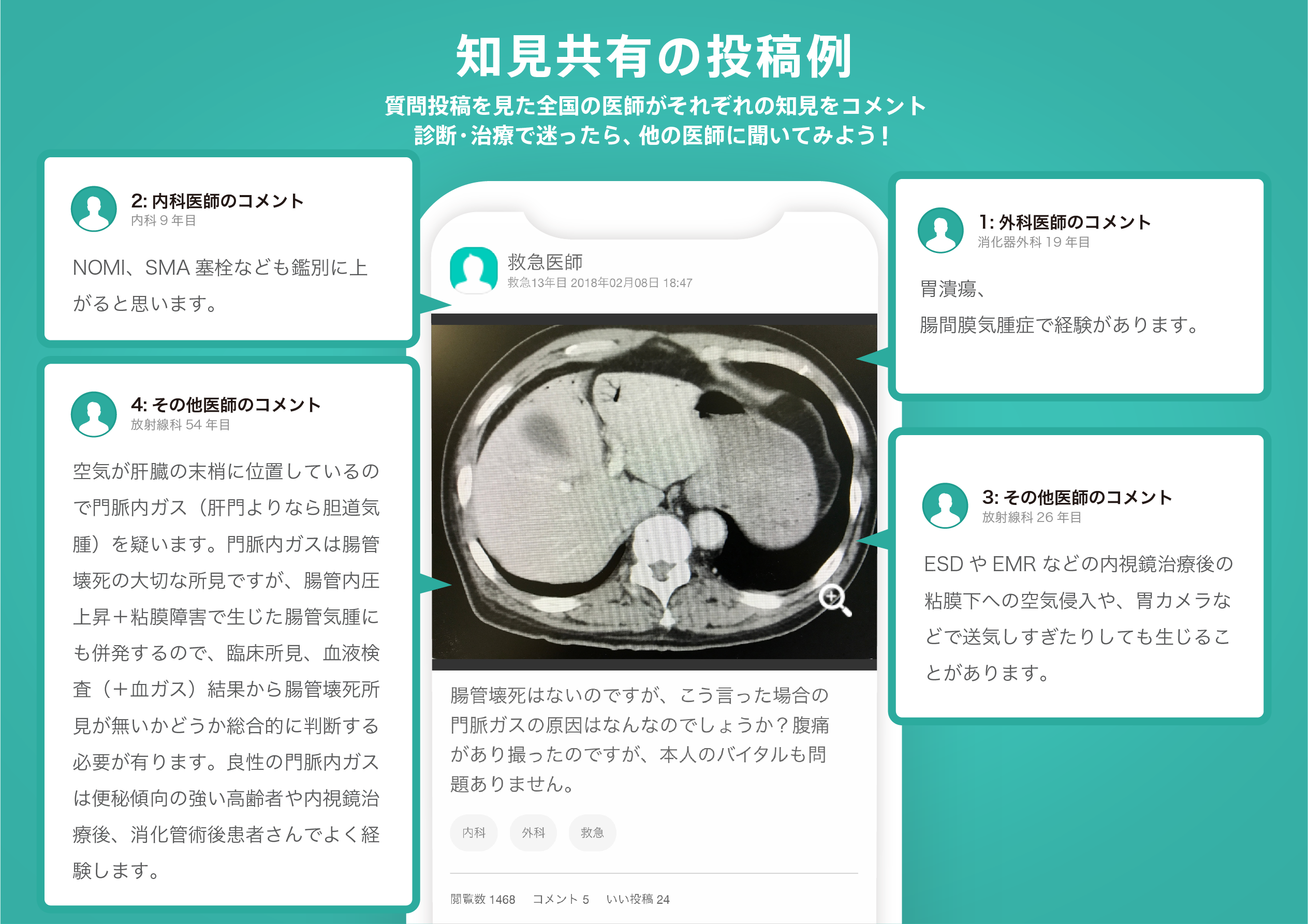
ヒポクラ x マイナビのご紹介
無料会員登録していただくと、さらに便利で効率的な検索が可能になります。