著名医師による解説が無料で読めます
すると翻訳の精度が向上します
Tango2疾患は、代謝危機、脳症、心臓の不整脈、甲状腺機能低下症などの複数の症状を関連付ける重度の遺伝性障害です。Tango2の作用メカニズムは現在不明です。ここでは、Tango2遺伝子に突然変異を持つフランス人20人の患者のコホートについて説明します。主な臨床症状は、神経発達遅延(n = 17)、急性代謝危機(n = 17)、および甲状腺機能低下症(n = 12)の関連であり、大規模な臨床的臨床的変動性であることがわかりました。代謝危機には、横紋筋溶解(15/17)、神経症状(14/17)、および心臓の特徴(12/17;長QT(n = 10)、ブルガダパターン(n = 2)、心不整脈(n = 6))が含まれます。それには集中治療が必要でした。いくつかの麻酔薬や場合によってはL-カルニチンなど、Tango2患者の代謝危機の以前に特徴付けられていないトリガーを示しています。予想外に、血漿アシルカルニチン、血漿FGF-21、筋肉組織学、およびミトコンドリア分光法はほとんど正常でした。さらに、患者の一次筋芽細胞では、パルミチン酸塩およびグルタミン酸化速度、およびミトコンドリアネットワークも正常でした。最後に、飢vと補充のサイクル時に、さまざまなミトコンドリア呼吸と酸化DNAのクリアランスの欠陥が見つかりました。Tango2疾患は、特定の心臓管理と麻酔プロトコルを必要とする生命を脅かす疾患であると結論付けています。機械的には、Tango2疾患が原発性ミトコンドリアの欠陥から発生する可能性は低いです。むしろ、ミトコンドリアの欠陥は、Tango2欠損患者の強力な外因性トリガーに続発することを示唆しています。
Tango2疾患は、代謝危機、脳症、心臓の不整脈、甲状腺機能低下症などの複数の症状を関連付ける重度の遺伝性障害です。Tango2の作用メカニズムは現在不明です。ここでは、Tango2遺伝子に突然変異を持つフランス人20人の患者のコホートについて説明します。主な臨床症状は、神経発達遅延(n = 17)、急性代謝危機(n = 17)、および甲状腺機能低下症(n = 12)の関連であり、大規模な臨床的臨床的変動性であることがわかりました。代謝危機には、横紋筋溶解(15/17)、神経症状(14/17)、および心臓の特徴(12/17;長QT(n = 10)、ブルガダパターン(n = 2)、心不整脈(n = 6))が含まれます。それには集中治療が必要でした。いくつかの麻酔薬や場合によってはL-カルニチンなど、Tango2患者の代謝危機の以前に特徴付けられていないトリガーを示しています。予想外に、血漿アシルカルニチン、血漿FGF-21、筋肉組織学、およびミトコンドリア分光法はほとんど正常でした。さらに、患者の一次筋芽細胞では、パルミチン酸塩およびグルタミン酸化速度、およびミトコンドリアネットワークも正常でした。最後に、飢vと補充のサイクル時に、さまざまなミトコンドリア呼吸と酸化DNAのクリアランスの欠陥が見つかりました。Tango2疾患は、特定の心臓管理と麻酔プロトコルを必要とする生命を脅かす疾患であると結論付けています。機械的には、Tango2疾患が原発性ミトコンドリアの欠陥から発生する可能性は低いです。むしろ、ミトコンドリアの欠陥は、Tango2欠損患者の強力な外因性トリガーに続発することを示唆しています。
TANGO2 disease is a severe inherited disorder associating multiple symptoms such as metabolic crises, encephalopathy, cardiac arrhythmias, and hypothyroidism. The mechanism of action of TANGO2 is currently unknown. Here, we describe a cohort of 20 French patients bearing mutations in the TANGO2 gene. We found that the main clinical presentation was the association of neurodevelopmental delay (n = 17), acute metabolic crises (n = 17) and hypothyroidism (n = 12), with a large intrafamilial clinical variability. Metabolic crises included rhabdomyolysis (15/17), neurological symptoms (14/17), and cardiac features (12/17; long QT (n = 10), Brugada pattern (n = 2), cardiac arrhythmia (n = 6)) that required intensive care. We show previously uncharacterized triggers of metabolic crises in TANGO2 patients, such as some anesthetics and possibly l-carnitine. Unexpectedly, plasma acylcarnitines, plasma FGF-21, muscle histology, and mitochondrial spectrometry were mostly normal. Moreover, in patients' primary myoblasts, palmitate and glutamine oxidation rates, and the mitochondrial network were also normal. Finally, we found variable mitochondrial respiration and defective clearance of oxidized DNA upon cycles of starvation and refeeding. We conclude that TANGO2 disease is a life-threatening disease that needs specific cardiac management and anesthesia protocol. Mechanistically, TANGO2 disease is unlikely to originate from a primary mitochondrial defect. Rather, we suggest that mitochondrial defects are secondary to strong extrinsic triggers in TANGO2 deficient patients.
医師のための臨床サポートサービス
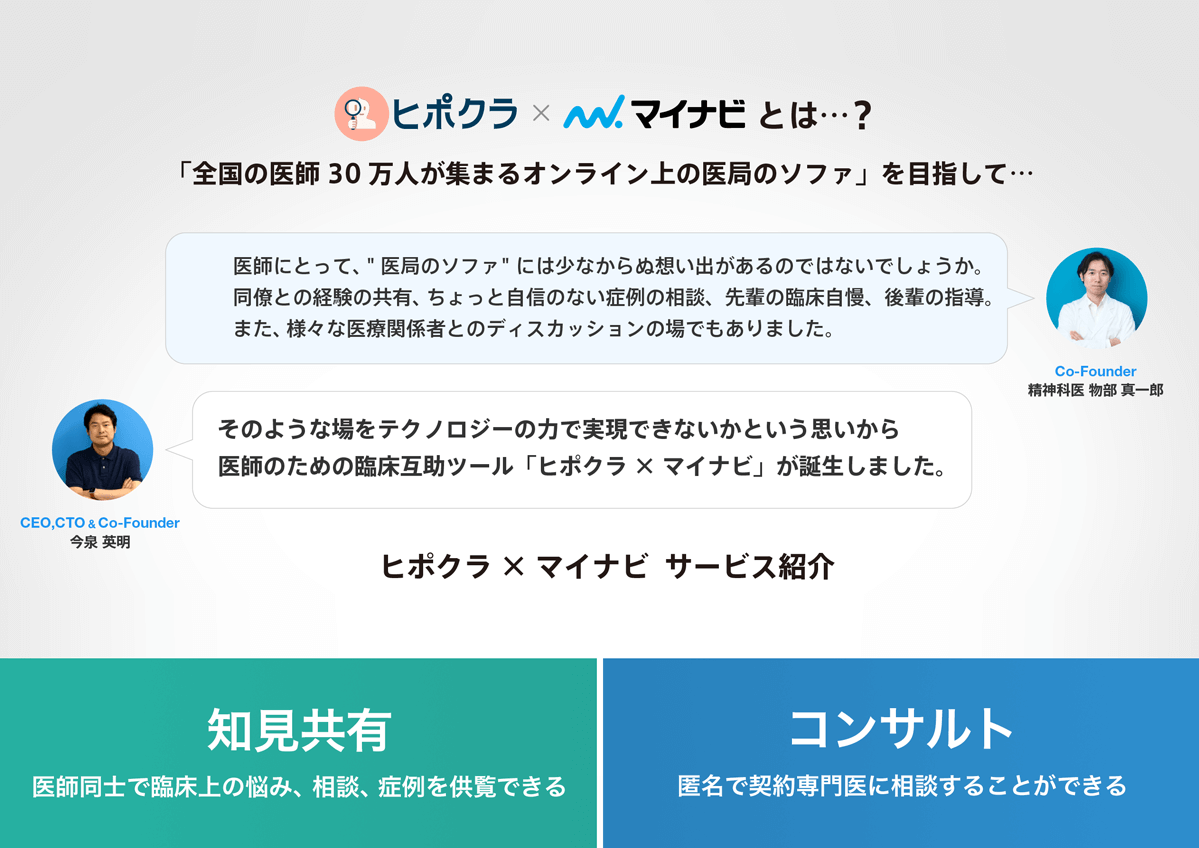
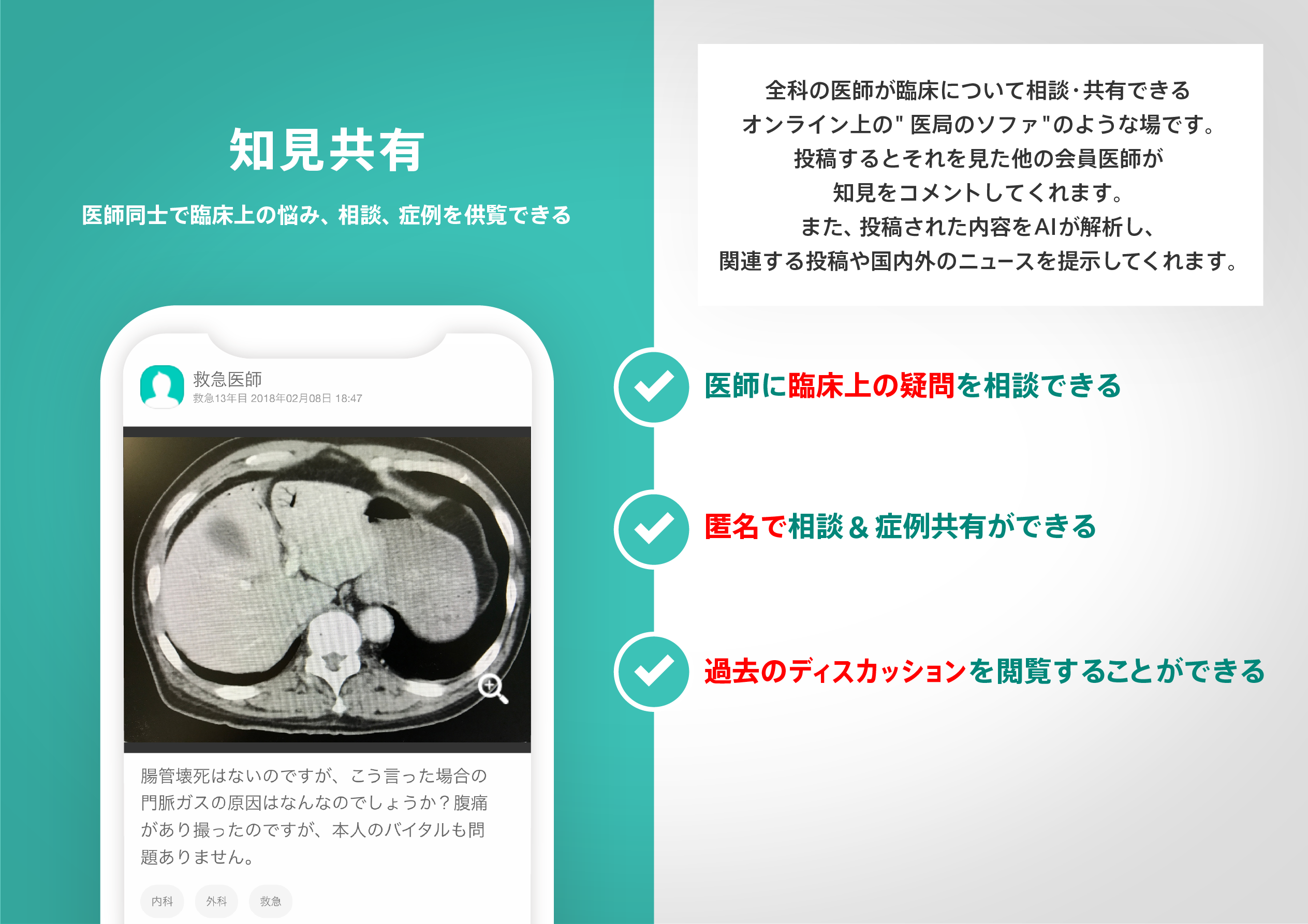
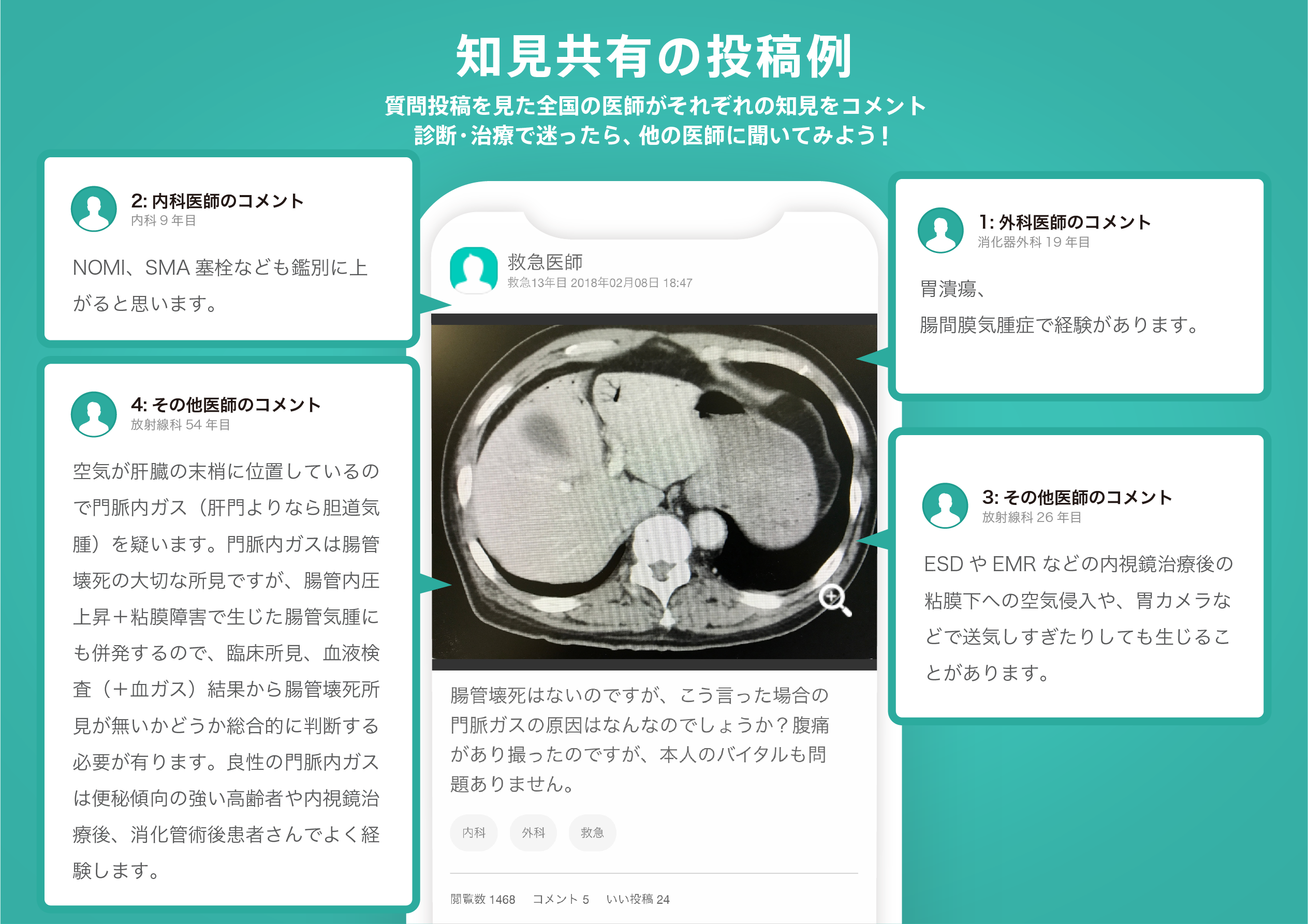
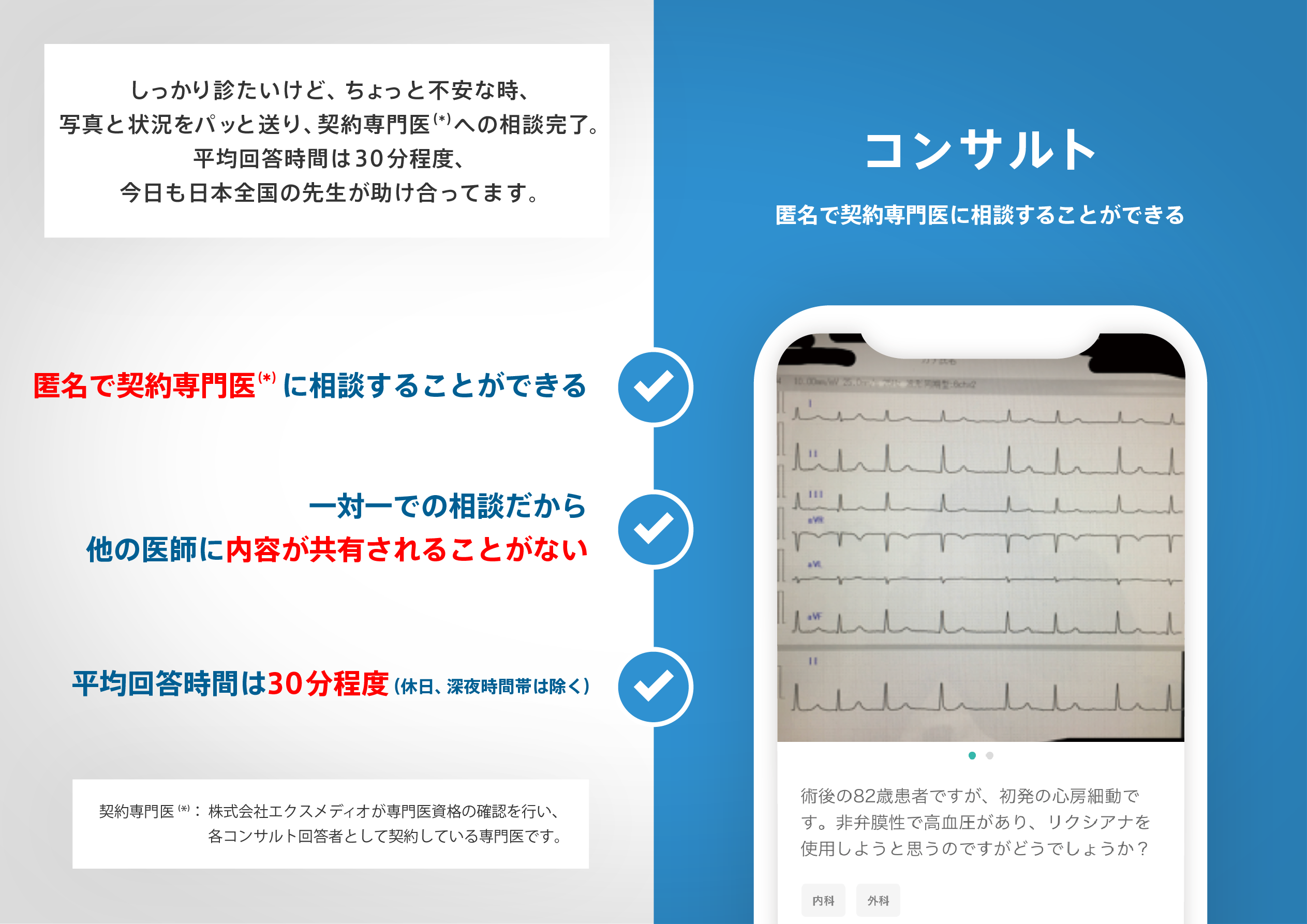
ヒポクラ x マイナビのご紹介

無料会員登録していただくと、さらに便利で効率的な検索が可能になります。