著名医師による解説が無料で読めます
すると翻訳の精度が向上します
目的:しかし、カナダのC-spine規則と臨床的に重要な子宮頸部脊椎の損傷を排除する際の国家緊急X-radiographyの利用研究(NEXUS)基準は、大規模な前向き研究を使用して検証されていますが、どの規則を承認すべきかについてのコンセンサスは存在しません。したがって、本研究の目的は、外傷患者の臨床的に重要な頸椎損傷を排除する際のカナダのC-spineおよびnexus基準の精度を比較することでした。最後に、修正されたカナダのC-S-spineルールを導入しました。 方法:2018年にイランの4つの救急部門に紹介された外傷患者について、前向き診断精度研究が実施されました。頸椎損傷。その後、すべての患者が頸部画像診断を受けました。さらに、モデルからの危険なメカニズムと単純なリアエンドの自動車衝突を除去することにより、カナダの修正C-spineルールが導出されました。 結果:673人の患者からのデータが含まれていました。Nexus基準、カナダのC-spine、および修正されたカナダのC-spineルールの曲線下の面積は0.76 [95%信頼区間(CI)0.71-0.81)]、0.78(95%CI 0.74-0.83)、および0.79(それぞれ95%CI 0.74-0.83)。ネクサス基準、カナダのC-spine、および修正されたカナダのC-spineルールの感度は、それぞれ93.4%、100.0%、100.0%でした。 結論:修正されたカナダのC-Spineルールは、元のカナダのC-spineルールよりも変数が少なく、完全に身体検査に基づいており、救急部門で使用しやすいと思われます。
目的:しかし、カナダのC-spine規則と臨床的に重要な子宮頸部脊椎の損傷を排除する際の国家緊急X-radiographyの利用研究(NEXUS)基準は、大規模な前向き研究を使用して検証されていますが、どの規則を承認すべきかについてのコンセンサスは存在しません。したがって、本研究の目的は、外傷患者の臨床的に重要な頸椎損傷を排除する際のカナダのC-spineおよびnexus基準の精度を比較することでした。最後に、修正されたカナダのC-S-spineルールを導入しました。 方法:2018年にイランの4つの救急部門に紹介された外傷患者について、前向き診断精度研究が実施されました。頸椎損傷。その後、すべての患者が頸部画像診断を受けました。さらに、モデルからの危険なメカニズムと単純なリアエンドの自動車衝突を除去することにより、カナダの修正C-spineルールが導出されました。 結果:673人の患者からのデータが含まれていました。Nexus基準、カナダのC-spine、および修正されたカナダのC-spineルールの曲線下の面積は0.76 [95%信頼区間(CI)0.71-0.81)]、0.78(95%CI 0.74-0.83)、および0.79(それぞれ95%CI 0.74-0.83)。ネクサス基準、カナダのC-spine、および修正されたカナダのC-spineルールの感度は、それぞれ93.4%、100.0%、100.0%でした。 結論:修正されたカナダのC-Spineルールは、元のカナダのC-spineルールよりも変数が少なく、完全に身体検査に基づいており、救急部門で使用しやすいと思われます。
PURPOSE: Although, Canadian C-spine rule and the National Emergency X-Radiography Utilization Study (NEXUS) criteria in ruling out clinically important cervical spine injuries have been validated using large prospective studies, no consensus exist as to which rule should be endorsed. Therefore, the aim of the present study was to compare the accuracy of the Canadian C-spine and NEXUS criteria in ruling out clinically important cervical spine injuries in trauma patients. Finally, we introduced the modified Canadian C-spine rule. METHODS: A prospective diagnostic accuracy study was conducted on trauma patients referred to four emergency departments of Iran in 2018. Emergency physicians evaluated the patients based on the Canadian C-spine rule and NEXUS criteria in two groups of low risk and high risk for clinically important cervical spine injury. Afterward, all patients underwent cervical imaging. In addition, modified Canadian C-spine rule was derived by removing dangerous mechanism and simple rear-end motor vehicle collision from the model. RESULTS: Data from 673 patients were included. The area under the curve of the NEXUS criteria, Canadian C-spine, and modified Canadian C-spine rule were 0.76 [95% confidence interval (CI) 0.71-0.81)], 0.78 (95% CI 0.74-0.83), and 0.79 (95% CI 0.74-0.83), respectively. The sensitivities of NEXUS criteria, Canadian C-spine, and modified Canadian C-spine rule were 93.4%, 100.0% and 100.0%, respectively. CONCLUSIONS: The modified Canadian C-spine rule has fewer variables than the original Canadian C-spine rule and is entirely based on physical examination, which seems easier to use in emergency departments.
医師のための臨床サポートサービス
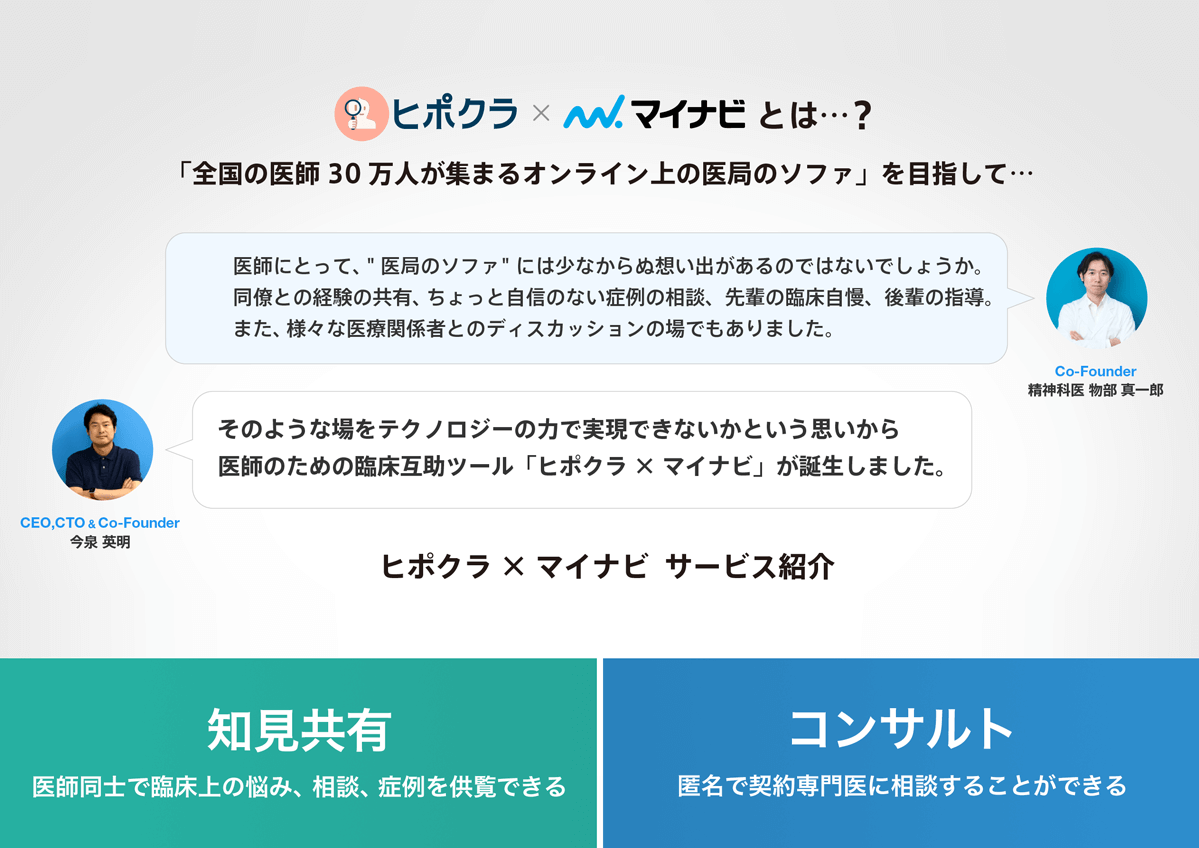
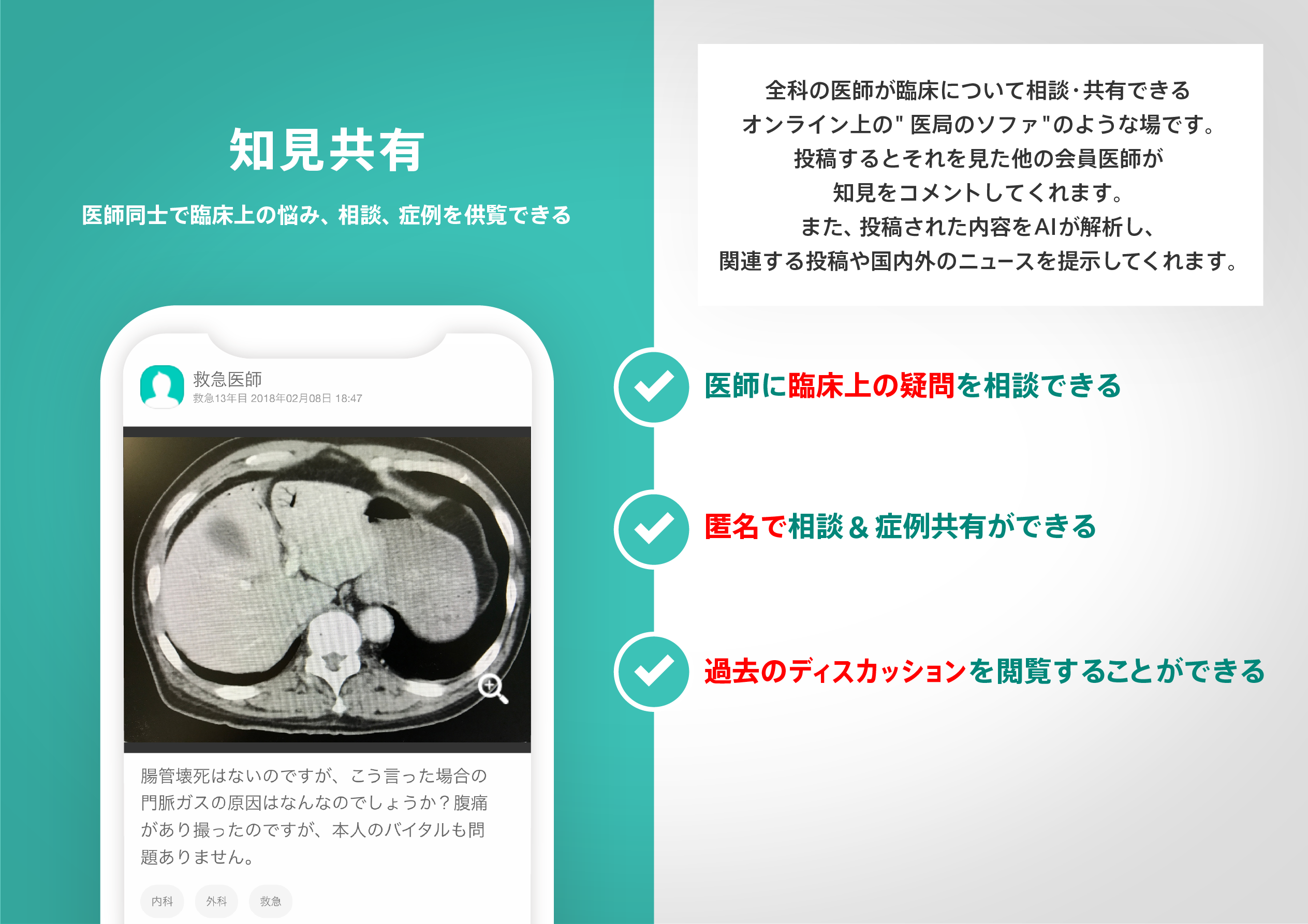
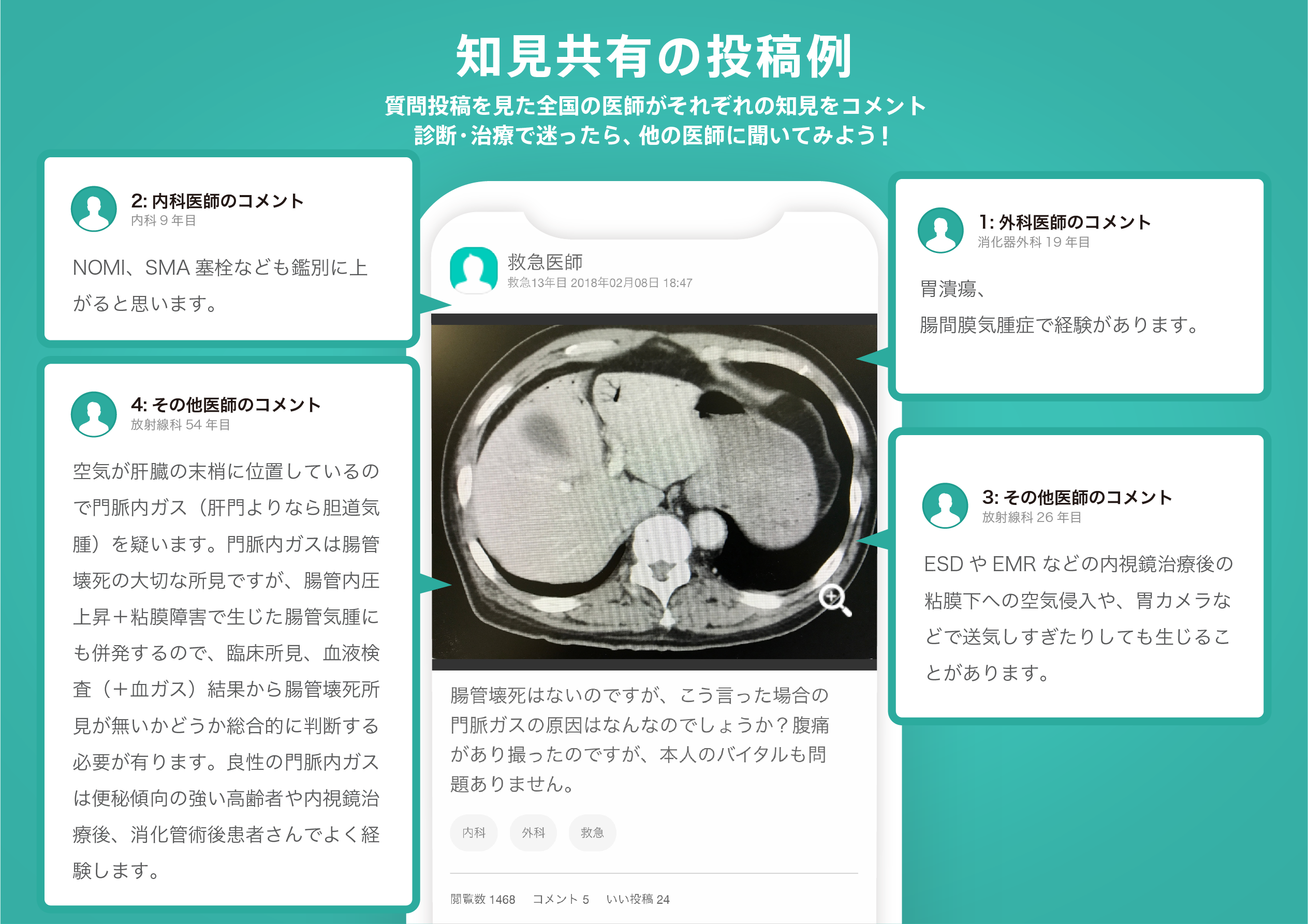
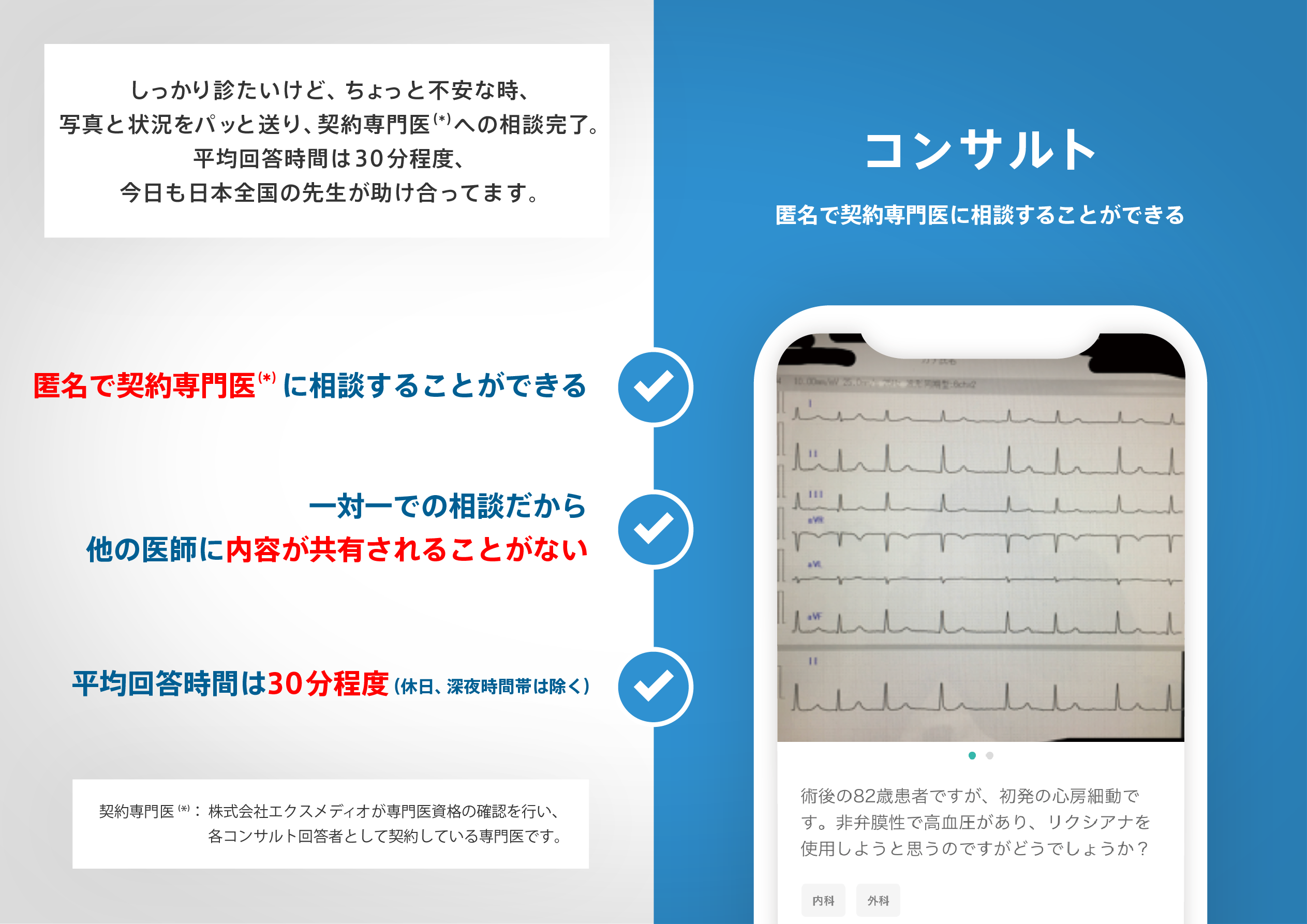
ヒポクラ x マイナビのご紹介

無料会員登録していただくと、さらに便利で効率的な検索が可能になります。