著名医師による解説が無料で読めます
すると翻訳の精度が向上します
はじめに:非常に感染性の高い疾患の患者、特に輸送時間の延長を伴う長距離にわたる航空医学輸送は、物流的、医学的、組織的な課題です。2014年から2016年のエボラ危機に続いて、主に大規模な民間機と軍事機体と大規模な隔離室で治療された患者を利用して、洗練された輸送ソリューションが開発されました。しかし、現在のCovid-19のパンデミックでは、多くのサービスが、はるかに小さい携帯医療隔離ユニット(PMIU)で非常に感染性の高い疾患の患者の航空医学的輸送を提供し、外側に医療チームが胸部を通してケアを提供します。 方法:2020年4月1日から8月1日までにドイツのジェットコールが輸送したCOVID-19疾患が証明または疑われる患者のすべての輸送を、PMIU(エピシュトル、エピガード、オスロ、ノルウェー)を使用して遡及的にレビューしました。人口統計と医療データは、サービスの標準化された輸送プロトコルを使用して分析されました。輸送関連の課題と最適化戦略は、各輸送後にすべての輸送チームにインタビューし、報告することにより特定されました。 結果:Covid-19の13人の患者は、最大7,400キロメートル(km)までの距離をPMIUで輸送され、飛行時間は02:15時間から11:10時間の範囲です。PMIU輸送の主な制限は、患者へのアクセスが制限されていると特定し、荷重と荷降ろし手順中に、ポトロールグローブと線とチューブの切断を介してケアを提供する際の手動の器用さを減らしました。Bluetooth対応聴診器、コードレス超音波スキャナー、通信デバイス、PMIUの細心の準備、患者の標準化されたプロトコル、および乗組員のシナリオベースのトレーニングなどの技術ソリューションは、リスクの一部を減らすことができます。 議論:PMIUでCovid-19またはその他の感染性疾患を持つ患者を輸送することは、長距離でも実行可能な選択肢ですが、追加のリスクのかなりの層を追加するため、輸送前に各患者の慎重で個別化されたリスクベネフィット分析が必要です。
はじめに:非常に感染性の高い疾患の患者、特に輸送時間の延長を伴う長距離にわたる航空医学輸送は、物流的、医学的、組織的な課題です。2014年から2016年のエボラ危機に続いて、主に大規模な民間機と軍事機体と大規模な隔離室で治療された患者を利用して、洗練された輸送ソリューションが開発されました。しかし、現在のCovid-19のパンデミックでは、多くのサービスが、はるかに小さい携帯医療隔離ユニット(PMIU)で非常に感染性の高い疾患の患者の航空医学的輸送を提供し、外側に医療チームが胸部を通してケアを提供します。 方法:2020年4月1日から8月1日までにドイツのジェットコールが輸送したCOVID-19疾患が証明または疑われる患者のすべての輸送を、PMIU(エピシュトル、エピガード、オスロ、ノルウェー)を使用して遡及的にレビューしました。人口統計と医療データは、サービスの標準化された輸送プロトコルを使用して分析されました。輸送関連の課題と最適化戦略は、各輸送後にすべての輸送チームにインタビューし、報告することにより特定されました。 結果:Covid-19の13人の患者は、最大7,400キロメートル(km)までの距離をPMIUで輸送され、飛行時間は02:15時間から11:10時間の範囲です。PMIU輸送の主な制限は、患者へのアクセスが制限されていると特定し、荷重と荷降ろし手順中に、ポトロールグローブと線とチューブの切断を介してケアを提供する際の手動の器用さを減らしました。Bluetooth対応聴診器、コードレス超音波スキャナー、通信デバイス、PMIUの細心の準備、患者の標準化されたプロトコル、および乗組員のシナリオベースのトレーニングなどの技術ソリューションは、リスクの一部を減らすことができます。 議論:PMIUでCovid-19またはその他の感染性疾患を持つ患者を輸送することは、長距離でも実行可能な選択肢ですが、追加のリスクのかなりの層を追加するため、輸送前に各患者の慎重で個別化されたリスクベネフィット分析が必要です。
INTRODUCTION: Aeromedical transport of patients with highly-infectious diseases, particularly over long distances with extended transport times, is a logistical, medical and organizational challenge. Following the 2014-2016 Ebola Crisis, sophisticated transport solutions have been developed, mostly utilizing large civilian and military airframes and the patient treated in a large isolation chamber. In the present COVID-19 pandemic, however, many services offer aeromedical transport of patients with highly-infectious diseases in much smaller portable medical isolation units (PMIU), with the medical team on the outside, delivering care through portholes. METHODS: We conducted a retrospective review of all transports of patients with proven or suspected COVID-19 disease, transported by Jetcall, Idstein, Germany, between April 1 and August 1, 2020, using a PMIU (EpiShuttle, EpiGuard AS, Oslo, Norway). Demographics and medical data were analyzed using the services' standardized transport protocols. Transport-associated challenges and optimization strategies were identified by interviewing and debriefing all transport teams after each transport. RESULTS: Thirteen patients with COVID-19 have been transported in a PMIU over distances up to 7,400 kilometers (km), with flight times ranging from 02:15 hours to 11:10 hours. We identified the main limitations of PMIU transports as limited access to the patient and reduced manual dexterity when delivering care through the porthole gloves and disconnection of lines and tubes during loading and unloading procedures. Technical solutions such as bluetooth-enabled stethoscopes, cordless ultrasound scanners and communication devices, meticulous preparation of the PMIU and the patient following standardized protocols and scenario-based training of crew members can reduce some of the risks. DISCUSSION: Transporting a patient with COVID-19 or any other highly infectious disease in a PMIU is a feasible option even over long distances, but adding a significant layer of additional risk, thus requiring a careful and individualized risk-benefit analysis for each patient prior to transport.
医師のための臨床サポートサービス
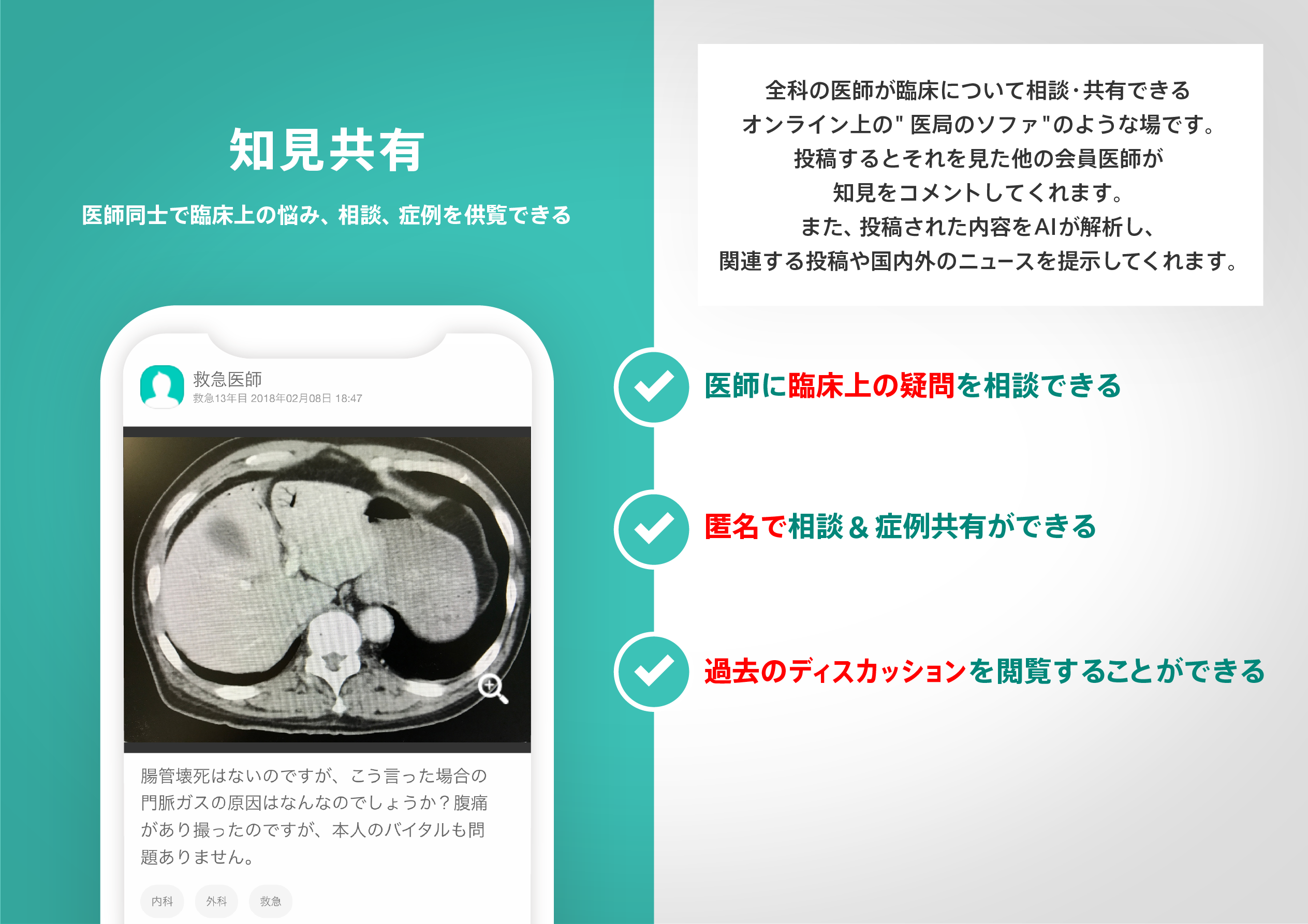
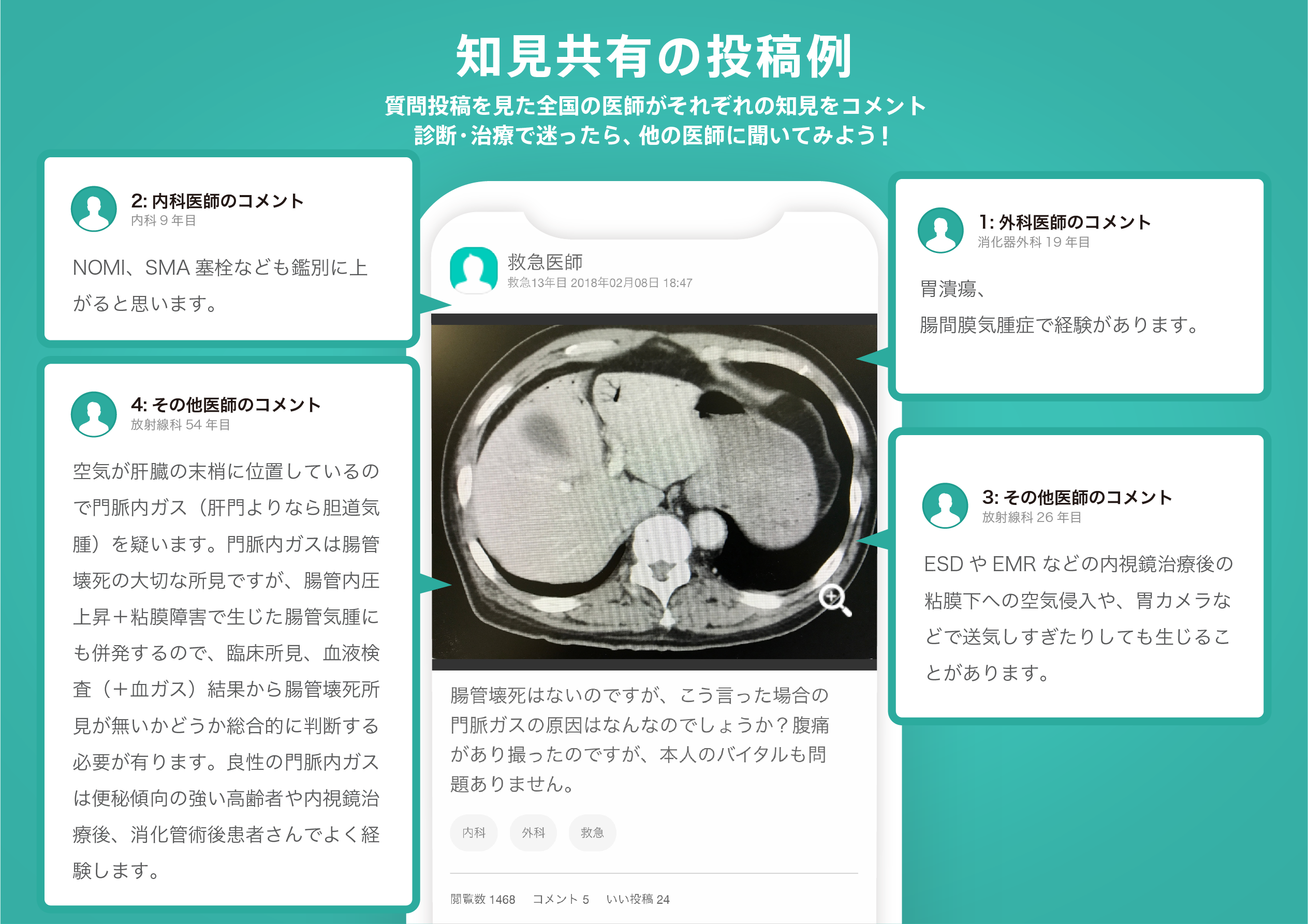
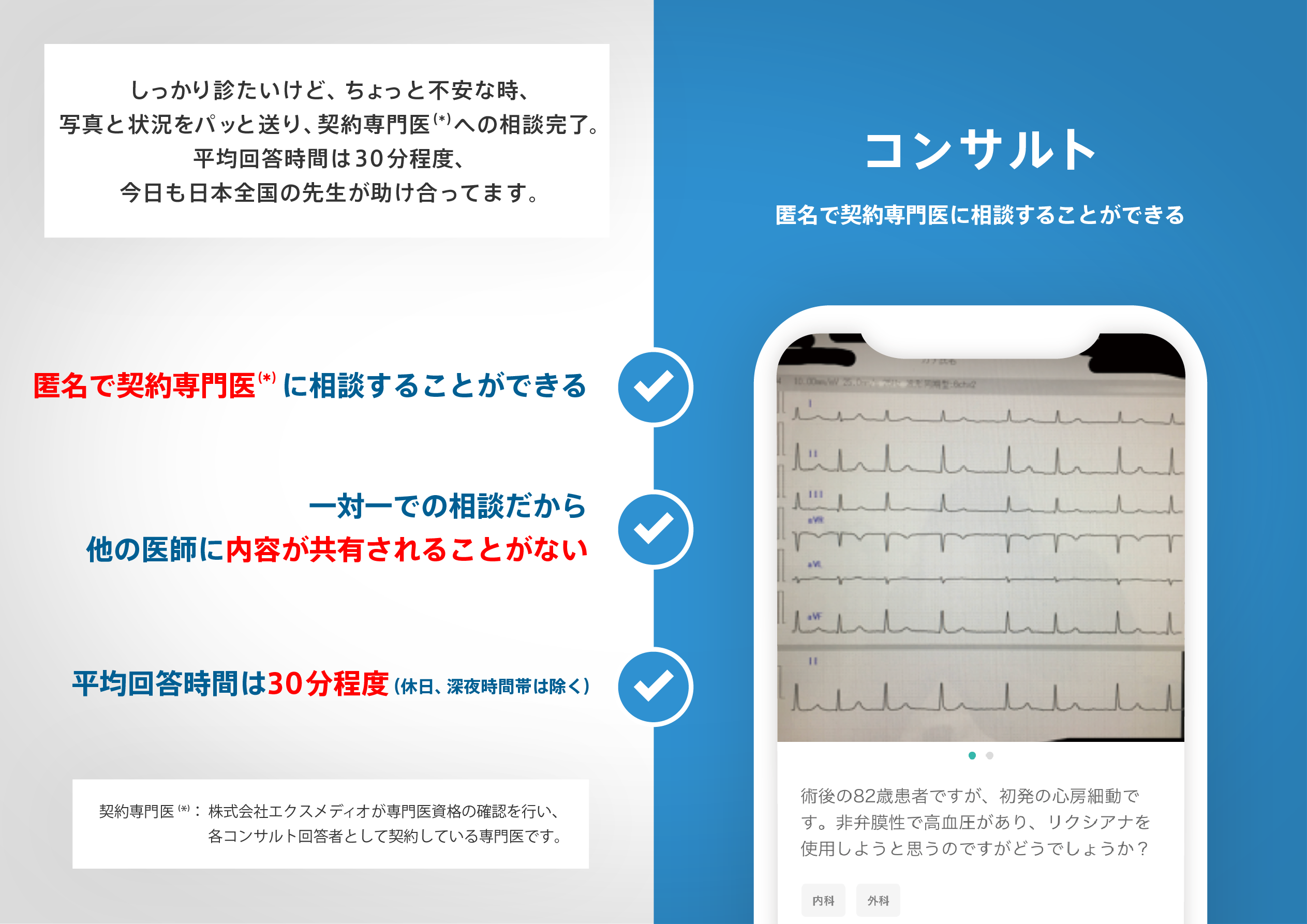
ヒポクラ x マイナビのご紹介

無料会員登録していただくと、さらに便利で効率的な検索が可能になります。