著名医師による解説が無料で読めます
すると翻訳の精度が向上します
老化は、ホルモンの変化、代謝の減速、生理学的プロセスの減少、慢性炎症、および一般的に生物学的コストと呼ばれる酸化ストレス因子への高い暴露に関連しています。食事と運動のライフスタイル介入は、老化中の生活の質を改善し、食事関連の慢性疾患を低下させることができます。内因性カンナビノイド系(ECS)は、全身の代謝と中央および末梢神経系を含む生理学的系に重要な影響を及ぼします。運動は、筋肉量の損失を減らし、強度を改善し、脳と血液のエンドカンナビノイド(ECB)のレベルを上げることができます。ECSは生涯を通じて複数のシステムにコントロールを発揮しますが、自然な老化に利益をもたらします。ECBは多価不飽和脂肪酸(PUFA)から合成され、主要なものはアラキドン酸(N-6 PUFA)から生成され、その他はN-3 PUFA、すなわちエイコサペンタエノイ酸およびドコサヘキサエン酸から生成されます。ECBリガンドは、食欲刺激、代謝、免疫機能、脳生理学と神経可塑性に影響を与える受容体Cb1およびCb2に結合します。PUFAの栄養系は、ECBの種類とレベルに影響を与える可能性のある主要な要因であり、結果として、リガンドが受容体に結合するときの下流の作用です。さらに、ECBとオキシリピン(OXL)の合成との関連は、ECBの生理学的作用と炎症の免疫由来OXLメディエーターとの関係です。oxlは遍在しており、神経炎症と炎症プロセスに影響を与えます。神経可塑性、幸福、痛みに関するECBの新たな作用は、老化に重要です。ここでは、ECSとそのコンポーネント、運動と食事が特定のECBにどのように影響するか、神経可塑性、神経炎症、痛み、気分、およびOXLとの関係に関する情報を提示します。多くの高齢者で観察される栄養状態の低さと低い栄養摂取量は、健康を改善するためのECSに対する食事のPUFAアクションの役割を調べる理由です。
老化は、ホルモンの変化、代謝の減速、生理学的プロセスの減少、慢性炎症、および一般的に生物学的コストと呼ばれる酸化ストレス因子への高い暴露に関連しています。食事と運動のライフスタイル介入は、老化中の生活の質を改善し、食事関連の慢性疾患を低下させることができます。内因性カンナビノイド系(ECS)は、全身の代謝と中央および末梢神経系を含む生理学的系に重要な影響を及ぼします。運動は、筋肉量の損失を減らし、強度を改善し、脳と血液のエンドカンナビノイド(ECB)のレベルを上げることができます。ECSは生涯を通じて複数のシステムにコントロールを発揮しますが、自然な老化に利益をもたらします。ECBは多価不飽和脂肪酸(PUFA)から合成され、主要なものはアラキドン酸(N-6 PUFA)から生成され、その他はN-3 PUFA、すなわちエイコサペンタエノイ酸およびドコサヘキサエン酸から生成されます。ECBリガンドは、食欲刺激、代謝、免疫機能、脳生理学と神経可塑性に影響を与える受容体Cb1およびCb2に結合します。PUFAの栄養系は、ECBの種類とレベルに影響を与える可能性のある主要な要因であり、結果として、リガンドが受容体に結合するときの下流の作用です。さらに、ECBとオキシリピン(OXL)の合成との関連は、ECBの生理学的作用と炎症の免疫由来OXLメディエーターとの関係です。oxlは遍在しており、神経炎症と炎症プロセスに影響を与えます。神経可塑性、幸福、痛みに関するECBの新たな作用は、老化に重要です。ここでは、ECSとそのコンポーネント、運動と食事が特定のECBにどのように影響するか、神経可塑性、神経炎症、痛み、気分、およびOXLとの関係に関する情報を提示します。多くの高齢者で観察される栄養状態の低さと低い栄養摂取量は、健康を改善するためのECSに対する食事のPUFAアクションの役割を調べる理由です。
Aging is associated with changes in hormones, slowing of metabolism, diminished physiological processes, chronic inflammation and high exposure to oxidative stress factors, generally described as the biological cost of living. Lifestyle interventions of diet and exercise can improve the quality of life during aging and lower diet-related chronic disease. The endocannabinoid system (ECS) has important effects on systemic metabolism and physiological systems, including the central and peripheral nervous systems. Exercise can reduce the loss of muscle mass and improve strength, and increase the levels of endocannabinoids (eCB) in brain and blood. Although the ECS exerts controls on multiple systems throughout life it affords benefits to natural aging. The eCB are synthesized from polyunsaturated fatty acids (PUFA) and the primary ones are produced from arachidonic acid (n-6 PUFA) and others from the n-3 PUFA, namely eicosapentaenoic and docosahexaenoic acids. The eCB ligands bind to their receptors, CB1 and CB2, with effects on appetite stimulation, metabolism, immune functions, and brain physiology and neuroplasticity. Dietary families of PUFA are a primary factor that can influence the types and levels of eCB and as a consequence, the downstream actions when the ligands bind to their receptors. Furthermore, the association of eCB with the synthesis of oxylipins (OxL) is a connection between the physiological actions of eCB and the lipid derived immunological OxL mediators of inflammation. OxL are ubiquitous and influence neuroinflammation and inflammatory processes. The emerging actions of eCB on neuroplasticity, well-being and pain are important to aging. Herein, we present information about the ECS and its components, how exercise and diet affects specific eCB, their role in neuroplasticity, neuroinflammation, pain, mood, and relationship to OxL. Poor nutrition status and low nutrient intakes observed with many elderly are reasons to examine the role of dietary PUFA actions on the ECS to improve health.
医師のための臨床サポートサービス
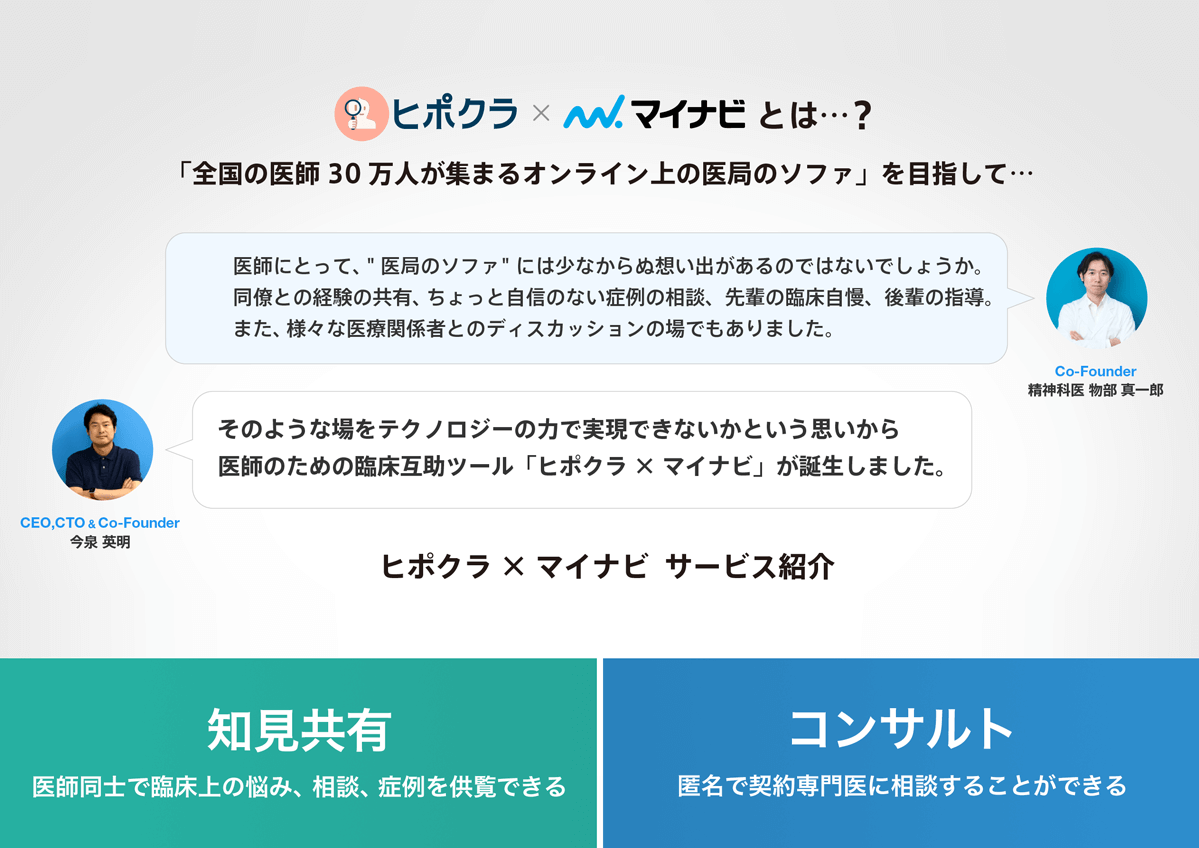
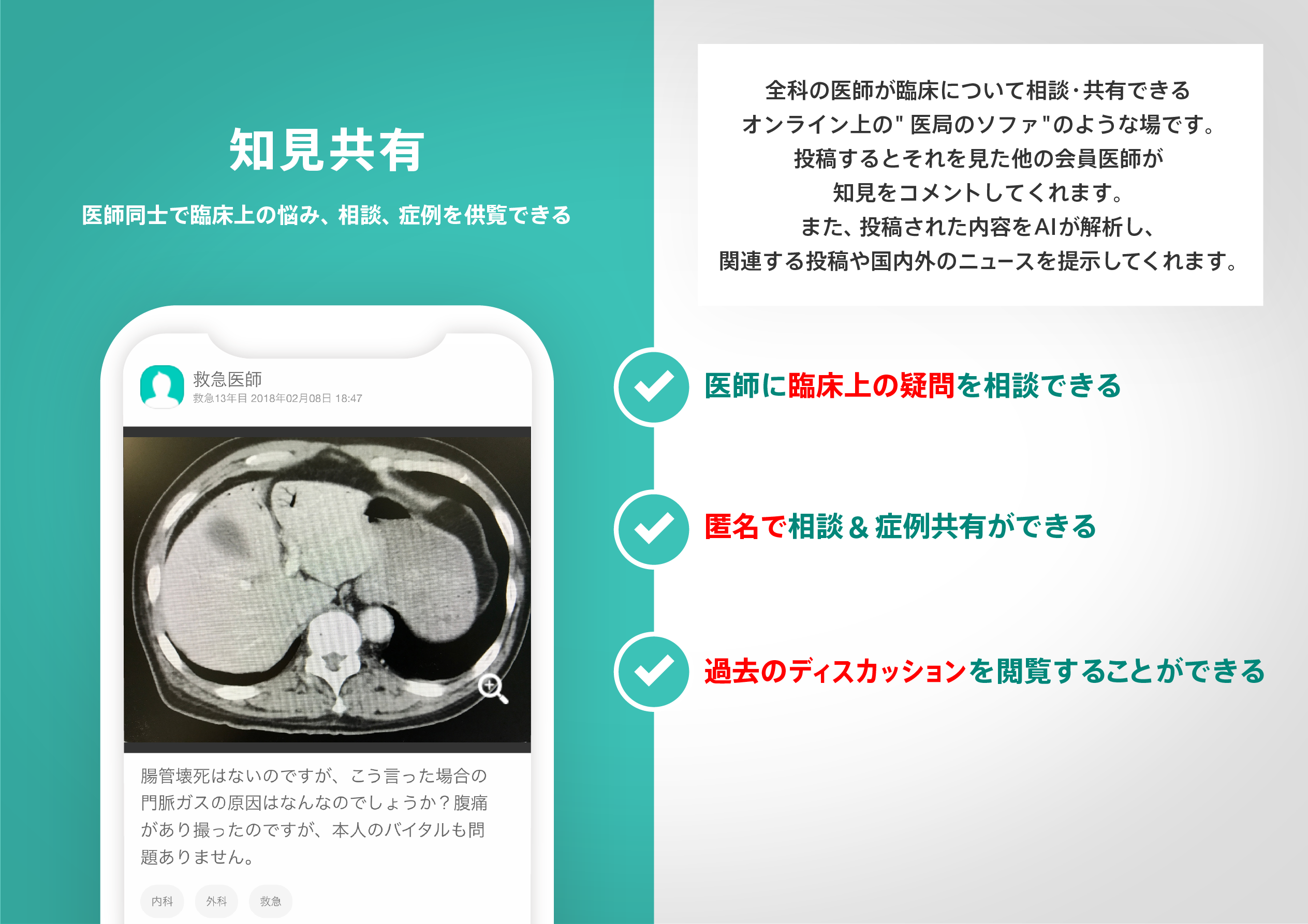
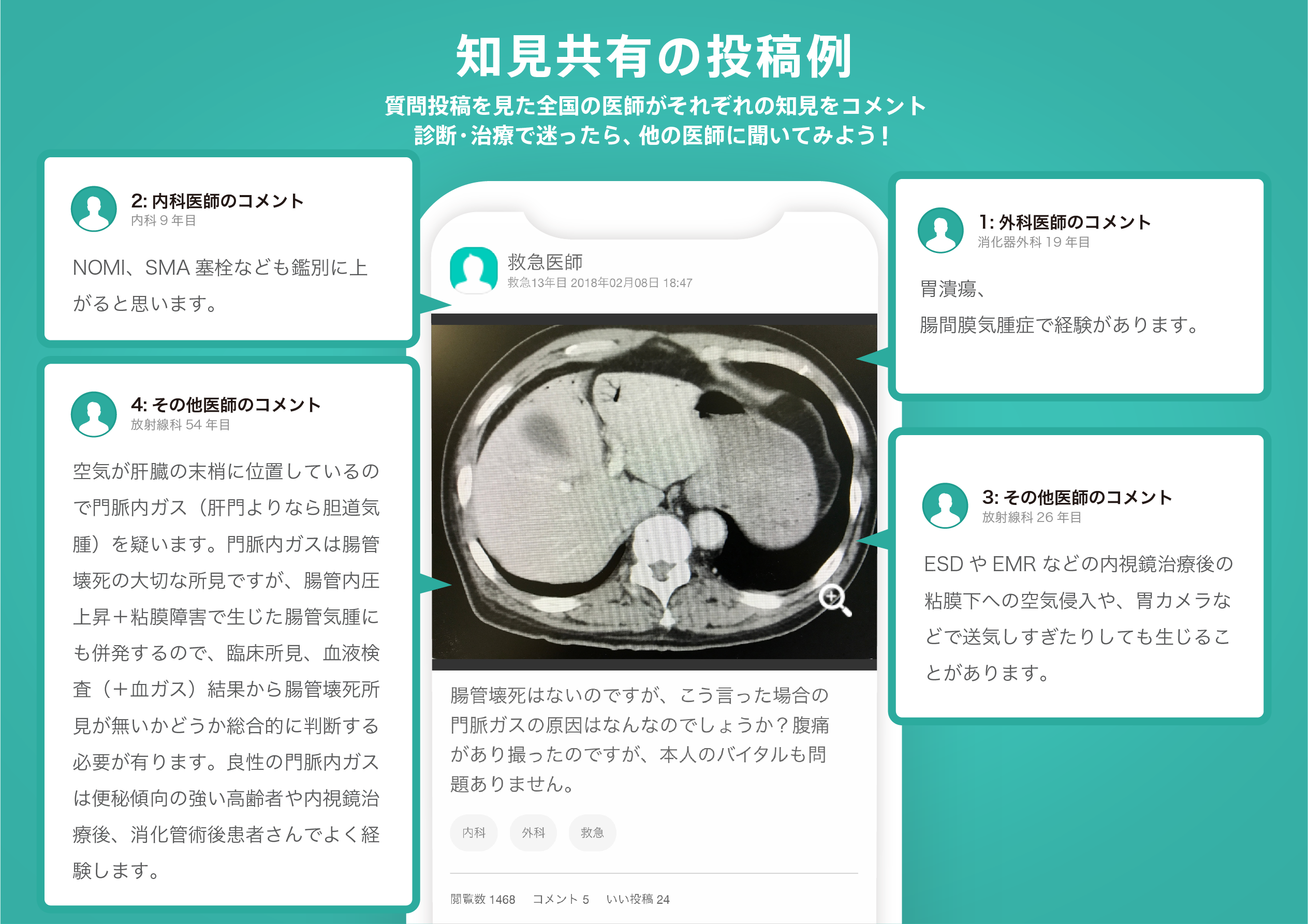
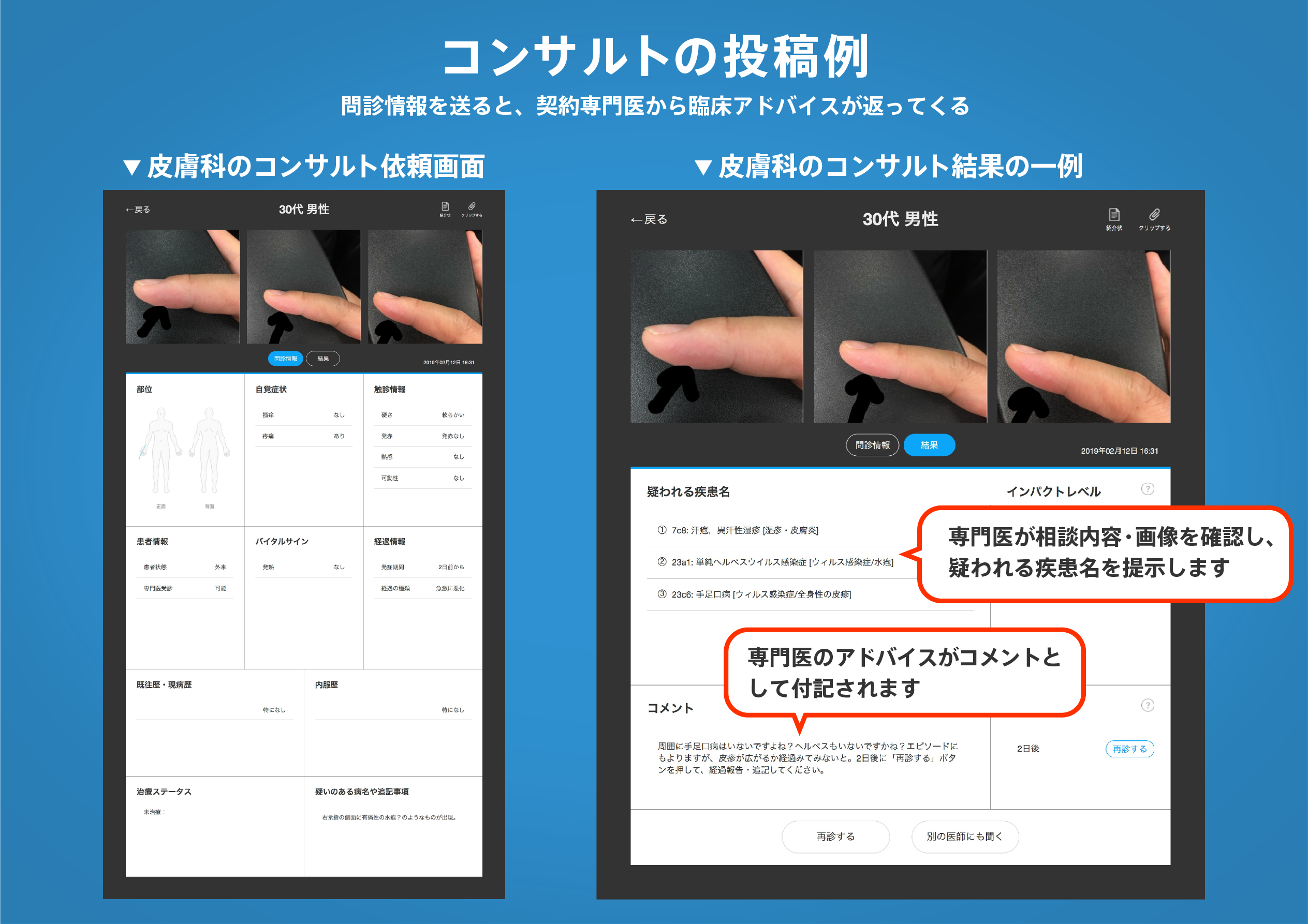
ヒポクラ x マイナビのご紹介


無料会員登録していただくと、さらに便利で効率的な検索が可能になります。