著名医師による解説が無料で読めます
すると翻訳の精度が向上します
背景:職場での対人コミュニケーションは、すべての従業員が直面する問題です。それはすべての業界で一般的であり、ますます致命的です。彼らがそのような心理的圧力の過負荷に耐えることができない場合、彼らは不安、いらいら、うつ病、その他の心理障害、さらには精神疾患に苦しむ傾向があります。従業員が心理的ストレスを和らげるのを助ける方法を探ることは緊急です。 目的:この研究の目的は、職場の対人ストレスに対する認知行動療法(CBT)の効果を分析し、専門家、特に新人が社会的圧力を和らげるための助けを提供することを目的としています。 方法:インターネット企業の125人の従業員に、マルチベースライン設計CBT(ベースラインフェーズ、治療段階、およびベースライン後段階)が与えられました。セラピストプログラムを終了しなかった43人の被験者が対照群として設定され、治療プログラムを終了した82人の被験者が実験グループとして設定されました。第一に、性別、年齢、教育的背景、月給が異なる被験者の対人ストレスの違いを分析しました。次に、ベースライン、治療、およびベースライン後の期間の社会的回避、苦痛、不安、うつ病のスコアを比較しました。最後に、社会的回避、苦痛、不安、および実験グループのうつ病スコアに対する性別、年齢、教育的背景、月給の影響を、重回帰によって分析しました。そして、職場の対人圧力の影響経路が構築されました。 結果:1か月あたり10000以上の稼いでいる従業員の社会的回避、苦痛、不安、うつ病は、1か月あたり10000人以上を稼ぐ人よりも少なかった。30〜50歳の従業員の社会的回避、苦痛、不安、およびうつ病は、30歳> 50歳> 50歳よりも高かった(P <0.05)。男性の社会的回避、社会的苦痛、うつ病は、女性のものよりも低かった(p <0.05)。修士号以上の従業員の社会的苦痛、不安、およびうつ病は、学士号または中学の学位を持つ人よりも少なかった。ベースライン後のフェーズでは、2つのグループの間に大きな違いがありました。月給は、治療後の従業員の社会的回避と苦痛、不安、およびうつ病のスコアにそれぞれ最大の影響を与え、それぞれ-0.183、-0.169、および-0.184の経路係数がありました。 結論:CBTは、職場の従業員の社会的回避と苦痛を効果的に緩和することができ、不安とうつ病の症状を改善することができます。教育レベル、年齢、月給は、社会的回避、苦痛、不安、うつ病の改善に特定の影響を与えました。
背景:職場での対人コミュニケーションは、すべての従業員が直面する問題です。それはすべての業界で一般的であり、ますます致命的です。彼らがそのような心理的圧力の過負荷に耐えることができない場合、彼らは不安、いらいら、うつ病、その他の心理障害、さらには精神疾患に苦しむ傾向があります。従業員が心理的ストレスを和らげるのを助ける方法を探ることは緊急です。 目的:この研究の目的は、職場の対人ストレスに対する認知行動療法(CBT)の効果を分析し、専門家、特に新人が社会的圧力を和らげるための助けを提供することを目的としています。 方法:インターネット企業の125人の従業員に、マルチベースライン設計CBT(ベースラインフェーズ、治療段階、およびベースライン後段階)が与えられました。セラピストプログラムを終了しなかった43人の被験者が対照群として設定され、治療プログラムを終了した82人の被験者が実験グループとして設定されました。第一に、性別、年齢、教育的背景、月給が異なる被験者の対人ストレスの違いを分析しました。次に、ベースライン、治療、およびベースライン後の期間の社会的回避、苦痛、不安、うつ病のスコアを比較しました。最後に、社会的回避、苦痛、不安、および実験グループのうつ病スコアに対する性別、年齢、教育的背景、月給の影響を、重回帰によって分析しました。そして、職場の対人圧力の影響経路が構築されました。 結果:1か月あたり10000以上の稼いでいる従業員の社会的回避、苦痛、不安、うつ病は、1か月あたり10000人以上を稼ぐ人よりも少なかった。30〜50歳の従業員の社会的回避、苦痛、不安、およびうつ病は、30歳> 50歳> 50歳よりも高かった(P <0.05)。男性の社会的回避、社会的苦痛、うつ病は、女性のものよりも低かった(p <0.05)。修士号以上の従業員の社会的苦痛、不安、およびうつ病は、学士号または中学の学位を持つ人よりも少なかった。ベースライン後のフェーズでは、2つのグループの間に大きな違いがありました。月給は、治療後の従業員の社会的回避と苦痛、不安、およびうつ病のスコアにそれぞれ最大の影響を与え、それぞれ-0.183、-0.169、および-0.184の経路係数がありました。 結論:CBTは、職場の従業員の社会的回避と苦痛を効果的に緩和することができ、不安とうつ病の症状を改善することができます。教育レベル、年齢、月給は、社会的回避、苦痛、不安、うつ病の改善に特定の影響を与えました。
BACKGROUND: interpersonal communication in workplace is a problem that is faced by every employee. It is common in all industries and increasingly lethal. When they are unable to bear such overload of psychological pressure, they tend to suffer from anxiety, irritability, depression, and other psychological disorders and even mental diseases. It is urgent to explore how to help employees relieve psychological stress. OBJECTIVE: the study aimed to analyze the effects of cognitive behavioral therapy (CBT) on workplace interpersonal stress, and provide help for professionals, especially newcomers, to relieve social pressure. METHODS: 125 employees of Internet enterprises were given multi-baseline designed CBT (with baseline phase, treatment phase, and post-baseline phase). 43 subjects who did not finish the therapist program were set as the control group and 82 subjects who finished the treatment program were set as the experimental group. First, the differences of interpersonal stress of subjects with different gender, age, educational background, and monthly salary were analyzed. Then, social avoidance, distress, anxiety, and depression scores in baseline, treatment, and post-baseline periods were compared. Finally, the effects of gender, age, educational background, and monthly salary on social avoidance, distress, anxiety, and depression scores of the experimental group were analyzed by multiple regression. and the influence paths of the workplace interpersonal pressure was constructed. RESULTS: Social avoidance, distress, anxiety, and depression of employees earning 10000 or more per month were less than those earning 10000 or more per month. Social avoidance, distress, anxiety, and depression of employees aged 30-50 were higher than those aged < 30 and > 50 (P < 0.05). Social avoidance, social distress, and depression in males were lower than those in females (P < 0.05). Social distress, anxiety, and depression of employees with master's degree or above were less than those with bachelor's degree or junior college degree. There were significant differences between the two groups in the post baseline phase. The monthly salary had the greatest influence on the social avoidance and distress, anxiety, and depression scores of the employees after treatment, with the path coefficients of -0.183, -0.169, and -0.184, respectively. CONCLUSIONS: CBT can effectively relieve social avoidance and distress of workplace employees and can improve the symptoms of anxiety and depression. Educational level, age, and monthly salary had a certain influence on the improvement of social avoidance, distress, anxiety and depression.
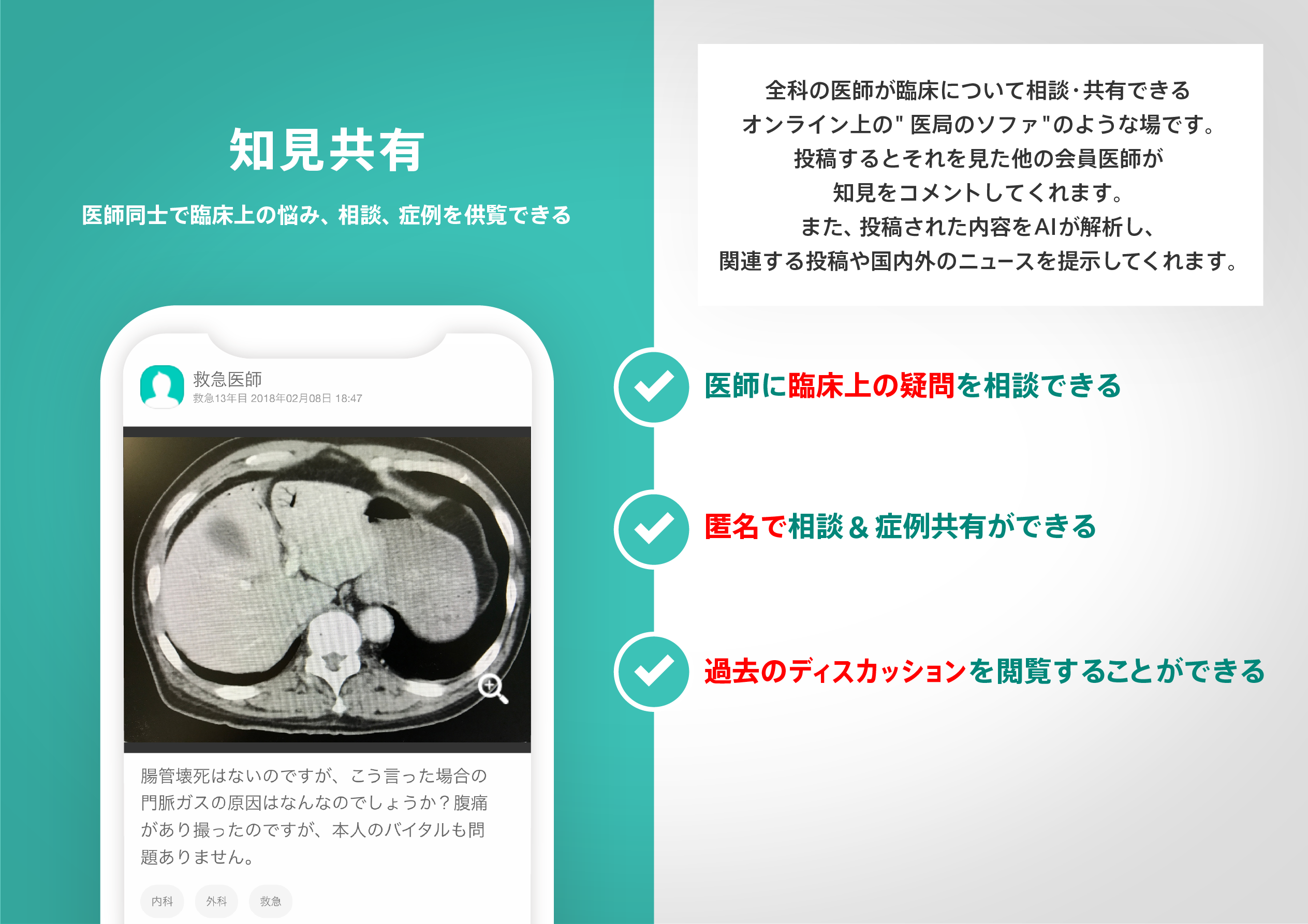
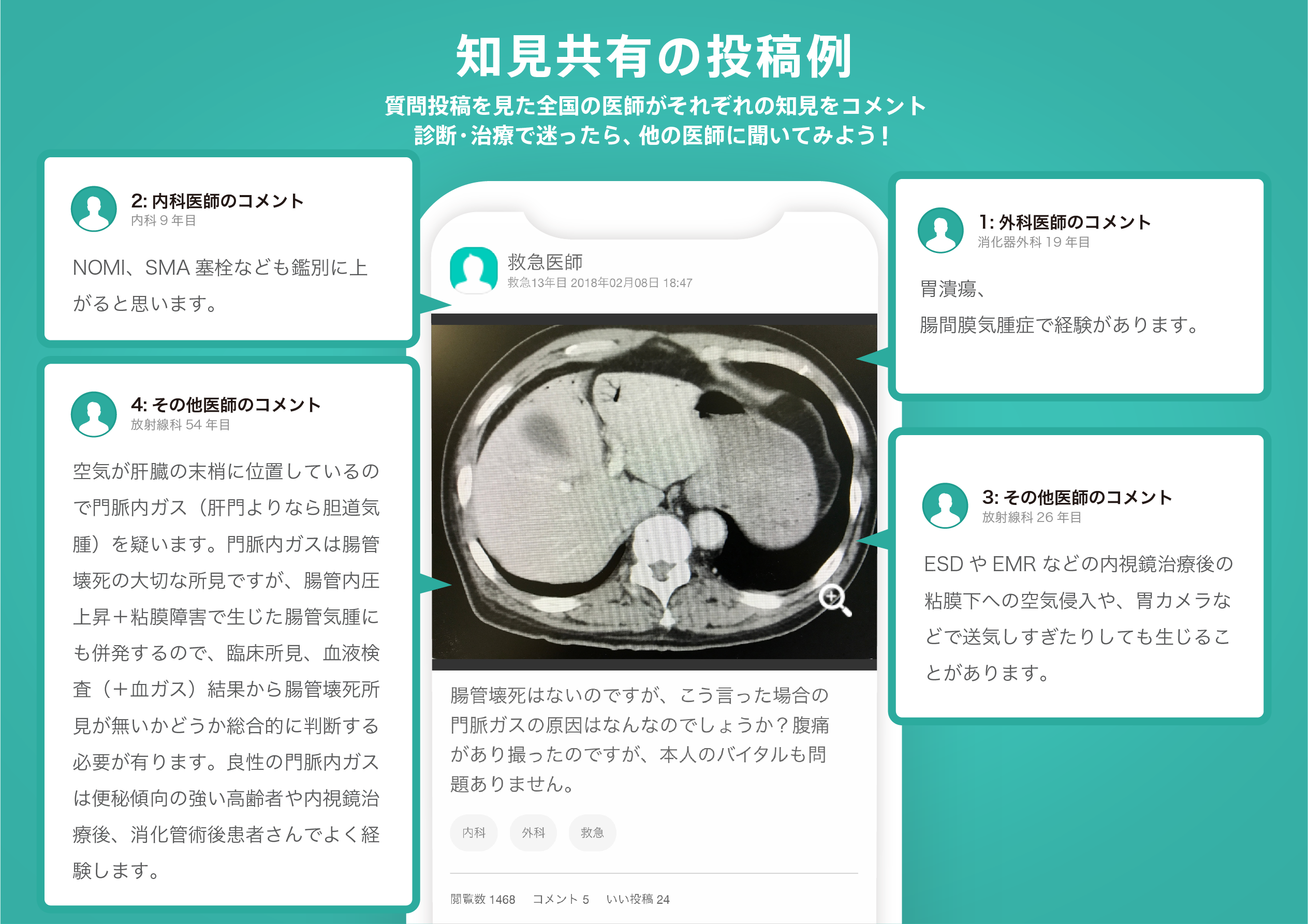
医師のための臨床サポートサービス
ヒポクラ x マイナビのご紹介
無料会員登録していただくと、さらに便利で効率的な検索が可能になります。