著名医師による解説が無料で読めます
すると翻訳の精度が向上します
目的:胃腸の問題は、脳性麻痺の子供にしばしば見られますが、病因と根本的なメカニズムは完全には理解されていません。最近のデータは、グルテンを介した自己免疫性腸症であるセリアック病とは無関係に、脳性麻痺における食事性グルテンに対するIgG抗体のレベルが大幅に上昇したことを示しています。関連する患者の症状プロファイルのコンテキストで、そのサブクラス分布と標的反応性を調べることにより、この抗体反応をさらに特徴付けることを目指しました。 方法:研究参加者には、脳性麻痺(n = 70)とセリアック病(n = 85)の子供、ならびに影響を受けていないコントロール(n = 30)を含む。グルテンに対する血清IgG抗体は、サブクラス分布、標的タンパク質に対する反応性のパターン、および胃腸症状と運動機能との関係について調査されました。 結果:脳性麻痺コホートにおける抗グルテンIgG抗体反応は、4つのサブクラスすべてで構成されました。しかし、セリアック病と比較して、IgG1、IgG2、およびIgG3サブクラスは有意に低かったのに対し、IgG4応答は脳性麻痺で有意に高かった。脳性麻痺患者のコホート内では、抗グルテンIgG1、IgG3、およびIgG4のレベルは、胃腸症状のある抗症状のレベルであり、IgG3サブクラス抗体は肉眼的運動機能と反比例して相関していた。抗グルテンIgG抗体は、広範囲のグリアジンおよびグルテニンタンパク質を標的としました。 結論:これらの発見は、脳麻痺における抗グルテンIgGサブクラス分布を明らかにしています。これは、セリアック病のものとは大きく異なります。さらに、IgGサブクラスと症状プロファイルとの間の観察された関連性は、脳性麻痺の腸免疫機能とバリア機能の欠陥の役割を示す可能性のある免疫応答と疾患の病態生理学との関係を示唆しています。
目的:胃腸の問題は、脳性麻痺の子供にしばしば見られますが、病因と根本的なメカニズムは完全には理解されていません。最近のデータは、グルテンを介した自己免疫性腸症であるセリアック病とは無関係に、脳性麻痺における食事性グルテンに対するIgG抗体のレベルが大幅に上昇したことを示しています。関連する患者の症状プロファイルのコンテキストで、そのサブクラス分布と標的反応性を調べることにより、この抗体反応をさらに特徴付けることを目指しました。 方法:研究参加者には、脳性麻痺(n = 70)とセリアック病(n = 85)の子供、ならびに影響を受けていないコントロール(n = 30)を含む。グルテンに対する血清IgG抗体は、サブクラス分布、標的タンパク質に対する反応性のパターン、および胃腸症状と運動機能との関係について調査されました。 結果:脳性麻痺コホートにおける抗グルテンIgG抗体反応は、4つのサブクラスすべてで構成されました。しかし、セリアック病と比較して、IgG1、IgG2、およびIgG3サブクラスは有意に低かったのに対し、IgG4応答は脳性麻痺で有意に高かった。脳性麻痺患者のコホート内では、抗グルテンIgG1、IgG3、およびIgG4のレベルは、胃腸症状のある抗症状のレベルであり、IgG3サブクラス抗体は肉眼的運動機能と反比例して相関していた。抗グルテンIgG抗体は、広範囲のグリアジンおよびグルテニンタンパク質を標的としました。 結論:これらの発見は、脳麻痺における抗グルテンIgGサブクラス分布を明らかにしています。これは、セリアック病のものとは大きく異なります。さらに、IgGサブクラスと症状プロファイルとの間の観察された関連性は、脳性麻痺の腸免疫機能とバリア機能の欠陥の役割を示す可能性のある免疫応答と疾患の病態生理学との関係を示唆しています。
OBJECTIVE: Gastrointestinal problems are often seen in children with cerebral palsy, although the etiology and underlying mechanisms are not fully understood. Recent data point to significantly elevated levels of IgG antibody to dietary gluten in cerebral palsy independent of celiac disease, a gluten-mediated autoimmune enteropathy. We aimed to further characterize this antibody response by examining its subclass distribution and target reactivity in the context of relevant patient symptom profile. METHODS: Study participants included children with cerebral palsy (n = 70) and celiac disease (n = 85), as well as unaffected controls (n = 30). Serum IgG antibody to gluten was investigated for subclass distribution, pattern of reactivity towards target proteins, and relationship with gastrointestinal symptoms and motor function. RESULTS: The anti-gluten IgG antibody response in the cerebral palsy cohort was constituted of all 4 subclasses. In comparison with celiac disease, however, IgG1, IgG2, and IgG3 subclasses were significantly lower, whereas the IgG4 response was significantly higher in cerebral palsy. Within the cohort of cerebral palsy patients, levels of anti-gluten IgG1, IgG3, and IgG4 were greater in those with gastrointestinal symptoms, and the IgG3 subclass antibody correlated inversely with gross motor function. The anti-gluten IgG antibodies targeted a broad range of gliadin and glutenin proteins. CONCLUSIONS: These findings reveal an anti-gluten IgG subclass distribution in cerebral palsy that is significantly different from that in celiac disease. Furthermore, the observed association between IgG subclass and symptom profile is suggestive of a relationship between the immune response and disease pathophysiology that may indicate a role for defects in gut immune and barrier function in cerebral palsy.
医師のための臨床サポートサービス
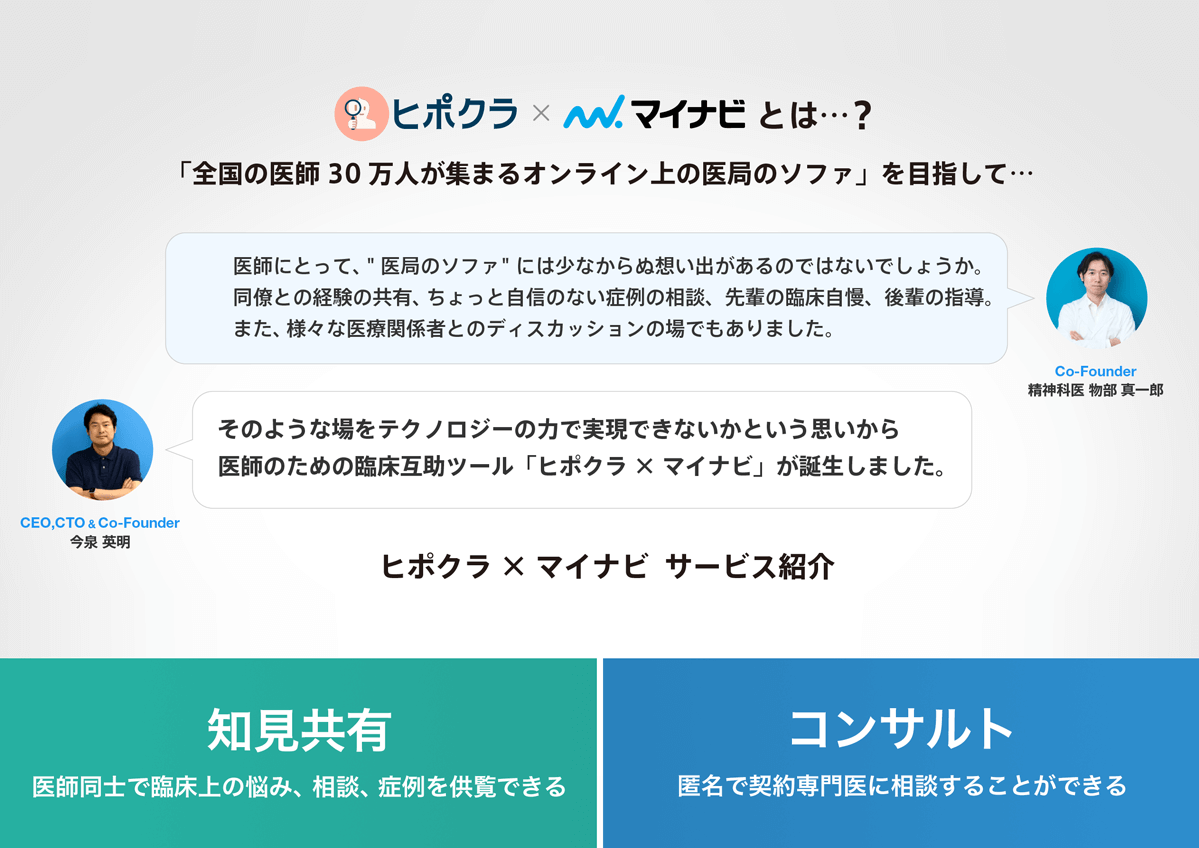
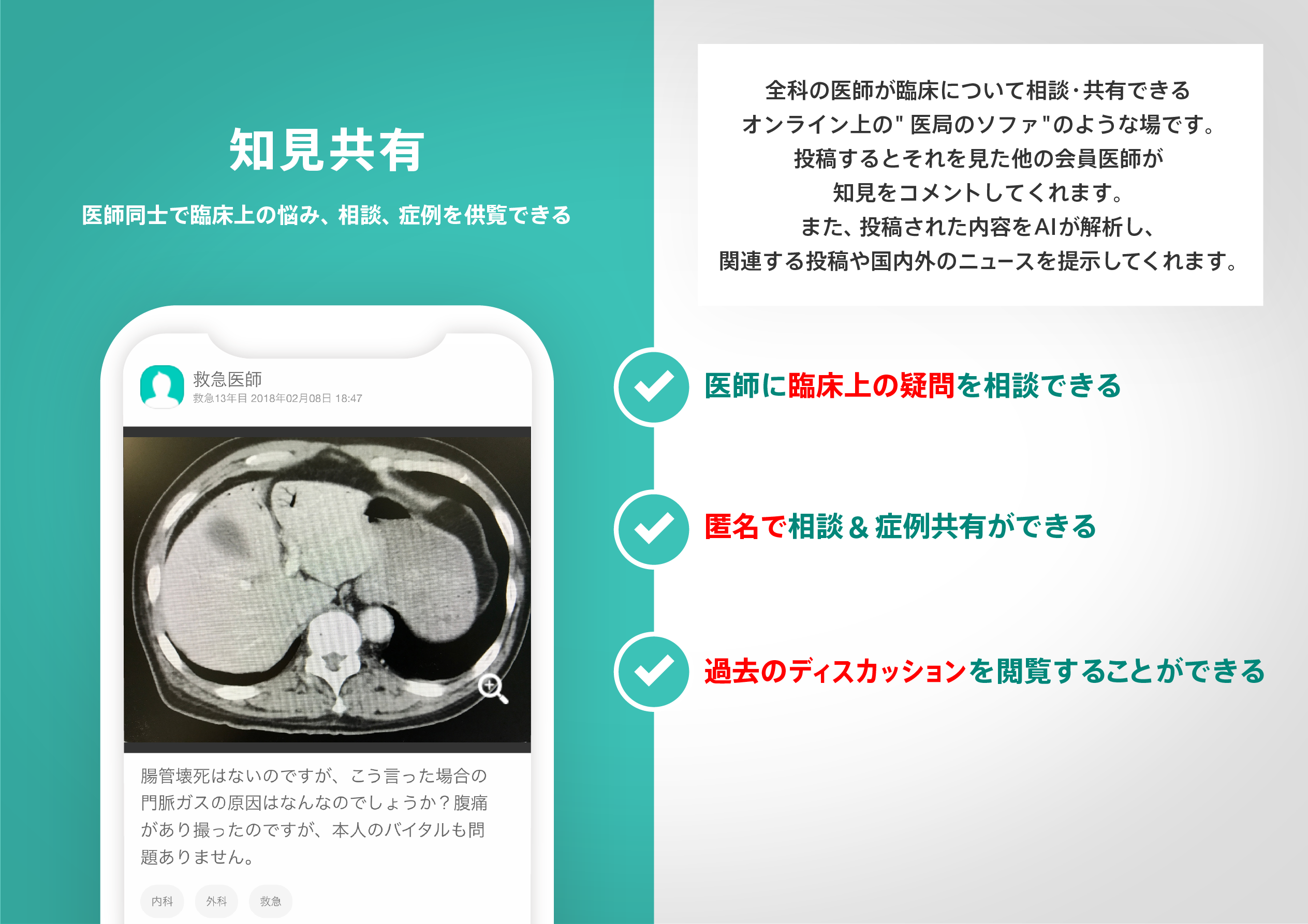
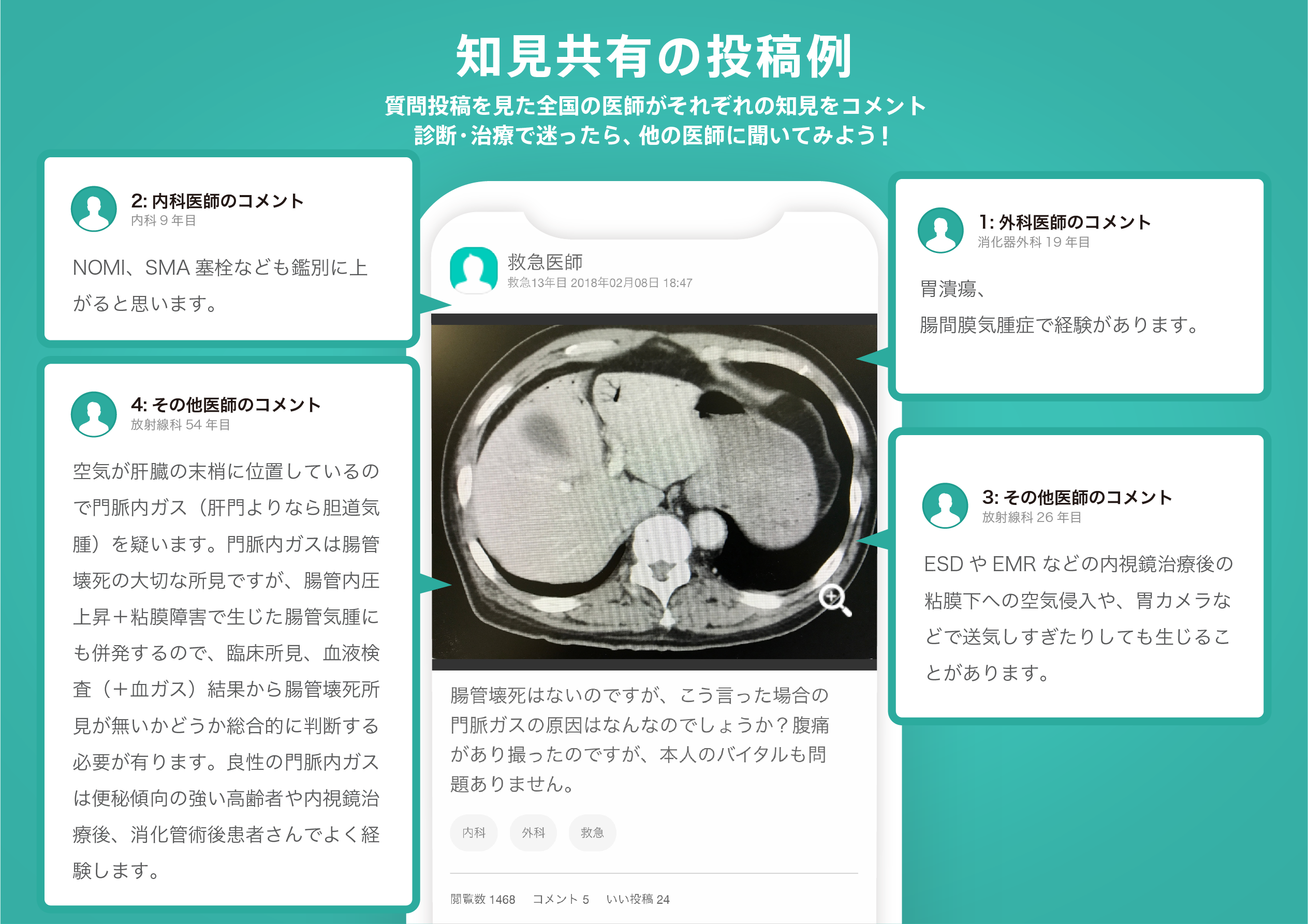
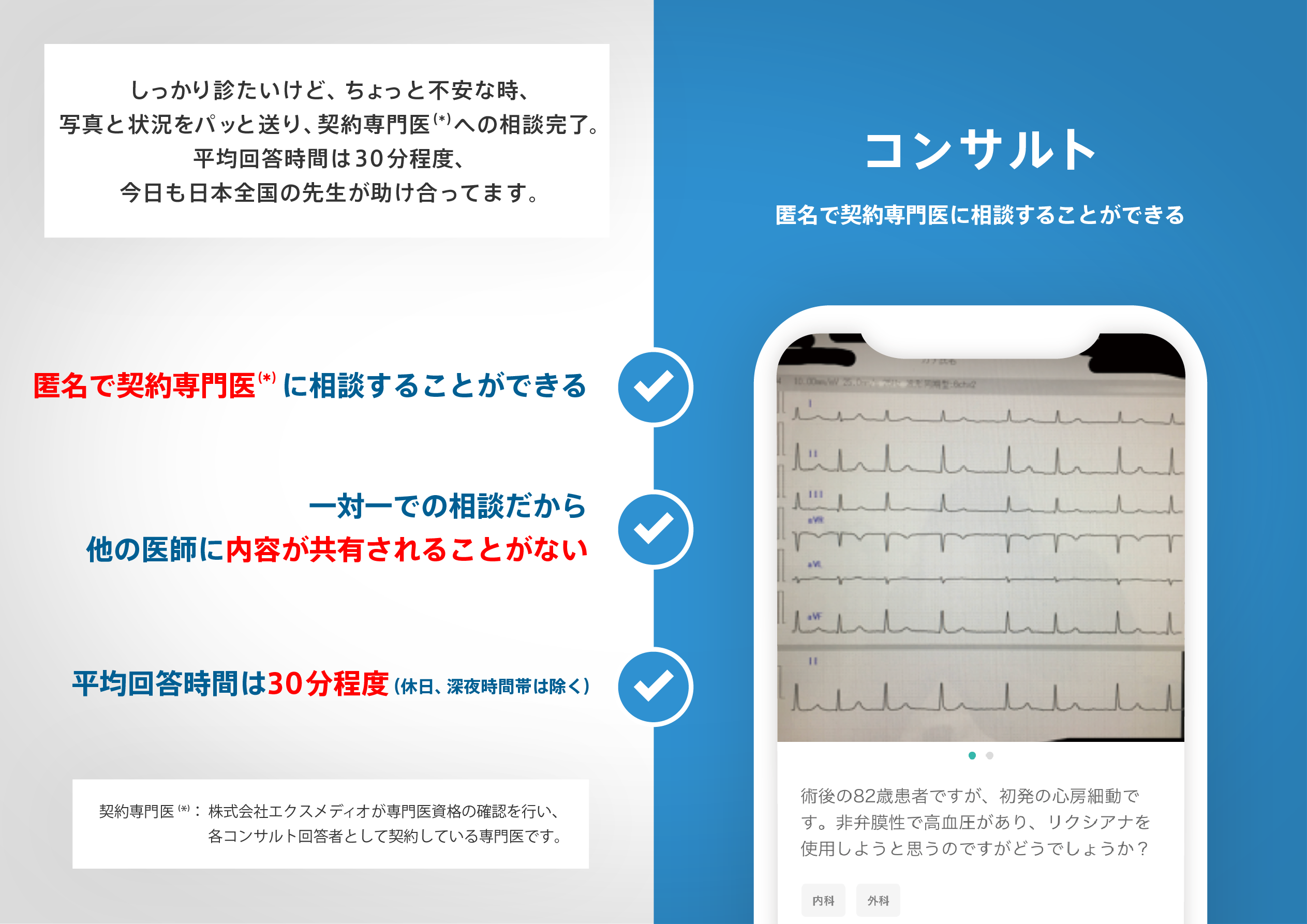
ヒポクラ x マイナビのご紹介

無料会員登録していただくと、さらに便利で効率的な検索が可能になります。