著名医師による解説が無料で読めます
すると翻訳の精度が向上します
はじめに:非医薬品のフェンタニルとその類似体は、オピオイド関連の過剰摂取による死亡の顕著な増加を促進しました。これらの非常に強力なオピオイドは、生物学的標本の低濃度で見つけることができます。非脂肪性過剰摂取の生存者の間のこれらの物質の濃度に関してはほとんど知られていない。フェンタニルが非脂肪性オピオイドの過剰摂取の大部分を担当する場所では、同時鎮静系系統曝露の存在下と非存在下での血液中のフェンタニルの濃度をナロキソン投与と比較しました。 方法:このパイロット研究では、救急部門(ED)に提示する成人患者を登録しました。(2)臨床ケアの一環として、静脈障害または静脈内アクセスを必要とした人。血液標本(n = 20)は、フェンタニル、フェンタニル類似体、ナロキソンの定量化、および一般的な鎮静歴史学の検出やその他の幅広い違法および医薬品物質の検出を含む包括的な毒物学試験を受けました。次に、フェンタニル濃度を、付随する鎮静系催眠療法の有無にかかわらず、参加者のナロキソン投与と比較しました。 結果:20人の参加者のうち19人(95%)が過剰摂取の前にフェンタニルにさらされました。残りの参加者は、ヘロイン代謝産物の陽性をテストしました。参加者は医薬品のフェンタニルの使用を報告していません。フェンタニル類似体 - アセチルフェンタニルまたはカーフェンタニル - は、3つの標本に存在していました。11症例では、フェンタニルとその代謝産物が同定された唯一のオピオイドでした。フェンタニル暴露のうち、血液濃度は<0.1-19 ng/mLの範囲で、平均6.2 ng/mL、中央値3.6 ng/mLでした。フェンタニル濃度と反転のために投与されたナロキソン用量の間に関係はありませんでした。9人の参加者で、鎮静剤歴史(ベンゾジアゼピン、筋弛緩薬、抗うつ薬を含む)を検出しました。鎮静剤の露出症の中で、フェンタニル濃度は低かったが、ナロキソン投与は付随する曝露のないものと類似していた。 結論:この研究では、次のことがわかりました。1)フェンタニルは、ほぼすべての参加者の血液に存在していました。2)フェンタニル濃度は、同時鎮静系催眠療法曝露を伴う研究参加者の間で低かった。3)過剰摂取の逆転のために投与されるナロキソンの用量は、血液検体の測定されたフェンタニル濃度と関連していませんでした。私たちの結果は、オピオイドの過剰摂取の管理の降水と蘇生において寛容と付随する薬物曝露が果たす役割を強調しています。
はじめに:非医薬品のフェンタニルとその類似体は、オピオイド関連の過剰摂取による死亡の顕著な増加を促進しました。これらの非常に強力なオピオイドは、生物学的標本の低濃度で見つけることができます。非脂肪性過剰摂取の生存者の間のこれらの物質の濃度に関してはほとんど知られていない。フェンタニルが非脂肪性オピオイドの過剰摂取の大部分を担当する場所では、同時鎮静系系統曝露の存在下と非存在下での血液中のフェンタニルの濃度をナロキソン投与と比較しました。 方法:このパイロット研究では、救急部門(ED)に提示する成人患者を登録しました。(2)臨床ケアの一環として、静脈障害または静脈内アクセスを必要とした人。血液標本(n = 20)は、フェンタニル、フェンタニル類似体、ナロキソンの定量化、および一般的な鎮静歴史学の検出やその他の幅広い違法および医薬品物質の検出を含む包括的な毒物学試験を受けました。次に、フェンタニル濃度を、付随する鎮静系催眠療法の有無にかかわらず、参加者のナロキソン投与と比較しました。 結果:20人の参加者のうち19人(95%)が過剰摂取の前にフェンタニルにさらされました。残りの参加者は、ヘロイン代謝産物の陽性をテストしました。参加者は医薬品のフェンタニルの使用を報告していません。フェンタニル類似体 - アセチルフェンタニルまたはカーフェンタニル - は、3つの標本に存在していました。11症例では、フェンタニルとその代謝産物が同定された唯一のオピオイドでした。フェンタニル暴露のうち、血液濃度は<0.1-19 ng/mLの範囲で、平均6.2 ng/mL、中央値3.6 ng/mLでした。フェンタニル濃度と反転のために投与されたナロキソン用量の間に関係はありませんでした。9人の参加者で、鎮静剤歴史(ベンゾジアゼピン、筋弛緩薬、抗うつ薬を含む)を検出しました。鎮静剤の露出症の中で、フェンタニル濃度は低かったが、ナロキソン投与は付随する曝露のないものと類似していた。 結論:この研究では、次のことがわかりました。1)フェンタニルは、ほぼすべての参加者の血液に存在していました。2)フェンタニル濃度は、同時鎮静系催眠療法曝露を伴う研究参加者の間で低かった。3)過剰摂取の逆転のために投与されるナロキソンの用量は、血液検体の測定されたフェンタニル濃度と関連していませんでした。私たちの結果は、オピオイドの過剰摂取の管理の降水と蘇生において寛容と付随する薬物曝露が果たす役割を強調しています。
INTRODUCTION: Non-pharmaceutical fentanyl and its analogs have driven striking increases in opioid-associated overdose deaths. These highly potent opioids can be found at low concentrations in biological specimens. Little is known regarding the concentrations of these substances among survivors of non-fatal overdoses. In a locale where fentanyl is responsible for the majority of non-fatal opioid overdoses, we compared the concentration of fentanyl in blood to naloxone dosing in the presence and absence of a concurrent sedative-hypnotic exposure. METHODS: In this pilot study, we enrolled adult patients presenting to the emergency department (ED) who: (1) arrived after an overdose requiring naloxone for the reversal of respiratory depression; and (2) who required venipuncture or intravenous access as part of their clinical care. Blood specimens (n = 20) underwent comprehensive toxicology testing, including the quantitation of fentanyl, fentanyl analogs, and naloxone, as well as the detection of common sedative-hypnotics and a wide range of other illicit and pharmaceutical substances. We then compared fentanyl concentrations to naloxone dosing in participants with and without a concomitant sedative-hypnotic exposure. RESULTS: Nineteen of twenty participants (95%) were exposed to fentanyl prior to their overdose; the remaining participant tested positive for heroin metabolites. No participants reported pharmaceutical fentanyl use. Fentanyl analogs - acetylfentanyl or carfentanil - were present in three specimens. In 11 cases, fentanyl and its metabolites were the only opioids identified. Among the fentanyl-exposed, blood concentrations ranged from <0.1-19 ng/mL with a mean of 6.2 ng/mL and a median of 3.6 ng/mL. There was no relationship between fentanyl concentration and naloxone dose administered for reversal. We detected sedative-hypnotics (including benzodiazepines, muscle relaxants, and antidepressants) in nine participants. Among the sedative-hypnotic exposed, fentanyl concentrations were lower, but naloxone dosing was similar to those without a concomitant exposure. CONCLUSIONS: In this study, we found that: 1) fentanyl was present in the blood of nearly all participants; 2) fentanyl concentrations were lower among study participants with concomitant sedative-hypnotic exposure; and 3) the dose of naloxone administered for overdose reversal was not associated with the measured fentanyl concentration in blood specimens. Our results underscore the role that tolerance and concomitant drug exposure play in the precipitation and resuscitation of management of opioid overdose.
医師のための臨床サポートサービス
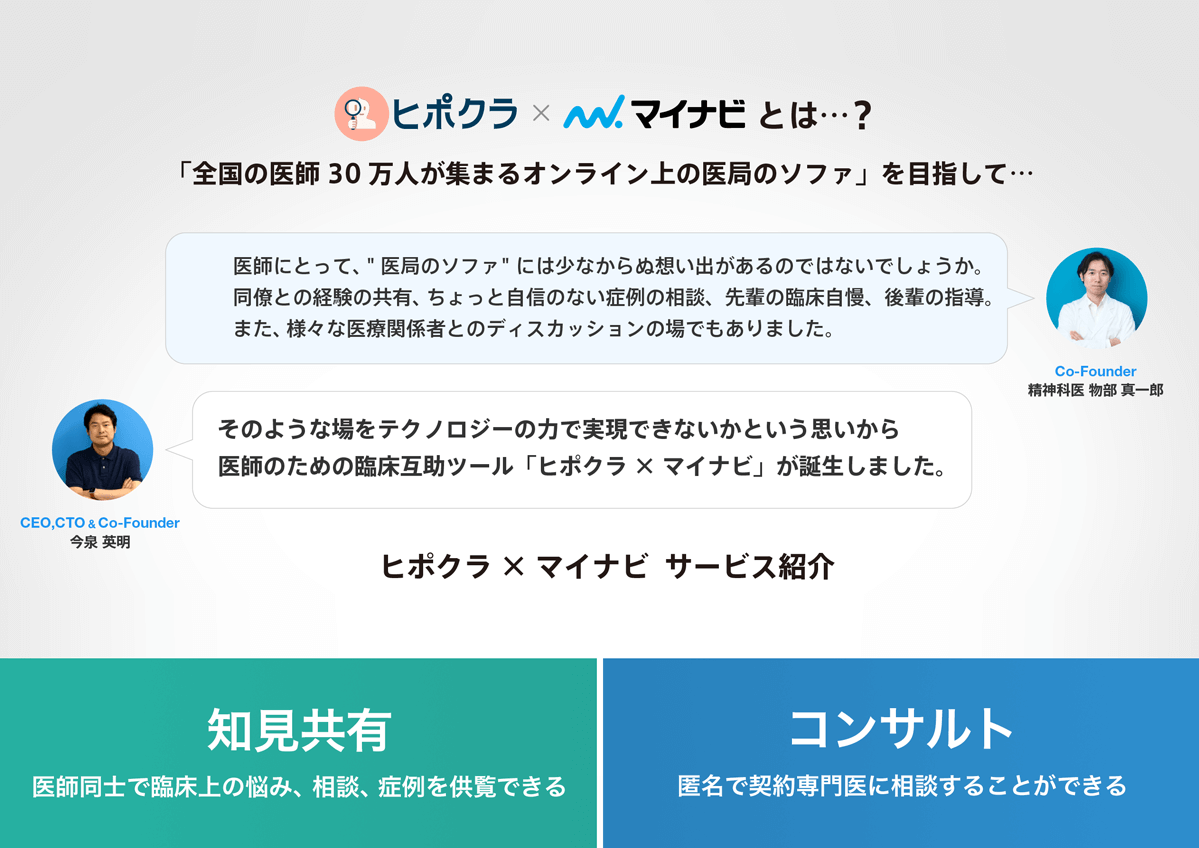
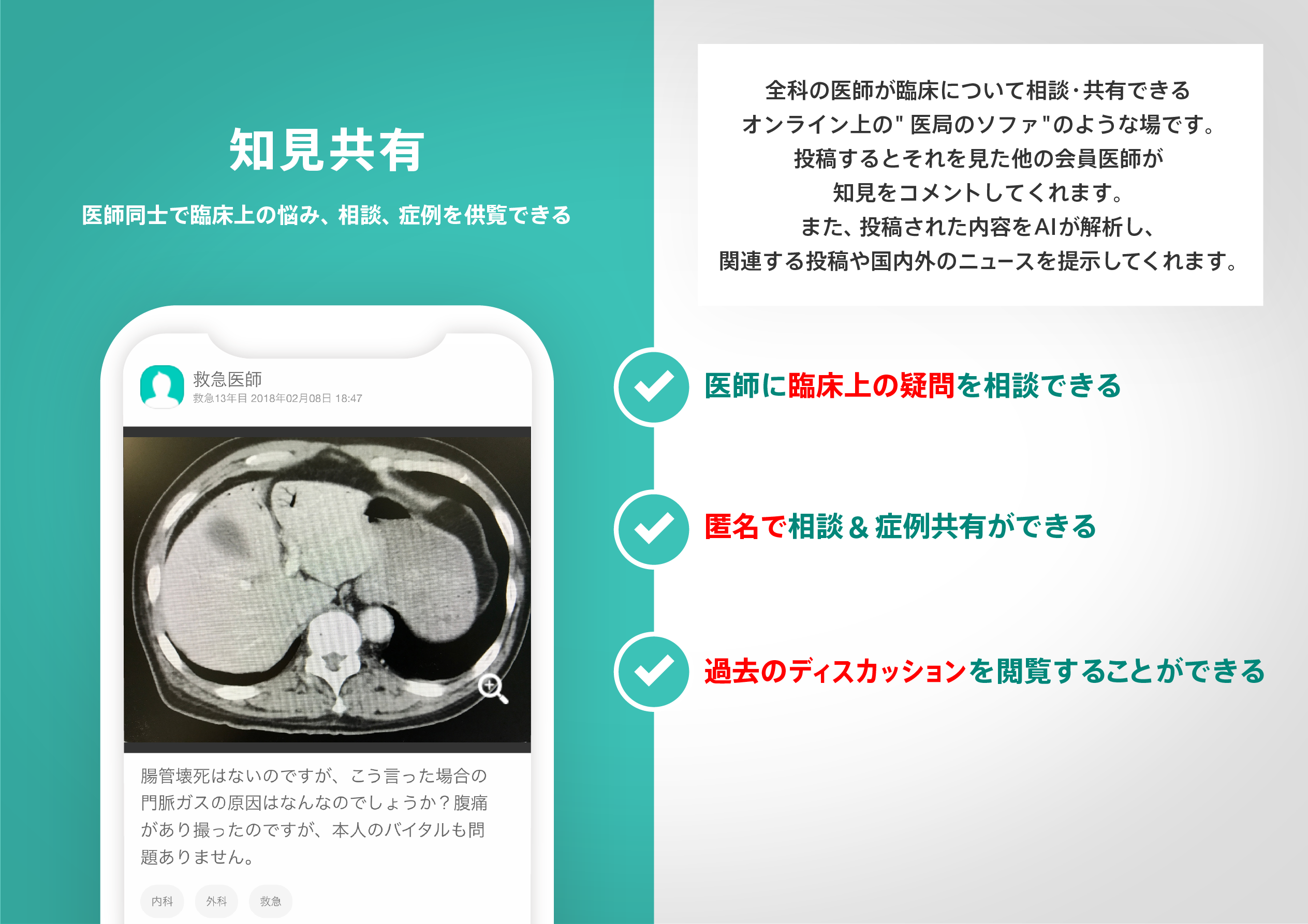
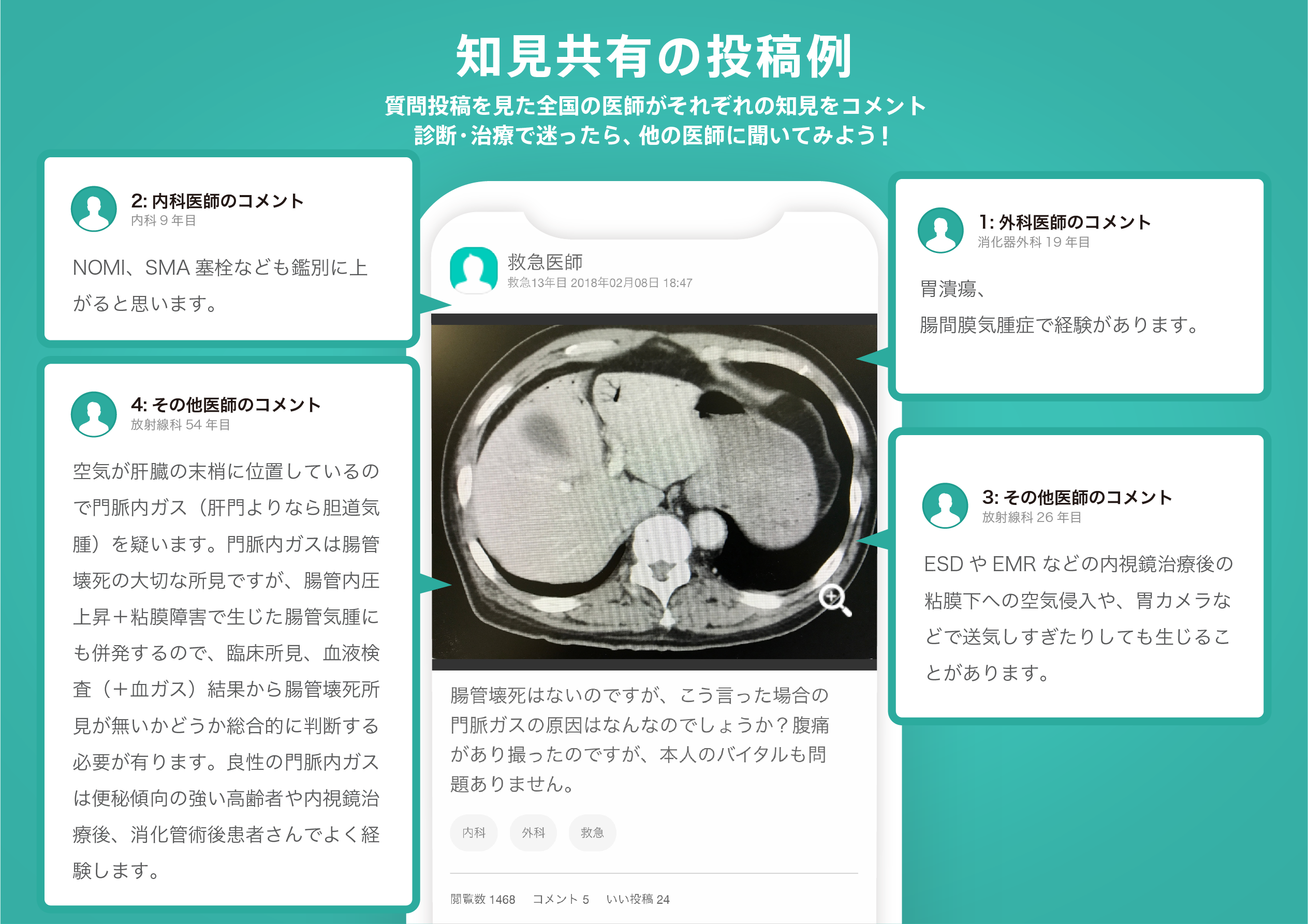
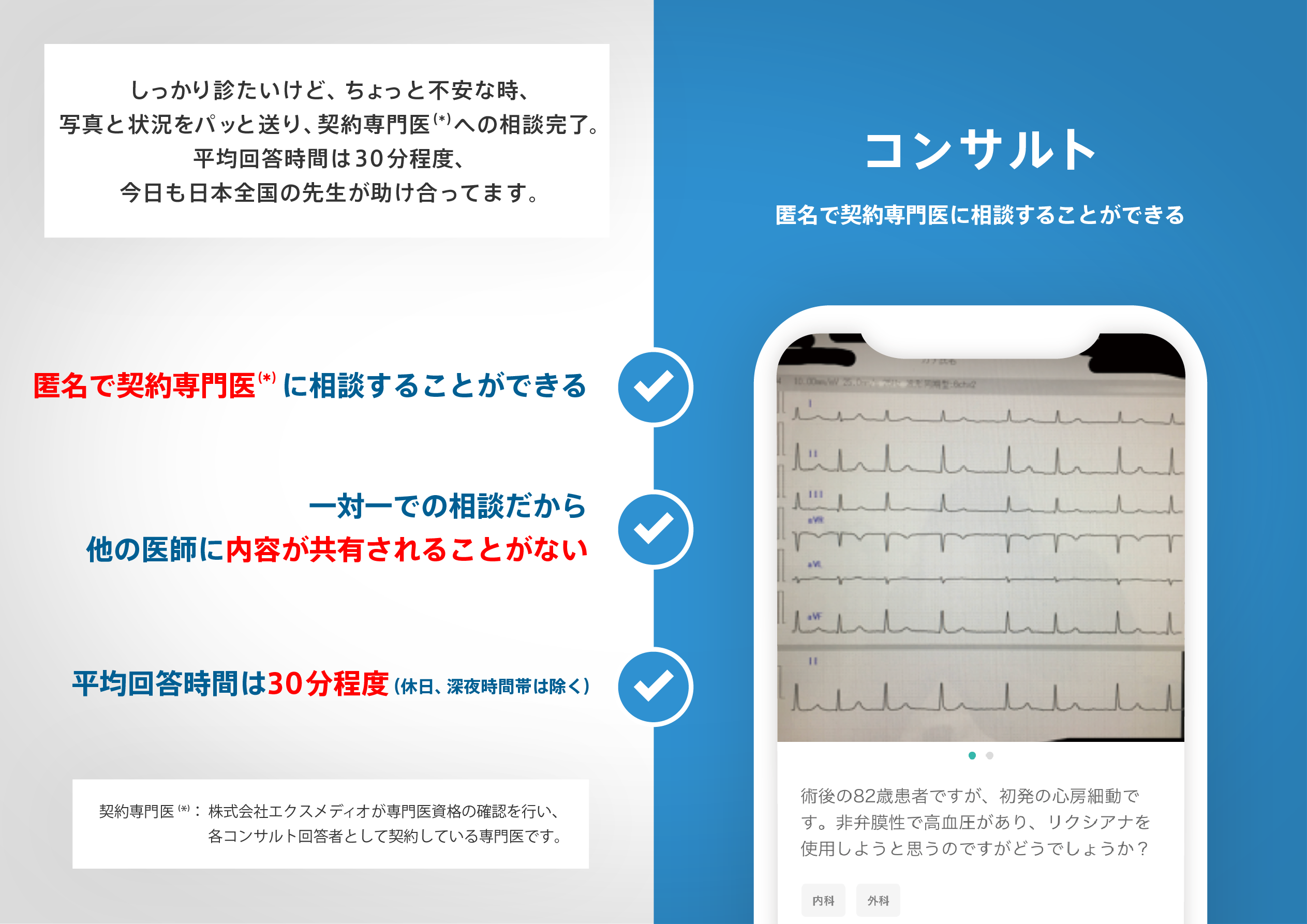
ヒポクラ x マイナビのご紹介

無料会員登録していただくと、さらに便利で効率的な検索が可能になります。